
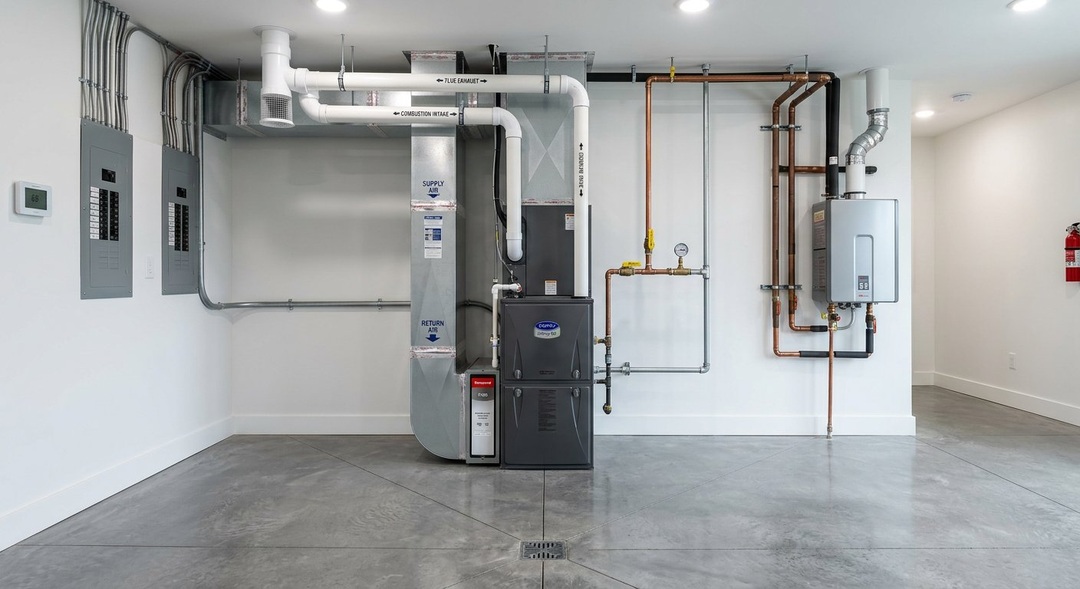
Investing in professional HVAC installation is one of the most important decisions homeowners can make when improving indoor comfort and managing energy consumption. Heating, ventilation, and air conditioning systems influence household temperatures, airflow, humidity, and everyday living conditions. When equipment is properly selected and installed, it can provide dependable heating and cooling while helping avoid unnecessary energy waste.
However, achieving long-term benefits requires more than purchasing an efficient air conditioner or heat pump. Equipment sizing, ductwork condition, installation quality, thermostat controls, ventilation, and regular maintenance all influence performance. Understanding these factors helps homeowners make informed decisions and choose heating and cooling systems that remain practical throughout their service life.
Why HVAC Installation Is a Long-Term Home Investment
Heating and cooling equipment is often used for many years, making the initial installation decision particularly important. A system that performs poorly from the beginning can create ongoing comfort problems and unnecessary operating expenses.
Professional HVAC installation helps ensure equipment is selected and configured according to the home’s actual requirements. This process involves evaluating heating and cooling loads, airflow, electrical infrastructure, and other important building characteristics.
The goal is to achieve suitable comfort and dependable operation without installing unnecessary capacity. A thoughtfully designed system can support better long-term performance while reducing avoidable maintenance concerns.
Installation Quality Influences System Performance
Even expensive equipment can perform poorly when installed incorrectly. Refrigerant problems, restricted airflow, unsuitable ductwork, and improper controls can affect heating and cooling efficiency.
A qualified HVAC installation contractor should follow manufacturer instructions and applicable building codes. Correct commissioning also helps identify problems before regular operation begins.
Long-Term Costs Matter More Than Purchase Price
The initial equipment price represents only one part of ownership. Energy consumption, maintenance, repairs, and eventual replacement also contribute to overall expenditure.
Homeowners should evaluate HVAC installation using expected lifetime costs rather than choosing the lowest quotation automatically. A slightly higher initial investment may be worthwhile when it provides measurable operational advantages.
What Does Professional HVAC Installation Include?
Professional installation involves selecting equipment, preparing the property, connecting system components, and verifying correct operation. The exact process depends on whether the project involves heating, cooling, ventilation, or a combined system.
A complete HVAC installation should account for both the equipment and the building in which it operates. Ignoring existing infrastructure can reduce the effectiveness of even a well-rated system.
Initial Home Assessment
The contractor should inspect the property and review its heating and cooling requirements. Relevant factors include floor area, insulation, window characteristics, occupancy, and local weather conditions.
This assessment helps determine suitable equipment capacity and configuration. Homeowners should be cautious of recommendations made without sufficient information about the property.
Equipment Selection
Different homes benefit from different heating and cooling technologies. Options may include heat pumps, furnaces, central air conditioners, ductless systems, or other appropriate equipment.
A professional HVAC installation provider should explain which systems suit the building and why. Recommendations should consider efficiency, comfort, budget, and infrastructure requirements.
System Installation
Installation may involve positioning equipment, connecting electrical services, installing refrigerant piping, modifying ductwork, and arranging condensate drainage. Each task requires appropriate technical procedures.
Qualified technicians should perform regulated work and use suitable materials. Incorrect connections can create reliability, safety, or performance problems.
Testing and Commissioning
After installation, the system should be tested to confirm that relevant components operate correctly. This may include airflow measurements, electrical checks, control verification, and refrigerant system assessments.
Proper HVAC installation should include commissioning rather than simply switching on the equipment. Testing provides an opportunity to address defects before normal household use.
How HVAC Installation Affects Energy Efficiency
Heating and cooling can account for a substantial portion of household energy consumption. Actual usage depends on climate, insulation, equipment efficiency, thermostat settings, and household behavior.
Smart HVAC installation can help manage energy demand by matching equipment capacity and controls to the home. However, lower energy bills cannot be guaranteed without considering the existing system and local energy prices.
Efficient Equipment Uses Energy More Effectively
Modern heating and cooling equipment may offer improved efficiency compared with older models. Standardized ratings can help homeowners compare suitable products.
However, advertised efficiency figures reflect defined testing conditions. Actual HVAC installation performance also depends on correct sizing, airflow, and operation.
Proper Installation Reduces Avoidable Losses
Poorly connected ducts, incorrect refrigerant charges, and unsuitable airflow can increase energy consumption. These problems may prevent equipment from operating as intended.
A professional HVAC installation should address these details during setup. Correct installation helps equipment perform closer to its designed operating characteristics.
Controls Influence Daily Energy Use
Thermostat schedules and temperature settings affect how frequently equipment operates. Poorly configured controls may condition rooms unnecessarily.
HVAC installation should include appropriate thermostat setup and homeowner guidance. Efficient equipment provides greater value when it is used sensibly.
Correct HVAC Sizing Is Essential
Equipment capacity should reflect the home’s actual heating and cooling requirements. A larger system is not automatically more effective or comfortable.
Professional HVAC installation should involve suitable load calculations instead of relying solely on floor area. Insulation, glazing, air leakage, ceiling height, and local climate all influence demand.
Problems With Oversized Equipment
Oversized equipment may cycle frequently or operate inefficiently under certain conditions. Some cooling systems may also struggle with humidity management when poorly matched to the load.
These problems depend on system design and technology. Variable-speed equipment can adjust output, but appropriate sizing remains important.
Problems With Undersized Equipment
A system with insufficient capacity may struggle during very hot or cold weather. This can leave rooms uncomfortable despite extended operation.
An HVAC installation contractor should assess design conditions before recommending equipment. Undersizing should not be used simply to reduce the purchase price.
Why Professional Calculations Matter
Recognized load calculation methods consider multiple building characteristics. They provide a more reliable foundation than general estimates.
For US residential projects, contractors commonly use ACCA Manual J or another appropriate recognized method. HVAC installation should follow the relevant standards and requirements for the jurisdiction.
Choosing the Right HVAC System for Your Home
Different heating and cooling systems have different installation requirements and operating characteristics. The best option depends on the property, available energy sources, and household needs.
An HVAC installation project should begin by comparing suitable technologies rather than selecting a brand immediately. Professional advice can help identify practical alternatives.
Central Air Conditioning
Central air conditioning distributes cooled air through ductwork. It can serve multiple rooms when the system and ducts are appropriately designed.
Central HVAC installation may be practical when the property already contains suitable ducts. Homes without ductwork may require additional construction.
Heat Pump Systems
Heat pumps move thermal energy between indoor and outdoor environments. Suitable models can provide both heating and cooling.
Heat pump HVAC installation should consider outdoor design temperatures and heating capacity. Cold-climate performance varies between models.
Gas Furnaces
Gas furnaces generate heat through combustion and distribute it using an appropriate air-handling system. Their suitability depends on gas availability, ventilation, and building requirements.
Furnace HVAC installation involves important combustion safety considerations. Qualified technicians must follow applicable gas and building regulations.
Ductless Mini Split Systems
Ductless systems provide heating or cooling directly to individual rooms through indoor units. They can be useful in properties without traditional ductwork.
Ductless HVAC installation still requires refrigerant piping, electrical connections, and condensate drainage. Professional setup is essential for reliable operation.
Heat Pumps and Modern HVAC Installation
Heat pump technology has become an important consideration for homeowners evaluating efficient heating and cooling. These systems use electricity to transfer heat rather than relying exclusively on direct resistance heating.
HVAC installation using heat pumps may offer efficiency advantages in suitable conditions. However, equipment selection should reflect local climate, building characteristics, and electricity prices.
Heating and Cooling From One System
Many air-source heat pumps can reverse operation to provide cooling during warm weather. This can simplify the overall equipment arrangement in suitable homes.
However, some properties may still require supplementary heating. The need depends on system capacity and winter conditions.
Variable-Speed Operation
Some modern heat pumps use inverter technology to adjust compressor output. This can improve part-load operation and temperature consistency.
HVAC installation should include controls compatible with the chosen equipment. Incorrect control configuration can reduce available functionality.
Cold-Weather Performance
Heat pumps can operate in cold weather, but their capacity and efficiency change with outdoor temperature. Certain models are specifically designed for colder climates.
A qualified contractor should review published performance data. Homeowners should avoid assuming every heat pump provides identical winter performance.
Why Ductwork Matters During HVAC Installation
Ductwork distributes conditioned air throughout many central heating and cooling systems. Its design and condition influence airflow, comfort, noise, and energy use.
A new HVAC installation may perform poorly when connected to unsuitable existing ducts. Contractors should inspect the distribution system before recommending equipment replacement.
Duct Leakage
Leaks can allow conditioned air to escape before reaching the intended rooms. The significance depends on leakage location and surrounding building conditions.
Sealing suitable duct connections may improve system performance. The work should follow appropriate methods and materials.
Duct Sizing
Undersized ducts can restrict airflow and create excessive pressure losses. Oversized or poorly arranged ducts can also affect system design.
HVAC installation should account for required airflow and equipment specifications. Replacing the main unit without evaluating ducts may leave existing problems unresolved.
Duct Insulation
Ducts passing through unconditioned areas may experience heat transfer. Appropriate insulation can help reduce these losses.
A contractor should evaluate insulation needs according to the building and climate. Moisture management must also be considered.
Smart Thermostats and HVAC Installation
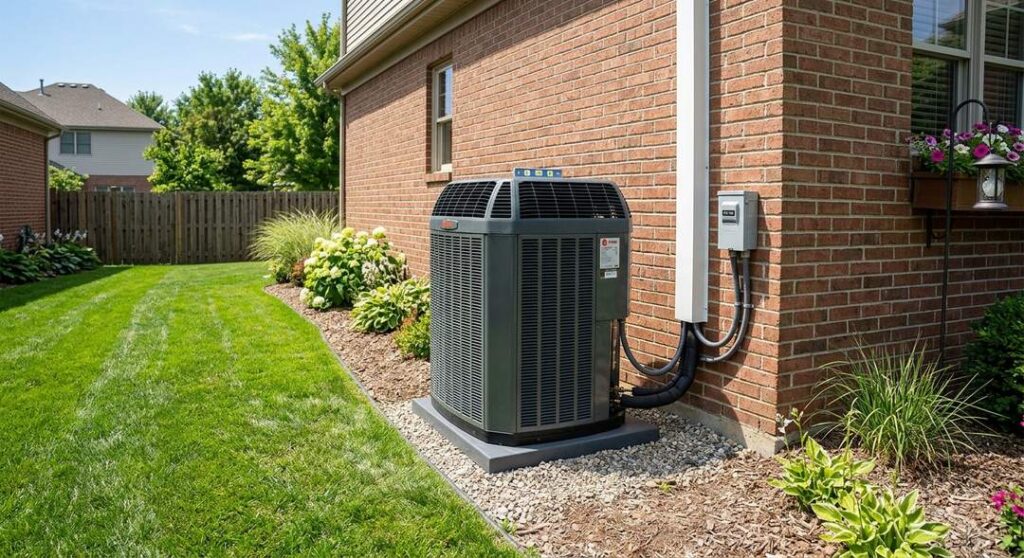
Smart thermostats can provide scheduling, remote access, and selected energy-management features. Their usefulness depends on compatibility and household routines.
A modern HVAC installation may include a smart thermostat when it suits the equipment. However, advanced controls should not be selected solely because they offer more features.
Programmable Temperature Settings
Schedules allow heating and cooling to respond to normal occupancy patterns. This can reduce unnecessary operation during suitable periods.
HVAC installation should include guidance on using these settings. The best schedule depends on the system and household.
Remote Monitoring
Some thermostats allow homeowners to review settings through smartphone applications. This can provide convenience when routines change.
Connected HVAC installation equipment should use secure accounts and appropriate network settings. Remote access is not essential for every household.
Compatibility With HVAC Equipment
Not every thermostat supports every heating and cooling configuration. Heat pumps and variable-speed systems may require particular control arrangements.
A professional installer should verify compatibility before fitting a controller. Incorrect wiring or setup can affect performance.
HVAC Installation and Indoor Air Quality
Indoor air quality depends on ventilation, filtration, moisture, and sources of indoor pollution. Heating and cooling equipment can influence some of these factors.
An HVAC installation should consider ventilation requirements rather than focusing only on temperature control. Recirculating cooled or heated air does not necessarily introduce fresh outdoor air.
Air Filtration
Filters can capture certain airborne particles when appropriately selected and installed. Their effectiveness depends on filter design, airflow, and maintenance.
Higher-efficiency filters may create additional airflow resistance. HVAC installation should account for equipment limitations before changing filtration specifications.
Ventilation
Suitable ventilation helps dilute certain indoor pollutants and manage moisture. The required approach depends on building design and local codes.
An HVAC installation contractor may coordinate ventilation equipment when appropriate. Cooling capacity alone does not establish adequate ventilation.
Humidity Control
Excessive indoor humidity can affect comfort and contribute to moisture-related building problems. Low humidity can also create discomfort.
HVAC installation may include humidity-control features where necessary. Persistent moisture problems should be investigated rather than treated solely through thermostat adjustments.
How HVAC Installation Improves Home Comfort
Comfort depends on temperature, humidity, airflow, and how conditions vary between rooms. A poorly designed system may create drafts or uneven temperatures.
Professional HVAC installation can help address these factors through appropriate equipment selection and air distribution. However, building insulation and room layout also influence the final result.
More Consistent Temperatures
Correctly sized equipment can respond more effectively to expected heating and cooling loads. Suitable controls may also reduce unnecessary temperature fluctuations.
The system should be commissioned to verify operation. HVAC installation quality can influence how consistently comfort is maintained.
Better Air Distribution
Airflow should reach occupied spaces without creating excessive drafts. Diffuser placement and duct balancing can influence performance.
A professional HVAC installation should assess airflow rather than assuming every room receives suitable conditioning automatically.
Reduced Equipment Noise
Fans, compressors, and duct systems can produce sound during operation. Poor mounting or unsuitable airflow can increase unwanted noise.
Correct installation may help reduce avoidable vibration and rattling. Actual sound levels depend on the equipment and operating conditions.
The Importance of Professional HVAC Installation
HVAC equipment combines electrical, mechanical, and sometimes combustion or refrigerant systems. These components require appropriate expertise.
Professional HVAC installation is important for safety, regulatory compliance, and reliable operation. Homeowners should avoid treating complex system installation as an ordinary DIY task.
Electrical Safety
Heating and cooling equipment may require dedicated circuits, protective devices, and suitable electrical capacity. Incorrect wiring can create serious hazards.
Qualified personnel should complete electrical work according to applicable codes. Existing electrical infrastructure should be assessed before installation.
Refrigerant Handling
Refrigerant systems require appropriate piping, testing, and charging procedures. Incorrect handling can affect efficiency and create environmental or safety concerns.
HVAC installation technicians must follow relevant refrigerant regulations. Homeowners should verify required professional credentials.
Gas Safety
Gas-fired heating equipment involves combustion and venting requirements. Improper installation can create dangerous conditions.
Qualified professionals should perform gas-related work. Carbon monoxide safety and appropriate venting must be considered.
What Happens During the HVAC Installation Process?
Understanding the installation process helps homeowners prepare for the work. The exact steps depend on whether equipment is being added, replaced, or installed during construction.
A professional HVAC installation company should explain the expected schedule and responsibilities before beginning.
Site Inspection
The contractor reviews available space, equipment access, electrical connections, ductwork, and other relevant conditions. This assessment identifies installation constraints.
Any necessary building modifications should be discussed before work begins. Unexpected conditions may still arise during replacement projects.
Removing Existing Equipment
Replacement projects may require safe disconnection and removal of old systems. Refrigerants and other regulated materials must be handled appropriately.
HVAC installation should include clear arrangements for equipment disposal. Homeowners should confirm whether removal is included in the quotation.
Installing New Equipment
The contractor positions the indoor and outdoor components and completes necessary connections. The work may involve ducts, piping, wiring, controls, and drainage.
Every component should be installed according to relevant manufacturer requirements. Correct placement supports maintenance access and operation.
Commissioning and Handover
The technician tests the system and verifies important operating conditions. Homeowners should receive guidance on controls, filters, and maintenance.
A complete HVAC installation should include appropriate documentation. Warranty details and equipment information should be retained.
How Much Does HVAC Installation Cost?
Installation expenses vary according to system type, capacity, property condition, labor, and location. A straightforward replacement can have different costs from a complete new system.
HVAC installation quotations should reflect the actual project rather than generic online price ranges. Site-specific details can materially affect the final amount.
Equipment Costs
Higher-capacity or advanced systems may cost more than basic equipment. Efficiency ratings and product features can also influence pricing.
Homeowners should compare suitable models rather than assuming the most expensive unit provides the best value.
Labor Costs
Installation labor depends on complexity, access, and technical requirements. Projects involving several indoor units or major duct changes may require additional time.
Professional HVAC installation pricing should clearly identify the agreed work. This helps homeowners compare quotations fairly.
Electrical and Ductwork Upgrades
Some homes need electrical modifications or duct repairs before new equipment can operate correctly. These expenses may not be included in basic equipment advertisements.
A detailed inspection helps identify likely requirements. However, concealed defects may still create additional work.
Understanding HVAC Installation Return on Investment
Return on investment depends on installation cost, energy savings, maintenance changes, and the system’s service life. Comfort improvements may also provide value, although they are harder to express financially.
HVAC installation should be evaluated using realistic estimates rather than guaranteed savings claims.
Compare Existing and Proposed Systems
Homeowners can compare the efficiency and condition of existing equipment with suitable replacements. The analysis should consider actual operating patterns.
A very old or inefficient system may offer different savings potential from a relatively modern one. HVAC installation benefits vary accordingly.
Estimate Annual Operating Costs
Operating expenses depend on utility rates, weather, equipment performance, and thermostat settings. Energy modeling or historical data may help estimate future costs.
However, estimates involve uncertainty. Homeowners should consider more than one scenario when evaluating savings.
Consider Maintenance Expenses
New equipment may have different servicing needs from the existing system. Warranty coverage can also influence certain repair expenses.
HVAC installation comparisons should account for maintenance rather than assuming new systems require no attention.
HVAC Installation and Property Value
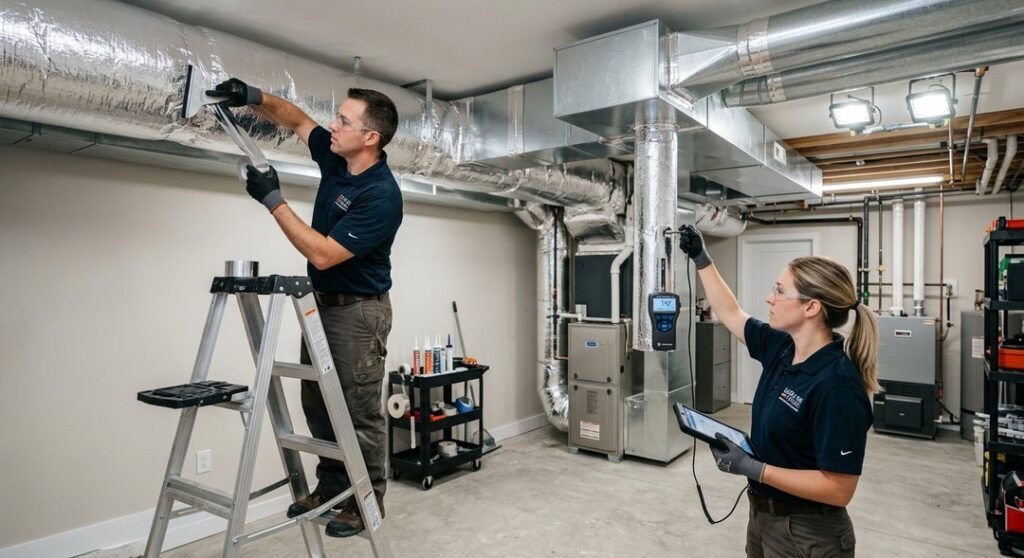
Heating and cooling systems can influence how prospective buyers evaluate a property. Reliable equipment and comfortable indoor conditions may be attractive features.
However, HVAC installation does not guarantee a particular increase in resale value. Housing markets, property condition, and buyer preferences differ.
Modern Equipment May Appeal to Buyers
Potential buyers may appreciate documented system upgrades and recent maintenance records. Clear information can help them understand the equipment’s condition.
Homeowners should retain invoices, warranties, and service documentation. These records may be useful during future property transactions.
Efficiency Is One Factor Among Many
Energy costs can influence buyer decisions, but they are not the only consideration. Location, layout, building condition, and market demand also affect property value.
HVAC installation should primarily meet the household’s needs. Resale benefits should not be assumed without local evidence.
Common HVAC Installation Mistakes
Installation problems can create long-term operating issues. Some mistakes involve equipment selection, while others occur during physical installation or commissioning.
Recognizing these concerns helps homeowners evaluate contractor recommendations.
Choosing Equipment Without Load Calculations
Selecting capacity using only floor area may produce an unsuitable system. Building characteristics and local climate need consideration.
Professional HVAC installation should use appropriate design methods. Guesswork can create avoidable comfort problems.
Ignoring Existing Ductwork
New equipment cannot automatically correct leaking or restrictive ducts. Existing distribution problems may continue after replacement.
Contractors should inspect ductwork where relevant. Repairs may be necessary before the new system operates as intended.
Poor Outdoor Unit Placement
Outdoor equipment needs suitable airflow and service access. Obstructions can affect operation and maintenance.
HVAC installation should follow manufacturer clearance requirements. Noise and drainage should also be considered.
Incorrect Thermostat Setup
Incompatible or poorly configured controls can prevent equipment from operating correctly. Advanced systems may require specialized settings.
The installer should verify thermostat compatibility and operation. Homeowners should understand basic control functions.
Skipping Commissioning
An installation may appear complete while important settings remain incorrect. Proper testing helps identify such problems.
HVAC installation should include suitable performance checks. Commissioning is an essential part of quality workmanship.
Choosing the Right HVAC Installation Contractor
Contractor expertise influences equipment selection, installation quality, and long-term service. Homeowners should evaluate qualifications and experience carefully.
A reliable HVAC installation company should provide clear recommendations supported by appropriate assessment.
Verify Licensing and Certifications
Requirements vary by jurisdiction and work type. Refrigerant, gas, and electrical tasks may require particular qualifications.
Homeowners should verify credentials through appropriate official sources. Marketing claims alone are not sufficient.
Review Relevant Experience
Contractors should have experience with the proposed system type and the property’s requirements. Installing a basic air conditioner differs from designing a complex multi-zone heat pump system.
Ask about comparable projects. Relevant experience can help identify foreseeable installation challenges.
Check Insurance
Appropriate contractor insurance may provide protection in certain circumstances. Coverage depends on the policy.
Request relevant documentation before work begins. Insurance should complement safe and competent practices.
Compare Written Quotations
A detailed quotation should identify equipment models, capacity, installation scope, controls, warranties, and exclusions.
Homeowners should compare equivalent HVAC installation proposals rather than choosing based only on the final price.
Questions to Ask Before HVAC Installation
Asking the right questions can help homeowners understand their options. A professional contractor should explain technical recommendations without unnecessary pressure.
Consider discussing the following points:
- Has a suitable load calculation been completed?
- Which system types are appropriate?
- What efficiency ratings apply?
- Is the existing ductwork suitable?
- Will electrical upgrades be required?
- How will ventilation be addressed?
- What thermostat controls are included?
- What installation work is covered?
- Will the system be commissioned?
- What warranties apply?
- What maintenance is recommended?
- How will old equipment be disposed of?
- What is the expected project schedule?
- How are additional costs approved?
These questions help establish realistic expectations before HVAC installation begins. Written responses are especially useful for substantial projects.
HVAC Installation Warranties and Guarantees
Warranty coverage can influence long-term ownership costs. Equipment manufacturers and installation contractors may provide separate forms of protection.
Homeowners should understand the difference before agreeing to HVAC installation.
Manufacturer Warranties
Manufacturers may cover certain component defects under specified conditions. Registration, installation requirements, and maintenance obligations may affect coverage.
Read the actual warranty terms. A long advertised warranty period does not necessarily cover every repair expense.
Workmanship Guarantees
Installation contractors may provide guarantees covering specified workmanship defects. The scope and duration vary.
A reliable HVAC installation provider should explain these terms in writing. Verbal promises can create uncertainty later.
Maintenance After HVAC Installation
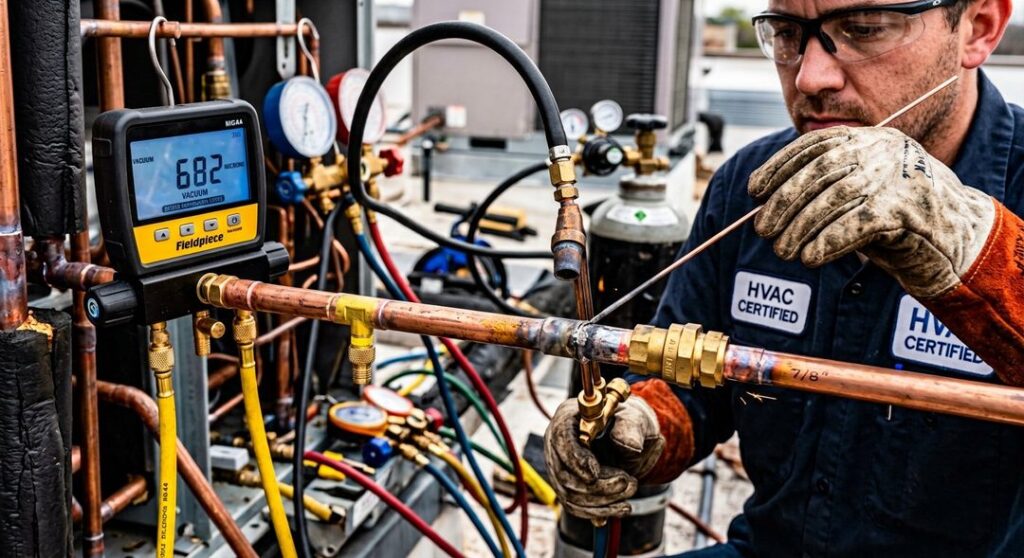
New heating and cooling equipment still requires regular maintenance. Filters, coils, electrical components, and other parts may need inspection or servicing.
A good HVAC installation should include clear maintenance guidance. Homeowners should follow manufacturer recommendations and relevant safety requirements.
Filter Maintenance
Filters can become loaded with dust and particles during operation. Excessive restriction may affect airflow.
Replacement or cleaning frequency depends on filter design and household conditions. Homeowners should follow the equipment instructions.
Outdoor Equipment Care
Leaves, vegetation, and debris can obstruct outdoor units. Suitable clearance helps maintain airflow.
Homeowners can inspect accessible surrounding areas safely. Internal servicing should remain with qualified technicians.
Professional Inspections
Qualified technicians can evaluate system operation and identify developing problems. The appropriate service interval depends on equipment and usage.
HVAC installation providers may offer maintenance plans, but homeowners should review the actual services included.
Smart HVAC Installation and Preventive Maintenance
Connected equipment may provide diagnostic information and maintenance alerts. These features can help homeowners identify certain operating problems earlier.
However, smart HVAC installation does not eliminate mechanical wear or guarantee failure prevention.
Monitoring System Performance
Some systems display operating status, error codes, or energy information. These details can help identify unusual conditions.
The information should be interpreted according to manufacturer guidance. Consumer dashboards are not substitutes for professional diagnostics.
Responding to Maintenance Alerts
Alerts may indicate required servicing or detected faults. Their urgency depends on the specific condition.
Homeowners should follow equipment instructions and contact qualified technicians when appropriate. Ignoring repeated warnings can allow problems to worsen.
HVAC Installation for Home Renovations
Renovation projects can change heating and cooling requirements. Extensions, insulation upgrades, window replacements, and new room layouts may affect system loads.
HVAC installation should reflect the completed building rather than relying entirely on previous equipment capacity.
Home Extensions
New rooms may require additional heating or cooling. Connecting them to an existing system is not always practical.
A contractor should assess whether the current equipment has sufficient capacity. Separate conditioning may sometimes be more suitable.
Loft Conversions
Converted roof spaces can experience substantial heat gains and losses. Insulation and roof design strongly influence comfort.
HVAC installation should account for these conditions. Equipment selection should follow appropriate calculations.
Basement Renovations
Basements may have distinctive temperature and humidity characteristics. Heating and cooling needs should be considered alongside moisture management.
HVAC installation cannot resolve structural water infiltration. Dampness problems should be addressed separately.
HVAC Installation and Home Sustainability
Energy consumption and refrigerant management influence the environmental impact of heating and cooling systems. Equipment choice and operation both matter.
Smart HVAC installation can support sustainability goals when the system is appropriately selected and used.
Reduce Avoidable Energy Consumption
Efficient equipment and suitable controls may reduce unnecessary energy use. Building insulation and air sealing can also influence demand.
A whole-home approach may provide better results than equipment replacement alone.
Consider Refrigerant Environmental Impact
Different refrigerants have different environmental characteristics and regulatory requirements. Leakage prevention and proper handling are important.
HVAC installation should follow current refrigerant rules. Qualified professionals must manage relevant work.
Maintain Equipment Responsibly
Suitable maintenance can help equipment remain functional and efficient. It may also reduce certain avoidable failures.
However, no maintenance program guarantees an unlimited service life. Replacement planning remains part of responsible ownership.
When Should You Replace an Existing HVAC System?
Replacement decisions should reflect condition, repair costs, efficiency, and expected reliability. Equipment age is useful information but should not determine the decision alone.
An HVAC installation contractor can assess whether repair or replacement is more appropriate.
Frequent Breakdowns
Repeated failures can increase expenses and disrupt household comfort. Repair history may indicate that continued maintenance is becoming less economical.
However, one repair does not automatically justify replacement. Compare realistic alternatives.
Poor Comfort Performance
A system that consistently struggles to maintain suitable temperatures may have capacity, distribution, or control problems.
Professional assessment should identify the cause. HVAC installation may be necessary when existing equipment cannot meet requirements.
Increasing Repair Costs
Major component replacements can be expensive, particularly when equipment is older. Parts availability may also influence decisions.
Homeowners should compare repair expenses with replacement costs and expected future operation.
Building a Long-Term HVAC Strategy
Homeowners can manage heating and cooling expenses more effectively through planned maintenance and periodic performance reviews. Waiting until equipment fails completely can limit available choices.
A long-term HVAC installation strategy considers system condition, expected replacement needs, and building improvements.
Keep Maintenance Records
Service documentation helps track repairs and recurring problems. It can also support warranty claims when applicable.
Store invoices and equipment information in an accessible location. Accurate records simplify future decisions.
Review Energy Consumption
Unexpected changes in energy use may indicate equipment issues or changes in household behavior. Weather differences should also be considered.
Energy monitoring can provide useful information, but utility bills alone do not establish the cause of higher consumption.
Plan Before Major Failure
Replacing equipment during an emergency may reduce the time available to compare options. Planned replacement allows more careful evaluation.
HVAC installation decisions are generally easier when homeowners can review several suitable proposals.
The Future of Smart HVAC Installation
Heating and cooling technology continues developing through improved efficiency, advanced controls, connected diagnostics, and heat pump innovation. These changes may provide additional options for homeowners.
However, new technology is valuable only when it addresses actual needs. Smart HVAC installation should prioritize reliable comfort and appropriate efficiency rather than unnecessary complexity.
Greater Automation
Connected controls may use schedules, occupancy information, or environmental data to adjust operation. Their effectiveness depends on configuration and system compatibility.
Homeowners should retain understandable control over their equipment. Automation should simplify operation rather than create confusion.
More Efficient Heat Pumps
Heat pump manufacturers continue developing equipment for varied climate conditions. Improved performance may expand suitable applications.
However, model-specific testing remains important. Not every new product will be appropriate for every property.
Improved Diagnostics
Modern systems may provide more detailed operating information to technicians. This can support troubleshooting and maintenance planning.
HVAC installation quality remains essential despite improved diagnostics. Technology cannot compensate for poor system design.
FAQ’s
Why is professional HVAC installation important?
Professional HVAC installation helps ensure equipment is correctly sized, connected, configured, and tested. Proper installation supports safe operation, comfort, and expected performance.
How much does HVAC installation cost?
Costs depend on system type, equipment capacity, property size, ductwork, electrical requirements, and labor. A professional site assessment provides the most reliable estimate.
Can HVAC installation reduce energy bills?
A correctly installed efficient system may reduce energy use compared with certain older equipment. Actual savings depend on climate, energy prices, insulation, and operating habits.
How long does HVAC installation take?
Installation time varies according to project complexity, equipment type, and required building modifications. Straightforward replacements generally differ from complete new installations.
What should I check before hiring an HVAC installation contractor?
Verify relevant qualifications, insurance, experience, written quotations, load calculation methods, commissioning procedures, and warranty terms.
Is smart HVAC installation worth the investment?
Smart controls can provide scheduling, monitoring, and convenience when compatible with the system. Their value depends on household needs and whether they improve actual operation.
Conclusion
HVAC installation is a long-term investment that influences home comfort, energy consumption, indoor environmental conditions, and equipment reliability. Proper sizing, suitable system selection, well-designed airflow, compatible controls, and professional commissioning all contribute to performance. Homeowners who consider these factors before purchasing can avoid common problems associated with poorly matched or incorrectly installed equipment.
The best approach combines professional HVAC installation with realistic financial planning, appropriate maintenance, and sensible system operation. Rather than choosing equipment solely by price or advertised features, homeowners should evaluate the complete installation and its expected lifetime costs. With careful preparation and qualified technical support, a well-designed heating and cooling system can provide dependable comfort and practical value for years to come.
Leave a Reply