
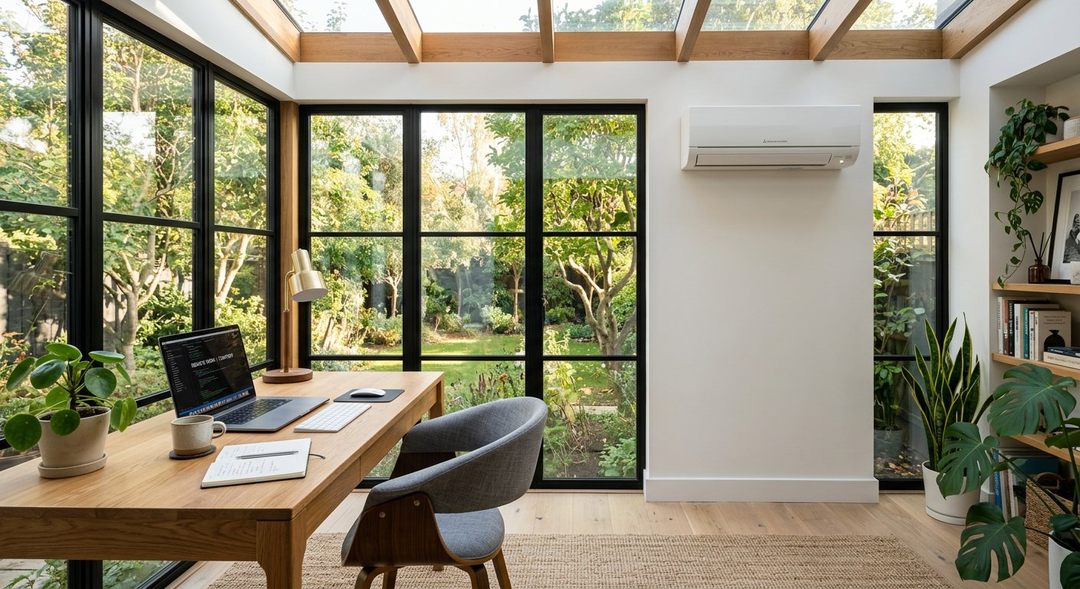
Modern Ductless Mini Splits are changing how homeowners approach heating and cooling by offering flexible temperature control without requiring traditional ductwork. These systems use an outdoor unit connected to one or more indoor units, allowing conditioned air to reach specific rooms or zones. Their compact design makes them attractive for home renovations, extensions, older properties, and spaces where installing conventional air ducts would be difficult or expensive.
However, ductless heating and cooling systems are not automatically the best choice for every home. Installation quality, equipment efficiency, local climate, insulation, room layout, and operating habits all influence performance. Understanding how ductless mini splits work can help homeowners compare available options and make informed decisions about comfort, energy consumption, and long-term maintenance.
What Are Ductless Mini Splits?
Ductless Mini Splits are heating and cooling systems that transfer heat between indoor and outdoor environments using refrigeration technology. Most modern systems operate as heat pumps, providing both cooling and heating through a reversible refrigeration cycle.
Unlike conventional central forced-air systems, ductless mini splits deliver conditioned air directly into individual rooms through indoor units. This eliminates the need for extensive air distribution ducts in the spaces served by the system.
Main Components of a Ductless System
A typical ductless mini split installation includes an outdoor unit, one or more indoor air handlers, refrigerant piping, electrical connections, and condensate drainage.
The indoor and outdoor components communicate through controls that manage temperature and system operation. The exact configuration depends on the equipment manufacturer and installation design.
How Ductless Heating and Cooling Works
During cooling operation, the system absorbs heat from indoor air and transfers it outdoors. During heating operation, a heat pump reverses the process and extracts heat from outside air.
Ductless Mini Splits use electricity to move heat rather than generating all heating energy through electrical resistance. Their efficiency depends on equipment design, outdoor conditions, and installation quality.
Why Ductless Mini Splits Are Becoming Popular
Homeowners increasingly look for heating and cooling systems that provide flexible temperature control. Traditional central systems may be difficult to install in buildings without suitable ductwork.
It can offer an alternative because they require relatively small connections between indoor and outdoor units. However, refrigerant lines, electrical work, condensate drainage, and appropriate equipment placement remain necessary.
Suitable for Homes Without Ductwork
Older homes and certain renovated properties may not have central air distribution systems. Installing ducts can require changes to ceilings, walls, or other building components.
Ductless Mini Splits may reduce the need for extensive interior modifications. A professional assessment can determine whether the building is suitable.
Flexible Room-by-Room Comfort
Different rooms can experience different temperatures because of sunlight, insulation, occupancy, and usage patterns. A single thermostat may not reflect these differences.
Ductless Mini Splits can provide independent control in appropriately designed zones. This allows occupants to adjust settings according to their needs.
Compact Indoor Equipment
Many indoor units are smaller than traditional floor-standing heating or cooling appliances. Wall-mounted models are commonly installed above normal furniture height.
However, equipment still occupies visible wall or ceiling space. Homeowners should consider appearance, airflow direction, and access for maintenance.
How Ductless Mini Splits Compare With Central HVAC
Central HVAC and ductless systems both provide heating or cooling, but they distribute conditioned air differently. Their suitability depends on the building and existing infrastructure.
Ductless Mini Splits may be practical when ductwork is unavailable or when individual rooms need separate control. Central systems may remain appropriate in homes with suitable existing ducts.
Ductwork Requirements
Central forced-air systems distribute air through ducts connected to vents. Duct leakage or poor insulation can affect energy performance.
Ductless Mini Splits avoid these particular distribution losses in the areas they serve. However, they still experience other efficiency losses associated with equipment and operation.
Temperature Zoning
Traditional single-zone systems may condition several rooms according to one thermostat. More advanced central systems can also provide zoning through suitable controls and equipment.
Ductless Mini Splits commonly offer zoning through individual indoor units. The actual flexibility depends on whether the system uses one or multiple indoor zones.
Installation Complexity
Installing a central ducted system in a home without ducts may require extensive construction. Ductless installation can sometimes be less disruptive.
However, Ductless Mini Splits still require professional electrical and refrigeration work. Installation should not be considered a simple household DIY project.
Energy Efficiency Benefits of Ductless Mini Splits
Energy efficiency is one of the main reasons homeowners consider ductless heat pumps. These systems can provide useful heating and cooling with relatively efficient electricity use.
However, It do not guarantee lower utility bills in every situation. Actual costs depend on energy prices, climate, system efficiency, insulation, and the equipment being replaced.
Heat Pump Technology
Heat pumps move thermal energy between environments. This allows suitable systems to deliver more heating energy than the electrical energy consumed under many operating conditions.
The ratio varies with temperature and equipment performance. Ductless Mini Splits generally become less efficient under more demanding conditions, although modern cold-climate models are designed for lower outdoor temperatures.
Reduced Duct Distribution Losses
Duct leakage and poorly insulated ductwork can waste energy in some central systems. Direct room conditioning avoids those particular losses.
Ductless Mini Splits still require correct refrigerant piping and equipment installation. Overall efficiency should be evaluated at the complete system level.
Inverter Technology
Many modern systems use inverter-driven compressors that adjust output according to demand. This can reduce repeated full-capacity cycling and improve part-load performance.
Ductless Mini Splits with variable-speed technology may provide more consistent temperature control. Performance depends on the specific model and operating conditions.
Understanding Mini Split Efficiency Ratings
Manufacturers use standardized ratings to describe heating and cooling efficiency. The relevant metrics depend on the country and applicable testing standards.
Ductless Mini Splits should be compared using ratings established under equivalent test conditions. A higher rating can indicate better standardized efficiency but does not guarantee a specific household bill reduction.
SEER2 Ratings
In the United States, SEER2 is a seasonal cooling efficiency metric used for relevant air conditioning and heat pump equipment. It reflects performance under defined test conditions.
When comparing this, homeowners should confirm that the ratings apply to the exact indoor and outdoor equipment combination.
HSPF2 Ratings
HSPF2 measures seasonal heating efficiency under standardized conditions for applicable equipment. It can help compare certain heat pump systems.
Actual performance varies with local weather and installation. Ductless Mini Splits should be evaluated for the climate in which they will operate.
Coefficient of Performance
Coefficient of performance, or COP, compares useful heating or cooling output with energy input under specified conditions. Heat pump COP changes with operating temperatures.
Ductless Mini Splits may achieve favorable COP values in suitable conditions. A single laboratory value does not describe performance across an entire year.
Single-Zone Ductless Mini Splits
A single-zone system connects one outdoor unit to one indoor unit. It is intended to condition a defined room or area.
Single-zone Ductless Mini Splits can be useful for bedrooms, home offices, extensions, or other spaces requiring dedicated heating and cooling.
Independent Temperature Control
A dedicated indoor unit allows the selected space to use its own temperature settings. This can be valuable when the room has different heating or cooling needs from the rest of the home.
However, the system must be correctly sized. A large open area may require a different design from a small enclosed room.
Suitable for Room Additions
New extensions may not connect conveniently to existing ductwork. A ductless system can provide an independent conditioning option.
Ductless Mini Splits should still be selected according to calculated heating and cooling loads. Room size alone is not enough.
Multi-Zone Ductless Mini Splits
Multi-zone systems connect several indoor units to a compatible outdoor unit. Each indoor unit can serve a different space or area.
Ductless Mini Splits in multi-zone configurations can reduce the need for separate outdoor units. However, connected capacity limits and simultaneous operating requirements must be considered.
Different Settings for Different Rooms
Bedrooms, living areas, and home offices may have different comfort preferences. Multi-zone systems can allow individual control where supported.
However, some systems have operating restrictions involving simultaneous heating and cooling. Homeowners should understand the exact product capabilities.
Outdoor Unit Capacity
A multi-zone outdoor unit must be selected for the connected indoor equipment and expected operating demand. Incorrect design can affect comfort and performance.
Professional load calculations are essential. Ductless Mini Splits should not be sized simply by adding arbitrary room estimates.
Where Ductless Mini Splits Work Best
Ductless systems can serve many residential applications, but equipment placement and building characteristics influence effectiveness.
Ductless Mini Splits are particularly worth considering where direct room conditioning provides practical advantages.
Bedrooms
Bedrooms often have different comfort requirements from shared living areas. Individual temperature control may be useful for sleeping comfort.
A ductless indoor unit should be positioned to avoid uncomfortable airflow across the bed. Noise ratings and room layout should also be considered.
Living Rooms
Living rooms may experience changing occupancy and solar heat gains. A suitable system can provide heating and cooling according to demand.
Ductless Mini Splits should be selected for the actual space, especially in open-plan layouts. Furniture and architectural features can affect airflow.
Home Offices
Home offices may contain computers and equipment that contribute heat. They may also be occupied during different hours from the rest of the house.
It can provide dedicated control without conditioning every room. This may be useful when the system is operated appropriately.
Garages and Converted Spaces
Garages converted into living or working areas can have different insulation and thermal characteristics from the main house.
A ductless heat pump may be suitable after the space has been properly assessed. Insulation, air sealing, ventilation, and code requirements remain important.
Ductless Mini Splits for Older Homes

Older properties may lack suitable ductwork or have architectural features that make conventional systems difficult to install. Ductless technology can provide another option.
However, older homes may also have insulation weaknesses, electrical limitations, or moisture problems. Ductless Mini Splits should be considered within a wider building assessment.
Preserving Interior Space
Installing conventional ducts may require ceiling modifications or boxed-in routes. Ductless connections can sometimes reduce these changes.
A professional installer should still plan refrigerant lines and condensate drainage carefully. Poorly positioned connections can affect appearance and maintenance.
Improving Comfort in Problem Rooms
Older homes may contain rooms that remain difficult to heat or cool. Poor insulation, air leakage, and uneven distribution can contribute.
Ductless Mini Splits may help condition specific spaces, but building-envelope problems should also be addressed where practical.
Choosing the Correct System Size
Sizing is one of the most important parts of ductless installation. Equipment capacity must match the expected heating and cooling loads.
Ductless Mini Splits that are incorrectly sized may operate inefficiently or struggle to maintain comfort. The consequences depend on the equipment and operating conditions.
BTU Capacity
Cooling and heating capacity is often expressed in British thermal units per hour. Manufacturers offer systems with different rated capacities.
A room’s floor area is only one factor. Window exposure, insulation, ceiling height, climate, and internal heat gains also matter.
Why Oversizing Can Be a Problem
An oversized system may operate inefficiently under certain conditions. Depending on design, it can also affect humidity control during cooling.
Variable-speed these can adjust output, but minimum operating capacity still matters. Professional sizing remains necessary.
Why Undersizing Can Be a Problem
A system with insufficient capacity may struggle during extreme temperatures. It may also operate near maximum output for extended periods.
Ductless Mini Splits should be sized using suitable load calculations rather than assumptions based on neighboring homes.
Professional Installation of Ductless Mini Splits
Installation quality influences efficiency, reliability, and safety. Refrigerant piping, electrical connections, mounting, and drainage all require appropriate procedures.
Ductless Mini Splits should be installed by qualified professionals according to manufacturer instructions and applicable regulations.
Indoor Unit Placement
Indoor units should be positioned to distribute air effectively and allow service access. Manufacturer clearance requirements must be followed.
A poorly positioned unit may create drafts or uneven room conditions. Installation planning should consider furniture and normal room use.
Outdoor Unit Placement
Outdoor equipment needs suitable airflow, structural support, and access for maintenance. Snow, vegetation, and other obstructions can affect operation.
Ductless Mini Splits should not be installed where drainage or noise creates avoidable problems. Local requirements may also influence placement.
Refrigerant Line Installation
Refrigerant pipes connect indoor and outdoor equipment. Their length, insulation, routing, and connections must meet manufacturer specifications.
Incorrect installation can affect performance or cause refrigerant leaks. Qualified technicians should perform the work.
Condensate Drainage
Cooling systems remove moisture from indoor air under suitable conditions. This water must be drained appropriately.
These require suitable condensate management to prevent unwanted indoor leakage. Drainage arrangements should be checked during commissioning.
Electrical Requirements for Mini Split Systems
Ductless heat pumps require electrical power for indoor and outdoor components. Circuit requirements depend on the equipment.
A qualified electrician or appropriately authorized installer should assess the installation. This must comply with applicable electrical codes.
Dedicated Circuits
Some systems require dedicated electrical circuits and specific protective devices. The exact requirements are stated in manufacturer documentation.
Homeowners should not connect equipment to unsuitable household outlets. Electrical capacity must be verified before installation.
Outdoor Disconnects
Electrical isolation arrangements may be required for safe maintenance and compliance. Their design depends on local codes.
Professional installation should include suitable electrical protection. Safety should not be compromised to reduce costs.
How Much Do Ductless Mini Splits Cost?
Costs vary according to equipment brand, capacity, efficiency, number of indoor units, installation complexity, and location.
Ductless Mini Splits should be evaluated through total installed cost rather than equipment price alone. Electrical upgrades and other building work may add expenses.
Equipment Cost
Single-zone and multi-zone systems have different equipment requirements. Advanced controls and cold-climate capabilities can also affect pricing.
A lower-priced unit may be suitable for some applications, but performance and support should be considered.
Installation Labor
Professional installation involves mounting, piping, electrical connections, drainage, and testing. Complexity varies between buildings.
Ductless Mini Splits installed across several rooms may require more labor than a single-zone system.
Additional Building Work
Some projects need electrical panel upgrades, longer refrigerant runs, or special mounting arrangements. These costs should be identified before work begins.
A detailed site assessment can reduce unexpected expenses. However, concealed building conditions may still create changes.
Can Ductless Mini Splits Lower Energy Bills?

Ductless heat pumps may reduce energy consumption compared with some older or less efficient heating and cooling systems. Actual savings depend on the equipment being replaced and how the new system operates.
Ductless Mini Splits do not guarantee lower bills in every home. Electricity prices, weather, insulation, and user settings strongly influence costs.
Comparing Against Electric Resistance Heating
Heat pumps can deliver more heating energy than their electrical input under suitable conditions. This can provide an efficiency advantage over electric resistance heaters.
However, the financial benefit depends on equipment performance and electricity pricing. Installation costs must also be considered.
Comparing Against Gas Heating
Gas heating and electric heat pumps use different energy sources and cost structures. The cheaper operating option depends on local utility prices and system efficiency.
Ductless Mini Splits should be compared using realistic seasonal calculations. Broad claims that one technology always costs less are misleading.
Using Zones Efficiently
Conditioning only occupied rooms may reduce unnecessary energy use in suitable circumstances. However, the benefit depends on building layout and heat transfer between spaces.
Ductless Mini Splits should be operated according to a sensible whole-home strategy. Extreme temperature differences between rooms may not always improve efficiency.
Heating Performance During Winter
Modern heat pumps can operate in cold weather, but heating capacity and efficiency generally change as outdoor temperatures fall.
Ductless Mini Splits should be selected for the local climate. Cold-climate models may be appropriate where winter temperatures are particularly low.
Cold-Climate Heat Pumps
Some models are specifically engineered to maintain useful heating capacity at lower outdoor temperatures. Their performance varies by manufacturer and equipment.
Homeowners should examine published capacity data at relevant temperatures. Marketing descriptions alone are insufficient.
Defrost Cycles
Outdoor coils can accumulate frost during heating operation under certain conditions. Heat pumps may periodically enter defrost mode to manage this buildup.
These can experience temporary changes in operation during defrost. This is different from a persistent equipment malfunction.
Backup Heating
Some homes may benefit from supplemental heating during extreme conditions or equipment outages. The need depends on system design and climate.
A qualified HVAC professional can assess whether backup arrangements are appropriate. Ductless Mini Splits should not be assumed capable of meeting every home’s full heating load without evaluation.
Cooling Performance During Summer
Ductless systems can provide effective cooling when correctly sized and installed. They remove heat from indoor air and may also remove moisture under suitable operating conditions.
Ductless Mini Splits should be maintained and operated according to manufacturer guidance. Performance can be affected by outdoor temperature and indoor load.
Maintaining Comfortable Temperatures
Consistent settings can help reduce unnecessary fluctuations. Many systems adjust output automatically to match demand.
Homeowners should avoid repeatedly selecting extreme thermostat settings in an attempt to cool the room instantly. The system’s operating characteristics determine how quickly temperatures change.
Humidity Control
Cooling systems can remove moisture as air passes over cold coils. However, humidity performance depends on operating conditions and system design.
These may not provide sufficient dehumidification for every building. Persistent humidity problems can require separate assessment.
Noise Levels and Indoor Comfort
Noise is an important consideration for bedrooms, offices, and quiet living spaces. Indoor and outdoor units have different sound characteristics.
Ductless Mini Splits are often designed for relatively quiet operation, but actual noise varies by model, fan speed, installation, and operating conditions.
Indoor Unit Noise
Indoor sound levels may change with airflow settings and heating or cooling demand. Manufacturers provide relevant acoustic information.
Homeowners should compare ratings under similar test conditions. A low advertised sound figure may apply only to a particular operating mode.
Outdoor Unit Noise
Outdoor units contain compressors and fans that generate sound. Placement can influence how noise affects residents and neighbors.
Ductless Mini Splits should be installed according to local noise requirements and manufacturer guidance. Vibration isolation may also matter.
Indoor Air Quality With Ductless Mini Splits
Ductless indoor units commonly contain filters that capture certain particles from recirculated room air. Filter performance varies by system.
However, most standard Ductless Mini Splits do not provide outdoor air ventilation by themselves. Fresh-air requirements must be considered separately.
Air Filtration
Filters can collect dust and other particles depending on their design. They require regular inspection and cleaning or replacement.
A ductless system should not be presented as a complete air purification solution without supporting specifications.
Ventilation Still Matters
Homes need appropriate ventilation to manage indoor pollutants and moisture. Recirculating air through a mini split does not automatically introduce outdoor air.
Ductless Mini Splits should be considered alongside the home’s existing ventilation arrangements. Additional systems may be needed.
Smart Controls and Wi-Fi Features
Some ductless systems support remote controls, smartphone applications, schedules, and integration with selected smart-home platforms.
Smart Ductless Mini Splits can provide convenience, but connected features are not essential for every household. Compatibility and privacy should be reviewed before purchase.
Remote Temperature Control
Compatible systems may allow users to change settings from a smartphone. This can be useful when household schedules vary.
However, remote access depends on network connectivity and manufacturer services. Homeowners should maintain secure account settings.
Programmable Schedules
Schedules can help coordinate heating and cooling with occupancy. Their usefulness depends on the home’s routine and system operating characteristics.
Ductless Mini Splits should not necessarily be switched off and on repeatedly without considering recovery time and comfort requirements.
Smart-Home Integration
Some manufacturers support integration with compatible home automation systems. Available features differ between products.
Check the exact model before purchasing. Ductless Mini Splits should not be assumed to work with every smart thermostat or platform.
Maintenance Requirements for Ductless Mini Splits
Regular maintenance supports airflow, performance, and equipment reliability. Manufacturer recommendations should guide the schedule.
Ductless Mini Splits have indoor filters, coils, fans, drainage components, and outdoor equipment that may require attention.
Clean or Replace Filters
Dirty filters can restrict airflow and affect performance. Many systems use washable filters, although designs vary.
Follow the manufacturer’s cleaning instructions. Ductless Mini Splits should not operate with missing or unsuitable filters.
Keep Outdoor Units Clear
Leaves, vegetation, snow, and debris can obstruct airflow around outdoor equipment. Appropriate clearance should be maintained.
Homeowners can inspect accessible surroundings safely. Internal electrical or refrigeration work should be left to qualified technicians.
Check Condensate Drainage
Blocked drainage can cause water leakage or other problems during cooling operation. The system should be inspected when unusual moisture appears.
Professional maintenance may be required for concealed drainage components. Persistent leaks should not be ignored.
Arrange Professional Servicing
Qualified technicians can inspect relevant electrical, mechanical, and refrigeration components. The appropriate service interval depends on equipment and usage.
Ductless Mini Splits should be maintained according to manufacturer guidance and applicable regulations.
Common Problems With Ductless Mini Splits
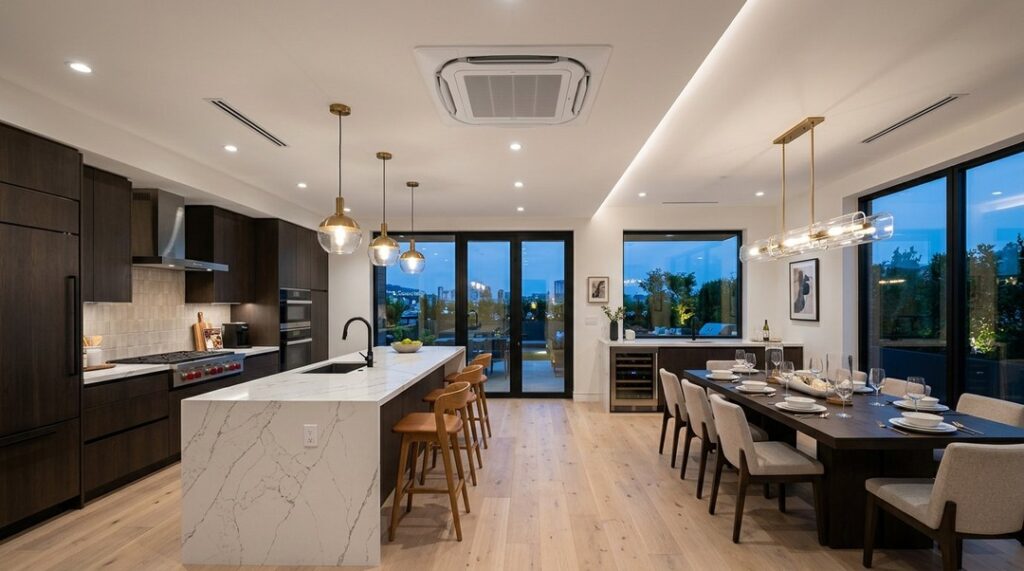
Even properly installed systems can develop faults over time. Some problems arise from maintenance needs, while others involve components or installation.
Ductless Mini Splits should be assessed when performance changes significantly. Repeatedly resetting equipment without investigating faults may delay necessary repairs.
Reduced Heating or Cooling
Poor performance can result from dirty filters, incorrect settings, refrigerant problems, or other faults. The cause should be identified before replacing components.
A qualified technician can perform appropriate diagnostics. Refrigerant should not be added without determining whether the system requires it and addressing any leak.
Water Leaks
Indoor water leakage may indicate condensate drainage problems or other issues. Continued leakage can damage walls and interior finishes.
Turn off the affected equipment when appropriate and seek professional assistance. Ductless Mini Splits should not repeatedly leak during normal operation.
Unusual Sounds
New rattling, grinding, or excessive vibration may indicate mechanical or mounting problems. The significance depends on the source.
Professional inspection is appropriate when concerning sounds persist. Avoid operating equipment that appears unsafe.
Error Codes
Many systems display fault codes through controllers or indoor units. These can help technicians identify diagnostic conditions.
The meaning of a code depends on the manufacturer and model. Homeowners should consult official documentation rather than relying on unrelated online lists.
Ductless Mini Splits and Home Renovations
Renovation projects often create opportunities to reconsider heating and cooling. New layouts, insulation upgrades, and extensions can change thermal requirements.
Ductless Mini Splits may provide useful flexibility during these projects. However, system selection should reflect the completed building design.
Room Additions
Extensions can have different heating and cooling requirements from the original house. Connecting them to an existing system may not always be practical.
A ductless unit can provide independent conditioning when appropriately designed. Professional load calculations remain essential.
Basement Conversions
Basements may experience distinct humidity and temperature conditions. A suitable heating and cooling strategy should account for these factors.
Ductless Mini Splits may provide temperature control, but persistent dampness or water infiltration requires separate treatment.
Attic Conversions
Attic spaces can experience substantial heat gains during warm weather. Roof insulation and ventilation influence comfort.
A ductless system may help condition the space, but building-envelope improvements should also be considered.
Environmental Considerations
Heat pumps can support energy-efficiency objectives in suitable applications. Their environmental impact depends on electricity sources, refrigerants, manufacturing, and operation.
Ductless Mini Splits should be evaluated using realistic system performance and applicable environmental requirements.
Electricity Consumption
Efficient heat pumps may reduce electricity use compared with resistance heating for equivalent heat delivery under suitable conditions.
However, total household energy use depends on the complete heating and cooling arrangement.
Refrigerant Management
Refrigerants have different environmental characteristics. Proper handling and leak prevention are important.
Ductless Mini Splits should be installed and serviced by qualified professionals following applicable refrigerant regulations.
Equipment Longevity
Long-lasting equipment can reduce replacement frequency, but service life depends on product quality, installation, maintenance, and operating conditions.
Homeowners should use manufacturer warranty information and service guidance when comparing systems.
How to Choose a Ductless Mini Split Installer
Installation quality is a major factor in long-term performance. Homeowners should select contractors with relevant training and experience.
A qualified installer should assess the property before recommending Ductless Mini Splits. Equipment selection should not rely solely on floor area.
Verify Qualifications
Licensing and certification requirements vary by jurisdiction. Refrigerant and electrical work may require specific authorization.
Ask for relevant credentials and insurance information. Professional documentation helps establish accountability.
Request a Detailed Assessment
The installer should consider room loads, insulation, electrical capacity, equipment locations, and drainage. A site survey provides essential information.
Ductless Mini Splits should be recommended based on this assessment. Avoid accepting unexplained capacity estimates.
Compare Written Quotations
A quotation should identify equipment models, installation scope, electrical work, controls, warranties, and relevant exclusions.
Homeowners should compare equivalent system designs rather than choosing only by price.
Questions to Ask Before Buying Ductless Mini Splits
A well-informed purchase begins with understanding the proposed equipment and installation. Homeowners should request clear answers before signing a contract.
Important questions include:
- Has a professional load calculation been completed?
- Is a single-zone or multi-zone system more suitable?
- What heating capacity is available in local winter conditions?
- Which efficiency ratings apply?
- Where will indoor units be installed?
- Where will the outdoor unit be positioned?
- Are electrical upgrades required?
- How will condensate drainage work?
- What installation work is included?
- What warranties are provided?
- What maintenance is required?
- Will backup heating be necessary?
- What noise levels should be expected?
- Are smart controls included?
These questions help compare Ductless Mini Splits using practical requirements. Clear answers also reduce misunderstandings during installation.
Common Mistakes When Choosing Ductless Mini Splits
Some homeowners select systems based on advertising or equipment price without considering the building. This can create avoidable comfort and performance problems.
Ductless Mini Splits should be evaluated as complete installed systems rather than standalone appliances.
Buying an Incorrectly Sized Unit
Improper sizing can affect efficiency and temperature control. Larger equipment is not automatically better.
Professional load calculations help identify suitable capacity.
Ignoring Insulation Problems
Poor insulation and air leakage can increase heating and cooling demand. Installing new equipment may not resolve every comfort issue.
Building improvements can sometimes reduce the required system capacity.
Choosing Poor Indoor Unit Locations
Incorrect placement can create drafts or uneven coverage. Furniture may also interfere with airflow.
Ductless Mini Splits should be positioned according to room layout and manufacturer guidance.
Neglecting Maintenance
Dirty filters and blocked drainage can affect performance. Routine care is part of ownership.
Homeowners should understand maintenance responsibilities before purchasing.
Comparing Price Alone
A low quotation may exclude electrical work, drainage, or other necessary services. Equipment specifications can also differ.
Compare complete installation packages and expected operating costs.
Are Ductless Mini Splits Worth the Investment?
Ductless systems can be valuable when a home needs flexible room conditioning, lacks suitable ductwork, or has specific heating and cooling challenges.
However, Ductless Mini Splits are not automatically the most economical choice for every property. Installation costs, climate, utility prices, and existing systems influence value.
Long-Term Comfort Benefits
Individual temperature control can help occupants manage rooms with different comfort needs. This flexibility may improve everyday convenience.
Actual results depend on system design and operation. A poorly sized system can still produce uncomfortable conditions.
Potential Energy Savings
High-efficiency heat pumps may reduce energy consumption compared with certain older systems. The financial benefit depends on real operating conditions.
Ductless Mini Splits should be evaluated through realistic seasonal cost comparisons.
Reduced Need for Ductwork
Avoiding extensive duct installation can simplify some renovation projects. This may reduce certain construction requirements.
However, refrigerant piping, electrical connections, and drainage still require professional installation.
FAQ’s
What are Ductless Mini Splits?
Ductless Mini Splits are heating and cooling systems that connect outdoor equipment to one or more indoor units without using traditional air distribution ducts in the conditioned spaces.
Are Ductless Mini Splits energy efficient?
Many ductless heat pumps provide efficient heating and cooling, particularly when correctly sized and installed. Actual performance depends on climate, equipment ratings, and operating conditions.
Can Ductless Mini Splits heat a home in winter?
Yes, suitable heat pump models can provide winter heating. Capacity and efficiency vary with outdoor temperature, making climate-specific equipment selection important.
How much do Ductless Mini Splits cost?
Costs depend on equipment capacity, number of indoor units, installation complexity, electrical work, and location. A professional assessment provides the most reliable estimate.
Do Ductless Mini Splits require maintenance?
Yes. Filters, coils, outdoor equipment, and condensate drainage require appropriate inspection and maintenance according to manufacturer guidance.
Can Ductless Mini Splits replace central heating and cooling?
They can serve as primary heating and cooling in suitable homes when properly designed. Some properties may require additional systems or backup heating.
Conclusion
Ductless Mini Splits offer a flexible approach to residential heating and cooling by delivering conditioned air directly into selected rooms or zones. Their compact equipment, variable-speed technology, and potential efficiency advantages make them worth considering for renovations, extensions, older homes, and properties without conventional ductwork. However, comfort and operating costs depend on correct sizing, installation quality, climate suitability, and ongoing maintenance.
The best decision begins with a professional assessment of the home’s actual requirements. Homeowners should compare Ductless Mini Splits using relevant efficiency ratings, installed costs, heating capacity, noise levels, warranty terms, and maintenance needs rather than advertising claims alone. With appropriate design and responsible operation, a ductless system can provide dependable heating and cooling while giving households greater control over their indoor environment.
Leave a Reply