
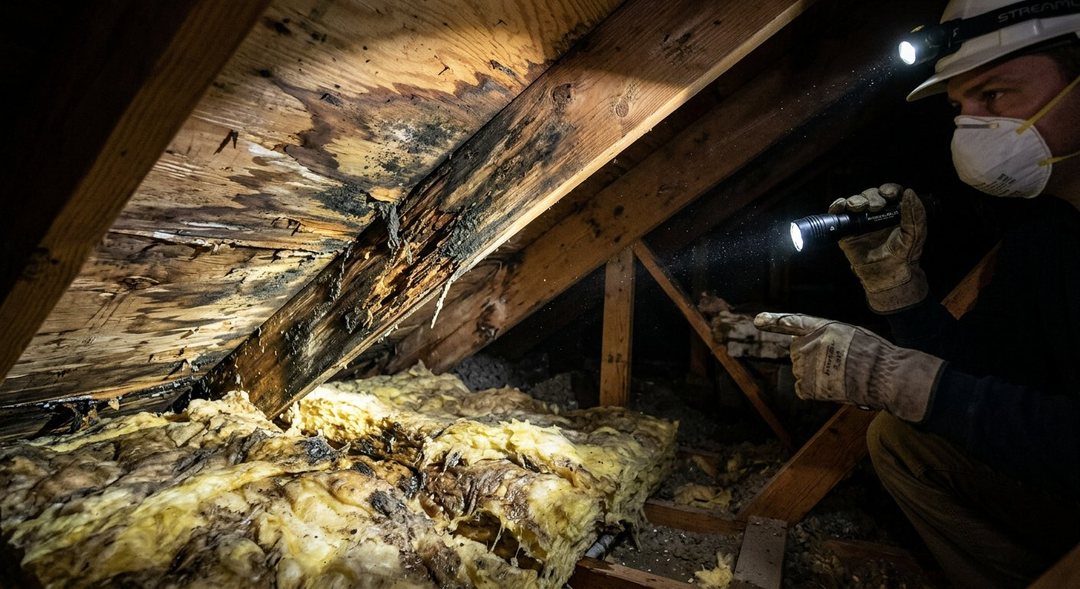
A roof is one of the most important protective components of any home, yet minor roofing problems are often overlooked until visible damage appears indoors. A missing shingle, damaged flashing, or small leak may seem manageable at first, but water can travel through roofing layers and affect insulation, ceilings, walls, and structural materials. Timely Roof Repair helps address these vulnerabilities before they develop into more complicated and expensive property maintenance problems.
However, the consequences of delaying Roof Repair are not always immediate or obvious. Moisture can accumulate in concealed areas, damaged materials may deteriorate further, and seasonal weather can expose existing weaknesses. Understanding common warning signs, repair costs, professional inspection methods, and preventive maintenance strategies can help homeowners make informed decisions while protecting their property and avoiding unnecessary financial risks.
What Is Roof Repair?
Roof Repair involves identifying and correcting damage or defects affecting a roofing system.
The work may include replacing damaged shingles, repairing flashing, sealing appropriate penetrations, addressing leaks, or restoring localized sections of roofing materials.
However, the correct method depends on the roof type, condition, and cause of the problem.
A roof is made up of several interconnected components.
These may include the outer covering, underlayment, flashing, decking, ventilation elements, drainage features, and structural supports.
Consequently, effective Roof Repair requires understanding how these parts work together to keep water away from the building.
Common Types of Roof Repair
Residential roofing repairs may involve:
- Replacing missing or damaged shingles.
- Repairing roof flashing.
- Addressing leaks around roof penetrations.
- Replacing localized damaged decking.
- Repairing selected tile or metal roof sections.
- Correcting certain drainage problems.
- Repairing damaged roof valleys.
- Addressing storm-related defects.
- Replacing deteriorated roofing accessories.
- Repairing localized roof membrane damage.
Not every roofing problem can be corrected through a small repair.
Extensive deterioration may require larger restoration work or complete replacement.
Why Roof Repair Should Never Be Ignored
Roofing problems can worsen when exposed to repeated rain, wind, sunlight, and temperature changes.
However, deterioration rates vary according to roof materials, climate, and the original damage.
A small defect may remain relatively stable for a period.
Alternatively, heavy rainfall or strong winds may expose a vulnerable area quickly.
Therefore, homeowners should avoid assuming that a minor visible problem is harmless.
The Hidden Nature of Roof Damage
Water does not always appear directly beneath the point where it enters a roof.
Instead, moisture may travel along rafters, underlayment, or other building materials.
As a result, a ceiling stain may appear some distance from the original defect.
This makes professional diagnosis important.
Simply sealing the area above an indoor stain may fail to address the actual source.
Why Early Inspections Matter
A qualified roofing contractor can assess visible damage and identify areas requiring closer examination.
Early evaluation may reduce the chance of further deterioration.
Nevertheless, no inspection can guarantee that every concealed problem will be discovered without additional investigation.
7 Costly Mistakes Homeowners Make With Roof Repair
Understanding common roofing mistakes can help homeowners avoid unnecessary damage and expenses.
1. Ignoring Small Roof Leaks
A small leak may seem insignificant when only a few drops appear during heavy rain.
However, repeated moisture exposure can affect building materials.
Water may damage insulation, stain ceilings, and contribute to deterioration of certain wood components.
Why Small Leaks Can Become Expensive
Roof leaks do not always remain confined to one area.
Moisture can spread through porous materials.
Additionally, repeated wetting may reduce the effectiveness of some insulation products.
If the leak continues, interior repairs may become necessary alongside the original roofing work.
Therefore, Roof Repair should focus on identifying and correcting the source rather than simply covering visible damage.
2. Delaying Replacement of Damaged Shingles
Asphalt shingles protect the underlying roofing layers from weather exposure.
Cracked, missing, or displaced shingles may leave vulnerable areas exposed.
However, not every cosmetic imperfection requires immediate replacement.
A professional inspection can determine whether damage affects the roof’s protective function.
Common Shingle Problems
Typical issues include:
- Missing shingles.
- Cracked or torn material.
- Wind-lifted sections.
- Exposed fasteners.
- Damaged seal strips.
- Localized impact damage.
- Advanced material deterioration.
Replacing individual shingles may be possible when surrounding materials remain serviceable.
Nevertheless, extensive deterioration can make localized Roof Repair less practical.
3. Overlooking Damaged Roof Flashing
Flashing directs water away from vulnerable roof intersections.
It is commonly installed around chimneys, skylights, vents, walls, and roof valleys.
When flashing becomes loose, corroded, or incorrectly installed, water may enter the roofing system.
Why Flashing Matters
Roof penetrations interrupt the continuity of the outer roofing surface.
Consequently, these areas require carefully designed water-management details.
Improper flashing repairs may temporarily conceal symptoms without correcting the defect.
Qualified contractors should assess the relevant components and use compatible materials.
4. Attempting Unsafe DIY Roof Repairs
Roofing work presents significant fall hazards.
Even a relatively low roof can be dangerous, particularly when surfaces are wet, steep, or unstable.
Homeowners may also encounter electrical hazards, damaged decking, and unfamiliar roofing materials.
Why Professional Assistance Is Important
Qualified roofing contractors have training and equipment appropriate to their work.
However, homeowners should still verify contractor qualifications and safety practices.
Attempting Roof Repair without suitable experience may cause personal injury or additional roof damage.
Therefore, technical roof work is best left to appropriately trained professionals.
5. Ignoring Gutter and Drainage Problems
Gutters and downspouts help direct roof runoff away from the building.
When drainage systems become blocked or damaged, water may overflow.
Depending on the property, this can affect fascia boards, walls, and foundations.
Signs of Drainage Problems
Common indicators include:
- Overflowing gutters.
- Detached gutter sections.
- Water staining near roof edges.
- Debris accumulation.
- Downspouts discharging near foundations.
- Visible corrosion or damage.
However, gutter problems do not automatically indicate a defect in the roof covering.
A proper assessment should identify the actual source of water-related concerns.
6. Choosing Roof Repair Based Only on Price
Repair quotations can vary significantly.
However, the cheapest estimate does not necessarily include the same work as a more expensive proposal.
Differences may involve materials, preparation, warranties, access equipment, or the extent of repairs.
Compare the Complete Scope
A useful quotation should identify:
- The problem being addressed.
- Proposed repair methods.
- Materials to be used.
- Areas included in the work.
- Estimated labor requirements.
- Relevant warranty terms.
- Additional charges or exclusions.
Comparing these details helps homeowners evaluate value rather than headline pricing alone.
7. Skipping Preventive Roof Maintenance
Roofing systems are continuously exposed to environmental conditions.
Over time, debris, weather, and material aging can create maintenance needs.
Routine inspections may identify visible problems before they worsen.
However, maintenance does not make a roof immune to storms or normal deterioration.
Why Maintenance Supports Roof Longevity
Appropriate maintenance can help identify damaged flashing, drainage restrictions, and localized defects.
Additionally, keeping gutters functional may reduce certain moisture-related problems.
The objective is to preserve the roof’s intended performance without unnecessary work.
Common Warning Signs That Your Roof Needs Repair
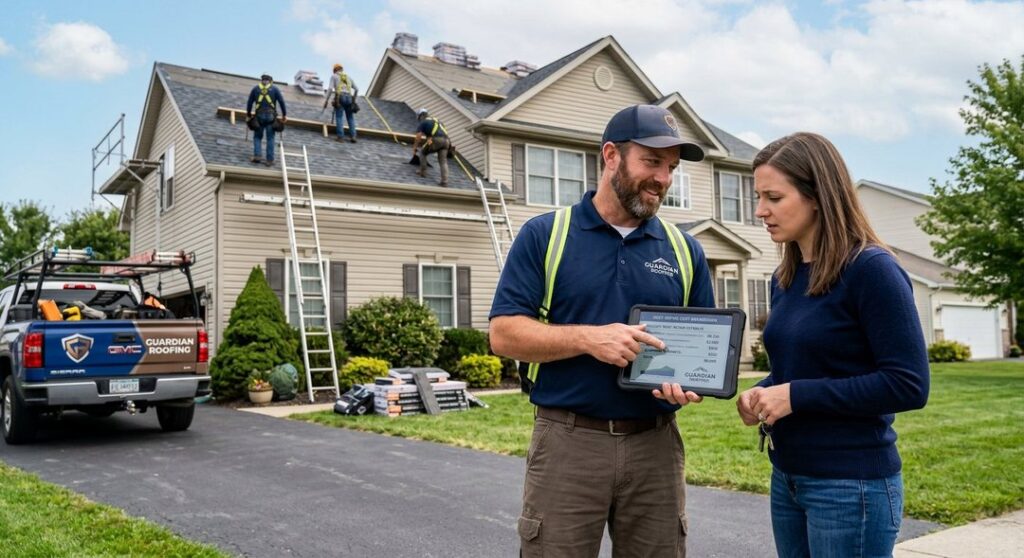
Roofing problems can produce different symptoms depending on their location and severity.
Water Stains on Ceilings
Brown or yellow ceiling stains may indicate moisture intrusion.
However, plumbing leaks and condensation can produce similar symptoms.
Therefore, the source should be investigated before assuming Roof Repair is required.
Missing or Damaged Shingles
Visible gaps or damaged sections may expose underlying materials.
Professional evaluation can determine the necessary response.
Granules in Gutters
Asphalt shingles contain protective granules.
Some granule loss can occur through normal aging.
However, substantial or unusual loss may indicate deterioration.
Damaged Flashing
Loose or visibly deteriorated flashing may create potential water entry points.
Sagging Roof Areas
A visibly sagging roof can indicate serious structural or material concerns.
Homeowners should avoid entering unsafe areas and seek professional evaluation promptly.
Interior Dampness
Persistent moisture near rooflines may indicate a roofing, ventilation, or condensation issue.
Correct diagnosis is essential.
How Much Does Roof Repair Cost in 2026?
Roof Repair costs depend on the roofing material, damage severity, roof accessibility, location, and required labor.
Small localized repairs may cost considerably less than extensive structural work.
Illustrative U.S. Roof Repair Cost Ranges
The following figures are broad budgeting estimates rather than verified current market quotations.
| Repair Type | Illustrative Cost Range |
|---|---|
| Minor shingle repair | $150–$600 |
| Localized roof leak repair | $300–$1,200 |
| Flashing repair | $300–$1,500 |
| Roof vent repair | $200–$800 |
| Small decking repair | $500–$2,000 |
| Tile roof repair | $400–$2,000+ |
| Major localized repair | $1,000–$5,000+ |
Actual costs may fall outside these estimates.
Additionally, emergency work and difficult roof access can increase expenses.
What Influences Roof Repair Pricing?
Important factors include:
- Roofing material.
- Roof pitch.
- Height and accessibility.
- Extent of damage.
- Required replacement materials.
- Labor rates.
- Weather conditions.
- Permit requirements.
- Underlying structural problems.
- Emergency scheduling.
A professional inspection is usually necessary for an accurate quotation.
Roof Repair vs Roof Replacement
Repair and replacement are different approaches to addressing roofing problems.
| Factor | Roof Repair | Roof Replacement |
|---|---|---|
| Main purpose | Correct localized defects | Replace most or all roof covering |
| Initial cost | Often lower | Usually higher |
| Project duration | Generally shorter | Usually longer |
| Suitable condition | Limited damage | Extensive deterioration |
| Material requirements | Localized replacement | Broad material replacement |
| Long-term value | Depends on remaining roof condition | Provides a new roofing system |
| Main limitation | Cannot correct widespread failure | Greater initial investment |
Neither option is automatically better.
The decision depends on the roof’s condition, remaining service life, and extent of damage.
When Is Roof Repair Better Than Replacement?
Localized repairs may be appropriate when most of the roofing system remains in satisfactory condition.
Limited Storm Damage
A small number of damaged shingles may be replaceable.
However, hidden damage should be evaluated.
Isolated Flashing Problems
Certain flashing defects can be corrected without replacing the entire roof.
Relatively New Roofing Systems
A newer roof with localized damage may benefit from targeted repair.
Nevertheless, the original installation quality matters.
Minor Material Defects
Some defects can be repaired using compatible materials.
A contractor should confirm whether the proposed method is appropriate.
When Should You Consider Roof Replacement?
Replacement may be appropriate when repairs cannot restore dependable protection.
Widespread Deterioration
Extensive material failure may make repeated repairs uneconomical.
Recurring Leaks
Multiple leaks can indicate broader roofing problems.
However, recurring leaks should still be diagnosed carefully.
Structural Damage
Significant decking or support damage may require extensive work.
End of Service Life
Roof materials have different expected lifespans.
However, age alone does not establish failure.
Repeated Repair Expenses
Frequent repairs can become costly.
A complete financial comparison should consider future maintenance needs.
Types of Roof Repair by Roofing Material
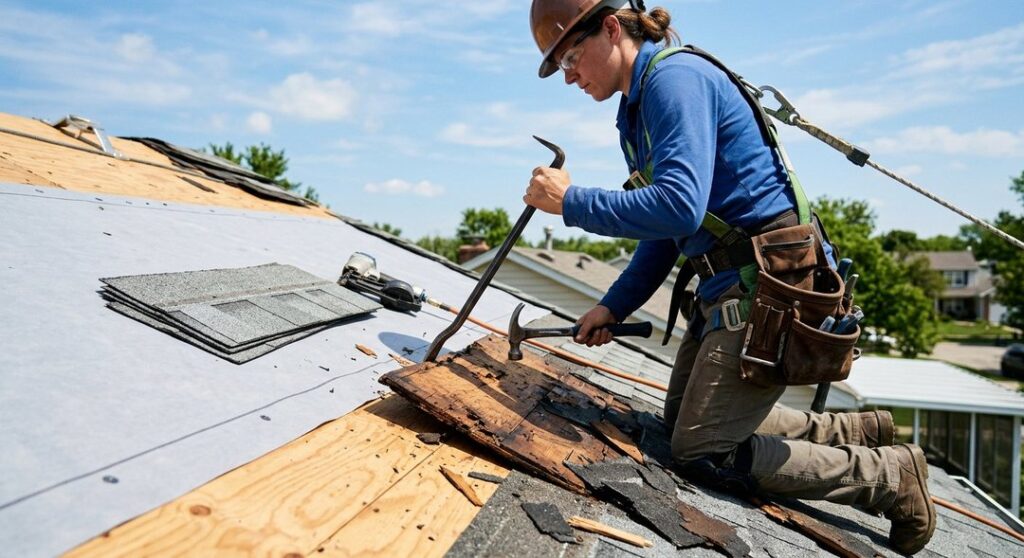
Different roof coverings require different repair methods.
Asphalt Shingle Roof Repair
Asphalt shingles are common in many U.S. residential buildings.
Repairs may involve replacing damaged shingles or correcting flashing details.
However, surrounding material condition affects feasibility.
Metal Roof Repair
Metal roofing systems may experience problems involving fasteners, seams, flashing, or corrosion.
The correct method depends on the roof design.
Tile Roof Repair
Clay and concrete tiles can crack or become displaced.
However, walking on tiles can cause additional breakage.
Specialist handling may be necessary.
Flat Roof Repair
Flat and low-slope roofing systems use various membranes and drainage designs.
Repairs must be compatible with the installed material.
Slate Roof Repair
Slate roofing can have a long service life when properly maintained.
However, damaged slates require appropriate replacement techniques.
Experienced contractors should handle specialist slate work.
How Professional Roof Repair Works
A professional repair process generally involves several stages.
Step 1. Initial Inspection
The contractor evaluates accessible areas and visible symptoms.
Step 2. Damage Assessment
The roofer identifies likely causes and the extent of necessary work.
Step 3. Repair Recommendation
The contractor explains available options.
Step 4. Written Quotation
The proposal should outline the work and materials.
Step 5. Safety Preparation
Appropriate access and fall-protection measures are established.
Step 6. Repair Work
Qualified workers complete the agreed repairs.
Step 7. Final Inspection
The repaired area is reviewed.
However, the exact testing process depends on the roof and repair type.
What Happens When Roof Leaks Are Ignored?
Water intrusion can affect several parts of a building.
Ceiling Damage
Moisture may stain or weaken certain ceiling materials.
Insulation Problems
Wet insulation can lose thermal effectiveness.
Some materials may require replacement.
Wood Deterioration
Repeated moisture exposure can contribute to decay in vulnerable wood components.
Mold Growth
Persistent moisture can create conditions suitable for mold growth.
However, mold occurrence depends on several environmental factors.
Electrical Hazards
Water near electrical components can create serious risks.
If electrical systems are affected, appropriate professional assistance is necessary.
Interior Repair Costs
A roof leak may eventually require repairs to ceilings, walls, or insulation.
Consequently, delaying Roof Repair can increase the overall scope of work.
Roof Repair After Storm Damage
Storms can affect roofs through wind, hail, falling debris, and heavy rainfall.
Wind Damage
Strong winds may lift or remove shingles.
Hail Damage
Hail can affect certain roofing materials.
However, not every visible mark indicates functional damage.
Falling Branches
Branches may damage roof coverings or structural components.
Heavy Rainfall
Rain may reveal existing defects.
What to Do After a Storm
Homeowners should inspect from a safe location.
Avoid climbing onto damaged roofs.
Photographs taken from the ground may help document visible concerns.
Contact a qualified contractor when professional assessment is necessary.
Roof Repair and Home Insurance
Insurance coverage depends on the policy and cause of damage.
Some policies cover certain sudden events, such as qualifying storm damage.
However, ordinary wear, neglected maintenance, and gradual deterioration may be excluded.
Review Your Policy
Understand deductibles, exclusions, and reporting requirements.
Document Damage
Photographs and relevant records may support a claim.
Avoid Assuming Coverage
A contractor’s opinion does not replace the insurer’s coverage determination.
Understand Claim Procedures
Follow the insurer’s instructions and applicable deadlines.
Be Cautious With Contractors
Avoid signing unclear agreements or authorizing unnecessary work.
How to Choose a Reliable Roof Repair Contractor
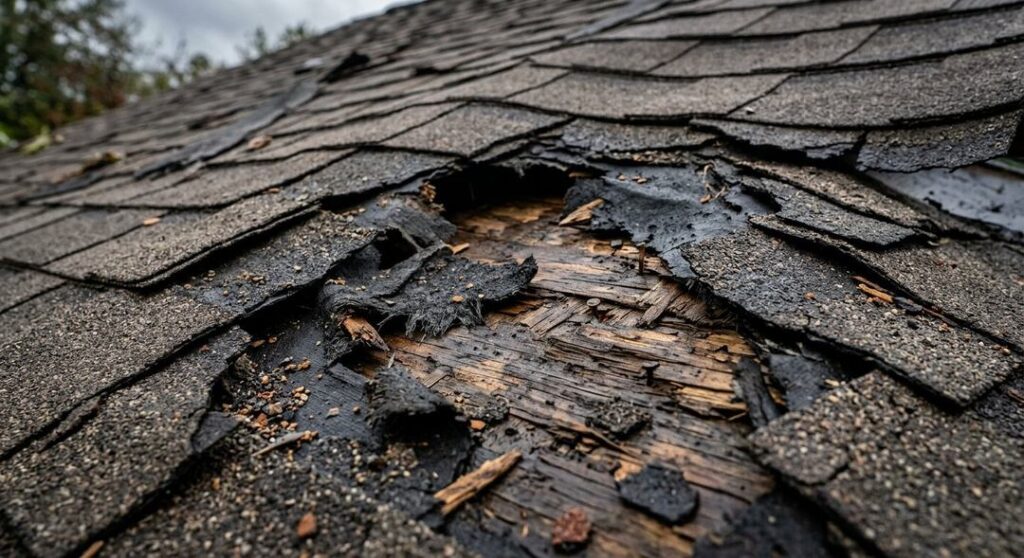
Selecting a qualified contractor is important for safety and workmanship.
Verify Licensing
Requirements vary by state and locality.
Check Insurance
Ask about appropriate liability and workers’ compensation coverage where applicable.
Review Experience
Experience with your roof material is valuable.
Request Written Estimates
A detailed scope helps prevent misunderstandings.
Understand Warranties
Material and workmanship warranties may differ.
Check Customer Reviews
Look for consistent patterns across several sources.
Avoid High-Pressure Sales
A professional contractor should explain recommendations clearly.
Common Roof Repair Scams to Avoid
Homeowners should remain cautious, particularly after severe weather.
Unsolicited Emergency Offers
Some legitimate contractors approach storm-affected communities.
However, homeowners should verify business credentials before hiring.
Large Upfront Payments
Payment arrangements vary.
Nevertheless, unusually large deposits without clear contractual protections may create risk.
Insurance Fraud Suggestions
Avoid contractors encouraging false claims or deductible misrepresentation.
Vague Contracts
Written agreements should identify work, pricing, and relevant terms.
Unverified Credentials
Check licensing and insurance independently where possible.
Preventive Roof Maintenance Checklist
Regular maintenance can help identify visible concerns.
Inspect From the Ground
Look for missing materials or obvious damage.
Check Gutters
Remove debris safely or hire appropriate assistance.
Monitor Interior Stains
Investigate new moisture marks.
Review Attic Conditions
Look for unusual moisture where access is safe.
Maintain Nearby Trees
Qualified professionals should address hazardous branches.
Schedule Professional Inspections
Inspection frequency depends on roof condition, climate, and manufacturer recommendations.
Keep Maintenance Records
Documentation may be useful for future repairs.
How Roof Ventilation Affects Roof Performance
Roof ventilation can influence attic temperature and moisture management.
However, ventilation requirements vary by building design and climate.
Moisture Control
Appropriate ventilation may help manage moisture in certain attic configurations.
Temperature Management
Ventilation can influence attic conditions.
However, energy savings are not guaranteed.
Insulation Interaction
Insulation and air sealing also affect building performance.
A comprehensive assessment should consider all relevant factors.
Avoid Unplanned Modifications
Adding vents without understanding the roof system can create problems.
Professional evaluation is recommended.
DIY Roof Inspection vs Professional Roof Repair
Homeowners can monitor visible roof conditions without climbing.
However, technical inspection and repair require appropriate safety measures.
| Task | Homeowner Observation | Professional Roofer |
|---|---|---|
| Ground-level visual check | Usually appropriate | Available |
| Monitoring ceiling stains | Appropriate | Can investigate |
| Gutter observation | Appropriate from safe areas | Available |
| Walking on the roof | Not recommended | Trained professionals |
| Flashing repair | Not recommended | Qualified contractor |
| Structural assessment | Not appropriate | Relevant qualified specialist |
| Roof material replacement | Not recommended | Qualified contractor |
Safety should remain the priority.
Is Roof Repair Worth the Cost?
Roof Repair can be worthwhile when it restores the roof’s protective function and prevents further deterioration.
However, the financial value depends on roof condition and repair effectiveness.
When Repair Provides Value
Localized problems on otherwise serviceable roofs may be economical to address.
When Repair May Be Inefficient
Repeated patching of a widely deteriorated roof may create ongoing costs.
Consider Long-Term Ownership
Homeowners planning to remain in the property may prioritize durable solutions.
Compare Complete Costs
Include repair expenses, potential future work, and the remaining roof service life.
The Future of Roof Repair and Inspection
Roofing technology continues to evolve.
Drone Inspections
Some contractors use drones to document accessible roof areas.
However, drone images may not reveal concealed damage.
Digital Inspection Reports
Photographs and electronic reports can improve documentation.
Advanced Roofing Materials
Manufacturers continue developing materials with different durability and performance characteristics.
Moisture Detection Tools
Specialist equipment may help investigate certain moisture problems.
However, readings require professional interpretation.
Sustainable Roofing Practices
Recycling and material recovery may reduce some waste.
Availability depends on roofing material and local facilities.
FAQ’s
1. How Much Does Roof Repair Cost?
Roof Repair costs vary by material, damage severity, and accessibility. Minor repairs may cost a few hundred dollars, while extensive work can cost several thousand.
2. What Happens if You Ignore a Roof Leak?
An unresolved leak may damage ceilings, insulation, walls, and structural materials. Continued moisture can also create conditions suitable for mold growth.
3. Should I Repair or Replace My Roof?
Roof Repair may be suitable for localized damage, while widespread deterioration may justify replacement. A professional assessment can help determine the best option.
4. How Long Does Roof Repair Take?
Project duration depends on damage severity, roof type, weather, and access. Small repairs may be completed relatively quickly, while extensive work requires more time.
5. Does Homeowners Insurance Cover Roof Repair?
Insurance may cover certain sudden events, such as qualifying storm damage. Coverage depends on policy terms, exclusions, and the cause of damage.
6. Can I Perform Roof Repair Myself?
Roof work presents serious fall and safety hazards. Professional repair is generally the safer choice, especially for leaks, flashing, and structural concerns.
Conclusion
Timely Roof Repair plays an important role in protecting homes from water intrusion, material deterioration, and avoidable maintenance expenses. Small roofing defects may appear harmless initially, but repeated weather exposure can allow moisture to affect insulation, ceilings, walls, and structural components. However, not every visible problem requires a complete roof replacement. A qualified inspection can help distinguish localized damage from widespread deterioration and identify an appropriate repair strategy. Addressing problems early may reduce additional damage while preserving the remaining useful life of the roofing system.
The most practical approach to Roof Repair involves regular monitoring, professional diagnosis, transparent quotations, and appropriate maintenance. Homeowners should avoid unsafe DIY work, verify contractor qualifications, and understand insurance and warranty conditions before authorizing repairs. Additionally, keeping gutters functional and investigating moisture concerns promptly can help reduce unnecessary risks. By treating roofing maintenance as an essential part of property ownership, homeowners can make informed decisions that support long-term protection, safety, and financial planning.
Leave a Reply