

A comfortable home depends on more than a thermostat displaying the right temperature. Heating and cooling equipment must operate efficiently, distribute air properly, manage indoor humidity, and respond reliably as outdoor conditions change. When these systems develop problems, homeowners may notice uneven temperatures, unusual noises, rising energy bills, or reduced airflow. Professional HVAC Services help identify these concerns, maintain essential components, and support dependable heating and cooling performance throughout the year.
However, the true value of HVAC Services extends beyond emergency repairs. Qualified technicians can evaluate equipment efficiency, inspect airflow, identify maintenance needs, and recommend improvements based on the property’s actual requirements. Understanding what professional heating, ventilation, and air conditioning services include can help homeowners avoid unnecessary expenses, make informed equipment decisions, and maintain a safer, more comfortable indoor environment.
What Are HVAC Services?
HVAC Services include professional activities related to heating, ventilation, and air conditioning systems.
These services generally involve installation, inspection, maintenance, diagnosis, repair, and replacement of residential or commercial climate-control equipment.
HVAC professionals may work with furnaces, air conditioners, heat pumps, ductwork, thermostats, ventilation systems, and selected indoor air quality equipment.
However, the exact services offered depend on the contractor’s qualifications and business capabilities.
What Does HVAC Stand For?
HVAC stands for Heating, Ventilation, and Air Conditioning.
Each component performs a different function.
Heating systems help maintain comfortable indoor temperatures during cold weather.
Ventilation supports air exchange and the removal of certain indoor pollutants.
Air conditioning removes heat from indoor spaces and may also reduce humidity.
Together, these systems contribute to indoor environmental comfort.
Why Professional HVAC Care Matters
Heating and cooling equipment contains electrical, mechanical, and sometimes combustion-related components.
Improper installation or maintenance can affect performance and create safety concerns.
Therefore, technical work should be performed by appropriately qualified professionals.
Additionally, professional inspections can help identify developing problems before they become more serious.
However, maintenance cannot guarantee that equipment will never fail.
7 Powerful Benefits of Professional HVAC Services
Professional HVAC Services can support several important aspects of home comfort and equipment performance.
1. More Reliable Heating and Cooling
Reliable temperature control is one of the main reasons homeowners seek HVAC assistance.
During summer, air conditioning systems remove heat from indoor spaces.
Meanwhile, furnaces and heat pumps provide heating during colder periods.
A properly maintained system should respond to thermostat settings and operate according to its intended design.
Common Causes of Unreliable Performance
Several issues can interfere with heating and cooling.
- Dirty air filters.
- Restricted airflow.
- Thermostat problems.
- Electrical faults.
- Refrigerant-related issues.
- Worn mechanical components.
- Inadequate ductwork.
- Incorrect equipment sizing.
A professional diagnosis helps determine the actual cause.
Consequently, homeowners can avoid replacing expensive components unnecessarily.
2. Improved Energy Efficiency
Heating and cooling can represent a substantial portion of household energy use.
However, the exact amount depends on climate, building characteristics, and occupant behavior.
Professional HVAC Services may help restore equipment performance when maintenance problems reduce efficiency.
For example, restricted airflow can make certain systems operate less effectively.
Similarly, neglected components may increase energy consumption.
Why Efficiency Depends on More Than Equipment
A high-efficiency system does not automatically guarantee low utility bills.
Real-world performance depends on installation quality, thermostat settings, insulation, and maintenance.
Therefore, homeowners should evaluate the complete building rather than focusing exclusively on equipment ratings.
3. Better Indoor Air Quality Management
Indoor air quality is influenced by ventilation, filtration, moisture, and pollutant sources.
HVAC equipment can affect how air moves through a home.
However, ordinary heating and cooling systems do not automatically remove every indoor contaminant.
Professional HVAC Services may include evaluating filter compatibility, airflow, and ventilation equipment.
Common Indoor Air Quality Concerns
Homes may contain:
- Household dust.
- Pollen.
- Pet dander.
- Cooking-related particles.
- Moisture.
- Certain chemical pollutants.
- Combustion byproducts.
- Outdoor pollutants entering the building.
The appropriate solution depends on the source.
For example, a moisture problem caused by a leaking pipe requires repair rather than simply installing a stronger air filter.
4. Early Detection of Equipment Problems
Mechanical systems experience wear during operation.
Professional inspections can identify certain problems before they cause complete failure.
For example, technicians may notice damaged electrical connections, restricted drainage, or abnormal operating conditions.
Addressing these concerns early may prevent additional damage.
However, not every breakdown can be predicted.
Why Preventive Inspections Matter
Routine inspections provide opportunities to assess equipment condition.
They can also help homeowners plan for future repairs.
Consequently, unexpected replacement decisions may become less common.
Nevertheless, the actual benefit depends on inspection quality and equipment condition.
5. Longer Equipment Service Life
Proper maintenance may help heating and cooling equipment remain operational for longer.
Dirty components, poor airflow, and unresolved mechanical problems can contribute to unnecessary wear.
Professional HVAC Services can address certain maintenance-related issues.
However, equipment lifespan also depends on manufacturing quality, usage, climate, and installation.
No maintenance program can guarantee a specific service life.
6. Improved Indoor Comfort
Comfort involves more than temperature alone.
Humidity, airflow, noise, and room-to-room temperature differences can influence how a home feels.
Professional HVAC Services may help identify causes of discomfort.
For example, inadequate duct balancing can contribute to uneven temperatures.
Meanwhile, excessive humidity may indicate cooling performance or ventilation issues.
A comprehensive assessment considers the building and equipment together.
7. Safer System Operation
Safety is particularly important for fuel-burning heating systems.
Furnaces and other combustion appliances require appropriate venting and operating conditions.
Malfunctioning equipment can create hazards, including carbon monoxide exposure.
Additionally, electrical faults can present fire or shock risks.
Qualified HVAC professionals can perform relevant safety inspections.
Homeowners should also maintain appropriate carbon monoxide alarms where recommended or required.
Different Types of HVAC Services for Homes
Residential HVAC work includes several service categories.
HVAC Installation
Installation involves selecting and connecting new equipment.
Proper sizing and configuration are essential.
A qualified contractor should evaluate the building’s heating and cooling needs before recommending equipment.
HVAC Repair
Repair services address specific faults.
Examples include malfunctioning controls, worn components, and airflow problems.
The appropriate repair depends on diagnosis.
HVAC Maintenance
Maintenance involves routine inspection and servicing.
Tasks vary according to equipment type and manufacturer instructions.
HVAC Replacement
Replacement may be appropriate when equipment becomes unreliable, inefficient, or uneconomical to repair.
However, age alone should not determine the decision.
Emergency HVAC Services
Emergency assistance may be necessary during significant heating or cooling failures.
For example, loss of heating during extreme cold can create safety concerns.
However, emergency availability varies between contractors.
HVAC Services for Air Conditioning Systems
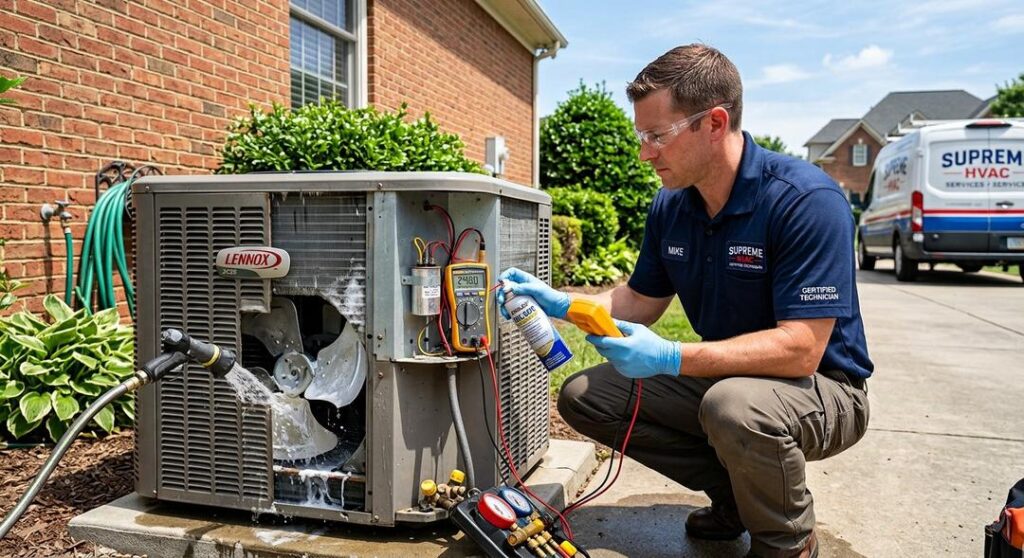
Air conditioning systems require appropriate maintenance to support efficient cooling.
Air Filter Inspection
Dirty filters can restrict airflow.
Replacement frequency depends on filter type, system use, and household conditions.
Condenser Inspection
Outdoor equipment requires adequate airflow.
Debris and vegetation can interfere with operation.
Refrigerant System Evaluation
Incorrect refrigerant charge or leaks can affect performance.
Refrigerant work should be performed by qualified technicians.
Condensate Drainage
Cooling systems may produce condensate.
Blocked drains can contribute to water damage.
Thermostat Testing
Controls should respond correctly to temperature settings.
Professional evaluation may identify configuration problems.
HVAC Services for Heating Systems
Heating equipment has different maintenance requirements depending on the technology.
Gas Furnaces
Gas furnaces require appropriate combustion, venting, and safety controls.
Professional inspections are important because combustion problems can create serious hazards.
Electric Furnaces
Electric heating systems involve electrical components and airflow equipment.
Maintenance may include checking controls and relevant connections.
Heat Pumps
Heat pumps transfer heat between indoor and outdoor environments.
They can provide heating and cooling.
However, performance depends on climate, equipment design, and maintenance.
Boilers
Hydronic heating systems use heated water to distribute thermal energy.
Boiler servicing may involve pressure, controls, pumps, and safety components.
The correct procedures depend on the system.
HVAC Maintenance vs HVAC Repair
Maintenance and repair are related but different services.
| Feature | HVAC Maintenance | HVAC Repair |
|---|---|---|
| Main purpose | Support reliable operation | Correct an identified fault |
| Timing | Usually scheduled | Often problem-driven |
| Typical activities | Inspection, cleaning, testing | Diagnosis and component repair |
| Cost | Depends on service scope | Depends on fault and parts |
| Main benefit | Identifies maintenance needs | Restores malfunctioning equipment |
| Equipment condition | May be functioning normally | Usually experiencing a problem |
| Recommended approach | Follow manufacturer guidance | Seek qualified diagnosis |
Both are important parts of responsible equipment ownership.
How Often Should HVAC Systems Be Serviced?
Service frequency depends on equipment type, manufacturer recommendations, climate, and usage.
Many homeowners arrange professional inspections before major heating or cooling seasons.
However, this is not a universal legal or technical requirement for every system.
Air Conditioning Maintenance
Cooling equipment may benefit from inspection before periods of heavy use.
Heating Maintenance
Furnaces and boilers should be maintained according to manufacturer instructions and applicable safety guidance.
Heat Pump Maintenance
Heat pumps operating throughout the year may require attention to both heating and cooling functions.
Filter Checks
Filters should be inspected and replaced according to system requirements.
Some homes need more frequent replacement because of pets, dust, or heavy usage.
Signs You Need Professional HVAC Services
Certain symptoms suggest that a system requires attention.
Uneven Temperatures
Some rooms may feel warmer or cooler than others.
Possible causes include insulation differences, airflow restrictions, or equipment problems.
Rising Energy Bills
Unexpected increases may indicate equipment inefficiency.
However, weather changes and energy prices can also affect bills.
Unusual Noises
Grinding, rattling, or other unfamiliar sounds may indicate mechanical issues.
Weak Airflow
Restricted airflow can result from dirty filters, duct problems, or blower faults.
Frequent Cycling
Repeated startup and shutdown may indicate control, airflow, or sizing problems.
Water Leaks
Cooling equipment may develop drainage issues.
Persistent moisture should be investigated promptly.
Unpleasant Odors
Odors may have several causes.
However, suspected gas leaks or combustion-related concerns require immediate safety precautions and appropriate professional assistance.
How Much Do HVAC Services Cost?
HVAC Services costs vary according to location, equipment type, labor requirements, and problem complexity.
Routine maintenance generally has different pricing from major repairs or replacement.
Typical Cost Categories
| Service Type | Main Pricing Factors |
|---|---|
| Routine inspection | Equipment type and service scope |
| Air conditioning repair | Fault diagnosis and replacement parts |
| Furnace repair | Component and safety requirements |
| Heat pump servicing | System configuration and maintenance needs |
| Ductwork repair | Accessibility and repair complexity |
| Thermostat installation | Device type and wiring |
| Complete system replacement | Capacity, efficiency, labor, and modifications |
Because pricing varies significantly, homeowners should request current quotations.
Why Diagnostic Fees Matter
Some contractors charge a fee to assess equipment.
This may be separate from repair labor.
However, pricing practices vary.
Ask whether the diagnostic charge is included in the final repair cost.
Comparing Service Estimates
Compare the proposed work, equipment specifications, warranty terms, and total charges.
The lowest estimate may not provide the same scope as a higher quotation.
How Professional HVAC Services Can Reduce Energy Waste
Energy waste can result from several factors.
Dirty Filters
Restricted airflow can affect performance.
Duct Leakage
Conditioned air may escape through poorly sealed ducts.
Incorrect Thermostat Settings
Unnecessary heating or cooling increases energy consumption.
Neglected Equipment
Maintenance problems can reduce intended performance.
Poor Building Insulation
Heat transfer through building materials affects HVAC demand.
Consequently, energy efficiency improvements may require both HVAC work and building upgrades.
The Importance of Proper HVAC Installation
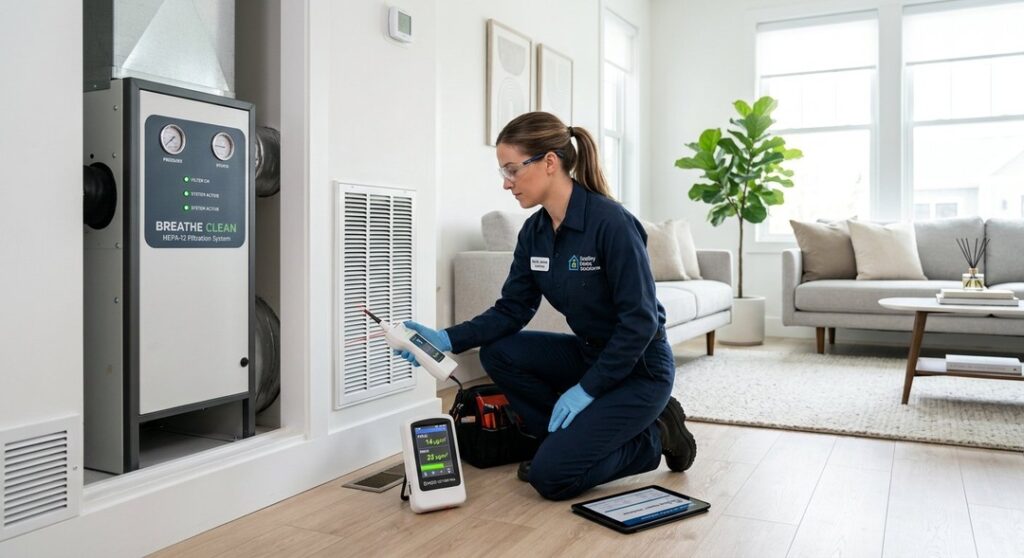
Installation quality influences long-term comfort and efficiency.
Correct Equipment Sizing
Oversized and undersized systems can create problems.
A professional load calculation helps determine suitable capacity.
Ductwork Compatibility
Existing ducts must support appropriate airflow.
Electrical Requirements
Equipment requires suitable electrical connections.
Refrigerant Procedures
Applicable systems need correct refrigerant handling.
Commissioning
Testing verifies that the system operates according to relevant requirements.
Professional HVAC Services should include appropriate installation checks.
HVAC Services and Indoor Air Quality
Indoor air quality management often requires a combination of approaches.
Filtration
Filters capture certain airborne particles.
However, higher filtration ratings can increase airflow resistance.
System compatibility should be confirmed.
Ventilation
Ventilation introduces outdoor air and removes some indoor pollutants.
Appropriate strategies depend on the building.
Humidity Control
Excessive indoor moisture can contribute to condensation and mold growth.
The EPA generally recommends keeping indoor relative humidity below 60%, ideally between 30% and 50%, to help reduce mold growth.
Source Control
Removing or reducing pollution sources is often important.
For example, repairing leaks addresses moisture at its source.
HVAC Services for Different Home Types
Different properties require different approaches.
Single-Family Homes
Detached homes may use central ducted systems, heat pumps, or other configurations.
Apartments
Apartment HVAC arrangements vary.
Some units have individual equipment, while others rely on centralized building systems.
Older Homes
Older properties may require electrical, ductwork, or insulation upgrades.
Newly Built Homes
New construction should include suitable equipment sizing and installation planning.
Multi-Story Properties
Temperature differences between floors may require airflow evaluation or appropriate zoning.
How to Choose a Reliable HVAC Service Company
Selecting a qualified contractor helps reduce unnecessary risks.
Verify Licensing
Licensing requirements vary by jurisdiction.
Check Relevant Certifications
Technicians handling regulated refrigerants in the United States generally require appropriate EPA Section 608 certification.
Review Experience
Ask whether the contractor has experience with your equipment type.
Request Written Estimates
Clear documentation helps homeowners understand proposed work.
Compare Warranties
Manufacturer and labor warranties may differ.
Read Customer Reviews
Look for consistent patterns rather than relying on a single review.
Evaluate Communication
A professional contractor should explain recommendations without unnecessary pressure.
Common HVAC Service Mistakes Homeowners Should Avoid
Several mistakes can increase costs or create problems.
Ignoring Warning Signs
Minor symptoms may indicate developing faults.
Skipping Maintenance
Neglected equipment may experience avoidable performance problems.
Choosing Contractors Based Only on Price
Low pricing does not guarantee appropriate workmanship.
Attempting Unsafe Repairs
Electrical, refrigerant, and combustion-related work requires suitable qualifications.
Replacing Equipment Without Diagnosis
A problem may involve ductwork or controls rather than the main equipment.
Using Incorrect Filters
Unsuitable filters can restrict airflow.
Ignoring Warranty Requirements
Some warranties have maintenance or registration conditions.
Preventive HVAC Maintenance Checklist
Homeowners can perform selected basic tasks.
However, technical work should remain with qualified professionals.
Inspect Filters
Check according to manufacturer recommendations.
Keep Vents Accessible
Avoid blocking supply and return openings.
Maintain Outdoor Clearance
Remove debris and vegetation around outdoor equipment.
Review Thermostat Settings
Confirm schedules and operating modes.
Watch for Moisture
Investigate leaks or persistent condensation.
Schedule Professional Inspections
Follow equipment-specific recommendations.
Keep Service Records
Maintenance documentation can support future repairs and warranty questions.
HVAC Services vs DIY Maintenance
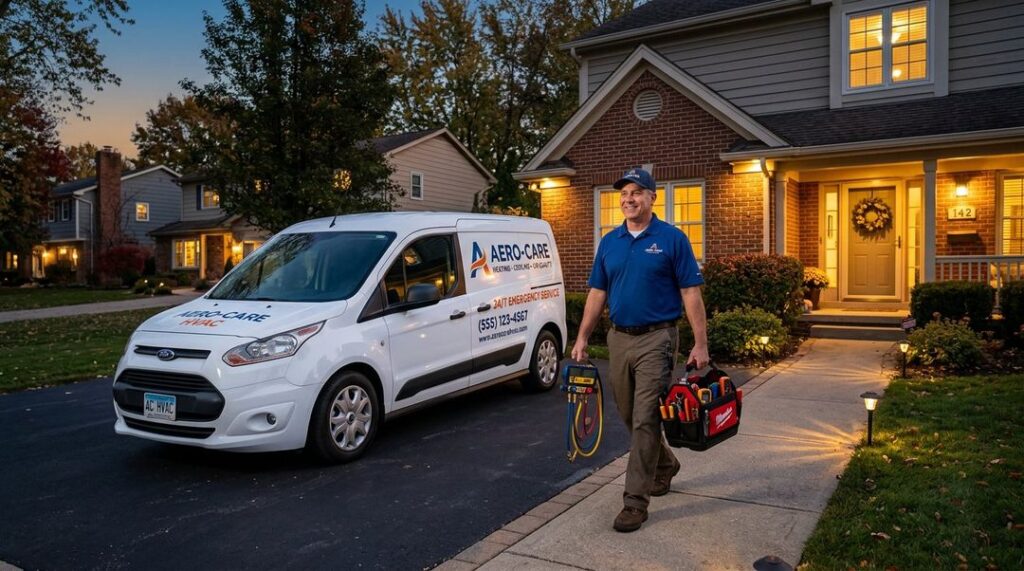
Some basic maintenance is appropriate for homeowners.
However, technical repairs can create safety risks.
| Task | Homeowner Maintenance | Professional HVAC Services |
|---|---|---|
| Filter replacement | Often appropriate | Available |
| Thermostat setting adjustments | Usually appropriate | Available |
| Outdoor debris removal | Appropriate with precautions | Available |
| Electrical repairs | Not recommended | Qualified professionals |
| Refrigerant handling | Not appropriate | Certified technicians |
| Combustion safety testing | Not appropriate | Qualified professionals |
| Major component replacement | Not appropriate | Qualified professionals |
| System commissioning | Not appropriate | Qualified professionals |
Homeowners should follow manufacturer guidance and avoid opening hazardous equipment compartments.
When Should You Replace Your HVAC System?
Replacement decisions depend on equipment condition and economics.
Repeated Repairs
Frequent failures may increase ownership costs.
Declining Performance
Persistent comfort issues may indicate equipment problems.
However, building conditions should also be evaluated.
High Energy Consumption
Newer equipment may offer improved efficiency.
Nevertheless, replacement savings depend on actual operating conditions.
Major Component Failure
Expensive repairs may justify comparing replacement options.
Equipment Compatibility
Older systems may face parts availability or refrigerant-related challenges.
A qualified assessment helps determine practical options.
Smart Thermostats and Modern HVAC Services
Smart thermostats offer additional temperature management features.
Programmable Schedules
Schedules may reduce unnecessary heating and cooling.
Remote Access
Some devices support control through mobile applications.
Energy Information
Certain thermostats provide usage reports.
Compatibility
Not every thermostat works with every HVAC system.
Privacy
Connected devices may collect household usage information.
Review relevant security and privacy settings.
Environmental Benefits of Efficient HVAC Systems
Heating and cooling systems influence household energy consumption and environmental impacts.
Lower Energy Consumption
Efficient equipment may reduce electricity or fuel use.
However, actual results depend on conditions.
Proper Refrigerant Management
Refrigerants can have environmental impacts when released.
Professional handling is essential.
Longer Equipment Use
Appropriate maintenance may reduce premature replacement.
Building Improvements
Insulation and air sealing can reduce heating and cooling demand.
Responsible Equipment Disposal
Old equipment may contain recoverable materials and regulated refrigerants.
Disposal should follow applicable requirements.
The Future of HVAC Services in 2026 and Beyond
HVAC technology continues to evolve.
Variable-Speed Equipment
Variable-speed systems can adjust output according to demand.
Smart Diagnostics
Connected equipment may provide performance alerts.
However, automated systems cannot replace every professional assessment.
Cold-Climate Heat Pumps
Modern designs are expanding heating options in colder regions.
Refrigerant Transitions
The industry is moving toward lower-global-warming-potential refrigerants in certain equipment categories.
Whole-Home Energy Management
HVAC systems may increasingly integrate with smart controls and other home energy technologies.
However, benefits depend on appropriate system design.
FAQ’s
1. What Do Professional HVAC Services Include?
HVAC Services typically include heating and cooling installation, maintenance, repair, replacement, airflow evaluation, and system performance inspections.
2. How Often Should HVAC Systems Be Serviced?
Service frequency depends on equipment type and manufacturer guidance. Many homeowners arrange inspections before major heating or cooling seasons.
3. Can HVAC Services Lower Energy Bills?
HVAC Services may improve efficiency by addressing maintenance problems and airflow restrictions. Actual savings depend on equipment and household conditions.
4. What Are the Signs That My HVAC System Needs Repair?
Common signs include uneven temperatures, unusual noises, weak airflow, frequent cycling, water leaks, and unexplained performance changes.
5. Are Professional HVAC Services Worth the Cost?
Professional HVAC Services can support safe operation, appropriate maintenance, and accurate diagnosis. Their value depends on system condition and the work performed.
6. How Do I Choose a Reliable HVAC Contractor?
Verify licensing, relevant qualifications, insurance, experience, written estimates, warranty terms, and consistent customer feedback.
Conclusion
Professional HVAC Services support reliable heating, cooling, ventilation, and overall indoor comfort. While homeowners often contact technicians when equipment stops working, preventive inspections, appropriate maintenance, and accurate system assessments can provide additional value. Qualified professionals can identify airflow problems, evaluate equipment condition, address safety concerns, and recommend solutions based on actual building requirements. However, no service can guarantee that a system will never fail or that every household will achieve the same energy savings.
The best approach to HVAC Services combines responsible homeowner maintenance with qualified technical support. Regular filter checks, clear ventilation paths, suitable thermostat settings, and timely professional inspections can help preserve system performance. Additionally, choosing reputable contractors and requesting transparent explanations of recommended work can reduce unnecessary expenses. By treating heating and cooling care as an ongoing part of property maintenance, homeowners can support dependable comfort, safer operation, and more efficient energy use throughout the year.
Leave a Reply