
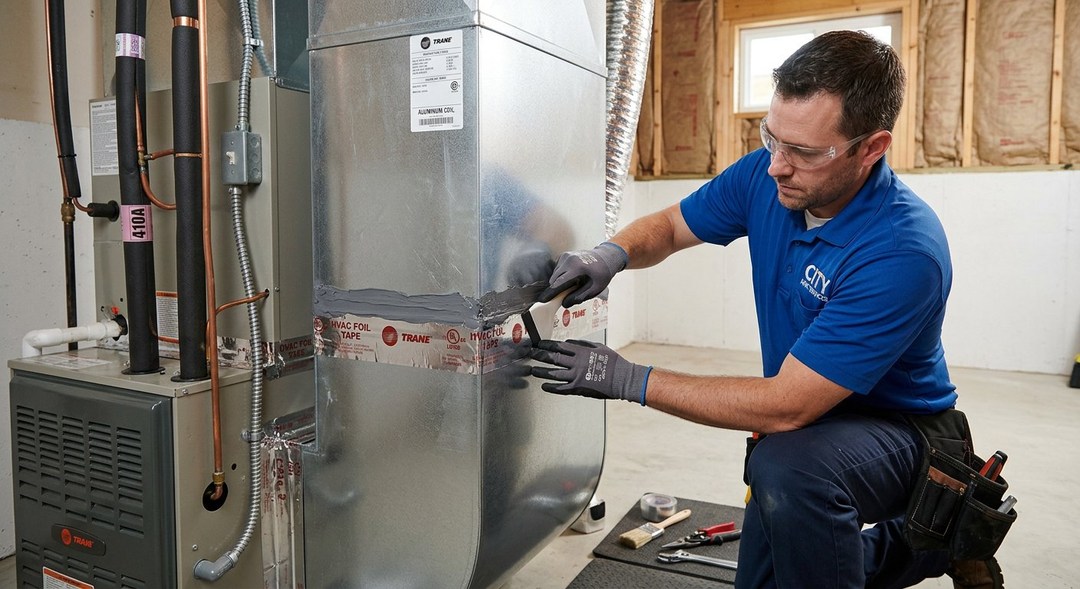
A reliable air conditioning system can make a significant difference in home comfort, particularly during hot and humid weather. However, purchasing an efficient air conditioner does not automatically guarantee effective cooling. Equipment sizing, installation techniques, airflow design, and professional workmanship all influence how well the system performs. AC Installation is therefore more than simply positioning an outdoor unit and connecting equipment. It involves careful planning, technical expertise, and thorough testing to ensure the cooling system operates safely and efficiently.
For homeowners replacing an aging air conditioner or installing cooling equipment for the first time, choosing the right contractor is just as important as selecting the equipment itself. Professional AC Installation should include an accurate cooling load assessment, suitable system selection, proper refrigerant procedures, and clear communication about costs and warranties. Understanding these essential steps helps homeowners recognize quality service, avoid unnecessary expenses, and make informed decisions about long-term indoor comfort.
What Is AC Installation?
AC Installation is the process of selecting, positioning, connecting, configuring, and testing air conditioning equipment to provide cooling within a residential or commercial building.
The work may involve outdoor condenser units, indoor evaporator coils, refrigerant lines, electrical components, drainage systems, thermostats, and ductwork.
However, the exact installation requirements depend on the type of air conditioning system.
A central air conditioner uses a different configuration from a ductless mini-split or window-mounted unit.
Additionally, installation complexity varies according to building design and existing infrastructure.
What Does Professional AC Installation Include?
A complete installation should address both equipment performance and building requirements.
Typical activities include:
- Evaluating the property’s cooling needs.
- Calculating the required cooling capacity.
- Selecting suitable equipment.
- Inspecting existing electrical systems.
- Assessing ductwork where applicable.
- Preparing indoor and outdoor installation locations.
- Connecting refrigerant and electrical components.
- Installing or configuring thermostats.
- Testing airflow and system operation.
- Explaining maintenance and warranty requirements.
Not every project requires all these activities.
For example, ductless systems do not use conventional central air distribution.
Nevertheless, every installation should follow applicable manufacturer instructions and safety requirements.
Why Professional AC Installation Matters
Air conditioning performance depends on the complete system rather than the outdoor equipment alone.
Even a highly rated air conditioner may operate inefficiently when installed incorrectly.
Poor airflow, improper refrigerant charge, unsuitable electrical connections, and incorrect sizing can contribute to performance problems.
Consequently, professional AC Installation is essential for achieving the intended benefits of the equipment.
Energy Efficiency
Proper installation helps cooling equipment operate closer to its designed performance.
However, real-world efficiency also depends on insulation, thermostat settings, weather, and maintenance.
Indoor Comfort
A correctly designed system should provide suitable cooling throughout occupied areas.
Nevertheless, poorly insulated rooms or inadequate ductwork may still create temperature differences.
Equipment Reliability
Installation errors can increase mechanical stress.
Over time, this may contribute to premature component wear.
Safety
Air conditioning systems involve electricity, refrigerants, and mechanical components.
Improper handling can create serious hazards.
Therefore, technical work should be completed by appropriately qualified professionals.
7 Powerful Factors That Define Great AC Installation Service
Homeowners can evaluate installation quality by looking for several essential practices.
1. Accurate Cooling Load Calculations
The foundation of successful AC Installation is determining how much cooling the property actually requires.
Some contractors estimate capacity using floor area alone.
However, square footage does not capture every factor affecting cooling demand.
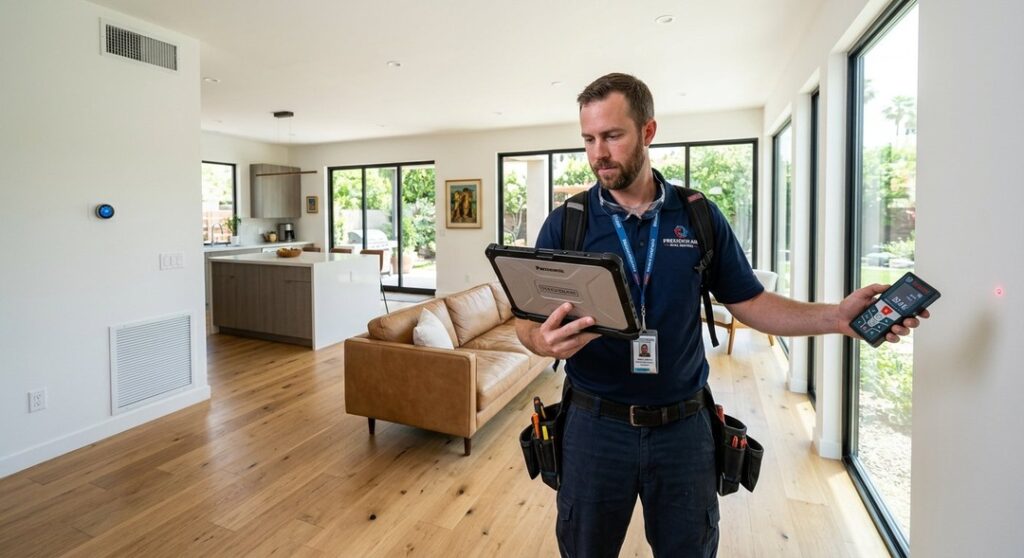
A proper assessment considers insulation, windows, air leakage, local climate, occupancy, and building orientation.
Why Equipment Sizing Matters
An oversized air conditioner may cool the space quickly but cycle frequently.
Depending on the equipment, this can reduce humidity control and affect comfort.
Meanwhile, an undersized system may struggle during peak temperatures.
Correct sizing helps balance cooling capacity with actual demand.
Understanding Manual J
In the United States, residential HVAC load calculations commonly use ACCA Manual J methodology.
This approach considers multiple building characteristics.
A qualified contractor should explain how the proposed equipment capacity was determined.
2. Choosing the Right Air Conditioning System
Different properties require different cooling solutions.
Central systems are common in buildings with existing ductwork.
Ductless mini-splits may suit homes without central ducts.
Heat pumps can provide cooling and heating through a reversible refrigeration cycle.
Central Air Conditioning
Central systems distribute cooled air through ducts.
They can provide whole-home cooling when properly designed.
However, duct condition and airflow are important.
Ductless Mini-Split Systems
Ductless systems use indoor units connected to an outdoor unit.
They can offer individual room control.
Additionally, they may reduce the need for extensive duct installation.
Window and Portable Units
Window and portable air conditioners can provide cooling for selected spaces.
However, capacity, noise, efficiency, and installation requirements vary.
A professional assessment can help identify the most suitable option.
3. Proper Refrigerant Handling
Refrigerant is essential to the air conditioning cycle.
Incorrect refrigerant procedures can affect efficiency, reliability, and environmental safety.
Professional AC Installation should follow manufacturer instructions and applicable regulations.
Why Refrigerant Charge Matters
Too much or too little refrigerant can reduce system performance.
It may also contribute to equipment problems.
Therefore, technicians should verify the charge using appropriate procedures.
Refrigerant Safety
Certain refrigerants require specific handling precautions.
In the United States, technicians performing regulated refrigerant work generally need appropriate EPA Section 608 certification.
Homeowners should not attempt refrigerant repairs themselves.
4. Correct Airflow and Ductwork Design
Airflow influences cooling performance and indoor comfort.
A system may have suitable capacity but still perform poorly when air distribution is inadequate.
Inspecting Existing Ductwork
Ducts should be checked for leakage, restrictions, and compatibility with the new system.
Leaky ducts can waste conditioned air.
Additionally, poorly designed ductwork may contribute to uneven temperatures.
Balancing Air Distribution
Different rooms may have different cooling needs.
Proper system design considers how air reaches occupied spaces.
However, closing multiple supply vents is not necessarily an appropriate solution to airflow problems.
Doing so can create excessive system pressure in some configurations.
5. Safe Electrical Installation
Air conditioning equipment requires electrical power appropriate to its specifications.
Incorrect wiring or inadequate circuits can create hazards.
Consequently, AC Installation should include an evaluation of relevant electrical requirements.
Electrical Capacity
Some replacements may use existing electrical infrastructure.
Others require modifications.
A qualified professional should determine whether the available electrical system is suitable.
Disconnects and Protection
Installations must follow applicable electrical codes.
Required disconnects and protective devices should be installed correctly.
Homeowners should not attempt technical electrical modifications without appropriate qualifications.
6. Thorough System Testing and Commissioning
Installing equipment is not the same as verifying that it works correctly.
Commissioning involves checking system performance after installation.
A reliable AC Installation service should include appropriate testing.
Important Commissioning Checks
Depending on system design, technicians may evaluate:
- Refrigerant-related measurements.
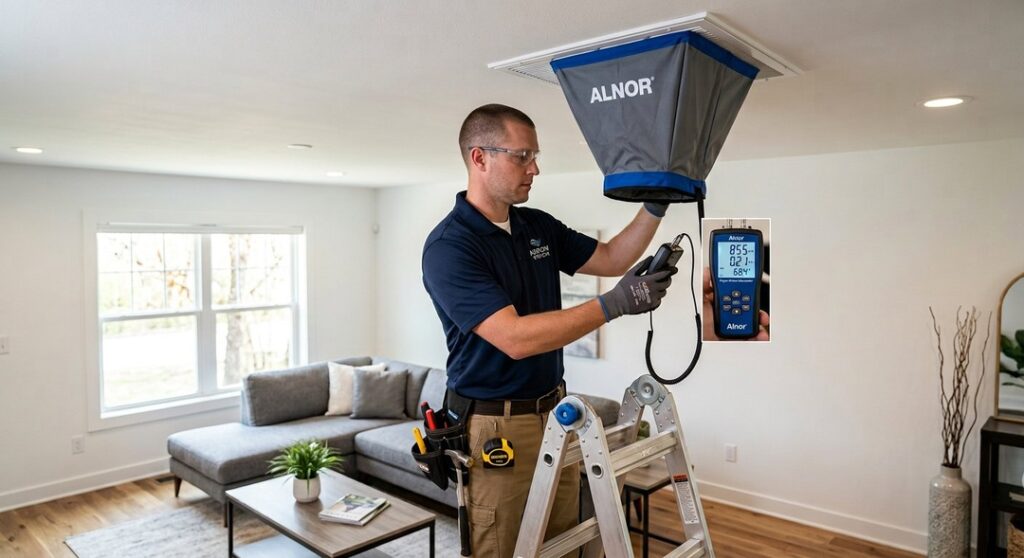
- Supply and return airflow.
- Electrical operation.
- Thermostat controls.
- Condensate drainage.
- Temperature differences.
- Equipment startup and shutdown.
- Manufacturer-specific performance requirements.
These checks help identify potential problems before the project is completed.
Why Documentation Matters
Homeowners should receive relevant equipment information and warranty documents.
Additionally, installation records may be useful for future maintenance.
7. Transparent Pricing and Customer Communication
Technical expertise is essential, but communication also affects the service experience.
A professional contractor should explain proposed work and provide clear cost information.
Written Estimates
A written quotation should identify the equipment and installation scope.
It should also explain significant additional work.
Warranty Information
Manufacturer warranties and contractor labor warranties may have different terms.
Therefore, homeowners should understand what each covers.
Clear Scheduling
Installation timelines should reflect project complexity.
Contractors should communicate potential delays when circumstances change.
Types of AC Installation for Different Properties
The best cooling system depends on the building’s requirements.
Central AC Installation
Central air conditioning is common in homes with ducted HVAC systems.
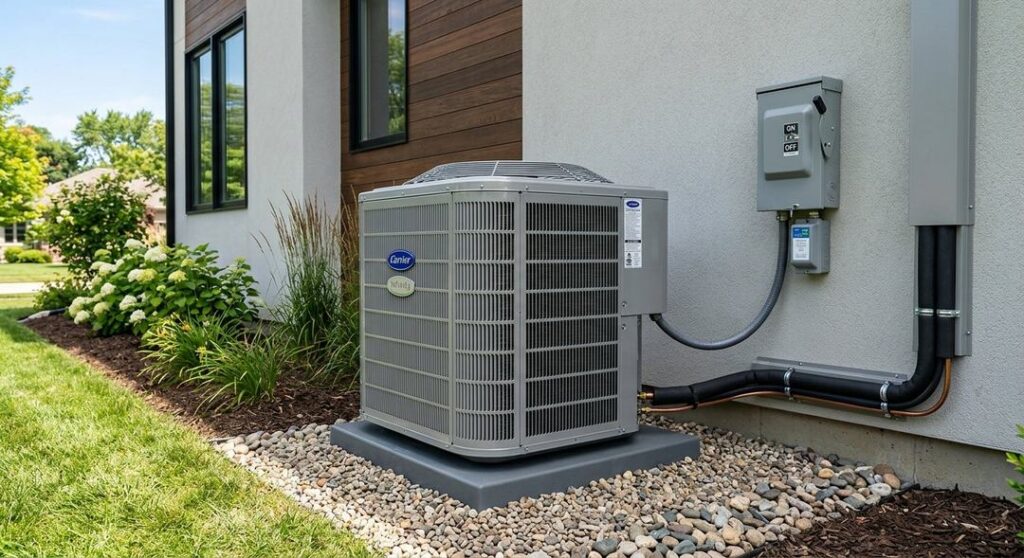
The outdoor condenser works with indoor components to remove heat from the building.
However, the installation must be compatible with existing equipment.
Ductless AC Installation
Ductless mini-splits provide cooling without conventional central ductwork.
They can be useful for additions, renovated spaces, and properties where installing ducts is impractical.
Heat Pump Installation
Heat pumps can provide both heating and cooling.
They may be suitable for homeowners seeking an integrated system.
However, heating performance and financial value depend on climate and equipment design.
Commercial AC Installation
Commercial properties may require larger or more complex equipment.
System design must account for occupancy, building use, ventilation, and applicable codes.
AC Installation Types Compared
| System Type | Main Advantage | Important Consideration | Suitable Application |
|---|---|---|---|
| Central air conditioner | Whole-home cooling | Requires suitable ducts | Ducted homes |
| Ductless mini-split | Individual zone control | Indoor unit placement | Homes without ducts |
| Air-source heat pump | Heating and cooling | Climate and sizing | Year-round comfort |
| Window air conditioner | Room-specific cooling | Window compatibility | Individual rooms |
| Portable air conditioner | Flexible placement | Venting and efficiency | Temporary cooling |
| Commercial HVAC system | Larger cooling capacity | Complex design requirements | Business properties |
| The right choice depends on cooling demand, infrastructure, and budget. |
How Much Does AC Installation Cost in 2026?
AC Installation costs vary according to equipment type, capacity, efficiency, labor, and property conditions.
A straightforward replacement may cost less than a project requiring new ducts or electrical modifications.
Illustrative U.S. Installation Cost Ranges
The following figures are broad planning estimates rather than verified local quotations.
| System Type | Approximate Installed Cost |
|---|---|
| Window air conditioner | $250–$1,200 |
| Single-zone ductless mini-split | $3,000–$8,000 |
| Multi-zone mini-split | $7,000–$18,000+ |
| Central air conditioning | $5,000–$12,000+ |
| High-efficiency central system | $7,000–$16,000+ |
| Ductwork installation or major replacement | $2,000–$8,000+ |
| Actual pricing may fall outside these ranges. | |
| Therefore, homeowners should obtain property-specific quotations. |
What Influences AC Installation Pricing?
Major factors include:
- Equipment capacity.
- Efficiency rating.
- Manufacturer and model.
- Existing ductwork.
- Electrical requirements.
- Installation accessibility.
- Refrigerant line modifications.
- Local labor rates.
- Permit requirements.
- Additional building repairs.
The total price should reflect the complete installation rather than equipment cost alone.
Understanding AC Efficiency Ratings
Efficiency ratings help compare equipment under standardized conditions.
However, they do not guarantee identical operating costs in every home.
SEER2
SEER2 measures seasonal cooling efficiency for qualifying air conditioning equipment.
Higher values generally indicate better efficiency under the applicable test procedure.
EER2
EER2 evaluates cooling performance under specified conditions.
It may be useful when comparing performance in demanding cooling environments.
Why Installation Quality Matters
Published efficiency ratings assume defined test conditions.
Poor airflow, incorrect refrigerant charge, or incompatible equipment can reduce real-world performance.
Consequently, AC Installation quality should be considered alongside the equipment rating.
Step-by-Step AC Installation Process
A professional installation usually follows several stages.
Step 1. Initial Home Assessment
The contractor reviews cooling requirements and existing infrastructure.
This includes evaluating available space, ductwork, and electrical conditions.
Step 2. Equipment Sizing
A suitable load calculation determines the required cooling capacity.
The selected system should match the building’s needs.
Step 3. Equipment Selection
The contractor recommends compatible equipment.
Relevant factors include efficiency, capacity, noise, and available features.
Step 4. Site Preparation
Indoor and outdoor installation areas are prepared.
Old equipment may need to be removed.
Step 5. Equipment Placement
Technicians position and secure the components.
Outdoor units require suitable clearance and support.
Step 6. Refrigerant and Electrical Connections
Qualified professionals complete the technical connections.
Applicable codes and manufacturer requirements must be followed.
Step 7. System Commissioning
The system is tested.
Airflow, drainage, controls, and relevant performance measurements should be checked.
Step 8. Homeowner Orientation
The installer explains operation, maintenance, and warranty requirements.
This helps homeowners manage the equipment appropriately.
Why AC Installation Quality Affects Energy Bills
Cooling costs depend on electricity use.
An inefficient installation may increase consumption.
Incorrect Refrigerant Charge
An unsuitable charge can affect cooling performance.
Restricted Airflow
Dirty filters, undersized ducts, or other restrictions may reduce efficiency.
Poor Equipment Sizing
Oversized or undersized systems can create operating problems.
Inadequate Insulation
Heat entering the home increases cooling demand.
Thermostat Settings
Temperature preferences influence electricity consumption.
Therefore, energy savings should be evaluated using realistic household conditions.
How to Choose the Best AC Installation Company
Selecting a qualified contractor is an important decision.
Verify Licensing
Licensing requirements vary by state and locality.
Confirm that the contractor meets applicable rules.
Check Insurance
Ask about appropriate business insurance.
Review Relevant Experience
Experience with the proposed equipment type is valuable.
Request Detailed Quotes
Compare installation scope, equipment specifications, and warranty terms.
Ask About Load Calculations
A contractor should explain sizing decisions.
Review Customer Feedback
Look for consistent patterns across multiple credible sources.
Understand Maintenance Support
Ask whether the company offers servicing after installation.
Common AC Installation Mistakes to Avoid
Several errors can reduce performance.
Choosing Equipment Based Only on Price
The cheapest option may not provide the best long-term value.
Skipping Load Calculations
Incorrect sizing can affect comfort and efficiency.
Ignoring Ductwork
Poor ducts can undermine a new system.
Using Unqualified Installers
Improper installation can create safety and reliability problems.
Neglecting Drainage
Blocked or incorrectly installed drains can cause water damage.
Failing to Test the System
Commissioning helps identify problems before completion.
Overlooking Warranty Conditions
Some warranties require registration or maintenance.
How Long Does AC Installation Take?
Project duration depends on equipment type and installation complexity.
A straightforward replacement may take less time than a new system requiring ductwork.
Simple Replacements
Replacing compatible equipment may be relatively straightforward.
However, inspection and commissioning remain necessary.
New Installations
Installing cooling in a property without existing infrastructure may involve additional work.
Complex Projects
Large homes, difficult access, and electrical modifications can extend the schedule.
A professional contractor should provide a realistic estimate.
AC Installation for Older Homes
Older buildings may require additional assessment.
Electrical Upgrades
Some electrical systems may not support new equipment without modifications.
Ductwork Condition
Existing ducts may be undersized or damaged.
Insulation
Poor insulation can increase cooling demand.
Window Performance
Windows and solar heat gain influence indoor temperatures.
Space Constraints
Outdoor and indoor equipment placement may be challenging.
Consequently, older homes often benefit from detailed planning before installation.
AC Installation and Indoor Air Quality
Air conditioning primarily controls temperature and, in many cases, humidity.
However, ordinary cooling equipment does not automatically remove every indoor pollutant.
Air Filters
Filters can capture certain airborne particles.
The appropriate filter depends on system compatibility.
Humidity Control
Proper cooling performance can help manage indoor moisture.
However, excessive humidity may require additional investigation.
Ventilation
Fresh-air ventilation is separate from basic cooling.
Suitable ventilation depends on building design and occupancy.
Duct Cleanliness
Duct condition can affect airflow.
However, routine duct cleaning is not automatically necessary for every home.
The EPA does not recommend indiscriminate duct cleaning as a universal preventive measure.
Maintenance Tips After AC Installation
Regular maintenance supports reliable operation.
Inspect Air Filters
Check filters according to manufacturer recommendations.
Keep Outdoor Equipment Clear
Maintain appropriate clearance around the condenser.
Monitor Drainage
Watch for leaks or blocked condensate lines.
Check Thermostat Operation
Confirm that settings and schedules are appropriate.
Schedule Professional Inspections
Service frequency depends on equipment and operating conditions.
Keep Maintenance Records
Documentation may help with warranty and future service needs.
When Should You Replace an Existing Air Conditioner?
Replacement decisions should consider more than age.
Frequent Breakdowns
Repeated repairs may increase long-term costs.
Reduced Cooling Performance
Persistent comfort problems may indicate equipment or building issues.
High Operating Costs
Older equipment may be less efficient.
However, weather and usage changes can also increase bills.
Major Repair Expenses
Compare repair costs with replacement alternatives.
Refrigerant Availability
Older systems may use refrigerants affected by regulatory changes.
A professional assessment can clarify available options.
AC Installation vs AC Repair
Repair and replacement serve different purposes.
| Factor | AC Repair | AC Installation |
|---|---|---|
| Main purpose | Correct an existing problem | Install new equipment |
| Initial cost | Often lower | Usually higher |
| Equipment lifespan | Depends on condition | Begins new equipment service life |
| Efficiency improvement | May restore performance | May provide newer efficiency |
| Project complexity | Varies by repair | Includes full installation |
| Best choice | Repairable equipment | Major failure or suitable replacement need |
| Neither option is automatically better. | ||
| A qualified technician should explain the available alternatives. |
Smart Thermostats and AC Installation
Smart thermostats can offer additional temperature management features.
Scheduling
Programmable schedules may help reduce unnecessary cooling.
Remote Access
Some devices allow temperature adjustments through mobile applications.
Energy Reports
Certain systems provide usage information.
Compatibility
Not every thermostat works with every HVAC system.
Therefore, compatibility should be confirmed before installation.
Environmental Considerations of Modern AC Installation
Air conditioning has environmental impacts associated with electricity consumption, refrigerants, and equipment production.
Energy Efficiency
Efficient equipment may reduce electricity use.
However, actual savings depend on installation and usage.
Refrigerant Management
Refrigerant leaks can have environmental consequences.
Proper handling is important.
Equipment Recycling
Old air conditioners contain materials that may be recoverable.
Refrigerants require appropriate treatment.
Responsible Replacement
Replacing functioning equipment solely for a modest efficiency improvement may not always be financially or environmentally preferable.
A full assessment should consider expected remaining life.
The Future of AC Installation in 2026 and Beyond
Residential cooling technology continues to evolve.
Variable-Speed Compressors
Variable-speed systems can adjust cooling output according to demand.
This may improve comfort and part-load efficiency.
Smart Diagnostics
Connected equipment may provide operational alerts.
However, automated diagnostics do not replace professional inspection.
Lower-GWP Refrigerants
The HVAC industry is transitioning toward refrigerants with lower global warming potential in certain equipment categories.
Installation requirements may differ by refrigerant.
Improved Controls
Advanced thermostats and zoning systems can support more customized temperature management.
Greater Emphasis on Whole-Home Performance
Insulation, air sealing, and ductwork remain important.
Efficient equipment performs best when the building is appropriately designed.
FAQ’s
1. How Much Does AC Installation Cost?
AC Installation costs vary by system type, capacity, efficiency, and labor. Central residential systems may cost several thousand dollars or more.
2. How Long Does Professional AC Installation Take?
Installation time depends on project complexity. Straightforward replacements may be completed relatively quickly, while projects requiring ductwork or electrical upgrades take longer.
3. Why Is Professional AC Installation Important?
Professional AC Installation supports correct sizing, safe connections, appropriate airflow, and reliable system performance.
4. What Size Air Conditioner Does My Home Need?
The correct size depends on cooling load calculations considering insulation, windows, climate, occupancy, and other building characteristics.
5. Can Poor AC Installation Increase Energy Bills?
Yes. Incorrect refrigerant charge, inadequate airflow, and improper sizing can reduce cooling efficiency and increase electricity consumption.
6. Should I Repair or Replace My Air Conditioner?
The decision depends on equipment condition, repair costs, efficiency, and expected remaining service life. A qualified assessment can help.
Conclusion
Professional AC Installation is essential for achieving reliable cooling, suitable indoor comfort, and efficient system operation. While modern air conditioners offer advanced technology and improved efficiency ratings, their performance depends heavily on correct sizing, appropriate equipment selection, proper airflow, safe electrical work, and thorough commissioning. Homeowners should evaluate installation quality as carefully as equipment specifications because shortcuts during the installation process can lead to comfort problems, unnecessary energy consumption, and avoidable repair expenses.
Choosing the right AC Installation service involves reviewing contractor qualifications, requesting detailed quotations, understanding warranty conditions, and confirming that proper testing will be completed. Additionally, homeowners should consider insulation, ductwork, maintenance requirements, and long-term operating costs before making a final decision. With thoughtful planning and qualified professional support, a new air conditioning system can provide dependable cooling and practical value while helping maintain a comfortable indoor environment for years to come.
Leave a Reply