
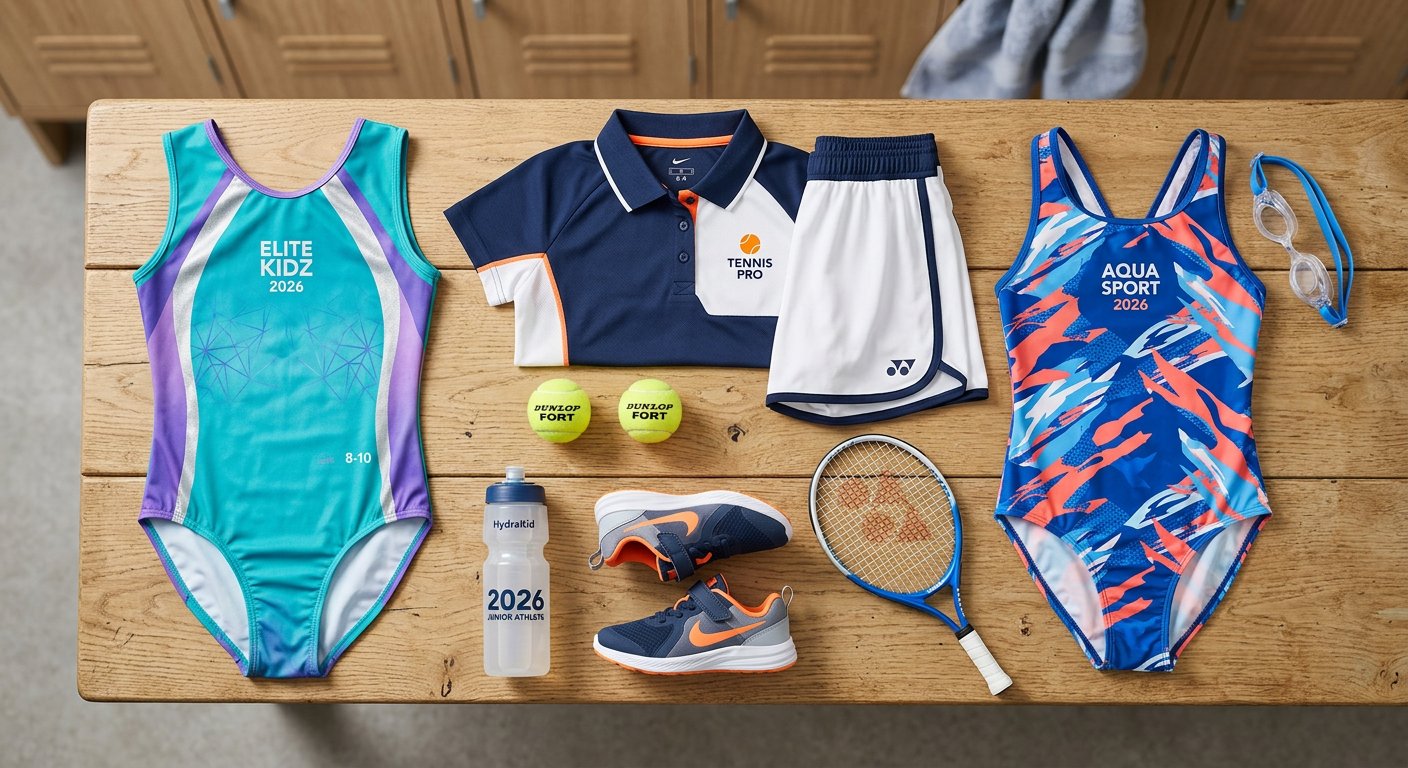
Choosing the right children’s athletic clothing is an important part of helping young athletes feel comfortable and prepared for sports activities. Gymnastics, tennis, and swimming place different demands on clothing, making it essential to select garments that support movement, fit appropriately, and suit the conditions in which they will be worn. Sportswear that looks attractive may still be unsuitable if it restricts movement, causes irritation, or fails to meet activity requirements.
Parents often face a wide selection of performance fabrics, specialist designs, and branded sports collections. However, expensive clothing does not automatically provide better functionality. Understanding how to evaluate fit, fabric, durability, safety, and sport-specific requirements can help families choose practical sportswear without spending unnecessarily.
Why Children’s Athletic Clothing Matters for Young Athletes
Children need clothing that allows them to participate comfortably in physical activities. Appropriate sportswear can reduce distractions caused by loose fabric, uncomfortable seams, or restrictive waistbands.
Well-selected children’s athletic clothing should support the normal movements required by the activity. However, clothing alone cannot prevent sports injuries or replace appropriate coaching, equipment, and supervision.
Comfort Encourages Participation
Young athletes may become distracted when clothing constantly slips, bunches, or rubs against the skin. A comfortable fit allows them to focus more easily on learning and participating.
Children’s athletic clothing should feel suitable during the actual activity rather than only when standing still. Trying garments through basic movements can help identify fit problems before purchase.
Different Sports Require Different Designs
Gymnastics involves flexibility, body rotation, and close contact with equipment. Tennis requires repeated running, turning, and overhead movements, while swimming involves continuous water exposure.
The best children’s athletic clothing reflects these differences. A garment suitable for one activity may be impractical or inappropriate for another.
Understanding Sportswear Needs in 2026
Youth sportswear continues to evolve through fabric development, inclusive sizing, practical design, and greater attention to product durability. However, new materials and marketing terminology do not automatically establish better performance.
Parents choosing children’s athletic clothing in 2026 should focus on clear product specifications and the child’s actual needs. Comfort, appropriate fit, and suitability remain more important than seasonal trends.
Performance Fabrics Are More Accessible
Synthetic sports fabrics such as polyester, nylon, and elastane blends are widely used in athletic garments. These materials can provide stretch, durability, and moisture-management characteristics depending on construction.
Children’s athletic clothing should be evaluated according to how the complete garment performs. Fabric composition alone does not guarantee comfort or quality.
Inclusive Design Is Increasingly Relevant
Children have different body shapes, sensory preferences, mobility needs, and personal comfort requirements. Sportswear should accommodate these differences where practical.
Some young athletes prefer fitted garments, while others feel more comfortable in looser styles. Sport-specific rules and safety considerations should guide the available choices.
Choosing the Right Fit for Children’s Athletic Clothing
Fit is one of the most important factors in sportswear selection. Clothing that is too tight can restrict movement, while excessively loose garments may interfere with certain activities.
Children’s athletic clothing should fit the child’s current measurements and allow appropriate movement. Buying several sizes larger for future growth may create avoidable problems.
Measure Before Buying
Age-based sizing can provide a starting point, but children of the same age may have different proportions. Height, chest, waist, and hip measurements can improve size selection.
Parents should compare measurements with the manufacturer’s sizing guide. Different brands may use different sizing systems.
Test Movement
Ask the child to perform simple, safe movements such as bending, stretching, walking, and raising their arms. Clothing should remain appropriately positioned without discomfort.
For gymnastics, additional range-of-motion checks may be useful. For tennis, evaluate how the garment behaves during running and reaching.
Avoid Restrictive Features
Tight seams, uncomfortable elastic, and stiff waistbands can affect comfort. These issues may become more noticeable during prolonged activity.
Children’s athletic clothing should not create persistent pressure marks or restrict normal breathing and movement. The child should feel comfortable expressing concerns about fit.
Best Children’s Athletic Clothing for Gymnastics
Gymnastics requires clothing that supports flexibility and does not interfere with equipment or body positioning. Training requirements may differ according to the club, discipline, and competition level.
A properly fitted leotard is a common option, but clubs may permit other suitable athletic garments. Parents should check local requirements before buying children’s athletic clothing for gymnastics.
Gymnastics Leotards
Leotards are designed to remain close to the body during stretching, rotation, and inverted movements. They are available in different sleeve lengths, fabrics, and styles.
A gymnastics leotard should provide sufficient coverage and allow comfortable movement. Decorative elements should not create discomfort or equipment hazards.
Stretch and Flexibility
Gymnasts perform movements requiring considerable mobility through the shoulders, hips, and torso. Suitable stretch fabrics can accommodate these movements.
Children’s athletic clothing for gymnastics should return to its intended shape after normal stretching. Poorly fitted garments may pull or shift during training.
Avoid Loose Accessories
Loose jewelry, dangling decorations, or unsecured accessories can create problems around gymnastics equipment. Clubs often establish rules covering these items.
Parents should follow the coach’s guidance. Suitable clothing is only one part of safe gymnastics participation.
Gymnastics Training Wear Versus Competition Wear
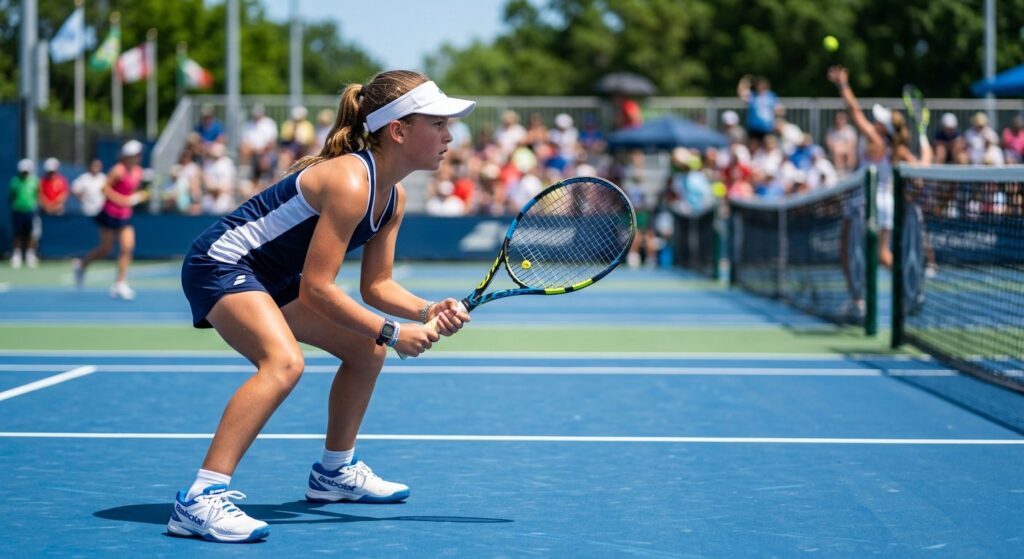
Training clothing is often selected for comfort, durability, and ease of care. Competition clothing may need to meet specific appearance or uniform requirements.
Children’s athletic clothing for competition should be checked against the relevant governing body or event rules. Requirements can differ between disciplines and organizations.
Everyday Training Clothing
Frequent practice can place repeated demands on garments. Durable seams and suitable fabrics are useful for children attending regular sessions.
Parents may prefer easy-care clothing for routine training. Simple designs can be practical when garments need frequent washing.
Competition Outfits
Competition leotards may include decorative finishes or coordinated team designs. These features can increase cost without necessarily improving training functionality.
Purchase competition-specific children’s athletic clothing only after confirming the event or club requirements. This helps avoid unnecessary spending.
Choosing Tennis Clothing for Children
Tennis combines running, rapid changes of direction, serving, and repeated upper-body movement. Clothing should remain comfortable through these actions.
Children’s athletic clothing for tennis commonly includes breathable tops, shorts, skirts, skorts, or suitable athletic dresses. The best choice depends on comfort, club rules, and personal preference.
Tennis Tops
A suitable tennis top should allow unrestricted shoulder movement. Lightweight fabrics can help manage comfort during active play.
Parents should check whether seams or collars cause irritation. Children’s athletic clothing should remain comfortable during repeated serving and reaching movements.
Tennis Shorts and Skorts
Shorts and skorts are common tennis options because they allow movement and can include practical features. Some designs provide pockets or integrated ball storage.
The waistband should remain secure without excessive pressure. Children should be able to run and bend comfortably.
Tennis Dresses
Tennis dresses can be suitable when they provide comfortable coverage and support unrestricted movement. Some include separate or integrated shorts.
Parents should prioritize functionality rather than appearance alone. A garment should match the child’s preferences and playing conditions.
Why Tennis Footwear Matters
Although shoes are not clothing in the narrow sense, they are an important part of a tennis outfit. Court movement involves frequent lateral steps and changes of direction.
Suitable tennis footwear should match the playing surface and provide appropriate fit. Ordinary running shoes may not offer the same design characteristics for lateral court movement.
Court Surface Considerations
Hard courts, clay courts, and other surfaces can create different footwear requirements. Traction and outsole design may vary accordingly.
Parents should ask coaches or retailers about suitable options. Footwear should be evaluated separately from the rest of the children’s athletic clothing purchase.
Children’s Athletic Clothing for Swimming
Swimming requires garments designed specifically for water use. Appropriate swimwear should remain secure, allow comfortable movement, and suit the pool or training environment.
Children’s athletic clothing for swimming differs significantly from ordinary gym clothing. Fabrics need to tolerate repeated water exposure and the conditions associated with pool use.
One-Piece Swimsuits
One-piece swimsuits are common for swimming lessons and training. They can provide secure coverage during movement through the water.
A swimsuit should fit comfortably without excessive tightness or loose areas. Parents should check straps, seams, and overall coverage.
Swim Shorts and Jammers
Swim shorts and fitted jammers are options for children who prefer these styles. Pool rules may influence which garments are permitted.
Long, loose clothing may create additional drag and may not be suitable for every swimming activity. Children’s athletic clothing should match the intended use.
Rash Guards
Rash guards can provide additional coverage and may be useful for some swimming or water activities. Certain products also offer tested ultraviolet protection.
Parents should check whether rash guards are suitable for the pool or lesson. Sun-protection claims should be supported by relevant product specifications.
Choosing Swimwear Fabrics
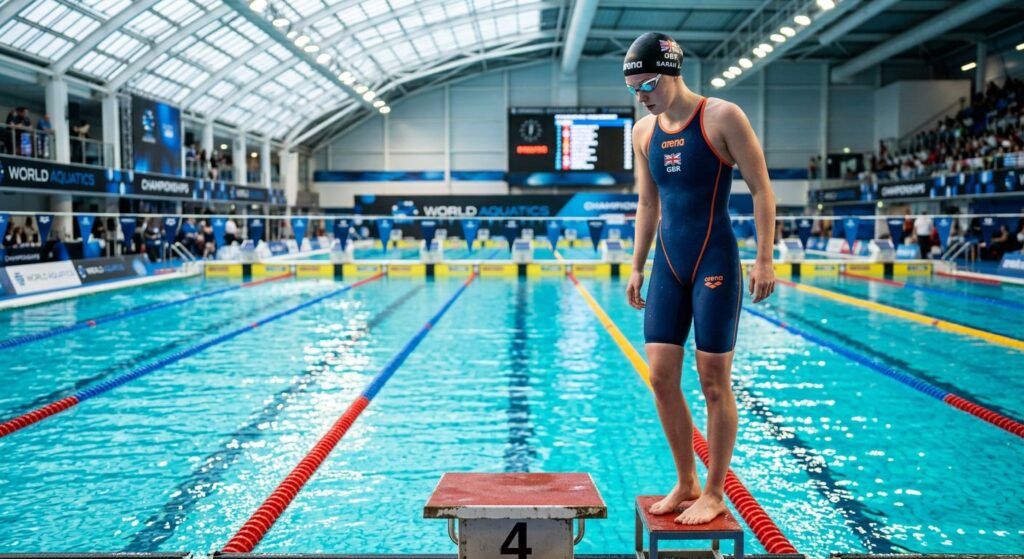
Swimwear commonly uses synthetic materials such as polyester, nylon, and elastane. Different blends provide varying levels of stretch, shape retention, and resistance to pool chemicals.
Children’s athletic clothing intended for frequent swimming should be selected with durability in mind. However, even well-made swimwear can deteriorate through repeated exposure and wear.
Chlorine Resistance
Pool chemicals can affect fabric elasticity and color over time. Some swimwear is specifically designed for frequent chlorinated-water use.
Parents should review manufacturer claims and care instructions. Chlorine-resistant clothing is not necessarily immune to deterioration.
Comfortable Elasticity
Swimwear should stretch sufficiently for movement while remaining securely fitted. Excessive tightness can create discomfort, while loose garments may shift during swimming.
Children should be able to move their shoulders and legs freely. Fit should be checked before regular use.
Indoor Versus Outdoor Swimming Clothing
Swimming conditions vary between indoor pools and outdoor locations. Temperature, sunlight, and water conditions can influence clothing choices.
Children’s athletic clothing for outdoor swimming may require additional sun protection. Indoor swimming generally involves different environmental considerations.
Outdoor Sun Protection
Protective swimwear can reduce ultraviolet exposure to covered skin when appropriately rated. Sunscreen and other protective measures may still be necessary for exposed areas.
Parents should look for credible UPF information when selecting sun-protective garments. A garment’s color or thickness alone does not establish its protection level.
Indoor Pool Comfort
Indoor pool temperatures vary, and some children may feel cold during lessons. Suitable swimwear should reflect the child’s comfort and the facility’s rules.
Parents should discuss persistent temperature concerns with swimming instructors. Additional garments should not interfere with safe movement.
Understanding Sportswear Fabric Technology
Fabric construction affects stretch, moisture handling, durability, and comfort. However, product performance depends on the complete garment rather than one advertised feature.
When comparing children’s athletic clothing, parents should consider fabric composition alongside seams, fit, and washing requirements.
Polyester
Polyester is widely used in sportswear because it can provide durability and relatively quick drying. Its performance depends on fabric construction and finishing.
A polyester garment is not automatically more breathable than every alternative. Parents should assess the specific product.
Nylon
Nylon can provide strength, smooth texture, and stretch when blended with elastic fibers. It appears in swimwear and other fitted sports garments.
Comfort depends on construction and fit. Children’s athletic clothing should not be selected solely because a label lists nylon.
Elastane
Elastane adds stretch and recovery to many athletic fabrics. It is commonly blended with other fibers.
Higher elastane content does not automatically mean better performance. Excessive compression or poor garment design can still create discomfort.
Cotton Blends
Cotton can feel comfortable for certain low-intensity activities. However, it generally absorbs and retains more moisture than many performance fabrics.
For prolonged vigorous activity, other materials may be more practical. The best fabric depends on the sport and environment.
Moisture Management and Comfort
Active children may sweat during training, especially in warm environments. Moisture-management fabrics are designed to help move moisture away from the skin.
Children’s athletic clothing with suitable fabric construction may feel more comfortable during prolonged activity. However, claims about advanced cooling should be evaluated carefully.
Breathability Matters
Breathable clothing allows heat and moisture to move through the fabric. This can contribute to comfort during physical activity.
Fit, layering, and environmental conditions also influence temperature regulation. No garment can guarantee that a child will remain cool in every situation.
Avoid Overheating
Children should wear clothing appropriate to the weather and exercise intensity. Excessive layers can create discomfort during active play.
Coaches and caregivers should monitor environmental conditions and provide suitable opportunities for hydration and rest. Clothing alone cannot prevent heat-related illness.
Durability Is Important for Growing Athletes
Children may train several times per week, placing repeated demands on sportswear. Washing, stretching, and friction can affect garments over time.
Durable children’s athletic clothing should maintain appropriate fit and structural integrity through normal use. Parents should inspect seams, elastic, and fabric condition regularly.
Reinforced Seams
Well-constructed seams can help garments withstand repeated movement. Poor stitching may create discomfort or lead to early damage.
Parents should inspect high-stress areas before buying. These may include waistbands, shoulders, and areas subject to frequent stretching.
Shape Retention
Sportswear that loses its shape may become uncomfortable or unsuitable. Swimwear and fitted gymnastics garments are particularly dependent on appropriate elasticity.
Follow manufacturer washing instructions to reduce unnecessary deterioration. Replace garments when fit or coverage becomes inadequate.
Children’s Athletic Clothing and Skin Sensitivity
Some children experience irritation from particular fabrics, seams, detergents, or garment features. Their comfort needs should be considered during selection.
Children’s athletic clothing should not cause persistent itching, rubbing, or discomfort. A child who reports irritation should be taken seriously.
Flat Seams and Soft Fabrics
Flat seams may reduce friction in some garments. Soft labels or tag-free designs can also improve comfort for sensitive children.
However, individual preferences vary. Trying garments before purchase can help identify potential problems.
Laundry Products Matter
Fragranced detergents or fabric treatments may irritate some individuals. Parents should follow garment instructions and consider suitable laundry products.
If a child develops persistent skin symptoms, medical advice may be appropriate. Sportswear changes alone may not resolve every skin condition.
Choosing Age-Appropriate Sportswear
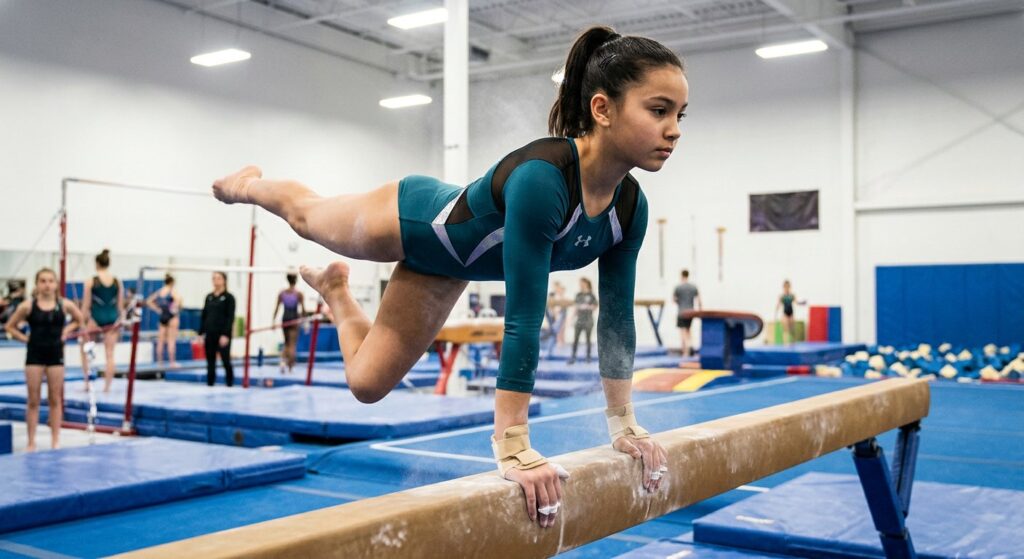
Children’s bodies and movement abilities change as they grow. Clothing should match their current size and the demands of their activity.
Children’s athletic clothing should not be excessively restrictive or unnecessarily loose. Appropriate support and coverage become particularly important during rapid growth.
Younger Children
Young beginners generally benefit from simple garments that are easy to put on and remove. Complicated fastenings may create unnecessary frustration.
Clothing should allow natural movement and participation. Sport-specific requirements should still be followed.
Older Children and Teenagers
Older athletes may develop stronger preferences about style, fit, and coverage. These preferences deserve consideration alongside safety and performance.
Children’s athletic clothing should support confidence without creating pressure around appearance or body shape.
Why Children Should Have a Say in Sportswear
Children are often best positioned to explain whether a garment feels comfortable. Parents may notice fit problems, but the wearer experiences pressure, irritation, and movement restrictions directly.
Allowing children to participate in selecting children’s athletic clothing can improve acceptance and comfort. Choices should remain within suitable safety and activity requirements.
Respect Personal Preferences
Some children prefer longer sleeves or additional coverage. Others feel more comfortable in lightweight, fitted garments.
Where sport rules permit, these preferences can guide selection. The goal is appropriate participation rather than enforcing one appearance.
Avoid Unnecessary Appearance Pressure
Youth sports should prioritize learning, enjoyment, and development. Clothing should not become a source of body comparison or embarrassment.
Parents can focus on fit, comfort, and functionality. Expensive branding is not a measure of athletic ability.
Sportswear Safety Features Parents Should Check
Athletic clothing should be free from unnecessary hazards. Loose cords, unsuitable fastenings, and poorly attached decorations may create risks in certain activities.
Children’s athletic clothing should be appropriate for the equipment and environment involved. Coaches may establish additional clothing requirements.
Avoid Dangling Accessories
Loose jewelry and decorative accessories may interfere with equipment or other participants. Gymnastics and swimming environments often have specific restrictions.
Parents should check activity rules before training. Clothing should support movement without introducing avoidable entanglement risks.
Check Fastenings
Zippers, hooks, and other fastenings should remain secure during normal movement. They should not create uncomfortable pressure or sharp contact points.
Simple closures may be preferable for younger children. The appropriate design depends on the sport.
Seasonal Sportswear Considerations
Weather affects clothing needs for outdoor sports. Tennis players may train in warm sunshine, cool mornings, or windy conditions.
Children’s athletic clothing should support suitable layering when necessary. Parents should also consider changing conditions during longer activities.
Summer Sportswear
Lightweight fabrics and appropriate sun protection can support comfort during warm weather. Outdoor training may also require hats and sunscreen.
Clothing should allow airflow without compromising activity requirements. Coaches should adjust sessions when heat creates safety concerns.
Winter Training
Cool-weather activities may require layers that can be removed as the child warms up. Clothing should remain suitable for movement.
A warm-up jacket may be useful before tennis training, while indoor gymnastics may require a different approach. Sport-specific rules still apply.
How to Wash Children’s Athletic Clothing
Correct washing can help preserve fabric performance and garment fit. Different materials may require different temperatures, detergents, and drying methods.
Parents should follow care labels rather than applying identical laundry settings to every item. This is especially important for fitted swimwear and stretch garments.
Wash After Appropriate Use
Sportswear can accumulate sweat, body oils, and environmental residue. Regular washing supports hygiene and comfort.
Swimming garments should be cared for according to manufacturer instructions after pool use. Rinsing may help remove some pool-water residue.
Avoid Excessive Heat
High washing or drying temperatures can affect some elastic fibers and finishes. The appropriate limits depend on the product.
Children’s athletic clothing may last longer when care instructions are followed. Damaged garments should be replaced when they no longer fit or function properly.
Choosing Sustainable Children’s Athletic Clothing
Sustainability is an increasingly visible topic in clothing discussions. However, environmental claims should be supported by credible information.
Parents choosing children’s athletic clothing can consider durability, appropriate sizing, repairability, and responsible purchasing habits. These factors may reduce unnecessary replacement.
Buy What the Child Needs
Purchasing large quantities of sportswear may create waste when children grow quickly. A smaller selection of suitable garments can be more practical.
The required number depends on training frequency and laundry routines. Parents should plan around actual use.
Consider Second-Hand Sportswear
Second-hand garments may offer value when they remain in good condition. Inspect seams, elastic, fabric wear, and fit carefully.
Some specialist items may be unsuitable when excessively worn. Children’s athletic clothing should still meet the requirements of the activity.
Look Beyond Green Marketing
Terms such as eco-friendly or sustainable do not automatically establish environmental performance. Material sourcing, production, durability, and disposal all matter.
Parents can prioritize transparent product information. No single fabric choice guarantees the lowest environmental impact in every circumstance.
How Much Should Parents Spend on Sportswear?
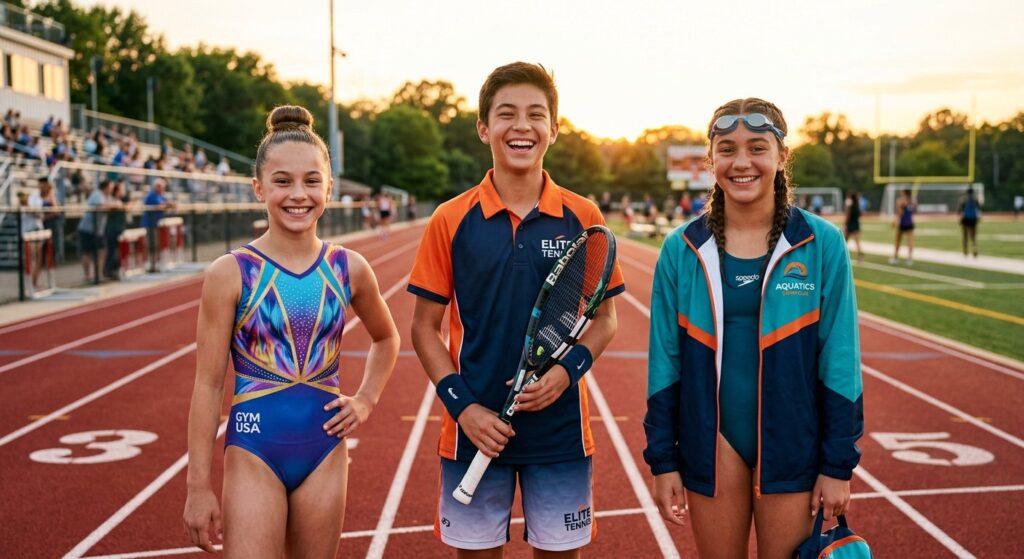
Sportswear prices vary by brand, fabric, construction, and intended use. Higher cost does not always mean better suitability.
Children’s athletic clothing should be evaluated according to comfort, durability, and sport requirements. Families can often find practical options without purchasing premium collections.
Budget Sportswear
Affordable clothing may be suitable for beginners or children trying a new activity. Basic garments can provide appropriate comfort when correctly fitted.
Parents should still inspect construction and fabric quality. Low price should not justify unsuitable clothing.
Mid-Range Sportswear
Mid-range products may offer additional fabric options or durability features. Their value depends on the child’s training frequency.
Families should compare actual construction rather than assuming every feature provides a performance advantage.
Premium Sportswear
Premium garments may use specialist materials or competition-specific designs. These can be appropriate when required or genuinely beneficial.
However, children’s athletic clothing does not need luxury branding to support participation. Skill development depends on many factors beyond apparel.
Building a Practical Sportswear Wardrobe
Children participating in several sports may need different clothing for each activity. A practical wardrobe should reflect training frequency and facility requirements.
Children’s athletic clothing can be organized around essential items rather than complete branded collections. This helps control costs and reduce unnecessary purchases.
Gymnastics Essentials
A suitable leotard or club-approved training outfit is often the main requirement. Additional warm-up garments may be useful depending on the facility.
Parents should confirm whether competition clothing is necessary. Beginners may not need specialized performance designs.
Tennis Essentials
Comfortable tops, suitable shorts or skorts, socks, and appropriate tennis shoes form a practical starting point. Outdoor sessions may require additional sun protection.
Children’s athletic clothing for tennis should allow running, turning, and reaching without restriction.
Swimming Essentials
Suitable swimwear is essential, while goggles and swimming caps may be required or recommended by the facility. Towels and warm clothing for after swimming are also practical.
Parents should follow pool rules and instructor guidance. Additional equipment should match the child’s level and needs.
Common Mistakes When Buying Children’s Athletic Clothing
Parents can avoid several purchasing problems through careful planning. Common mistakes include choosing the wrong size, prioritizing appearance, and overlooking sport-specific requirements.
Children’s athletic clothing should be selected for practical use rather than promotional photographs alone.
Buying Too Large for Growth
Oversized garments may shift, bunch, or interfere with movement. This can be particularly problematic in gymnastics and swimming.
Choose clothing that fits appropriately now. Future growth should not compromise current suitability.
Ignoring Club Requirements
Some clubs have rules concerning clothing styles, colors, footwear, or accessories. Purchasing before checking these requirements can lead to unnecessary expense.
Ask instructors for current guidance. Competition rules may differ from ordinary training requirements.
Choosing Fabric Without Considering Activity
A thick cotton garment may be comfortable for casual wear but less suitable for vigorous activity in warm conditions. Swimwear requires different materials from ordinary sports clothing.
Children’s athletic clothing should match the environment and movement demands.
Overlooking the Child’s Comfort
A garment may appear to fit while causing irritation during activity. Children should have opportunities to report discomfort.
Parents can assess clothing during simple movements. Persistent rubbing or pressure indicates that another option may be better.
Buying Children’s Athletic Clothing Online
Online shopping offers access to numerous sportswear brands and designs. However, sizing and fabric feel can be difficult to judge from photographs.
Parents should review detailed measurements, product materials, and return policies before ordering children’s athletic clothing.
Use Size Charts
Manufacturer size charts provide a more reliable starting point than age labels alone. Measure the child and compare the results carefully.
Different brands may fit differently. Do not assume the same labeled size will be identical across products.
Read Product Descriptions
Check fabric composition, intended sport, care instructions, and any relevant safety features. Marketing images may not show important construction details.
Children’s athletic clothing should be evaluated through specifications as well as appearance.
Review Returns Policies
Children may find a garment uncomfortable even when the listed size appears correct. Suitable return arrangements can reduce purchasing risk.
Check hygiene restrictions for swimwear and other relevant products. Retailer policies may differ.
Supporting Young Athletes Beyond Clothing
Sportswear is only one part of a child’s sporting experience. Appropriate coaching, rest, hydration, nutrition, and emotional support are also important.
Children’s athletic clothing should make participation comfortable, but it cannot guarantee better performance or prevent every injury.
Encourage Enjoyment
Children are more likely to continue activities they find rewarding and enjoyable. Excessive pressure around competition or appearance can undermine that experience.
Parents can support progress through encouragement and realistic expectations. Clothing should remain a practical tool rather than a status symbol.
Prioritize Appropriate Training
Coaches should adapt activities to age, skill level, and physical development. Safe technique and suitable progression matter across gymnastics, tennis, and swimming.
Parents should communicate relevant concerns with instructors. Proper sportswear complements professional coaching but does not replace it.
How Sportswear Trends May Develop Beyond 2026
Youth sportswear will likely continue evolving through fabric innovation, changing consumer preferences, and broader interest in inclusive design. However, future product trends cannot guarantee better athletic outcomes.
Children’s athletic clothing should continue to be evaluated through comfort, durability, suitability, and credible performance information. New technologies are worthwhile when they solve genuine problems.
Practical Innovation Matters
Improved seam construction, fabric durability, and accessible sizing may provide meaningful value. These changes can support everyday usability.
Parents should remain cautious about exaggerated claims. A fashionable feature is not necessarily a functional improvement.
A Final Buying Checklist for Parents
Before purchasing children’s athletic clothing, consider whether the garment matches the child’s sport, measurements, and comfort preferences. Also review training rules, materials, durability, and maintenance requirements.
Useful questions include:
- Does the garment fit correctly?
- Can the child move comfortably?
- Is it suitable for the intended sport?
- Does it meet club requirements?
- Are seams and waistbands comfortable?
- Is the fabric appropriate for the environment?
- Can the garment withstand regular washing?
- Are decorative features safe?
- Does the child like wearing it?
- Is the price reasonable for expected use?
These questions help parents focus on practical suitability. The best children’s athletic clothing supports participation without creating unnecessary discomfort or expense.
FAQ’s
What is the best children’s athletic clothing for gymnastics?
Properly fitted gymnastics leotards or club-approved training outfits are common choices. Clothing should allow unrestricted movement and avoid loose accessories that could interfere with equipment.
What should children wear for tennis training?
Children can wear breathable athletic tops, comfortable shorts, skorts, or suitable dresses with appropriate tennis footwear. Clothing should allow running, turning, and overhead movement.
Which fabrics are best for children’s swimming clothes?
Polyester, nylon, and elastane blends are commonly used in swimwear. Choose a secure fit and materials suitable for regular water exposure and the intended swimming activity.
How should children’s athletic clothing fit?
Sportswear should allow comfortable movement without excessive tightness or unnecessary looseness. Use current measurements and test basic movements before regular use.
Is expensive children’s sportswear better?
Not necessarily. Price does not guarantee comfort or durability, so parents should compare fabric quality, construction, fit, and sport-specific requirements.
How often should children’s athletic clothing be replaced?
Replace garments when they become too small, damaged, uncomfortable, or unsuitable for the activity. Growth, training frequency, and fabric wear influence replacement needs.
Conclusion
Choosing children’s athletic clothing requires understanding the different demands of gymnastics, tennis, and swimming. Gymnasts need garments that support flexibility, tennis players benefit from comfortable clothing suited to rapid movement, and swimmers require secure swimwear designed for water exposure. Across all three sports, appropriate fit, durable materials, and practical design matter more than expensive branding or seasonal trends.
Parents can make better decisions by involving children in clothing selection, checking club requirements, comparing fabric quality, and choosing sizes based on current measurements. The best children’s athletic clothing supports comfort, confidence, and enjoyable participation while remaining suitable for everyday training. With thoughtful choices, families can build practical sportswear collections that meet young athletes’ needs throughout 2026 and beyond.
Leave a Reply