
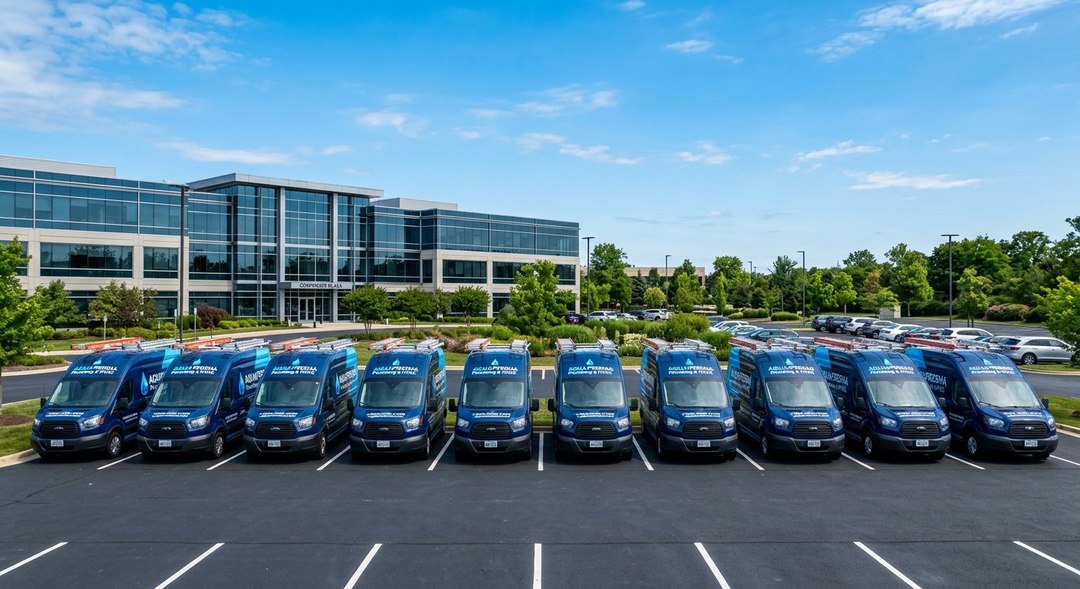
Every business owner wants marketing that attracts attention, builds recognition, and delivers measurable value. Traditional advertising channels often require recurring payments, making it challenging to maintain visibility without increasing monthly expenses. Vehicle branding offers a different approach by transforming company cars, vans, and trucks into mobile advertisements. Understanding fleet wrap costs is essential before investing in this marketing strategy because pricing, design quality, installation, and long-term durability directly influence the overall value.
For businesses operating delivery vehicles, service vans, or commercial fleets, fleet wraps can create brand exposure during everyday journeys and while vehicles are parked. However, the financial return depends on more than the initial installation price. Fleet wrap costs must be evaluated alongside expected service life, local visibility, design effectiveness, vehicle usage, and measurable customer enquiries. A carefully planned wrapping strategy can support business marketing goals while avoiding unnecessary spending.
What Are Fleet Wraps?
Fleet wraps are professionally applied vinyl graphics used to display business branding, advertising messages, and contact information on company vehicles.
They can cover a small section of a vehicle or extend across most of its exterior body panels.
Businesses commonly use fleet wraps to display company names, logos, websites, telephone numbers, and service descriptions.
Unlike permanent paintwork, many professional vinyl wraps can be removed under suitable conditions.
However, removal results depend on the condition of the underlying paint, adhesive type, installation quality, and length of time the wrap has been applied.
How Do Fleet Wraps Work?
Fleet wrapping involves applying printed or coloured vinyl films to prepared vehicle surfaces.
Professional installers measure the vehicle, prepare artwork, clean suitable body panels, and position the vinyl carefully.
Heat and specialist tools may be used to conform the material to curves and contours.
The finished result should display consistent branding without interfering with essential vehicle functions.
The complexity of the installation influences fleet wrap costs.
Vehicles with extensive curves, damaged paint, complicated bodywork, or numerous accessories may require additional preparation and labour.
Why Businesses Use Fleet Wraps
Fleet wraps are used across many industries, including:
- Plumbing and electrical services.
- Construction and property maintenance.
- Delivery and logistics.
- Cleaning businesses.
- Landscaping companies.
- Food delivery and catering.
- Healthcare transportation.
- Home improvement services.
- Local retail and distribution.
For these businesses, branded vehicles can reinforce recognition among people who regularly see them.
However, visibility alone does not guarantee new customers.
The design must communicate a clear message, and the business must have a way to convert attention into enquiries.
How Much Do Fleet Wraps Cost?
Fleet wrap costs vary significantly according to vehicle size, coverage, material quality, design complexity, and installation requirements.
A compact car with basic graphics generally costs less to brand than a large commercial van with a complete printed wrap.
Prices also depend on location, installer expertise, and the condition of the vehicle.
Typical Fleet Wrap Costs by Vehicle Type
The following figures are broad illustrative estimates for the United States, not verified live quotations. Actual prices can fall outside these ranges.
| Vehicle Type | Partial Wrap Estimate | Full Wrap Estimate |
|---|---|---|
| Compact car | $500–$1,500 | $2,000–$3,500 |
| Standard sedan | $700–$1,800 | $2,500–$4,000 |
| Small commercial van | $800–$2,000 | $2,500–$4,500 |
| Medium service van | $1,000–$2,500 | $3,000–$5,500 |
| Large cargo van | $1,500–$3,500 | $4,000–$7,000 |
| Pickup truck | $800–$2,500 | $2,500–$5,000 |
| Large box truck | $2,000–$5,000 | $5,000–$10,000+ |
These estimates are intended for preliminary budgeting.
Fleet wrap costs may increase when extensive design work, paint preparation, specialist materials, or complex installation is required.
For an accurate quotation, businesses should provide the installer with vehicle details, photographs, coverage preferences, and artwork requirements.
7 Major Factors That Influence Fleet Wrap Costs
Understanding the main pricing variables helps businesses compare quotations and avoid unexpected expenses.
1. Vehicle Size and Surface Area
Vehicle size is one of the most important factors affecting fleet wrap costs.
Larger vehicles require more vinyl material and generally involve more installation labour.
A compact delivery car has less exterior surface area than a full-size commercial van.
Box trucks may have large flat panels that are relatively straightforward to wrap, but their total material requirements can still be substantial.
Why Vehicle Shape Matters
Surface area alone does not determine installation complexity.
A vehicle with deep curves, recessed panels, or complicated bumpers may require more labour than a similarly sized vehicle with flat surfaces.
Installers must carefully position the vinyl to avoid visible defects.
Therefore, fleet wrap costs should reflect both vehicle dimensions and bodywork complexity.
2. Full Wrap vs Partial Wrap Coverage
The amount of vehicle coverage significantly influences pricing.
A full wrap typically covers most of the visible painted exterior panels.
A partial wrap covers selected areas, such as doors, side panels, or rear sections.
Full wraps require more material and installation time.
However, partial wraps can still create effective advertising when professionally designed.
When Full Wraps Make Sense
Full wraps may suit businesses seeking a strong visual transformation.
They can be useful when the existing vehicle colour does not match the brand identity.
A complete design may also provide greater flexibility for large graphics.
However, fleet wrap costs increase with extensive coverage.
When Partial Wraps Are Better
Partial wraps may be appropriate for businesses with limited budgets.
A well-designed partial wrap can display essential branding without covering the entire vehicle.
Using the existing paint colour as part of the design may reduce material requirements.
The best option depends on visibility goals and budget.
3. Vinyl Material Quality
Vinyl quality affects appearance, durability, and installation characteristics.
Professional wrapping materials are available in different grades.
Cast vinyl is commonly used for demanding vehicle wrap applications because it is designed to conform to complex surfaces.
Calendered vinyl may be suitable for certain simpler applications, depending on manufacturer specifications.
However, not every vinyl product is appropriate for long-term vehicle wrapping.
Why Premium Materials Cost More
Higher-quality materials may offer better conformability, adhesive performance, and expected durability.
These characteristics can be valuable for vehicles exposed to frequent driving and outdoor conditions.
However, product performance depends on correct installation and maintenance.
Fleet wrap costs should be assessed alongside the manufacturer’s stated material specifications.
4. Design Complexity
Graphic design is another important pricing factor.
A simple logo and contact information generally require less design work than a detailed commercial illustration.
Custom photography, complex layouts, and multiple vehicle variations may increase preparation time.
Effective Design Does Not Need to Be Complicated
An effective fleet wrap should communicate essential information quickly.
Drivers and pedestrians may only see a moving vehicle for a short time.
Therefore, clarity is usually more important than excessive decoration.
A useful design generally includes:
- A recognisable business name.
- A clear logo.
- A short service description.
- Readable contact information.
- Consistent brand colours.
- A memorable visual element.
- An appropriate call to action.
Fleet wrap costs should include adequate design planning because poor artwork can reduce the value of an otherwise expensive installation.
5. Installation Labour
Professional installation requires technical skill.
Installers must prepare surfaces, align graphics, manage curved panels, and finish edges correctly.
Complex vehicles require more time.
Poor installation can result in bubbles, lifting edges, distortion, or premature failure.
However, even experienced installers cannot guarantee that a wrap will remain perfect under every condition.
Why Installer Experience Matters
A skilled installer should understand material behaviour and manufacturer recommendations.
Businesses should ask about relevant experience, previous commercial projects, and warranty conditions.
Choosing the cheapest installer without evaluating quality may create additional costs if repairs or replacement become necessary.
6. Fleet Size and Order Quantity
Businesses wrapping multiple vehicles may benefit from production efficiencies.
Once a design has been developed, it may be adapted for other vehicles.
However, different models still require suitable templates and installation planning.
Some providers offer volume pricing.
Fleet wrap costs per vehicle may decrease when multiple similar vehicles are processed together.
Nevertheless, discounts are not guaranteed.
Businesses should request itemised quotations for the complete fleet.
7. Surface Preparation and Existing Vehicle Condition
Vinyl wraps require suitable surfaces for proper adhesion.
Dirt, wax, grease, corrosion, and unstable paint can interfere with installation.
Vehicles with damaged bodywork may require repairs before wrapping.
Can Fleet Wraps Cover Scratches?
Vinyl can visually cover some minor cosmetic imperfections.
However, it does not repair damaged paint or body panels.
Deep scratches, peeling paint, and corrosion may remain visible or interfere with adhesion.
A professional inspection helps determine whether preparation is necessary.
Additional repair work can increase fleet wrap costs.
Fleet Wrap Costs vs Traditional Vehicle Painting
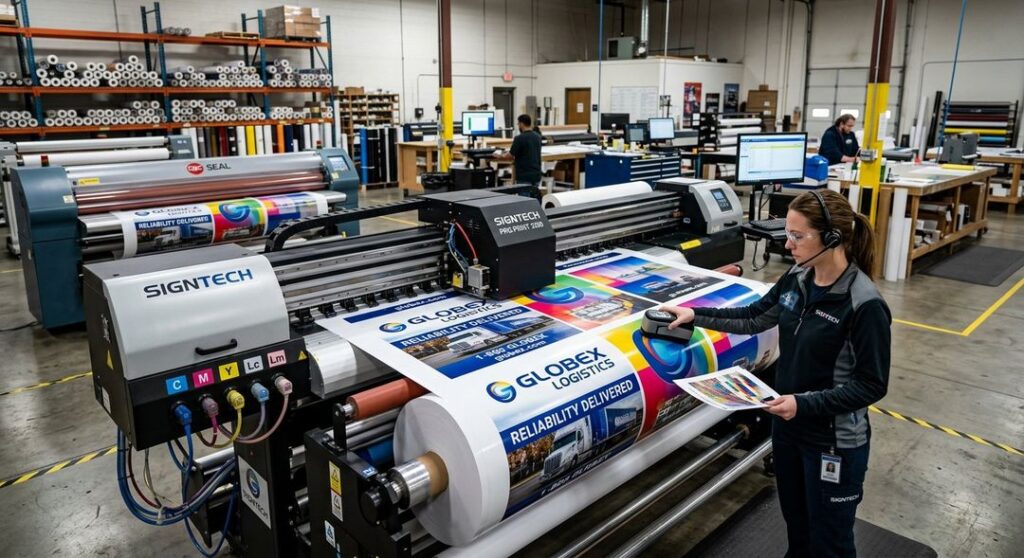
Businesses sometimes compare vinyl wrapping with repainting vehicles.
Both options can change appearance, but they serve different purposes.
| Feature | Fleet Wraps | Vehicle Painting |
|---|---|---|
| Primary purpose | Branding and visual advertising | Permanent or semi-permanent finish |
| Design flexibility | Printed graphics and detailed branding | Primarily paint-based finishes |
| Removal | Often removable under suitable conditions | Usually requires refinishing |
| Installation time | Depends on coverage and complexity | Depends on preparation and paintwork |
| Durability | Depends on material and exposure | Depends on paint quality and maintenance |
| Branding updates | Graphics can be replaced | Repainting may be required |
| Surface requirements | Stable, suitable paint needed | Preparation and refinishing required |
| Cost | Varies by wrap specification | Varies by paint system and labour |
Fleet wraps are particularly useful for businesses that want advertising graphics.
Painting may be more appropriate when the primary objective is restoring damaged bodywork.
How Long Do Fleet Wraps Last?
The service life of a vehicle wrap depends on material quality, climate, exposure, installation, and maintenance.
Some professionally installed wraps may remain serviceable for several years.
However, manufacturers often provide different durability estimates for vertical and horizontal surfaces.
Roofs and bonnets may experience greater exposure to sunlight and environmental conditions.
Factors Affecting Wrap Longevity
Several conditions influence durability.
- Ultraviolet radiation.
- Heat and temperature changes.
- Frequent outdoor parking.
- Harsh cleaning chemicals.
- Abrasive washing methods.
- Road debris.
- Installation quality.
- Material selection.
Fleet wrap costs should be evaluated against the expected service period.
A cheaper wrap that requires early replacement may offer poorer long-term value than a more durable alternative.
Can Fleet Wraps Damage Vehicle Paint?
When suitable vinyl is installed and removed correctly from sound factory paint, removal may be completed without damage.
However, problems can arise with repainted panels, deteriorated paint, or unsuitable removal techniques.
Businesses should disclose previous bodywork repairs before installation.
A professional installer should explain relevant risks.
Understanding Fleet Wrap Advertising ROI
Return on investment measures the financial relationship between marketing costs and the value generated.
For fleet wraps, ROI depends on whether vehicle advertising contributes to profitable business activity.
A branded vehicle may create repeated exposure, but impressions alone do not establish financial success.
How to Calculate Fleet Wrap ROI
A basic marketing ROI calculation compares attributable profit with campaign expenditure.
ROI equals attributable profit minus marketing cost, divided by marketing cost, multiplied by 100.
For example, suppose a business spends $4,000 on a vehicle wrap.
Over the relevant measurement period, enquiries attributed to the wrap generate $7,000 in contribution profit before wrap costs.
The estimated ROI would be:
($7,000 – $4,000) ÷ $4,000 × 100 = 75%
This example assumes that the attributed profit is measured accurately.
Revenue should not be confused with profit.
The calculation should also account for relevant design, installation, maintenance, and removal expenses.
Why Attribution Is Difficult
Customers may encounter a business through several channels.
Someone might see a branded van, search online later, and then contact the company.
The wrap may contribute to the decision without being the only influence.
This makes precise attribution challenging.
Businesses should use practical tracking methods rather than assuming every nearby customer was acquired through vehicle advertising.
How to Measure Fleet Wrap Marketing Performance
Measuring marketing results helps businesses determine whether fleet wrap costs are justified.
Dedicated Phone Numbers
A dedicated tracking number can identify calls associated with vehicle advertising.
However, call tracking must comply with applicable privacy and data protection requirements.
Unique Landing Pages
Businesses can display a short website address that directs visitors to a specific page.
Traffic to that page may provide useful information about engagement.
However, not every visitor will use the displayed URL.
QR Codes
QR codes may allow pedestrians to access information quickly.
However, they are less practical on moving vehicles.
A QR code should never encourage drivers to use a phone while operating a vehicle.
Customer Enquiry Questions
Businesses can ask customers how they heard about the company.
This provides useful information, although answers may be incomplete or inaccurate.
Geographic Performance
Tracking enquiries from areas where vehicles regularly operate may reveal patterns.
However, location-based changes can have multiple causes.
Fleet wrap costs should be evaluated using several measures rather than relying on a single metric.
Fleet Wrap Costs for Small Businesses
Small businesses often need to balance marketing visibility with limited budgets.
Vehicle wrapping can be appealing because an existing business vehicle becomes an advertising surface.
However, the investment still requires planning.
Starting With One Vehicle
A small company may begin by wrapping one frequently used vehicle.
This allows the business to evaluate design quality, customer response, and maintenance needs.
The results can inform future fleet branding decisions.
Using Partial Wraps Strategically
Partial wraps can reduce initial expenditure.
For example, a service van may display branding on its side doors and rear panels.
These areas can communicate essential information without requiring full coverage.
Choosing Timeless Branding
Frequent design changes increase long-term fleet wrap costs.
Businesses should avoid including temporary promotions that quickly become outdated.
Permanent branding, core services, and stable contact details may provide better longevity.
Fleet Wrap Costs for Large Commercial Fleets
Large fleets introduce additional considerations.
Businesses may operate different vehicle models across multiple regions.
Maintaining brand consistency can become challenging.
Standardised Design Systems
A standardised branding system helps ensure that vehicles look recognisable.
However, artwork should be adapted to different body shapes.
A design that works on a box truck may need significant adjustment for a compact van.
Coordinated Installation Scheduling
Removing vehicles from service can affect operations.
Businesses should schedule wrapping around delivery requirements and maintenance periods.
The cost of vehicle downtime should be considered when evaluating fleet wrap costs.
Maintenance Across Multiple Locations
Large fleets may require consistent cleaning and inspection procedures.
Documented maintenance guidance can help drivers and fleet managers protect the wraps.
Budgeting for Replacement
Wraps may need replacement because of wear, damage, rebranding, or vehicle disposal.
Businesses should plan for these expenses rather than treating installation as a permanent investment.
Full Fleet Wraps vs Partial Fleet Wraps
Choosing between full and partial wraps depends on marketing objectives.
Full Fleet Wrap Advantages
Full wraps can provide extensive design space.
They may create strong visual consistency when vehicles have different original paint colours.
They also offer more opportunities for large graphics.
Full Fleet Wrap Limitations
Greater coverage usually increases material and installation requirements.
Complex graphics may also require additional design work.
Partial Fleet Wrap Advantages
Partial wraps can be more affordable.
They may be quicker to install and easier to update.
A thoughtful design can use the vehicle’s existing colour effectively.
Partial Fleet Wrap Limitations
Limited coverage reduces the available advertising area.
Poorly positioned graphics may be difficult to read.
Fleet wrap costs should be compared alongside visibility and design effectiveness.
Best Design Practices for Fleet Advertising
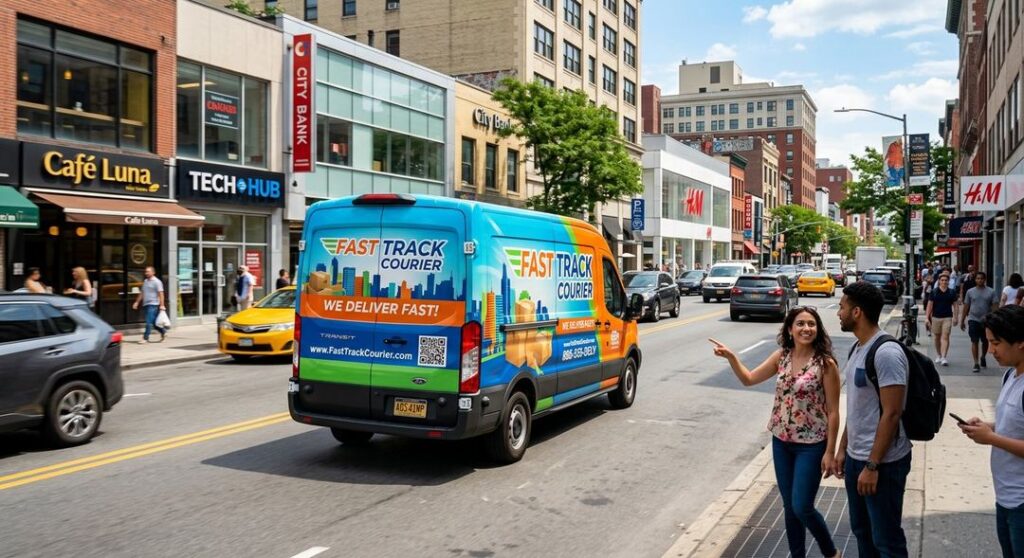
An expensive wrap does not automatically create effective marketing.
Design quality plays a major role in whether people notice and remember the brand.
Keep the Message Clear
A moving vehicle provides limited reading time.
Use concise wording that communicates the business’s main service.
Avoid lengthy descriptions.
Prioritise Readability
Choose fonts that remain legible at practical viewing distances.
Decorative lettering may look attractive on a screen but become difficult to recognise on a vehicle.
Use Strong Colour Contrast
Contrast helps important information stand out.
For example, dark lettering on a light background may be easier to read than similar colours placed together.
Include Essential Contact Details
A website address or memorable telephone number can provide a clear next step.
Avoid overcrowding the design with multiple communication channels.
Consider Vehicle Movement
Graphics should remain understandable while the vehicle is moving or parked.
Important information should not depend on someone viewing the entire vehicle from one specific angle.
How Fleet Wraps Support Local Business Marketing
Fleet wraps can be particularly relevant for companies serving defined geographic areas.
Service vehicles frequently travel through neighbourhoods where potential customers live or work.
Repeated brand exposure may support recognition.
However, visibility does not establish that viewers will become customers.
Local Service Businesses
Plumbers, electricians, cleaners, and landscaping companies may benefit from displaying their services on work vehicles.
A branded van parked near a customer property can communicate the company’s presence.
Delivery Companies
Delivery vehicles travel through multiple locations.
Consistent branding can reinforce business identity during routine operations.
Contractors and Construction Companies
Commercial vehicles may remain parked at job sites for extended periods.
Readable branding can help nearby residents identify the business.
Food and Catering Businesses
Branded vehicles can support recognition for catering, mobile food, and delivery operations.
However, vehicle graphics should comply with applicable road safety and commercial requirements.
Common Mistakes That Increase Fleet Wrap Costs
Avoiding preventable mistakes can improve budget control.
Choosing Low-Quality Materials
Inappropriate vinyl may fail prematurely.
Businesses should verify the material specifications and intended application.
Skipping Professional Design
Poor artwork can reduce readability and marketing effectiveness.
Design should be adapted to the vehicle’s actual dimensions.
Ignoring Surface Condition
Wrapping unstable paint can create adhesion problems.
Inspect vehicles before installation.
Comparing Quotes Without Checking Scope
One quotation may include design, printing, and installation.
Another may exclude preparation or removal.
Compare complete service packages.
Overcomplicating the Advertisement
Too much information can make a vehicle difficult to read.
Prioritise the company name, primary service, and contact details.
Neglecting Maintenance
Incorrect washing methods can damage the wrap.
Follow material and installer care instructions.
How to Reduce Fleet Wrap Costs Without Sacrificing Quality
Businesses can control expenses through careful planning.
Use Existing Brand Assets
Providing suitable vector logos and established brand colours may reduce design preparation.
However, artwork must still be adapted professionally.
Standardise Vehicle Designs
Using consistent branding across similar vehicles can simplify production.
Different vehicle models may still require separate layouts.
Choose Coverage Strategically
Full coverage is not always necessary.
Focus on the areas most likely to communicate the message effectively.
Plan Installations Together
Coordinating multiple vehicles may reduce certain setup expenses.
However, businesses must balance potential savings against operational downtime.
Maintain Wraps Properly
Regular, appropriate cleaning can help preserve appearance.
Avoid abrasive equipment and unsuitable chemicals.
Fleet Wrap Maintenance Tips
Proper maintenance helps protect the investment.
Wash Vehicles Regularly
Remove dirt, road salt, bird droppings, and other contaminants according to the vinyl manufacturer’s guidance.
Allowing contaminants to remain on the surface can affect appearance.
Avoid Harsh Chemicals
Strong solvents and abrasive cleaning products may damage printed graphics or protective laminates.
Use cleaning methods approved for the installed film.
Be Careful With Pressure Washing
Pressure washing may be permitted under certain manufacturer conditions.
However, excessive pressure or directing water at wrap edges can cause lifting.
Follow the installer and manufacturer recommendations.
Inspect Edges and Corners
Check for lifting, tears, or visible damage.
Early professional attention may prevent minor problems from becoming larger repairs.
Avoid Unnecessary Heat Exposure
Outdoor parking conditions cannot always be controlled.
However, prolonged environmental exposure can influence wrap durability.
Covered parking may be beneficial when practical.
When Should Businesses Replace Fleet Wraps?
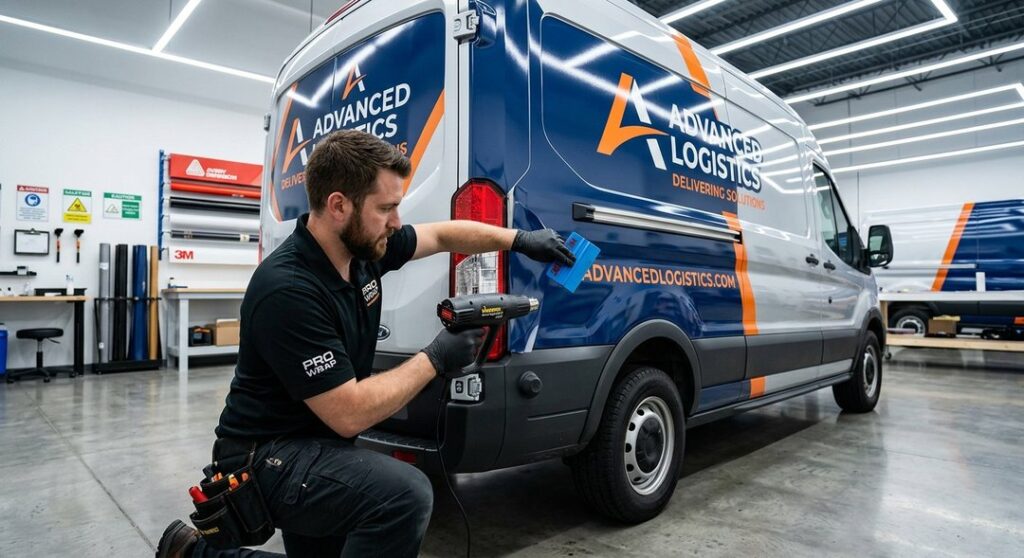
Replacement may become necessary when graphics fade, peel, crack, or no longer represent the business accurately.
The correct timing depends on the wrap’s condition and marketing requirements.
Visible Deterioration
Significant fading or damaged graphics can weaken brand presentation.
A deteriorated wrap may create an unfavourable impression.
Business Rebranding
Changes to logos, colours, or company names may require new graphics.
Businesses should plan these changes carefully to avoid repeated expenditure.
Outdated Contact Information
Incorrect phone numbers or website addresses can reduce advertising usefulness.
Sometimes individual graphics can be replaced without rewrapping the entire vehicle.
Vehicle Replacement
When vehicles are sold or replaced, businesses may need wrap removal or new installations.
Fleet wrap costs should therefore be included in fleet replacement planning.
How to Choose a Professional Fleet Wrap Company
Selecting the right installer can influence quality and long-term value.
Review Previous Work
Ask to see examples of completed commercial vehicle wraps.
Look for consistent alignment, clean edges, and readable designs.
Ask About Materials
Confirm which vinyl and laminate products will be used.
Request manufacturer information where relevant.
Understand Warranty Terms
Some installers provide workmanship warranties.
Material warranties may have separate conditions.
Ask what is covered and what is excluded.
Request an Itemised Quote
A useful quotation should identify design, printing, installation, preparation, and any additional charges.
Confirm Installation Time
Understand how long each vehicle will be unavailable.
This is particularly important for businesses with limited fleet capacity.
Discuss Removal Requirements
Ask whether the company provides professional wrap removal and how it handles existing paint concerns.
Fleet Wrap Costs and Long-Term Marketing Value
Vehicle advertising differs from many digital marketing channels because it does not necessarily require payment for each impression or click.
However, fleet wraps still involve upfront expenditure and ongoing maintenance.
Their long-term value depends on whether the advertising reaches relevant audiences and contributes to profitable enquiries.
Comparing Advertising Channels
| Marketing Channel | Main Cost Structure | Key Measurement |
|---|---|---|
| Fleet wraps | Design, production, installation, maintenance | Attributable enquiries and profit |
| Search advertising | Often pay-per-click | Conversions and acquisition cost |
| Social media advertising | Campaign-based spending | Leads, conversions, engagement |
| Printed flyers | Design, printing, distribution | Responses and enquiries |
| Billboards | Placement and campaign duration | Estimated reach and campaign results |
| Local sponsorship | Sponsorship agreement | Brand exposure and attributable outcomes |
Each channel has advantages and limitations.
Fleet wrap costs should be evaluated as part of a wider marketing budget rather than in isolation.
Are Fleet Wraps Worth It for Business Owners?
Fleet wraps may be worthwhile when vehicles regularly operate in areas containing potential customers.
They can provide consistent branding during normal business activities.
However, a wrap is not guaranteed to generate enough business to recover its cost.
The potential return depends on factors such as vehicle routes, audience relevance, design quality, and customer conversion.
When Fleet Wraps Make Sense
The investment may be suitable when:
- Vehicles are used regularly.
- The business serves local customers.
- Branding is clear and recognisable.
- Vehicles remain in service for several years.
- The company can track enquiries.
- The installation cost fits the marketing budget.
When Fleet Wraps May Be Less Effective
Vehicle wrapping may be less suitable when:
- Vehicles are rarely driven.
- Routes have limited exposure to target customers.
- The business changes branding frequently.
- Vehicles are scheduled for replacement.
- Marketing attribution is not considered.
- The budget cannot support quality materials.
The best decision depends on realistic business conditions.
How to Create a Fleet Wrap Budget
A practical budget should include more than the initial installation quotation.
Initial Design Costs
Professional artwork preparation may be charged separately.
Confirm the scope and number of revisions included.
Printing and Materials
Vinyl type, printing requirements, and protective laminate influence costs.
Installation Expenses
Labour depends on vehicle size and complexity.
Vehicle Downtime
A vehicle unavailable during installation may affect business operations.
Maintenance and Repairs
Damage or premature wear may create additional expenses.
Future Removal
Professional removal may be required before selling or replacing vehicles.
By accounting for these factors, businesses can estimate fleet wrap costs more accurately.
FAQ’s
1. How Much Do Fleet Wraps Cost per Vehicle?
Fleet wrap costs vary by vehicle size, coverage, materials, and location. Full wraps commonly cost several thousand dollars, while partial wraps may be less expensive.
2. Are Fleet Wraps a Good Marketing Investment?
Fleet wraps can support brand visibility and customer enquiries. Their financial value depends on audience exposure, design quality, conversion rates, and total costs.
3. How Long Does a Commercial Vehicle Wrap Last?
Many professional vehicle wraps can remain serviceable for several years, but durability depends on material quality, climate, installation, and maintenance.
4. Are Partial Fleet Wraps Cheaper Than Full Wraps?
Yes, partial wraps generally require less material and labour. However, the final price depends on design complexity and vehicle characteristics.
5. Can Fleet Wraps Damage Vehicle Paint?
Properly installed and removed vinyl may be suitable for sound factory paint. Existing paint damage, poor installation, or incorrect removal can increase risks.
6. How Can Businesses Calculate Fleet Wrap ROI?
Compare attributable contribution profit with total wrapping expenses. Track enquiries through dedicated contact methods, customer feedback, and campaign-specific measurements.
Conclusion
Fleet wrap costs are an important consideration for businesses looking to turn commercial vehicles into effective advertising assets. Pricing depends on vehicle dimensions, vinyl quality, design complexity, installation requirements, and fleet size. Although professional wrapping requires an upfront investment, a carefully designed vehicle advertisement can support brand recognition and generate opportunities for customer enquiries during everyday business operations. However, visibility alone does not establish profitability, and companies should avoid relying on unsupported claims about guaranteed advertising impressions or returns.
The best way to manage fleet wrap costs is to approach vehicle branding as a measurable marketing investment. Business owners should compare detailed quotations, choose appropriate materials, prioritise readable designs, and account for maintenance, downtime, and eventual replacement. Tracking customer responses and calculating attributable profit can help determine whether wrapping delivers meaningful value. With realistic budgeting and professional execution, fleet wraps can become a useful part of a broader business marketing strategy while supporting consistent branding across commercial vehicles.
Leave a Reply