
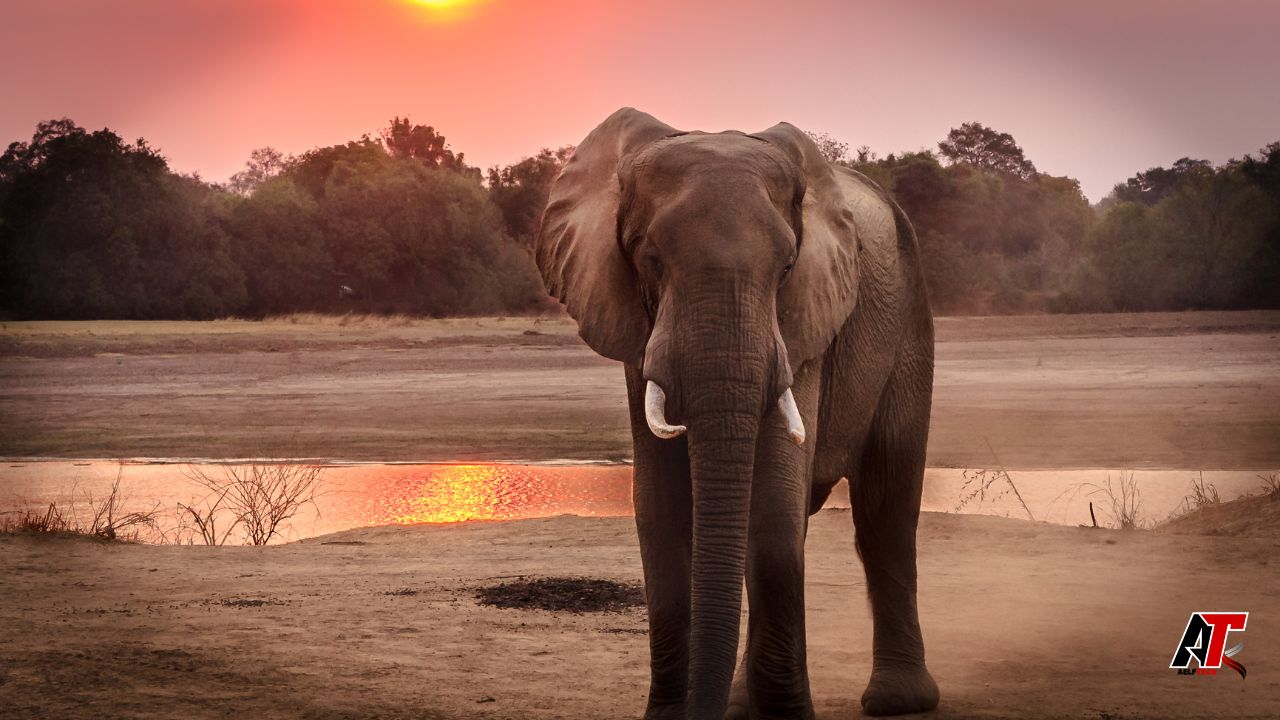
For travelers seeking an unforgettable African adventure, Tanzania Safaris offer some of the most spectacular wildlife experiences in the world. From the vast plains of the Serengeti to the breathtaking Ngorongoro Crater and the remote wilderness of Selous, Tanzania is home to diverse ecosystems and extraordinary biodiversity. Whether you are planning a luxury safari, a budget-friendly wildlife tour, or a private photographic expedition, understanding the destinations, seasons, and travel logistics will help you create the ultimate safari experience.
Why Choose Tanzania for a Safari?
Tanzania is widely regarded as one of the top safari destinations globally. The country boasts more than 20 national parks and game reserves, covering nearly 40 percent of its land area. This extensive conservation network ensures abundant wildlife and protected habitats.
Tanzania is especially famous for:
- The Great Wildebeest Migration
- High concentrations of lions and predators
- Large elephant herds
- Iconic African landscapes
- Authentic cultural encounters with Maasai communities
These factors make Tanzania a preferred destination for both first-time safari travelers and experienced wildlife enthusiasts.
Top National Parks for Tanzania Safaris
Serengeti National Park
The Serengeti is Tanzania’s most iconic safari destination. Known for its endless savannah plains, it hosts the annual Great Migration, where over two million wildebeest, zebras, and gazelles move in search of fresh grazing.
Wildlife highlights include:
- Lions and cheetahs
- Leopards
- African elephants
- Hyenas
- Crocodiles along the Mara River
The Serengeti offers year-round game viewing, with different migration stages occurring throughout the year.
Ngorongoro Conservation Area
The Ngorongoro Crater is the world’s largest intact volcanic caldera and a UNESCO World Heritage Site. It provides one of the highest concentrations of wildlife in Africa.
Visitors may encounter:
- Black rhinos
- Buffalo
- Hippos
- Flamingos
- Large lion prides
The enclosed crater environment increases the likelihood of spotting diverse species in a single day.
Tarangire National Park
Tarangire is famous for its ancient baobab trees and massive elephant herds. During the dry season, wildlife gathers around the Tarangire River, creating excellent game-viewing opportunities.
Lake Manyara National Park
Known for tree-climbing lions and birdlife, Lake Manyara offers scenic landscapes and diverse habitats within a relatively compact area.
Selous Game Reserve (Nyerere National Park)
This vast, less-crowded reserve provides a more remote safari experience. It is ideal for boat safaris and walking safaris, offering unique perspectives on African wildlife.
The Great Wildebeest Migration
One of the most remarkable natural events on Earth, the Great Migration is a key attraction for Tanzania Safaris. The migration cycle typically follows this pattern:
- January to March: Calving season in southern Serengeti
- April to June: Movement toward the western corridor
- July to September: River crossings in northern Serengeti
- October to December: Return toward southern plains
Witnessing dramatic river crossings, predator hunts, and massive herds crossing open plains is a once-in-a-lifetime experience.
Types of Tanzania Safaris
Luxury Safaris
Luxury safaris feature high-end lodges, private guides, gourmet dining, and exclusive game drives. These tours often include charter flights between parks for maximum comfort and efficiency.
Mid-Range Safaris
Mid-range options offer comfortable accommodations and shared game drives at more affordable prices.
Budget Safaris
Budget safaris typically involve camping or basic lodges while still providing professional guides and quality wildlife viewing.
Private Safaris
Private safaris allow for personalized itineraries, flexible schedules, and exclusive vehicles.
Photographic Safaris
Designed for photography enthusiasts, these safaris provide specialized vehicles and experienced guides who understand lighting and wildlife behavior.
Best Time to Go on Tanzania Safaris
The dry season, from June to October, is generally considered the best time for wildlife viewing. Animals gather around water sources, and vegetation is less dense.
The green season, from November to May, offers fewer crowds, lush landscapes, and excellent birdwatching opportunities. Although rainfall occurs, it rarely disrupts travel significantly.
Choosing the right time depends on your priorities, whether migration viewing, birdwatching, or budget-friendly travel.
Accommodation Options
Tanzania provides diverse accommodation styles to suit various budgets and preferences.
- Luxury tented camps
- Eco-lodges
- Permanent safari lodges
- Mobile migration camps
- Public campsites
Luxury camps combine the thrill of staying in the wild with modern amenities, while mobile camps follow the migration for prime wildlife access.
Cultural Experiences
In addition to wildlife, Tanzania offers rich cultural experiences. Visitors can interact with Maasai communities to learn about traditional customs, beadwork, and pastoral lifestyles.
Cultural tourism initiatives promote responsible travel and support local economies.
Safari Costs and Budget Planning
The cost of Tanzania Safaris varies depending on duration, accommodation level, park fees, and transportation.
Key cost components include:
- Park entrance fees
- Accommodation
- Guide and vehicle services
- Domestic flights
- Meals and drinks
On average, daily safari costs range from moderate to premium depending on travel style. Booking through reputable tour operators ensures transparency and quality service.
Travel Tips for Tanzania Safaris
- Book well in advance, especially during peak migration season.
- Pack neutral-colored clothing for game drives.
- Bring binoculars and camera equipment.
- Ensure required vaccinations and travel insurance.
- Carry small denominations for tips and local purchases.
Proper preparation enhances comfort and safety throughout your safari journey.
Responsible and Sustainable Safari Travel
Sustainable tourism plays a critical role in protecting Tanzania’s wildlife and communities.
Choose operators that:
- Support conservation initiatives
- Employ local guides
- Follow ethical wildlife viewing practices
- Minimize environmental impact
Responsible travel ensures future generations can enjoy these remarkable ecosystems.
FAQs
1. How many days are ideal for Tanzania Safaris?
A typical safari lasts 5 to 10 days to explore multiple parks and fully experience wildlife viewing.
2. Is Tanzania safe for tourists?
Yes, Tanzania is generally safe for safari travelers when using reputable tour operators and following travel advice.
3. Do I need a visa to visit Tanzania?
Most travelers require a visa, which can often be obtained on arrival or through an online application process.
4. What animals can I see on a Tanzania safari?
You can see the Big Five—lion, elephant, buffalo, leopard, and rhino—along with giraffes, zebras, cheetahs, and countless bird species.
5. Are safaris suitable for families?
Yes, many lodges and operators offer family-friendly packages with age-appropriate activities.
Conclusion
Tanzania Safaris offer an extraordinary opportunity to experience Africa’s most iconic wildlife and landscapes in their natural habitat. From the legendary Serengeti plains to the dramatic Ngorongoro Crater and remote southern reserves, Tanzania provides unmatched biodiversity and breathtaking scenery. With diverse safari styles, year-round wildlife viewing, and strong conservation efforts, travelers can tailor their journey to suit personal preferences and budgets. Proper planning, responsible travel choices, and selecting experienced tour operators ensure a safe, immersive, and unforgettable safari adventure in one of the world’s premier wildlife destinations.
Leave a Reply