
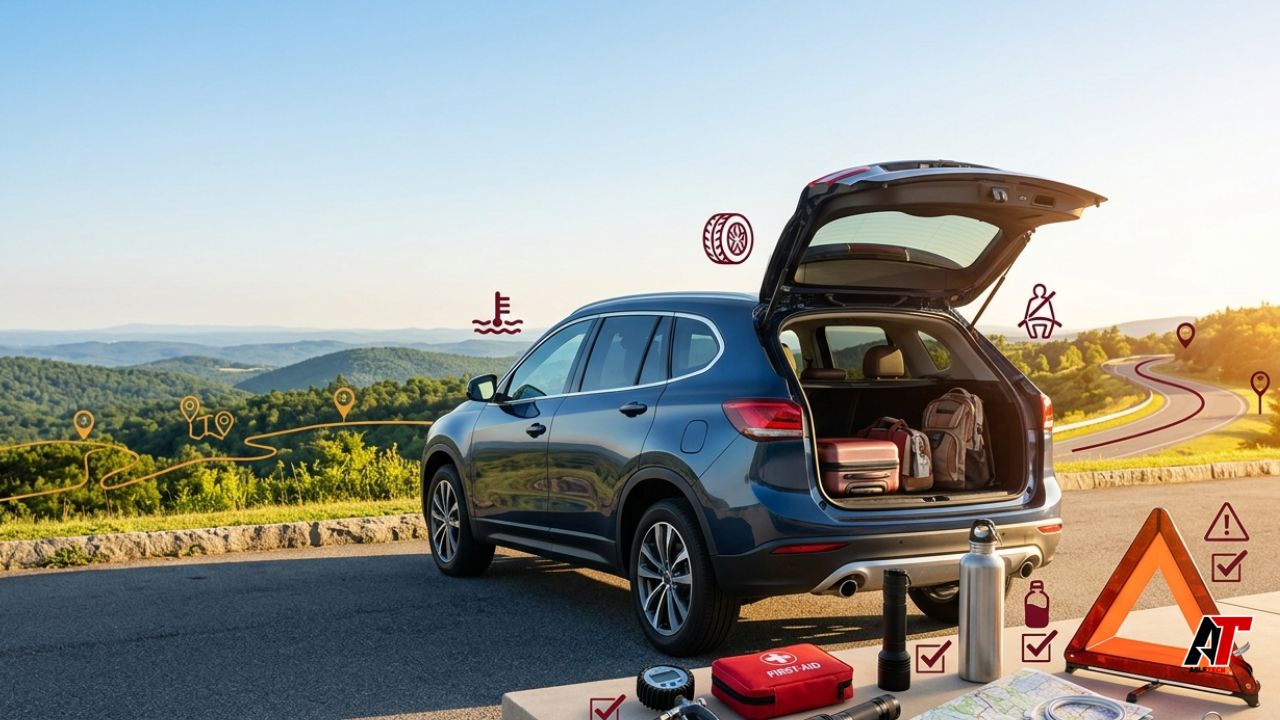
A summer road trip can feel wonderfully simple: pack a bag, choose a playlist, and point the car toward somewhere new. Yet hot weather, long distances, crowded highways, sudden storms, and unfamiliar roads place demands on both the vehicle and the driver. The best trips are rarely the most spontaneous ones. They are the journeys supported by a few sensible checks before departure and calm decisions along the way.
Good summer road trip safety does not require expert mechanical knowledge. It begins with understanding the warning signs your car already gives you, preparing for predictable problems, and accepting that fatigue or heat can affect judgment. Whether you are driving across one state or crossing several regions, the following guide will help you reduce avoidable delays, protect your passengers, and respond more confidently when plans change.
1. Plan the Route, but Prepare for the Route to Change
Start with more than a destination. Review the main route, reasonable alternatives, fuel or charging stops, road construction, tolls, weather, and areas where mobile service may be weak. Save the route offline and tell a trusted person where you expect to travel and when you plan to arrive. A paper map may seem old-fashioned, but it remains useful when a phone loses power or signal.
Build extra time into the schedule. Summer traffic can expand quickly near beaches, parks, festivals, and major cities. A rushed driver is more likely to speed, follow too closely, skip breaks, or make abrupt lane changes. Treat the estimated arrival time as a guide rather than a deadline. If severe weather develops, stop somewhere safe instead of trying to outrun a storm or pushing through flooded roads.
2. Give Your Tires a Serious Pre-Trip Inspection
Tires carry the entire load, yet they are often checked only after a warning light appears. Measure pressure when the tires are cold and use the pressure shown on the driver-door placard or in the owner’s manual—not the maximum number printed on the tire sidewall. Check the spare as well. Inspect tread and sidewalls for uneven wear, cuts, cracks, bulges, embedded objects, or exposed cords. Any suspicious damage deserves professional attention before a long journey.
Tire choice should match climate, temperature, vehicle specifications, and expected road conditions. In consistently warm conditions, switching to sommardäck (summer tires) helps improve grip when the tire type is appropriate for the vehicle and weather, but summer tires are not intended for freezing temperatures, snow, or ice. Never mix incompatible tire types casually, and remember that even a performance tire cannot compensate for incorrect pressure, worn tread, excessive speed, or standing water. Rotate or align tires when uneven wear suggests a problem.
3. Check Cooling, Air Conditioning, Fluids, and Hoses
High temperatures make the cooling system work harder. Check the coolant level only according to the manufacturer’s instructions, and never remove a pressurized radiator cap from a hot engine. Look for leaks, a sweet smell, rising temperature readings, or stained areas around hoses and connections. Belts and hoses should not show cracking, blistering, fraying, or soft swollen sections.
Review engine oil, brake fluid, transmission or clutch fluid where applicable, power-steering fluid on hydraulic systems, and windshield-washer fluid. If the vehicle is close to a scheduled service, complete it before leaving rather than hoping it can wait. Test the air conditioning and cabin filter too. A weak system is more than an inconvenience when children, older adults, pets, or people with medical conditions are traveling in extreme heat.
4. Test the Battery, Brakes, Lights, and Wipers
Summer heat can be punishing for a battery, particularly one that is already old or slow to start the engine. Ask a mechanic to test the battery and charging system if you notice sluggish cranking, dim lights, corrosion, or electrical irregularities. Confirm that headlights, brake lights, turn signals, hazard lights, and trailer lights all work.
Brakes should feel predictable and quiet. Squealing, grinding, vibration, pulling, a soft pedal, or a dashboard warning deserves immediate inspection. Replace worn wiper blades before a trip because summer thunderstorms can reduce visibility within seconds. Also make sure floor mats are secured and cannot slide beneath the accelerator or brake pedal. Small details become serious hazards when the vehicle is moving at highway speed.
5. Pack the Car Without Creating New Hazards
Overpacking changes handling, braking, fuel economy, and tire load. Check the vehicle’s payload limits and distribute weight evenly. Heavy bags belong low and secure, not stacked high where they can block rear visibility or become projectiles during hard braking. Roof boxes and trailers must be installed correctly and included in your pre-trip light and tire checks.
Keep items you may need during the drive—water, medication, sunglasses, documents, and a charging cable—within reach of a passenger, not the driver. Do not place loose objects near pedals or on the dashboard. Before departing, adjust mirrors, seats, climate controls, and navigation so you are not trying to reorganize the cabin while moving.
6. Build a Practical Roadside Emergency Kit
Even a well-maintained vehicle can suffer a puncture, mechanical failure, or unexpected delay. Carry a charged phone and car charger, first-aid supplies, flashlight, reflective triangles or flares where lawful, tire-pressure gauge, jumper cables or a suitable jump pack, basic tools, work gloves, drinking water, nonperishable food, essential medication, and emergency blankets. Add sunscreen, insect repellent, paper towels, and extra washer fluid for summer travel.
Know how to use what you carry. A jack is not helpful if it does not fit the vehicle, and a sealant kit is not suitable for every type of tire damage. Check roadside-assistance coverage, insurance details, and manufacturer support before departure. Save important numbers offline. For remote routes, consider extra water, a physical map, and a satellite communication option if cellular coverage is unreliable.
7. Protect Everyone from Heat
Heat affects the body as well as the machine. Carry more water than you expect to drink, especially when crossing rural or desert areas. Encourage passengers to hydrate regularly and watch for excessive thirst, heavy sweating, headache, dizziness, confusion, nausea, or unusual weakness. Stop in a cool place if anyone feels unwell; serious heat illness requires urgent medical attention.
Never leave a child, vulnerable adult, or pet alone in a parked vehicle, even briefly and even with windows partly open. Cabin temperature can rise rapidly. Make a deliberate habit of checking the rear seat every time you exit. When planning sightseeing stops, choose shaded parking when possible and protect medications, electronics, and pressurized items from prolonged heat.
8. Treat Fatigue and Distraction as Real Driving Risks
Long roads can create a false sense of ease. Drowsiness reduces attention, reaction time, and decision-making. Sleep properly before departure, schedule breaks, share driving with a rested licensed adult when possible, and stop if you struggle to keep your eyes open, miss signs, drift within the lane, or cannot remember the last few miles. Loud music, open windows, or caffeine may provide temporary stimulation, but they do not replace sleep.
Set navigation and entertainment before moving. A passenger should handle messages, route changes, food, and music. If you are alone, pull over safely before touching the phone. Wear seat belts on every trip, obey speed limits, leave adequate following distance, and never drive after alcohol, cannabis, impairing medication, or other drugs. Driver-assistance features are useful, but they do not remove the need to remain alert and in control.
9. Plan for Children, Pets, and Accessibility Needs
Children should travel in the correct car seat or booster for their age and size, installed according to the seat and vehicle instructions. Check the installation before the trip rather than on departure morning. Pack snacks, water, simple activities, sun protection, and planned breaks. Avoid placing hard or heavy toys where they could cause injury during sudden braking.
Pets need secure restraints or properly anchored carriers, water, ventilation, and regular stops. Never allow an animal to ride loose in the front seat or distract the driver. Travelers with mobility, sensory, or medical needs may require extra time, accessible stops, temperature-sensitive medicine storage, or backup equipment. A comfortable schedule is usually safer than an ambitious one.
10. Plan Fuel, Charging, and Expenses Before the Tank Is Low
Do not wait for a warning light in unfamiliar territory. Identify fuel stations or chargers before entering long rural stretches, national parks, mountain routes, or congested urban corridors. Keep the fuel tank comfortably above empty. Electric-vehicle drivers should account for charger compatibility, charging speed, elevation, cabin cooling, luggage weight, and possible queues. Always keep a backup charging stop in mind.
A simple trip budget also reduces stress. Include fuel or electricity, tolls, parking, food, accommodation, roadside assistance, and an emergency reserve. Check payment cards and carry a modest alternative payment method. Fraud alerts or network problems are inconvenient at home and far more disruptive when you are hundreds of miles away.
11. Know What to Do During a Breakdown
If the car develops a warning light, unusual smell, vibration, overheating, or loss of power, move away from traffic as safely as possible. Turn on hazard lights and stop on firm, level ground when available. Avoid standing beside the traffic-facing side of the vehicle. If the location is unsafe, call emergency services and follow their instructions. Do not attempt repairs you are not trained or equipped to perform.
For overheating, switch off the engine once safely stopped and allow it to cool. Never open a hot cooling system. Use reflective equipment to improve visibility, but place it only when doing so does not expose you to traffic. Contact roadside assistance and give an accurate location, direction of travel, vehicle description, and details of the problem.
12. Prepare for the Possibility of a Collision
After a crash, prioritize safety and medical help. Stop, turn on hazard lights, call emergency services when needed, and move to a safer location only when lawful and practical. Exchange identification, contact, vehicle, and insurance information. Photograph vehicle positions, damage, road conditions, traffic controls, and relevant surroundings without placing yourself in danger. Record witness details and avoid arguing about fault at the scene.
Report the incident as required by the jurisdiction and notify your insurer promptly. Keep copies of medical records, repair estimates, receipts, photographs, and correspondence. Laws and reporting deadlines differ by location. If a collision in Virginia causes injury or creates a disputed claim, you may choose to discuss your car accident case with a qualified attorney who can explain the rules that apply to the specific facts. This information is general education, not legal advice.
A Five-Minute Final Check Before Departure
Walk around the vehicle one last time. Look underneath for leaks, check that doors and the fuel or charging port are closed, confirm tires appear properly inflated, and make sure lights and license plates are unobstructed. Inside, verify that everyone is buckled, mirrors are adjusted, the phone is mounted or stored, navigation is ready, and loose items are secured.
Then pause and ask a simple question: are you rested enough to drive? A mechanically prepared car cannot correct an exhausted, angry, rushed, or distracted driver. Delaying departure by an hour is often a better decision than beginning the journey in poor condition.
Final Thoughts
A memorable road trip is built from small, unglamorous preparations: correct tire pressure, reliable cooling, clear visibility, enough water, realistic breaks, and a plan for emergencies. These steps reduce anxiety because they replace guesswork with readiness. They also help you notice problems while they are still inexpensive and manageable.
Use this summer road trip safety guide as a starting point, then follow the maintenance schedule and load limits for your particular vehicle. For more practical travel, technology, and everyday planning resources, visit aelftech.com. The goal is not to eliminate every surprise. It is to make sure an unexpected detour does not become an avoidable emergency.
Leave a Reply