
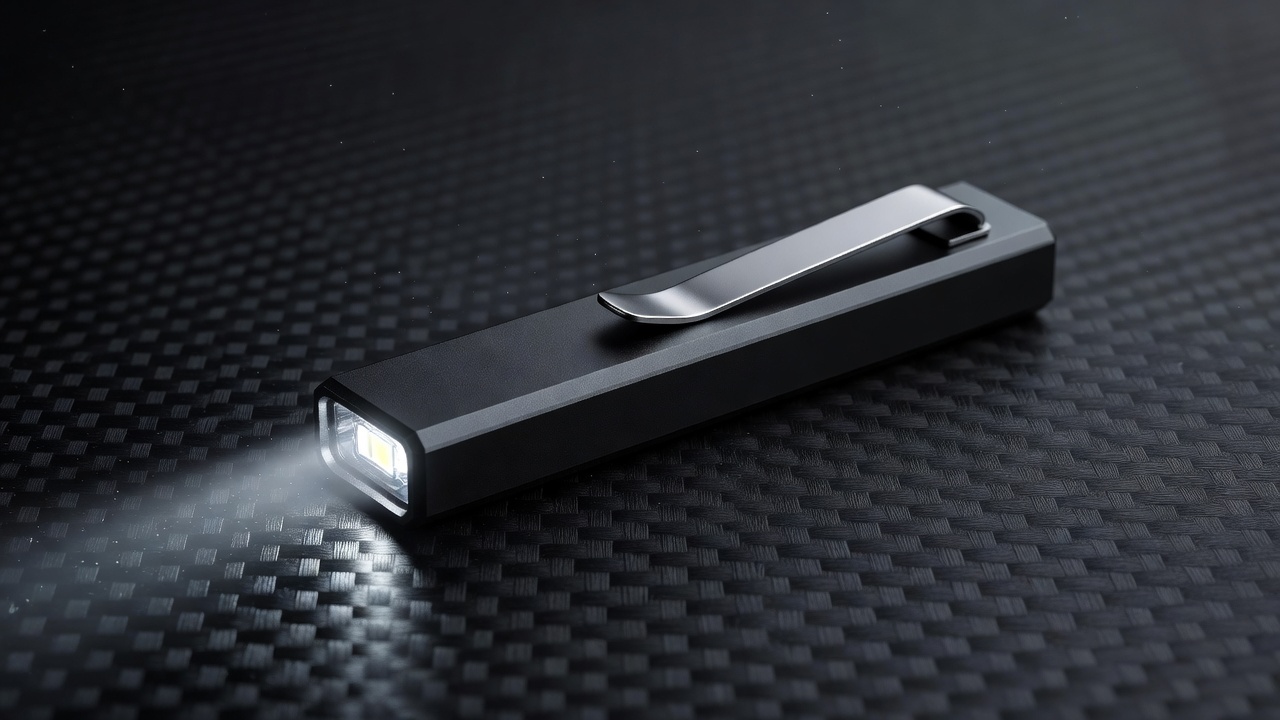
A high-performance flat EDC flashlight is the ultimate fusion of raw power and everyday practicality, offering incredible brightness in a slim, pocket-friendly profile that disappears into your daily carry. In the world of everyday carry gear, bulky torches are rapidly being replaced by these streamlined powerhouses. A high-performance flat EDC flashlight sits invisibly in your pocket next to your phone, yet delivers enough lumens and candela to light up an entire backyard or cut through dense fog. Whether you are a first responder, an outdoor enthusiast, or simply someone who values reliable illumination, upgrading to a purpose-built compact flashlight is a game-changer. In this comprehensive guide, we will explore the technology, features, and benefits that define the best slim flashlights on the market today.
Why Choose a High-Performance Flat EDC Flashlight?
The everyday carry community constantly seeks gear that maximizes utility while minimizing bulk. A flat flashlight perfectly embodies this philosophy. Traditional cylindrical flashlights, while powerful, often roll off surfaces and create an uncomfortable bulge in your pocket.
The “Flat” Form Factor: Why Thickness Matters
A flat EDC flashlight is typically defined by its thin profile—often measuring less than half an inch (12mm) in thickness. This slender design offers several distinct advantages:
- Deep Pocket Carry: The flat profile allows the light to rest flush against your leg in a front pocket. It does not shift, jab, or create an unsightly silhouette.
- Anti-Roll Design: Laying a flat light on a curved surface like a car hood or a pipe guarantees it will stay exactly where you put it.
- Phone-Friendly: It shares a pocket with your smartphone effortlessly without scratching the screen or fighting for space.
- Easy Activation: Most flat lights feature side-mounted electronic switches, allowing for a natural, tactical thumb press while the light rests in a cigar grip.
Defining High-Performance in a Flat EDC Flashlight
Not all small flashlights are “high-performance.” A generic keychain light might offer 100 lumens, but a true high-performance flat EDC flashlight pushes the boundaries of modern LED technology and battery science. It should provide a sustained high lumen output (often 1000+ lumens on burst), impressive beam distance (high candela), regulated output that doesn’t dim as the battery drains, and robust build quality using premium materials like aerospace-grade aluminum or titanium.
Key Features to Look for in a Compact Flashlight
When shopping for a slim flashlight for everyday carry, understanding the technical specifications will help you separate the premium tools from the cheap novelties.
Brightness, Lumens, and Candela
Lumens measure the total quantity of light emitted, while candela measures the peak beam intensity (how far the light throws). A high lumen flashlight is great for flooding a room with light, while a high candela flashlight is better for piercing through brush or illuminating a distant object. The best high-performance EDC flashlights balance both, offering a wide flood beam with a bright, useful hot spot in the center. Look for lights that offer multiple brightness levels (modes) and a specialized turbo mode for maximum output.
TIR Optics vs. Reflectors
The shape of the beam is dictated by how the light is focused. Traditional flashlights use a smooth or textured reflector (cup) around the LED. However, many flat EDC lights utilize a TIR (Total Internal Reflection) optic. A TIR optic is a solid, clear plastic lens that captures and focuses 100% of the LED’s light. This allows for a much thinner light head, contributing to the flat form factor, and produces a remarkably smooth, artifact-free beam with a crisp transition from the hotspot to the spill.
Battery and Power Management
The heart of any high-performance flat EDC flashlight is its power source.
- Rechargeable Lithium-Ion: Modern flat lights often utilize high-drain lithium-ion cells (like the 14500 or customized lithium-polymer packs) charged via a USB-C port directly on the light. This offers massive power density and eliminates the ongoing cost of disposable batteries.
- Disposable Lithium: Some slim lights use CR123A or AA/AAA batteries. While less convenient than rechargeable models, they offer incredible shelf life (up to 10 years) making them perfect for emergency kits.
- Regulated Circuitry: A59 A high-performance light features regulated circuitry, meaning it maintains maximum brightness as the> the battery drains, only dropping to a lower level when the cell is nearly depleted. Unregulated lights gradually dim from the moment you turn them on.
Build Quality and Durability (IP Rating)
Everyday carry! everyday carry gear takes a beating. Your flashlight must survive drops, rain, and extreme temperatures. Look for lights machined from 6061 or 7075 aluminum with a hard anodized finish (HAIIIC) for scratch resistance.:C. Premium models often feature titanium or copper construction. Always check the IP (Ingress Protection) rating. An IP68 rating means the light is completely dust-tight and can, survive subm$ submersion in water beyond 1 meter—a critical feature for outdoor and tactical applications.
The Pocket Clip: The Unsung Hero of EDC
A flat light is only as good as its carry clip. A deep-carry, two-tone pocket clip (often made of stainless steel to prevent scratching) is essential. It should securely attach the light to a pocket, belt, or backpack strap, keeping the light accessible and preventing it from falling out when you sit down. A reversible clip is a bonus, allowing tip-up or tip-down carry depending on your draw preference.
Top Use Cases for a High-Performance Flat EDC Flashlight
You might wonder if you truly need over 1,000 lumens on your person at all times. Once you carry a powerful compact flashlight, you will find endless uses for it.
Professional and Emergency Use
- First Responders: Police, EMS, and firefighters rely on flat lights for hands-free illumination. The anti-roll design is crucial when placing the light on a vehicle or patient.
- Mechanics and Technicians: A flat light easily slips into a shirt or chest pocket, providing instant light under the hood or inside a server rack. High CRI (Color Rendering Index) options allow electricians to accurately identify wire colors.
- Power Outages and Emergencies: A reliable, high-output light is your first line of defense during a blackout. Many flat lights feature a “moonlight” mode (under 1 lumen) that can run for hundreds of hours, preserving your night vision and battery life during prolonged emergencies.
Daily Tasks and Troubleshooting
- Finding dropped items: A high-lumen flood mode instantly illuminates the floor under a desk or couch.
- Navigating at night: Whether walking the dog or taking out the trash, a flat EDC light provides security and visibility.
- Inspecting spaces: A tight, focused beam is perfect for looking inside wall cavities, pipes, or car engines.
How to Choose the Right High-Performance Flat EDC Flashlight
With the market flooded with options, selecting the right tool can be overwhelming. Follow this structured approach to find your ideal light:
- Define Your Priority: Do you value maximum brightness (lumens), maximum throw (candela), or maximum runtime?
- Choose Your Battery Ecosystem: If you want zero maintenance, get a light with a built-in USB-C rechargeable battery. If you want infinite power off-grid, choose a light that accepts common disposable cells like AA or CR123A.
- Evaluate the UI (User Interface): A good User Interface is critical. Look for a light that goes directly to high or turbo from off, and has a shortcut to moonlight. Complex menus that require a dozen clicks to change brightness will only frustrate you in stressful situations.
- Check the CRI: If you need to see colors accurately (for medical checks, mechanical work, or hunting), look for a high CRI LED (90+ CRI). If you just want maximum raw power, a standard cool-white LED will produce the highest lumen figures.
- Read Real-World Reviews: Look for “outdoor beamshots” and runtime graphs from reputable flashlight reviewers. Manufacturer claims of “2000 lumens” are often only sustained for 30 seconds before thermal throttling kicks in.
The Future of Everyday Carry Illumination
The innovation in the EDC flashlight space shows no signs of slowing down. Manufacturers are increasingly using CNC machining to create complex shapes that shave off mere grams of weight while maintaining structural integrity. We are seeing the integration of smart features, such as proximity sensors that automatically dim the light if the lens is blocked (preventing accidental burns or fires), and advanced thermal management algorithms that balance brightness and heat seamlessly. As battery technology improves, we will continue to see smaller lights pushing the boundaries of what was once thought physically possible.
Conclusion
Carrying a reliable source of light is a fundamental part of being prepared for whatever the day throws at you. A high-performance flat EDC flashlight delivers this reliability without demanding a dedicated holster or weighing you down. By packing incredible brightness, advanced optics, and robust construction into a slender, anti-roll profile, it represents the pinnacle of modern everyday carry design. Whether you are navigating a dark trail, working under the hood of a car, or simply walking to your car at night, upgrading to a high-performance flat EDC flashlight ensures you always have the power of the sun in the palm of your hand.
Frequently Asked Questions (FAQs)
1. What does “EDC” mean in flashlights?
EDC stands for “Everyday Carry,” referring to items you carry on a daily basis for utility and preparedness; an EDC flashlight is compact, lightweight, and durable enough for constant pocket carry.
2. How many lumens do I need for an everyday carry flashlight?
A good EDC flashlight should have at least 100–300 lumens for basic tasks, but a high-performance model will offer 1000+ lumens on turbo for moments when maximum brightness is required.
3. Why is a flat flashlight better than a cylindrical one?
A flat flashlight prevents rolling on uneven surfaces, carries more comfortably flush against the leg in a front pocket, and typically features a side switch for easier one-handed operation.
4. What is thermal throttling in a flashlight?
Thermal throttling is a safety feature that automatically reduces the brightness of a high-output LED as it heats up, preventing damage to the internal circuitry and the user’s hands.
5. Are rechargeable flashlights better than battery-powered ones?
Rechargeable flashlights are more cost-effective and convenient for daily use, but battery-powered (disposable) flashlights offer a longer shelf life and are better for emergency kits where charging isn’t possible.
6. What is a high CRI flashlight?
High CRI (Color Rendering Index) flashlights emit light that reveals the true colors of objects, similar to natural sunlight; a CRI of 90+ is ideal for mechanics, medical professionals, and anyone needing accurate color identification.
Leave a Reply