
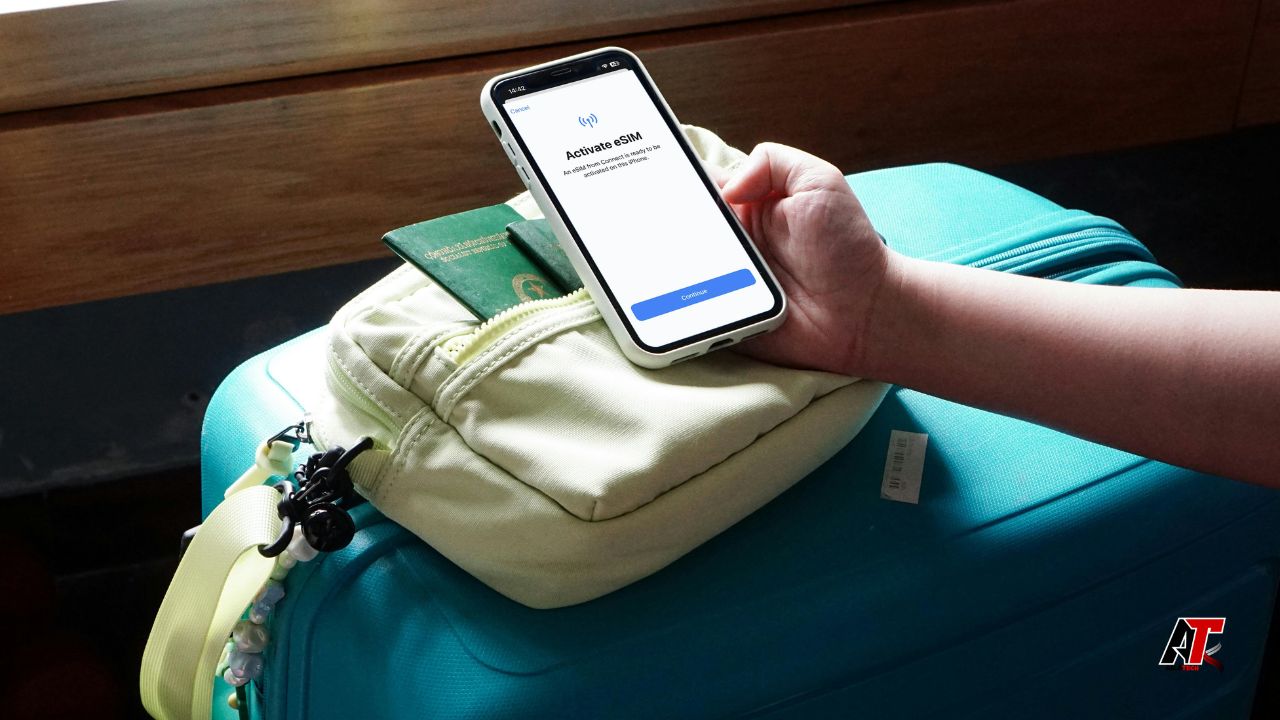
Staying connected has become essential whether you’re traveling internationally, working remotely, or simply looking for a more flexible mobile experience. Choosing the Best eSIM can help you activate mobile service without using a physical SIM card, making it easier to switch carriers, manage multiple plans, and access mobile data in different countries. As more smartphones, tablets, and laptops support eSIM technology, users have a growing number of providers and plans to choose from. Understanding the features that matter most can help you select an option that fits your connectivity needs.
What Is an eSIM?
An eSIM, or embedded SIM, is a digital SIM that is built directly into a compatible device. Instead of inserting a physical SIM card, users can download and activate a mobile plan digitally.
Many modern smartphones, smartwatches, tablets, and laptops now support eSIM technology, allowing users to activate cellular service in just a few minutes.
How Does an eSIM Work?
An eSIM stores carrier information electronically within your device.
The activation process usually involves:
- Purchasing an eSIM plan.
- Receiving a QR code or activation details.
- Scanning the QR code with your device.
- Downloading the mobile profile.
- Activating the service.
Once activated, the eSIM functions similarly to a traditional SIM card.
Benefits of Using an eSIM
Easy Activation
Most eSIM plans can be activated online without waiting for a physical SIM card to arrive.
Ideal for International Travel
Travelers can purchase local or regional data plans before arriving at their destination, helping reduce the need to search for local SIM cards.
Multiple Mobile Plans
Many compatible devices allow users to store multiple eSIM profiles and switch between them as needed.
This can be useful for separating personal and business numbers or managing domestic and international plans.
Reduced Physical Wear
Since there is no physical SIM card to insert or remove, users avoid issues such as damaged SIM trays or misplaced cards.
Features to Look for in the Best eSIM
Not every eSIM provider offers the same experience. Before choosing a plan, consider the following features.
Coverage
Check whether the provider offers reliable service in the countries or regions where you plan to use your device.
Some providers focus on:
- Single-country plans
- Regional coverage
- Global coverage
Choose a plan that matches your travel or usage requirements.
Data Plans
Providers may offer:
- Fixed data packages
- Unlimited data plans where available
- Daily data allowances
- Monthly subscriptions
Compare data limits carefully to ensure they match your expected usage.
Pricing
The lowest-priced option is not always the best value.
Consider:
- Data allowance
- Coverage area
- Network quality
- Validity period
- Additional fees
Comparing total value is often more helpful than comparing price alone.
Device Compatibility
Before purchasing an eSIM, verify that your device supports eSIM functionality and that it is compatible with the provider’s service.
Compatibility varies by manufacturer, model, and region.
Customer Support
Reliable customer support can be valuable if you encounter activation issues or require assistance while traveling.
Look for providers that offer multiple support channels such as live chat, email, or online help centers.
Who Can Benefit from an eSIM?
eSIM technology is suitable for many different users.
These include:
- International travelers
- Remote workers
- Business professionals
- Digital nomads
- Students studying abroad
- Frequent business travelers
Anyone who regularly changes mobile plans or travels internationally may benefit from the flexibility that eSIM technology provides.
eSIM vs Physical SIM
Both technologies provide mobile connectivity, but there are important differences.
eSIM advantages include:
- Digital activation
- No physical SIM card required
- Easier carrier switching
- Support for multiple profiles
- Convenient travel setup
Physical SIM cards remain useful for devices that do not support eSIM technology.
Tips for Choosing the Best eSIM
When comparing providers:
- Confirm device compatibility.
- Compare coverage maps.
- Review pricing carefully.
- Understand data limits.
- Check activation instructions.
- Read recent customer reviews.
- Verify plan validity periods.
Selecting the right provider depends on your destination, usage habits, and budget.
Common eSIM Use Cases
International Travel
Travelers can activate mobile data shortly before departure and often avoid purchasing physical SIM cards after arrival.
Business Travel
Professionals traveling frequently can switch between domestic and international mobile plans with minimal interruption.
Remote Work
Reliable mobile data supports remote work when Wi-Fi is unavailable or unreliable.
Backup Connectivity
Some users maintain an additional eSIM plan as a backup internet connection for emergencies.
Potential Limitations
Although eSIM technology offers many advantages, users should consider a few limitations.
These may include:
- Device compatibility requirements
- Regional availability
- Carrier support differences
- Data-only plans offered by some providers
Review provider details before purchasing to ensure the service meets your expectations.
The Future of eSIM Technology
As mobile technology continues to evolve, eSIM adoption is expected to expand further.
Future developments may include:
- Broader device compatibility
- Faster activation processes
- Improved global coverage
- Greater carrier support
- Enhanced travel connectivity
- Expanded IoT integration
These advancements are likely to make digital mobile connectivity even more convenient for consumers and businesses.
Frequently Asked Questions
What is an eSIM?
An eSIM is a digital SIM built into compatible devices that allows users to activate mobile service without inserting a physical SIM card.
Is an eSIM better than a physical SIM?
The answer depends on your needs. eSIMs offer greater flexibility, easier activation, and support for multiple mobile profiles, while physical SIM cards remain useful for devices that do not support eSIM technology.
Can I use an eSIM while traveling internationally?
Yes. Many providers offer travel eSIM plans that allow users to access mobile data in multiple countries without replacing their primary SIM card.
How do I know if my phone supports eSIM?
Check your device manufacturer’s specifications or your phone’s settings to confirm whether your model supports eSIM functionality.
Can I have both an eSIM and a physical SIM?
Many modern smartphones support dual SIM functionality, allowing users to use both an eSIM and a physical SIM simultaneously, depending on the device model and carrier support.
Conclusion
Choosing the best eSIM depends on your individual travel plans, data usage, device compatibility, and preferred level of flexibility. Whether you’re preparing for international travel, managing multiple phone numbers, or looking for a convenient alternative to traditional SIM cards, eSIM technology offers a modern solution that simplifies mobile connectivity. By comparing coverage, pricing, data options, and customer support before making a decision, you can select an eSIM plan that provides reliable service and meets your communication needs.
Leave a Reply