
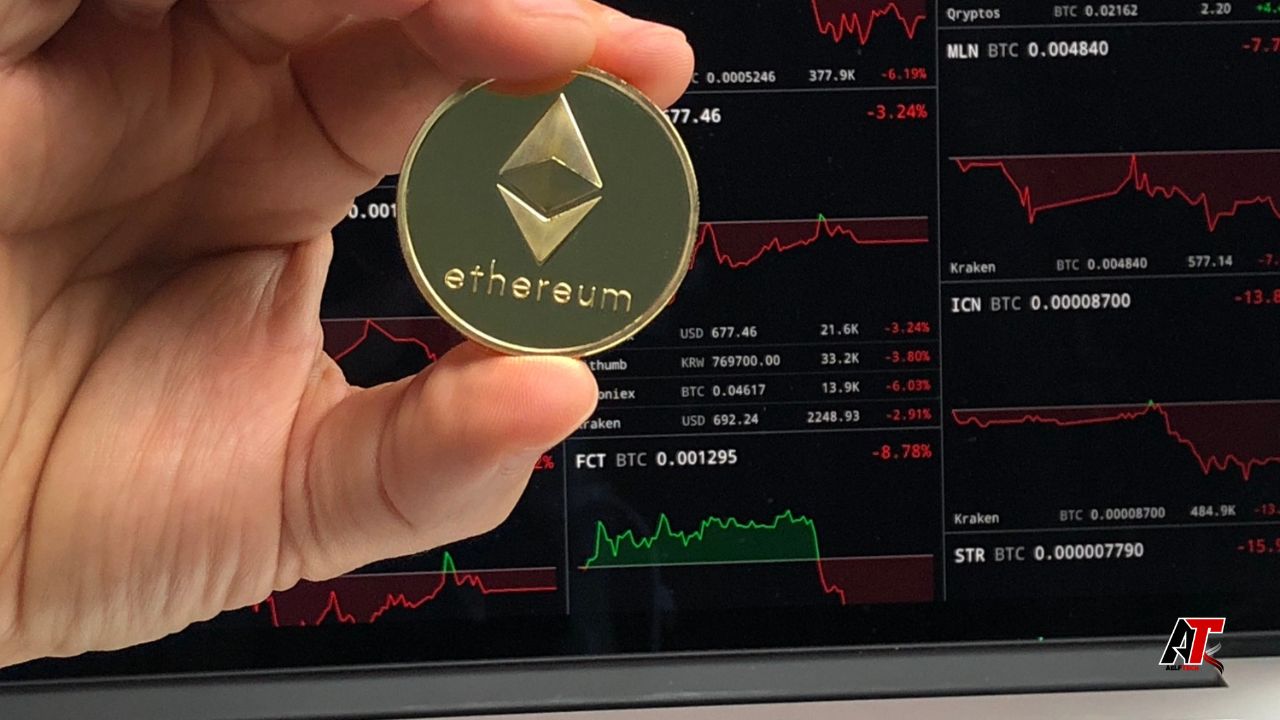
The cryptocurrency market is known for its rapid movements, and the Ethereum Price is one of the most closely watched indicators in the digital asset industry. As the second-largest cryptocurrency by market capitalization, Ethereum plays a central role in decentralized finance (DeFi), NFTs, blockchain development, and smart contracts. Because of its broad ecosystem and continuous technological development, Ethereum’s price is influenced by much more than simple supply and demand.
Whether you’re a long-term investor, blockchain enthusiast, or someone learning about cryptocurrencies, understanding the factors that affect Ethereum’s value can help you interpret market movements more effectively. While no one can predict future prices with certainty, recognizing the drivers behind price changes provides valuable context for making informed decisions.
What Is Ethereum?
Ethereum is an open-source blockchain platform that enables developers to build decentralized applications (dApps), execute smart contracts, and create digital assets. Unlike blockchains designed primarily for payments, Ethereum supports programmable applications that operate without centralized control.
Its native cryptocurrency, Ether (ETH), is used for:
- Paying transaction fees
- Running smart contracts
- Participating in network activities
- Supporting decentralized applications
- Staking on the Ethereum network
As Ethereum’s ecosystem expands, demand for ETH can also change, influencing its market value.
Why Ethereum Price Changes
Like most financial assets, Ethereum’s price is determined by market participants buying and selling the asset on cryptocurrency exchanges.
However, several factors influence these decisions, including:
- Investor confidence
- Network usage
- Global economic conditions
- Technological developments
- Regulatory announcements
- Overall cryptocurrency market sentiment
Because these factors can change quickly, Ethereum often experiences periods of both strong growth and significant volatility.
Supply and Demand
Supply and demand remain among the most important influences on Ethereum’s price.
When demand increases while available supply remains relatively stable, prices may rise. Conversely, if selling pressure outweighs buying interest, prices may decline.
Demand may be influenced by:
- Increased blockchain adoption
- Growing developer activity
- Institutional participation
- Retail investor interest
- Expanding decentralized applications
Supply dynamics can also change depending on network mechanisms and user activity.
Network Activity
Ethereum’s blockchain supports thousands of decentralized applications across multiple industries.
Higher network activity often results in:
- More transactions
- Greater smart contract usage
- Increased decentralized finance participation
- NFT marketplace activity
As network utilization grows, demand for ETH may also increase because users require Ether to pay transaction fees.
Ethereum Upgrades
Ethereum continues to evolve through network upgrades designed to improve performance, security, and scalability.
Major protocol improvements may affect:
- Transaction efficiency
- Energy consumption
- Scalability
- Network security
- User adoption
Market participants often monitor upcoming upgrades closely because they may influence expectations regarding future network development.
Institutional Adoption
Large financial institutions and investment firms have shown growing interest in digital assets over recent years.
Institutional participation may include:
- Investment products
- Research initiatives
- Blockchain development
- Corporate treasury strategies
- Custody solutions
Although institutional interest can influence market sentiment, it does not guarantee future price movements.
Macroeconomic Conditions
Cryptocurrency markets do not operate in isolation.
Global economic factors that may influence Ethereum include:
- Interest rates
- Inflation
- Monetary policy
- Economic growth
- Financial market sentiment
- Currency movements
Broader financial conditions often affect investor appetite for higher-risk assets, including cryptocurrencies.
Regulation
Government policies and regulatory developments can significantly influence cryptocurrency markets.
Market participants closely monitor:
- Cryptocurrency legislation
- Tax policies
- Exchange regulations
- Consumer protection rules
- Financial reporting requirements
Regulatory changes may affect market confidence, adoption, and trading activity.
Investor Sentiment
Market psychology remains an important driver of cryptocurrency prices.
Investor sentiment may be influenced by:
- News headlines
- Social media discussions
- Market trends
- Economic reports
- Industry announcements
Positive sentiment can increase buying activity, while uncertainty may contribute to greater market volatility.
Technology and Ecosystem Growth
Ethereum’s long-term value is closely connected to the strength of its ecosystem.
Areas contributing to ecosystem development include:
- Decentralized finance
- Gaming
- Tokenization
- Enterprise blockchain solutions
- Web3 applications
- Digital identity projects
Continued innovation may support broader adoption over time.
Risks That Affect Ethereum Price
Like any investment, Ethereum carries risks.
Examples include:
- Market volatility
- Regulatory uncertainty
- Technological competition
- Cybersecurity incidents
- Macroeconomic changes
- Investor sentiment shifts
Understanding these risks is important before making investment decisions.
Monitoring Ethereum Price
Investors often follow several indicators when evaluating Ethereum.
Common resources include:
- Cryptocurrency exchanges
- Financial news platforms
- Blockchain analytics providers
- Market data websites
- Official Ethereum ecosystem updates
Using multiple reliable sources can provide a more balanced view of market conditions.
Best Practices for Cryptocurrency Investors
Responsible investing begins with education and careful planning.
Helpful practices include:
- Conduct independent research.
- Understand your personal risk tolerance.
- Diversify investments where appropriate.
- Stay informed about market developments.
- Use secure cryptocurrency storage solutions.
- Avoid making decisions based solely on short-term market movements.
No investment strategy can eliminate risk or guarantee positive returns.
The Future of Ethereum
Ethereum continues to play an important role in blockchain innovation.
Future developments may include:
- Improved scalability
- Expanded enterprise adoption
- Greater Web3 integration
- Continued decentralized application growth
- Advances in blockchain infrastructure
The long-term impact of these developments depends on technological progress, user adoption, and broader market conditions.
FAQs
What determines the Ethereum price?
Ethereum’s price is primarily influenced by supply and demand, network activity, investor sentiment, technological developments, regulatory changes, and broader economic conditions.
Why is Ethereum considered valuable?
Ethereum supports smart contracts and decentralized applications, making it one of the most widely used blockchain platforms in the cryptocurrency ecosystem.
Can Ethereum price be predicted?
No. Cryptocurrency markets are highly volatile, and no method can accurately predict future prices with certainty.
How do Ethereum upgrades affect the price?
Network upgrades may influence market sentiment and user adoption by improving scalability, efficiency, or security, but they do not guarantee price increases.
Does institutional adoption impact Ethereum?
Institutional participation can influence market sentiment and liquidity, although many other factors also affect Ethereum’s market value.
Is Ethereum a high-risk investment?
Like other cryptocurrencies, Ethereum involves significant market risk and price volatility. Individuals should carefully evaluate their financial situation and investment objectives before investing.
Conclusion
The Ethereum Price reflects a combination of market demand, blockchain activity, technological innovation, macroeconomic conditions, and investor sentiment. As one of the leading blockchain platforms, Ethereum continues to support a growing ecosystem of decentralized applications, smart contracts, and digital assets, making it a closely watched cryptocurrency in global financial markets. While ongoing network development and broader adoption may influence its long-term role within the digital economy, price movements remain unpredictable and can be affected by a wide range of factors. Staying informed, conducting independent research, and understanding the risks involved can help investors approach the cryptocurrency market with greater confidence and a more balanced perspective.
Leave a Reply