
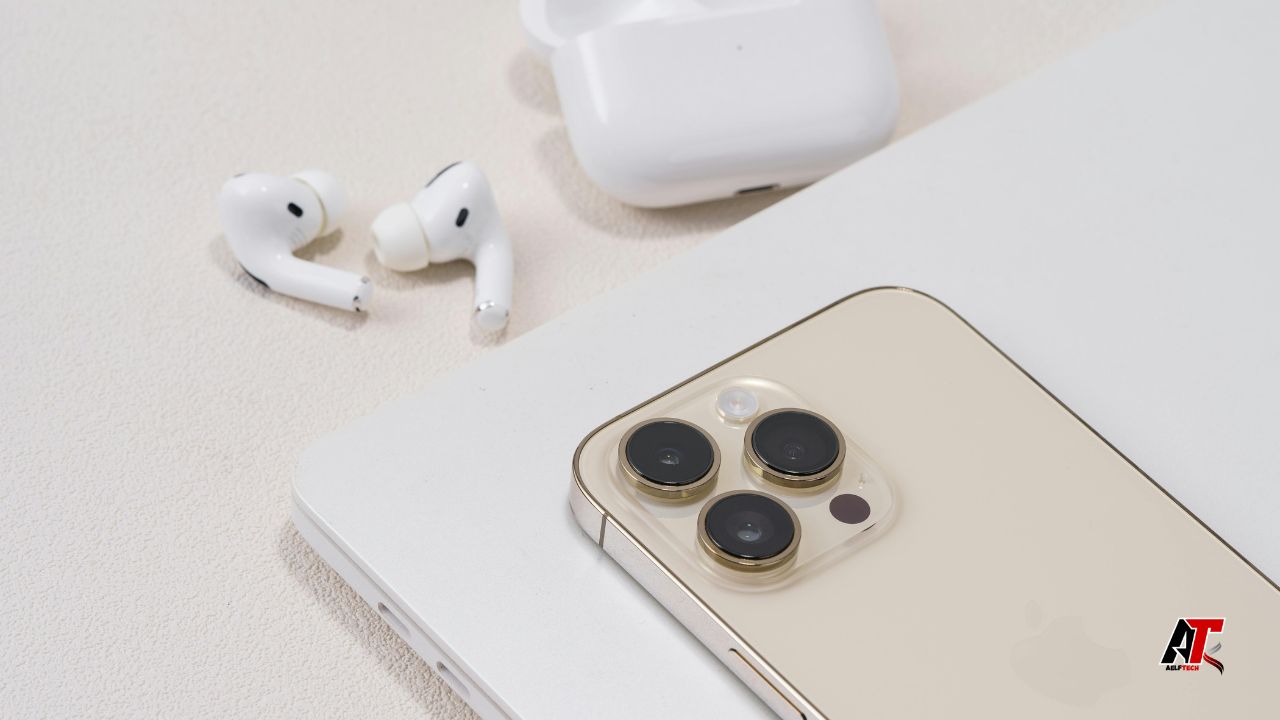
Wireless audio has become an essential part of everyday life, allowing people to enjoy music, podcasts, calls, and virtual meetings without the inconvenience of tangled cables. Whether you’re commuting, exercising, working remotely, or relaxing at home, wireless earbuds provide a convenient and portable listening experience. With a wide variety of models available, understanding the key features, technologies, and buying considerations can help you select earbuds that suit your lifestyle and budget.
What Are Wireless Earbuds?
Wireless earbuds are compact in-ear audio devices that connect to smartphones, tablets, computers, and other compatible devices using Bluetooth technology instead of traditional wired connections.
Most modern wireless earbuds include:
- Bluetooth connectivity
- Rechargeable batteries
- Built-in microphones
- Portable charging cases
- Touch or button controls
Features vary depending on the manufacturer and model.
How Wireless Earbuds Work
Wireless earbuds pair with compatible devices through Bluetooth.
The typical process includes:
- Charging the earbuds.
- Enabling Bluetooth on your device.
- Pairing the earbuds.
- Listening to audio or making calls.
Many earbuds automatically reconnect to previously paired devices after the initial setup.
Benefits of Wireless Earbuds
Cable-Free Convenience
Without wires, users can move more freely during everyday activities.
Wireless earbuds are commonly used for:
- Walking
- Running
- Gym workouts
- Commuting
- Office work
- Travel
Portability
Most models include compact charging cases that fit easily into a pocket or bag.
This makes them convenient for everyday carry.
Hands-Free Communication
Built-in microphones allow users to:
- Answer phone calls
- Participate in video meetings
- Use voice assistants
- Control compatible smart devices
Call quality depends on microphone design, surrounding noise, and network conditions.
Important Features to Consider
Sound Quality
Audio performance is one of the most important considerations.
Factors that influence sound quality include:
- Driver size
- Audio tuning
- Codec support
- Frequency response
Sound preferences vary between listeners.
Battery Life
Battery performance differs by model.
Consider:
- Earbud playback time
- Charging case capacity
- Fast charging support
- Total listening time
Actual battery life depends on usage, volume, and enabled features.
Active Noise Cancellation (ANC)
Some wireless earbuds include Active Noise Cancellation, which helps reduce certain types of background noise.
ANC may improve listening experiences in environments such as:
- Airplanes
- Public transportation
- Offices
- Cafés
Performance varies between products and environments.
Transparency Mode
Transparency mode allows users to hear surrounding sounds without removing their earbuds.
This can be useful when:
- Crossing streets
- Talking with others
- Waiting for announcements
- Exercising outdoors
Availability depends on the model.
Comfort and Fit
A comfortable fit is important for both sound quality and long-term use.
Many earbuds include multiple ear tip sizes to help users find a secure fit.
Consider:
- Ear tip material
- Weight
- Stability during movement
- Long-term comfort
Trying different ear tips can improve both comfort and noise isolation.
Water and Sweat Resistance
Many wireless earbuds include an IP rating that indicates resistance to water or dust.
Models designed for sports often offer protection against:
- Sweat
- Light rain
- Dust
Always review the manufacturer’s specifications, as water resistance levels differ between products.
Bluetooth Technology
Modern earbuds often support newer Bluetooth versions that may offer:
- Stable connections
- Lower latency
- Better energy efficiency
- Improved audio transmission
Compatibility depends on both the earbuds and the connected device.
Touch Controls
Many wireless earbuds feature touch-sensitive controls that allow users to:
- Play or pause music
- Skip tracks
- Answer calls
- Activate voice assistants
- Adjust listening modes
Control options vary by manufacturer.
Voice Assistant Compatibility
Some earbuds support digital assistants such as:
- Siri
- Google Assistant
- Amazon Alexa
Supported assistants depend on the earbud model and connected device.
Wireless Earbuds for Different Users
Students
Students may appreciate:
- Comfortable fit
- Long battery life
- Clear call quality
- Affordable pricing
Professionals
Office users often prioritize:
- Reliable microphones
- Noise cancellation
- Comfortable all-day wear
- Multi-device connectivity
Fitness Enthusiasts
Active users often look for:
- Secure fit
- Sweat resistance
- Lightweight design
- Stable Bluetooth connection
Travelers
Frequent travelers may value:
- Active noise cancellation
- Long battery life
- Compact charging cases
- Comfortable extended wear
Caring for Wireless Earbuds
Proper maintenance helps extend the lifespan of your earbuds.
General care tips include:
- Clean ear tips regularly.
- Store earbuds in their charging case.
- Avoid exposing them to excessive heat.
- Keep charging contacts clean.
- Update firmware when available.
Always follow the manufacturer’s care recommendations.
Common Mistakes to Avoid
When buying wireless earbuds, avoid:
- Choosing solely based on price.
- Ignoring battery specifications.
- Overlooking comfort and fit.
- Forgetting compatibility with your devices.
- Assuming all water-resistant ratings are the same.
Comparing features helps you make a more informed purchase.
The Future of Wireless Earbuds
Wireless audio technology continues to evolve.
Emerging developments include:
- Improved spatial audio
- AI-assisted noise reduction
- Better battery efficiency
- Enhanced voice call quality
- Health monitoring features
- Smarter adaptive sound modes
Future features will vary depending on manufacturers and product categories.
FAQs
What are wireless earbuds?
Wireless earbuds are Bluetooth-enabled in-ear audio devices that allow users to listen to music, make calls, and interact with compatible devices without wired connections.
How long do wireless earbuds last on a single charge?
Battery life varies by model, volume level, and enabled features. Manufacturers typically provide estimated playback times under specific testing conditions.
Are wireless earbuds suitable for workouts?
Many models are designed for exercise and include features such as secure-fitting ear tips and sweat resistance. Always check the product’s IP rating before using it during workouts.
What is Active Noise Cancellation?
Active Noise Cancellation uses microphones and electronic processing to reduce certain types of background noise while listening to audio. Its effectiveness depends on the product and environment.
How do I choose the best wireless earbuds?
Consider factors such as sound quality, comfort, battery life, Bluetooth performance, noise cancellation, water resistance, microphone quality, and compatibility with your devices.
Conclusion
Wireless earbuds have become a versatile audio solution for work, entertainment, travel, and fitness. With features ranging from Bluetooth connectivity and long battery life to active noise cancellation and voice assistant support, today’s earbuds offer options for a wide variety of users and budgets. By carefully evaluating sound quality, comfort, durability, and the features most relevant to your daily routine, you can choose a pair of wireless earbuds that delivers a reliable and enjoyable listening experience for years to come.
Leave a Reply