
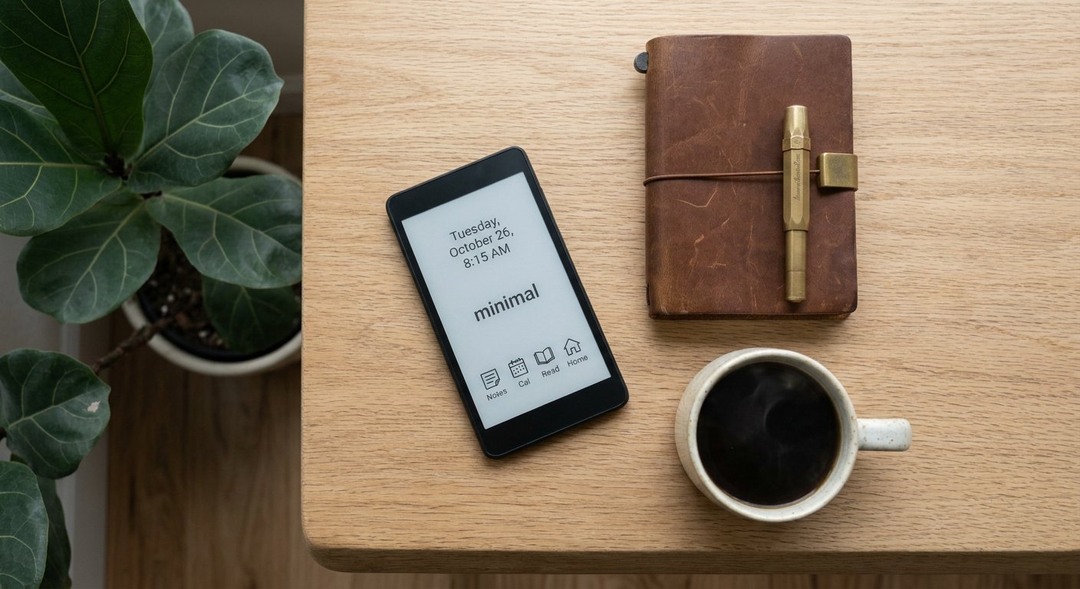
Personal technology has spent decades promising more. More processing power, more cameras, more applications, and more features have traditionally defined the appeal of new devices. Yet a different approach is becoming increasingly relevant. Many consumers now value products that perform essential tasks reliably without unnecessary complexity. As this preference develops, Web retailers have an important role in helping shoppers discover technology designed around usefulness rather than feature overload.
Minimalist personal technology is not simply about buying cheaper devices or accepting weaker performance. It involves choosing products that meet real needs while reducing distractions, maintenance demands, and unnecessary spending. Web retailers can support this shift by presenting clearer product information, offering practical comparisons, and helping customers distinguish meaningful improvements from features they may rarely use.
What Is Minimalist Personal Technology?
Minimalist personal technology refers to digital devices and accessories designed or selected around essential functions, straightforward operation, and manageable everyday use.
The concept can apply to smartphones, laptops, headphones, smartwatches, e-readers, and other consumer electronics.
A minimalist device does not necessarily have fewer components or a deliberately plain appearance.
Instead, its value comes from providing the functions a person needs without creating unnecessary complications.
For example, someone who primarily uses a phone for communication, navigation, photography, and banking may not benefit significantly from advanced gaming hardware.
Similarly, a student who needs a laptop for research and writing may prefer battery life, keyboard comfort, and portability over premium graphics capabilities.
Web retailers can make these distinctions easier by explaining how products perform in common situations rather than emphasizing specifications alone.
The Difference Between Minimalism and Low Performance
Minimalist technology is sometimes confused with inexpensive or underpowered devices.
However, simplicity and performance are separate characteristics.
A product can have excellent build quality, dependable software, and strong battery performance while offering a limited selection of features.
Likewise, a device packed with advanced specifications may provide little practical benefit to someone who rarely uses them.
The goal of minimalist technology is not to eliminate useful capabilities.
It is to prioritize the capabilities that matter.
Why Consumers Are Reconsidering Feature-Heavy Devices
Several practical concerns can influence purchasing decisions.
- Rising costs of premium consumer electronics.
- Difficulty comparing increasingly complex specifications.
- Distractions created by excessive notifications.
- Concerns about repairability and product lifespan.
- Unnecessary subscription services.
- Short software support periods.
- Growing interest in intentional digital habits.
These factors do not mean every consumer is abandoning advanced devices.
Instead, they illustrate why simpler technology can be a reasonable choice for certain users.
Why Web Retailers Matter in the Minimalist Tech Movement
Web retailers influence how consumers discover, compare, and purchase personal technology.
Unlike physical stores with limited shelf space, online platforms can present extensive product catalogs and detailed specifications.
This flexibility creates opportunities to introduce shoppers to practical alternatives beyond the most heavily advertised flagship devices.
However, large online catalogs can also overwhelm customers.
Effective web retailers must balance product variety with useful guidance.
Making Product Comparisons Easier
Online shoppers often compare several devices before purchasing.
Clear specifications, understandable descriptions, and relevant filters can simplify this process.
For minimalist technology, comparisons should focus on everyday usefulness.
A headphone listing might emphasize comfort, battery life, repairability, and connection stability.
A laptop listing might prioritize weight, battery performance, keyboard quality, and software compatibility.
These factors may be more meaningful than long lists of advanced features.
Helping Shoppers Avoid Unnecessary Upgrades
Some consumers replace devices because marketing suggests that newer products are automatically better.
However, an upgrade may offer limited practical value when existing equipment remains functional.
Web retailers can support informed purchasing by explaining which improvements are substantial and which are incremental.
For example, a newer phone may offer faster processing, but someone using basic communication applications may notice little difference.
Clear comparisons help customers assess whether replacement is worthwhile.
Supporting Better Product Discovery
Search filters can help shoppers identify devices based on practical requirements.
Useful filtering options may include:
- Price range.
- Battery life.
- Product dimensions.
- Repairability information.
- Software compatibility.
- Warranty duration.
- Connectivity options.
- Accessibility features.
When web retailers organize products around real needs, shoppers can make decisions without relying exclusively on brand prestige.
7 Reasons Minimalist Personal Tech Is Becoming More Appealing
The renewed interest in simpler devices reflects changes in how people evaluate technology.
Rather than assuming that maximum functionality provides maximum value, many shoppers are considering how products fit into everyday routines.
1. Essential Features Often Provide the Greatest Value
Most people use a relatively small group of functions repeatedly.
Communication, internet access, navigation, entertainment, and productivity account for many common personal technology activities.
A device that performs these tasks reliably may be entirely sufficient.
Web retailers can help customers identify products that prioritize these capabilities.
For example, a compact laptop with reliable performance and a comfortable keyboard may be more useful to a writer than a powerful gaming model.
The best product is not necessarily the one with the highest specifications.
It is the one that meets the user’s actual requirements.
2. Simpler Devices Can Reduce Digital Distractions
Digital distractions often come from software design, notifications, and user habits rather than hardware alone.
However, certain minimalist devices intentionally limit access to distracting functions.
Basic mobile phones, dedicated e-readers, and single-purpose music players are examples.
These products may help some users separate activities that would otherwise compete for attention.
A dedicated e-reader, for instance, can provide a reading-focused environment without the same range of applications available on a smartphone.
However, minimalist hardware does not automatically improve concentration.
Personal habits and software settings remain important.
3. Lower Complexity Can Improve Everyday Convenience
Advanced features sometimes introduce additional menus, configuration options, and maintenance requirements.
For consumers who prefer straightforward operation, simplicity can be a meaningful advantage.
Web retailers can highlight products with intuitive controls, clear interfaces, and uncomplicated setup processes.
A basic wireless speaker with reliable connectivity may be preferable to a more complicated model requiring multiple applications.
Similarly, a smartwatch focused on notifications and activity tracking may be sufficient for someone who does not need extensive health analytics.
4. Practical Devices May Offer Better Financial Value
Premium devices frequently include features that increase manufacturing costs and retail prices.
Consumers who do not use those features may find better value in less expensive alternatives.
For example, a midrange smartphone may provide satisfactory photography, communication, and everyday performance without the cost of a flagship model.
However, lower purchase prices do not always mean lower long-term ownership costs.
Software support, battery replacement, durability, and repair expenses should also be considered.
Web retailers can improve purchasing decisions by presenting information about expected product support and warranty coverage.
5. Longer Product Lifespans Are Becoming More Important
Keeping electronic devices in service longer can reduce replacement expenses.
It may also help limit the environmental impacts associated with producing and disposing of electronics.
Minimalist purchasing encourages consumers to choose products based on durability and long-term usefulness.
However, simple devices are not automatically more durable.
A low-cost product with poor repairability may need replacement sooner than a higher-quality alternative.
When evaluating products, web retailers should provide available information about repair options, batteries, software updates, and replacement parts.
6. Dedicated Devices Can Improve Specific Activities
Multipurpose devices are convenient, but specialized technology can sometimes provide a better experience for particular tasks.
E-readers illustrate this principle.
Their screens and interfaces are designed primarily for reading.
Dedicated cameras may offer advantages for certain photography needs.
Similarly, compact audio players can provide focused music playback without requiring access to social media applications.
These devices are not necessary for everyone.
However, they demonstrate that minimalist technology can involve choosing purpose-built tools rather than relying on a single device for every activity.
7. Consumers Want More Control Over Technology
Technology should ideally support personal goals rather than dictate routines.
For some people, minimalist devices provide greater control over attention, spending, and daily habits.
A simpler smartphone can reduce unnecessary application use.
A basic fitness tracker may provide essential activity information without constant notifications.
A lightweight laptop may encourage convenient work without requiring an elaborate setup.
Web retailers can support these preferences by offering devices with different levels of complexity and explaining their intended uses.
How Minimalist Tech Changes Online Shopping Behavior
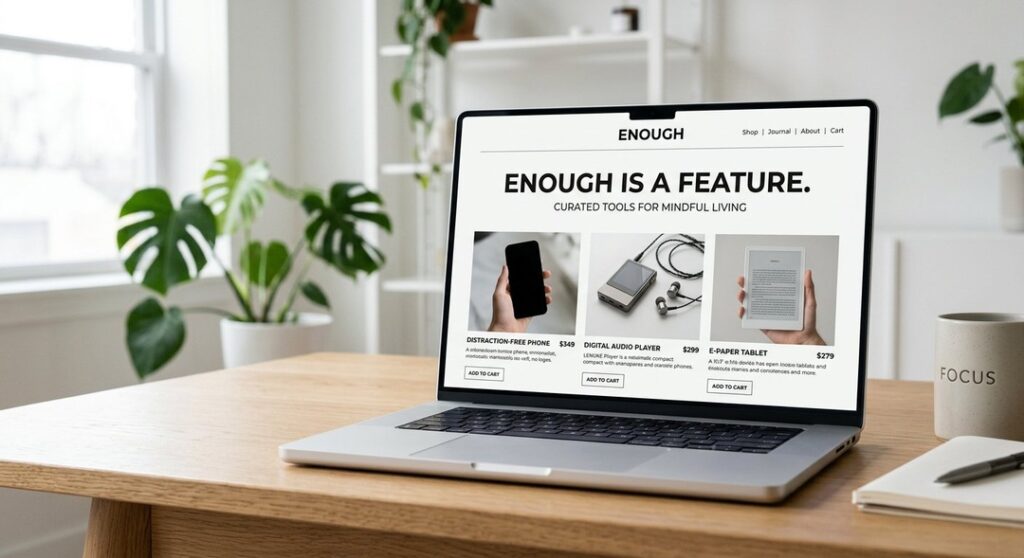
Minimalist technology encourages a different approach to product research.
Instead of starting with the newest or most expensive model, shoppers begin by identifying the problem they need to solve.
This changes the questions customers ask.
Rather than asking which device has the greatest number of features, they may ask which product is reliable, comfortable, affordable, and easy to maintain.
Shopping Based on Actual Needs
A useful purchasing process begins with a short list of essential functions.
For example, someone buying headphones might prioritize:
- Comfortable fit.
- Clear sound.
- Reliable Bluetooth connectivity.
- Suitable battery life.
- Easy charging.
- Accessible replacement parts.
Additional features can then be evaluated according to their practical value.
Web retailers can make this process easier through product descriptions organized around real-world use.
Comparing Total Ownership Costs
The purchase price is only one component of product value.
Some devices require accessories, subscriptions, repairs, or replacement components.
A cheaper product may become more expensive over time if essential services require ongoing payments.
Shoppers should consider expected ownership costs when comparing alternatives.
Transparent web retailers can help by clearly identifying optional subscriptions and required accessories.
Paying Attention to Software Support
Software updates can affect device security, compatibility, and usability.
A minimalist smartphone with limited update support may become less practical over time.
Consumers should check manufacturer support policies before buying.
Longer support periods can make a device more useful, although they do not guarantee that hardware will remain functional indefinitely.
Best Minimalist Personal Tech Categories to Explore
Minimalist personal technology includes a wide variety of products.
Some intentionally offer fewer capabilities.
Others provide advanced technology through simpler interfaces and carefully selected features.
Minimalist Smartphones
Minimalist smartphones focus on essential communication and selected digital functions.
Some models provide access to common applications while encouraging reduced screen time.
Others remove certain entertainment features entirely.
When comparing these devices through web retailers, buyers should examine network compatibility, operating system support, navigation options, and emergency communication capabilities.
A device that is too limited may create inconvenience rather than improve daily life.
Compact Laptops
Compact laptops appeal to users who prioritize portability and practical productivity.
A lightweight design can make commuting, studying, and traveling more convenient.
However, screen size, keyboard comfort, battery capacity, and processing requirements should influence the decision.
A minimalist laptop should remain capable of running necessary applications.
E-Readers
Dedicated e-readers are popular examples of focused technology.
Many use electronic paper displays designed for comfortable reading under different lighting conditions.
Battery performance can be strong because these displays generally consume less energy during static image presentation.
However, supported file formats, library access, and digital rights restrictions vary between devices.
Web retailers should explain these differences clearly.
Wireless Earbuds
Minimalist wireless earbuds prioritize comfort, portability, and straightforward connectivity.
Some models focus on essential audio performance without extensive customization.
Buyers should evaluate microphone quality, battery life, fit, and compatibility.
Premium noise cancellation may be valuable for frequent travelers but unnecessary for occasional listeners.
Simple Smartwatches
A minimalist smartwatch may focus on notifications, timekeeping, activity tracking, and basic convenience features.
Some consumers prefer fewer applications and longer battery life.
However, health-related measurements should not be treated as medical diagnoses unless a device is specifically authorized for the relevant purpose.
Portable Chargers
Compact power banks can be useful travel accessories.
A minimalist model should provide sufficient capacity and appropriate charging output without unnecessary complexity.
Consumers should verify device compatibility, safety certifications, and airline restrictions where relevant.
Minimalist Tech vs Feature-Heavy Technology
Both approaches can provide value depending on the user’s needs.
| Feature | Minimalist Personal Tech | Feature-Heavy Personal Tech |
|---|---|---|
| Primary focus | Essential functions | Broad functionality |
| User experience | Often simplified | May offer extensive customization |
| Purchase price | Varies, often more accessible | Frequently higher for premium models |
| Learning requirements | Can be lower | May require additional setup |
| Specialized capabilities | Selective | Often extensive |
| Maintenance | Depends on product design | May involve more software and features |
| Ideal user | Values simplicity and focused use | Needs advanced tools and flexibility |
| Long-term value | Depends on durability and support | Depends on actual feature use |
| Neither category is universally better. | ||
| A professional video editor may require advanced computing equipment. | ||
| Someone primarily browsing the internet and writing documents may not. | ||
| Web retailers should help customers understand these differences rather than promoting one category as suitable for everyone. |
How Web Retailers Can Promote More Thoughtful Technology Purchases

Online technology sellers can influence consumer decisions through product presentation.
Responsible web retailers should prioritize accurate information and relevant comparisons.
Use Clear Product Descriptions
Descriptions should explain what a product does and who may benefit from it.
Technical specifications are useful, but they should be supported by practical explanations.
For example, battery capacity alone does not indicate real-world battery life.
Actual performance depends on usage conditions and device efficiency.
Avoid Misleading Performance Claims
Marketing language can create unrealistic expectations.
Terms such as revolutionary, unlimited, and guaranteed may be misleading without supporting evidence.
Web retailers should distinguish manufacturer specifications from independently verified performance.
Highlight Compatibility Information
Compatibility is especially important for minimalist devices.
A simple phone may not support applications required for work.
A compact laptop may lack ports needed for existing accessories.
Clear compatibility details can reduce returns and dissatisfaction.
Explain Return and Warranty Policies
Consumers purchasing unfamiliar devices benefit from transparent return conditions.
Warranty coverage should identify relevant limitations and procedures.
Web retailers should make these policies accessible before checkout.
Offer Useful Product Filters
Filtering by practical characteristics can reduce decision fatigue.
Battery life, weight, dimensions, and software support may be more useful than broad promotional categories.
The Role of User Experience in Minimalist Technology
User experience is central to minimalist product design.
A device can have few features and still be frustrating if its controls are confusing.
Effective simplicity requires careful decisions about interfaces, navigation, and accessibility.
Intuitive Controls
Physical buttons, clear menus, and consistent navigation can improve usability.
However, preferences differ.
Some users prefer touchscreens, while others value tactile controls.
The most suitable interface depends on the individual.
Reduced Setup Requirements
Products that require fewer configuration steps may be easier to use.
However, simplified setup should not compromise security.
Strong authentication, privacy settings, and software updates remain important.
Accessibility Features
Minimalist design should accommodate users with different abilities.
Text scaling, screen readers, contrast settings, and physical controls may be essential.
Web retailers should provide accurate accessibility information whenever available.
Reliable Performance
A device that performs a limited number of functions should perform those functions consistently.
Reliability is often more valuable than novelty.
For many users, dependable operation is the defining feature of successful minimalist technology.
Why Product Quality Matters More Than Feature Count
Minimalist technology works best when essential features are implemented well.
A laptop with fewer ports may still be excellent if it offers strong battery performance and reliable construction.
However, removing useful functionality purely for aesthetic reasons can create inconvenience.
The distinction is whether simplicity improves the experience.
Build Quality
Materials and construction affect durability.
Well-designed hinges, buttons, connectors, and protective components can contribute to product longevity.
However, appearance alone does not establish quality.
Battery Performance
Battery life is important for portable technology.
Manufacturer estimates are useful starting points, but real-world results vary.
Web retailers should explain testing conditions when possible.
Repairability
Repairable products may offer financial and environmental advantages.
Replaceable batteries, accessible components, and available parts can extend useful life.
However, repairability differs significantly between product categories.
Software Stability
Reliable software supports long-term usability.
Devices should receive appropriate security updates and maintain compatibility with essential services.
A minimalist interface does not eliminate these requirements.
Environmental Considerations in Minimalist Tech Shopping
Minimalist purchasing can align with efforts to reduce unnecessary electronics consumption.
However, environmental benefits depend on how products are manufactured, used, repaired, and disposed of.
Buying fewer devices may reduce demand for new manufacturing.
Keeping existing equipment longer can also be beneficial.
Nevertheless, purchasing a new minimalist device to replace a fully functional product may not always provide an environmental advantage.
Extending Device Lifespan
Consumers can often extend product life through basic maintenance.
Useful practices include:
- Installing security updates.
- Protecting devices from physical damage.
- Following battery care recommendations.
- Repairing suitable components.
- Avoiding unnecessary replacements.
- Using compatible accessories.
Web retailers can support longer product lifespans by offering replacement parts and repair information where available.
Refurbished Technology
Refurbished electronics may provide another option for value-conscious shoppers.
Quality varies depending on testing standards, component condition, and seller policies.
Buyers should review battery health disclosures, warranty terms, and return conditions.
Responsible Electronics Recycling
Electronic waste contains materials that require appropriate handling.
Consumers should use reputable electronics recycling or take-back programs.
Local regulations may influence available disposal options.
How to Avoid Common Mistakes When Buying Minimalist Tech
Simplicity can be appealing, but purchasing the wrong device may create unnecessary inconvenience.
Choosing Too Few Features
A device that lacks essential capabilities can become frustrating.
Before buying, identify applications and functions that cannot be compromised.
For example, a minimalist smartphone may not be appropriate if a workplace requires specific authentication software.
Ignoring Compatibility
Check whether accessories, networks, and software work with the selected product.
Compatibility problems can eliminate the benefits of a simpler device.
Assuming Minimalist Means Affordable
Some minimalist products are premium items with carefully designed hardware.
A simple appearance does not guarantee a low price.
Compare specifications and quality rather than relying on design language.
Overlooking Support Policies
A device with limited software support may have a shorter practical lifespan.
Check update commitments and warranty coverage.
Buying Based on Appearance Alone
Minimalist design often emphasizes clean lines and neutral colors.
However, appearance should not outweigh usability.
A visually attractive product is not necessarily comfortable, durable, or appropriate for everyday use.
What Makes a Trustworthy Online Tech Store?
As consumers explore minimalist technology, selecting a reliable seller is important.
Trustworthy web retailers should provide accurate information and clear purchasing conditions.
Transparent Product Information
Listings should include model numbers, specifications, compatibility details, and relevant limitations.
Misleading images or incomplete descriptions can create confusion.
Clear Pricing
The final cost should be understandable before payment.
Shipping charges, taxes, subscriptions, and optional accessories should be disclosed appropriately.
Secure Payment Methods
Online stores should use appropriate payment security measures.
Consumers should also verify website authenticity before entering financial information.
Accessible Customer Support
Reliable support channels help customers resolve shipping, warranty, and product questions.
Web retailers should provide legitimate contact information and clear procedures for assistance.
Reasonable Return Policies
Return conditions should be easy to locate and understand.
Policies may vary according to location and product category.
Consumers should review them before purchasing.
How Minimalist Personal Tech Supports Different Lifestyles
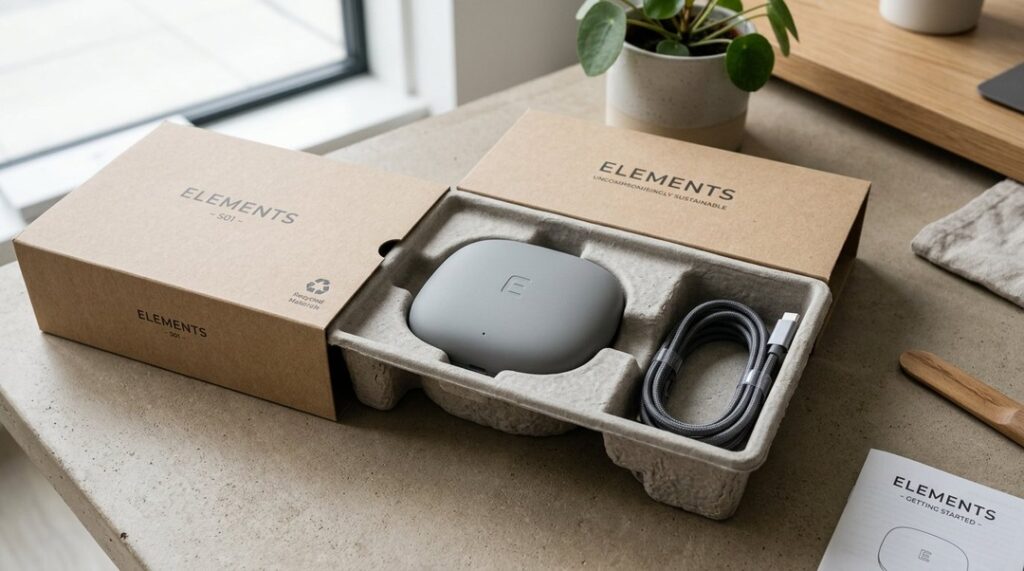
Different users benefit from different forms of simplicity.
Students
Students may prioritize portable laptops, dependable headphones, and affordable accessories.
A lightweight computer capable of running required educational software may provide better value than an expensive high-performance model.
Remote Workers
Remote workers often need reliable computers, webcams, microphones, and internet connectivity.
Minimalism can involve creating an uncluttered workspace with equipment that supports essential tasks.
However, removing necessary tools should not compromise productivity.
Frequent Travelers
Travelers may prefer compact chargers, lightweight laptops, and multifunctional accessories.
Reducing unnecessary equipment can make packing easier.
Battery capacity and charging compatibility remain important.
Older Adults
Some older users may appreciate devices with straightforward controls and readable interfaces.
However, age alone does not determine technology preferences or abilities.
Accessibility, individual experience, and personal requirements should guide product selection.
Digital Minimalists
People seeking fewer digital distractions may choose limited-function phones or dedicated devices.
These products can support intentional technology use when combined with appropriate habits.
The Future of Web Retailers in a Simpler Technology Market
The relationship between online commerce and personal technology continues to evolve.
Web retailers have opportunities to serve consumers who prioritize usefulness, transparency, and long-term value.
Rather than organizing every product category around maximum specifications, sellers can provide guidance based on practical needs.
Better Search and Recommendation Tools
Search systems can help customers identify products aligned with their priorities.
For example, shoppers might request a lightweight laptop for writing and video calls rather than browsing hundreds of models.
Recommendation tools should explain why a product is suggested.
Transparent recommendations are more useful than unexplained rankings.
More Detailed Ownership Information
Consumers may increasingly value information about repairability, update support, and expected maintenance requirements.
Web retailers can make these details easier to find.
However, claims about product lifespan should be supported by evidence.
Stronger Emphasis on Refurbished Products
Refurbished electronics can provide alternatives to purchasing new equipment.
Online sellers may expand their offerings of professionally inspected devices.
Clear grading standards and warranty terms will remain important.
Personalized Shopping Without Excessive Complexity
Personalization can improve product discovery when it reflects genuine customer needs.
However, excessive tracking and confusing recommendations can undermine trust.
Web retailers should balance useful customization with transparent privacy practices.
Why Enough Can Be a Competitive Advantage
In personal technology, more features do not always create more value.
A product becomes useful when its capabilities match the tasks its owner needs to complete.
Adding functions beyond that point may produce diminishing practical returns.
This does not mean technological innovation should stop.
Advanced features remain important for specialized work, accessibility, safety, and new applications.
However, innovation can also involve improving reliability, reducing weight, extending battery life, simplifying controls, and making products easier to repair.
Web retailers can help shoppers recognize these improvements.
A device that does exactly what its owner needs may provide greater satisfaction than one offering numerous capabilities that remain unused.
How to Build a Minimalist Personal Tech Setup
Creating a simpler technology collection begins with evaluating existing devices.
The objective is not necessarily to own the fewest possible products.
It is to maintain equipment that serves meaningful purposes without unnecessary duplication.
Start With Essential Activities
Identify daily tasks such as communication, work, reading, navigation, and entertainment.
Determine which devices support these activities effectively.
Remove Unnecessary Duplication
Some people own several devices with overlapping capabilities.
However, duplication is not always wasteful.
A dedicated work computer may be necessary for security or professional requirements.
Evaluate each device according to its actual role.
Prioritize Compatibility
Choose accessories that work reliably with existing equipment.
Common charging standards and compatible software can simplify daily routines.
Maintain Existing Devices
Before replacing technology, consider whether maintenance or repair could restore useful performance.
Battery replacement, software cleanup, and appropriate upgrades may extend service life.
Buy for Long-Term Needs
Avoid purchasing based solely on temporary excitement.
Consider whether a product will remain useful as routines change.
Web retailers that provide clear specifications and support information can make these decisions easier.
FAQ’s
1. What Are Web Retailers in the Technology Market?
Web retailers are businesses that sell products through online stores or digital marketplaces. They allow customers to compare, purchase, and receive technology products remotely.
2. Why Are Web Retailers Important for Minimalist Tech?
Web retailers help shoppers discover simpler devices, compare essential features, and evaluate practical alternatives to expensive, feature-heavy electronics.
3. Is Minimalist Personal Technology Cheaper?
Not always. Some minimalist devices cost less, while premium models may be expensive. Overall value depends on quality, durability, and actual usage.
4. Can Minimalist Technology Improve Productivity?
Minimalist technology may reduce distractions and simplify workflows for some users. However, productivity also depends on individual habits, software, and work requirements.
5. How Can I Find Reliable Web Retailers?
Look for clear product information, secure payment methods, transparent pricing, accessible customer support, and understandable warranty and return policies.
6. What Should I Consider Before Buying Minimalist Tech?
Evaluate essential features, software compatibility, battery performance, repairability, security updates, and long-term ownership costs before purchasing.
Conclusion
Minimalist personal technology reflects a practical shift in how consumers evaluate digital products. Instead of assuming that additional features automatically improve the experience, shoppers are increasingly considering reliability, simplicity, durability, and everyday usefulness. Web retailers play an important role in this process by helping customers compare devices according to meaningful requirements rather than marketing claims. Clear product information, transparent pricing, and thoughtful recommendations can make it easier to identify technology that supports daily routines without introducing unnecessary complexity.
The growing appeal of minimalist devices does not mean advanced technology has become irrelevant. It demonstrates that different consumers require different levels of functionality. For web retailers, the opportunity lies in offering genuine choice and helping shoppers recognize when a product already provides everything they need. By prioritizing informed purchasing, long-term usability, and practical value, consumers can build technology collections that feel less overwhelming and more purposeful. In this approach, having enough is not a compromise. It is often the foundation of a better digital experience.
Leave a Reply