
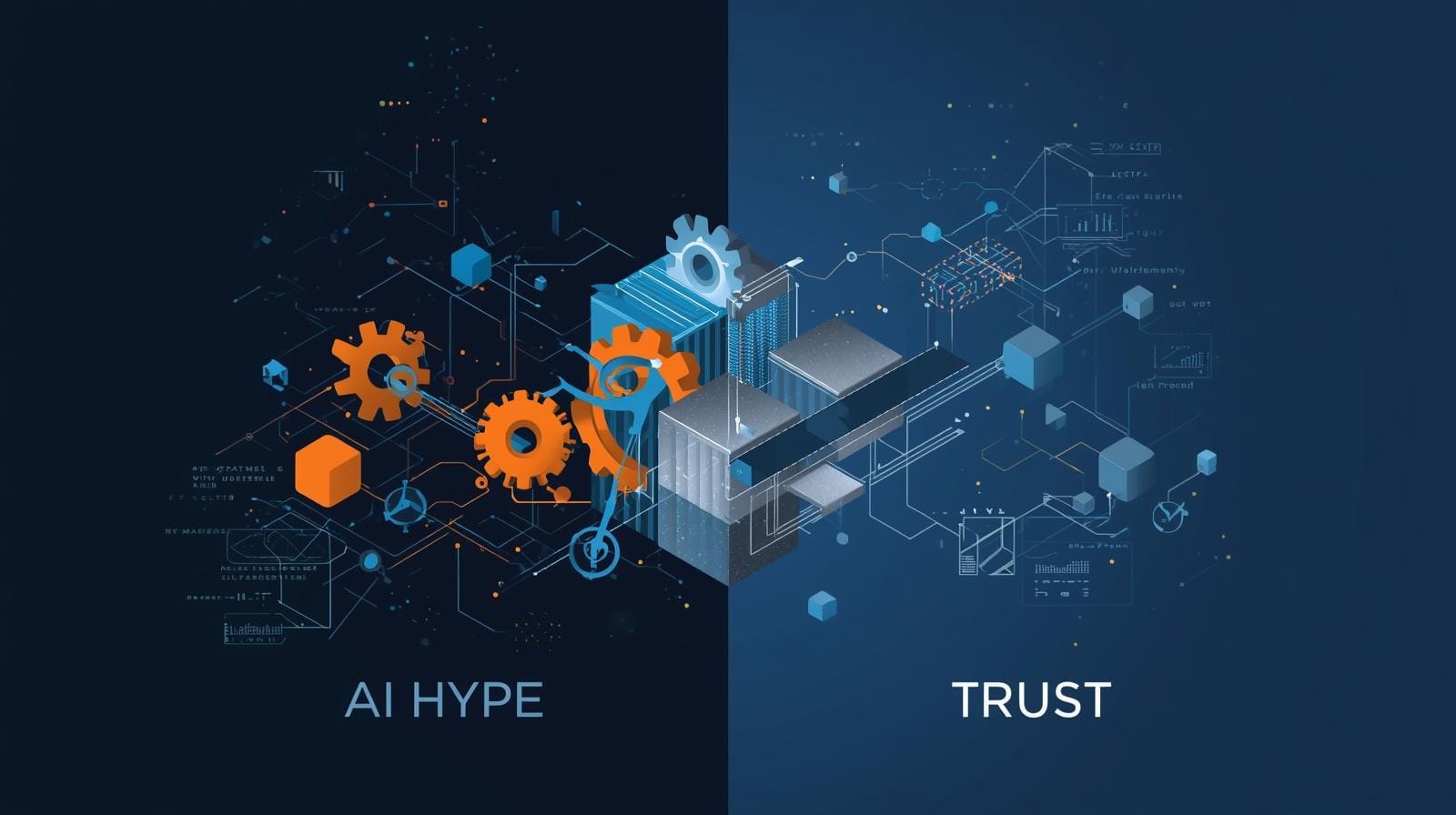
Artificial Intelligence has become a reality. Artificial Intuition is the force behind automating and personalizing decisions at a level that is unmatched by humans.
Salesforce Marketing Cloud is a revolution at its core.AI is replacing decisions once made by humans.
Which data are you using? How does AI decide what information I am allowed to see and not? Do you influence me or manipulate me? The customer has the right to ask.By 2025, AI won’t just be about automation. The key is trust. You have to earn it. You need to earn it.
This article will explain how to combine AI and ethics with Salesforce Marketing Cloud services. Begin with the foundation.
The Salesforce Marketing Cloud is powered by AI
- Salesforce Marketing Cloud is an intelligent tool which combines data, automation and intelligence under one roof.
- Einstein GPT allows for the creation of subject lines, emails campaigns and completed campaigns within seconds.
- The Predictive Analysis can predict the churn and lead generation before it happens, and even suggest what to do next before you have asked.
- Journey Builder’s AI turns signals and clicks into conversations, and turns behaviors into actions.
- Smarter segments for marketers. Personalization in real-time. Make decisions easily at large scales, for millions.
AI marketing: Promise or Reality?
- Faster campaigns make promises more tempting. Predictions of your next move. You feel like you’re getting a personalized touch.
- This is the issue. AI systems are not perfect. Hidden behind AI’s magic, black boxes make decisions no one sees. Privacy, bias, and manipulation have become major concerns.
- The challenge for marketers is to maintain AI’s power while also maintaining trust, which holds the whole thing together.
- Now let’s see why AI ethics is necessary.
What are the ethical AI implications?
Why ethical AI has never been more important.
- Consumers are becoming more worried about privacy and data security.
By 2025, AI laws will be in more countries than just the United States. The laws will regulate data use, algorithmic justice and consent.
Today’s customers expect:
- It is important to explain clearly how their data will used.
- Users can choose what to share and how it affects their personalization.
If brands fail to meet expectations, they risk financial penalties as well as reputational damage that no amount of money will be able to repair.
2. AI-biased marketing automation at risk
Artificial intelligence can learn by analyzing historical data Data can be biased based on demographics, geographical location and interest
Marketing AI, if left unchecked:
- You can target some groups more effectively than others.
- Personalization and targeting of ads should reinforce stereotyping.
What starts as a strategy for optimization can quickly turn unethical and damage inclusivity and the trust of people.
3. A Business Case for Responsible AI
It is not only right but also good to have ethical AI. The business will benefit.
See:
- The customer loyalty rate is high.
- Longer lifetime value (CLV).
- Difference in high-competition markets.
Trust has been the currency of choice in a world where automated systems are prevalent.
Now let’s discuss Salesforce and its role in ethical AI.
Salesforce’s ethical AI and transparency
Salesforce has built-in ethical guidelines for Marketing Cloud. Salesforce adheres to ethical AI and transparency.
1. Salesforce Marketing Cloud has built-in ethics guardrails.
Einstein Trust Layer (GPT) – Protects your data. Prevents leakage of data. Hiding what should be private.
Respect every preference. Each time. Every time.
Show the “why” behind decisions made. While customers trust brands and marketers, they do not trust processes.
2. Salesforce’s AI Governance Principles
It is clear where the line lies between Salesforce and responsible AI.
- Transparency – Every decision is explained No black boxes
- Humans are still in charge. The system isn’t a substitute for people, but does help.
- Fairness and bias are checked. Audits continue. The targeting remains ethical.
What’s the main message? Artificial intelligence is best when humans set the rules. The machines stay in them.
Would you like some advice on how to use ?
AI Marketing: Ethical AI Practices that are Transparent
These tips will help you implement AI in a way that is transparent and ethical.
1. Consent management and data minimization
- Do not assume anything. Only collect the data you require.
- AI-based customer journeys to demonstrate the technology
- Understand why your customers fall into certain segments. Discover how AI can predict their next move. Personalization that is auditable will improve compliance and trust.
2.. Automated campaigns require human oversight
- Automation is not abdication. Major decisions are made with the human in mind. AI can help when it comes to sensitive matters such as pricing, personalization or offers.
- Artificial intelligence is responsible for the nuance. Humans handle it.
Final thoughts and practical Takeaways
A Checklist of Ethical AI in Salesforce Marketing Cloud
- Transparent data practices
- Algorithms explained
- Regular audits are carried out to check for bias and compliance
Below are some quick tips to help marketers build trust with AI.
- Adopt Salesforce’s Responsible AI Principles.
- Marketing departments should not only be aware of AI’s features but also its ethics.
- Scale up only when you are ready
The wrap-up
The article is now up-to-date. The path to trust from AI hype isn’t optional.Salesforce Marketing Cloud allows brands to customize on a scale we’ve never imagined.Power needs to be tempered. The data must also be handled ethically. AI decision-making should always have transparency. Automations need to build customer trust.By 2025, the marketing industry will not only be data-driven but also rely on trust.Now is the time to create a plan of action.
Meta description
Find out how Salesforce Marketing Cloud integrates AI and ethics. Understand why transparency, trust, and responsible AI are essential in 2025 for successful customer-first Marketing.
FAQs
1. How does AI fit into Salesforce Marketing Cloud?
Predictive analytics scores leads, identifies churn potential and uses AI to power Salesforce Marketing Cloud. AI Journey Builder also provides recommendations for next steps. It transforms data into actions, allowing marketers to focus on strategy rather than spending countless hours segmenting or planning campaigns. AI is now in charge of the execution.
2. How important is ethical AI to marketing?
AI-driven marketing is a great tool but it can also raise serious privacy and fairness concerns. Customers are asking more questions like “What data do I use?” Are you unfairly influencing me? This currency is more valuable than any ROI. The value of this currency is greater than the ROI.
3. How does Salesforce approach AI-driven transparency in marketing?
Marketing Cloud has embedded ethical guidelines. For example, the Einstein GPT Trust Layer protects sensitive data by masking it and preventing leaks. Consent management tools ensure customer preferences are respected throughout all campaigns.
4. How can AI bias affect marketing automation?
AI can learn from previous data. AI can learn from past data.
5. What is Salesforce’s AI Governance?
The three core values of Salesforce are accountability, transparency, and fairness. AI is a partner in marketing, not an adversary.
6. Which ethical AI practices in Salesforce Marketing Cloud can help companies grow?
Companies should collect only the necessary data and get explicit consent from their clients. AI must be explained to customers so they understand how it works. AI is scaleable, but human supervision is essential for sensitive decisions such as pricing and tailor-made offers. Combining automation and human judgment can help businesses ensure ethical responsibility and efficiency.
7. How does AI marketing affect long-term profitability?
The ethics of AI are not only beneficial to compliance but also for business. Transparency, fairness and honesty are essential elements in a successful company. Customers are more loyal and the CLV is longer.
Leave a Reply