
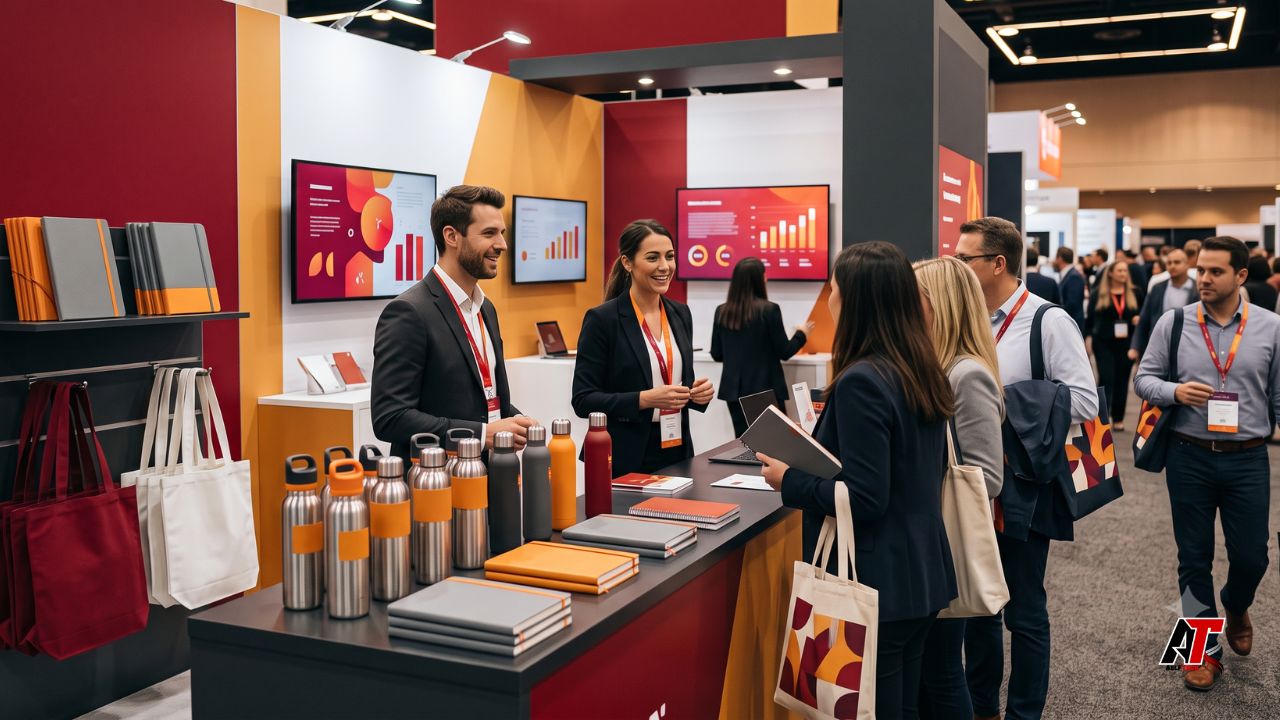
Trade shows are busy, noisy, and full of brands fighting for the same attention. Visitors walk past hundreds of booths in one day. They see banners, product demos, sales teams, brochures, and giveaways everywhere. In that environment, simply showing up is not enough. Your booth needs a reason for people to stop, talk, remember, and take action after the event.
This is where smart merchandise for trade shows makes a real difference. Smart merchandise is not just about giving away free items. It is about choosing branded products with a clear purpose. The right item can attract the right visitor, support a useful conversation, and keep your brand in front of a prospect long after the show ends.
Why Merchandise Still Matters at Trade Shows
A brochure may be read once and thrown away. A useful branded item may stay on a desk, in a laptop bag, or at home for months. Each time the person uses it, your brand gets another small moment of attention. That repeat visibility helps your company stay familiar when the prospect is ready to compare options or request a quote.
Merchandise also helps break the ice. Many visitors feel pressure when approaching a sales booth. A helpful giveaway gives them an easy reason to engage. It opens the door to a natural conversation without forcing a hard pitch too early.
What Makes Trade Show Merchandise Smart?
Smart merchandise is useful, relevant, and connected to a business goal. It should not feel random. It should fit your audience, your offer, and the type of event you are attending. A tech company may choose cable organizers, privacy webcam covers, or notebooks for product demos. A wellness brand may choose water bottles, cooling towels, or reusable bags. A B2B service company may choose premium pens, desk pads, or conference folders.
The smartest items solve a small problem for the visitor. At trade shows, people need places to store flyers, charge devices, take notes, hold drinks, and organize badges. If your merchandise helps with one of these needs, visitors are more likely to keep it and use it during the event.
Start With the Audience, Not the Product
Many brands make the mistake of choosing merchandise because it looks cheap, trendy, or easy to order. A better approach starts with the audience. Ask who will attend the show, what they care about, what kind of work they do, and what they are likely to keep.
When the item matches the visitor, it feels thoughtful. That matters because people judge your brand through small details. A low-quality item can quietly send the wrong message. A useful, well-made item can make your company feel more credible and prepared.
Use Merchandise to Pull People Into the Booth
The first challenge at any trade show is booth traffic. Smart merchandise can help create movement around your space. The key is to make the item visible and connected to an action. Do not hide everything behind the counter. Display select items in a clean way so people can see them from the aisle.
You can also use merchandise as part of a small activity. For example, visitors may receive a branded notebook after scanning a badge, answering one quick question, or joining a short product demo. This creates a simple exchange. The visitor gets value, and your team gets a better chance to qualify the lead.
Choose Items That Support Brand Memory
Trade show success depends on what happens after the event. Visitors may meet dozens of companies in one day. If your brand is not easy to remember, your follow-up email may get ignored. Smart merchandise helps solve this problem by creating a physical reminder.
The item should include clean branding, not clutter. A logo, website, short message, or QR code may be enough. Too much text can make merchandise look cheap or confusing. Keep the design simple so the item feels useful first and branded second.
Popular Merchandise Ideas That Work Well
The best choice depends on your industry and budget, but some items work well across many trade shows. Tote bags are useful because visitors collect flyers, samples, and catalogs during the day. Notebooks and pens remain popular because people still take notes during sessions and meetings. Reusable bottles, travel mugs, and phone accessories can also be practical when chosen with quality in mind.
For a more professional audience, consider desk-friendly products such as mouse mats, sticky notes, cable holders, laptop sleeves, or small organizers. For outdoor or lifestyle events, caps, cooling towels, sunglasses, or compact umbrellas may make more sense. The goal is to choose items that fit the event experience and the daily life of your target customer.
Businesses looking for branded promotional products can explore suppliers such as GoPromotional when comparing item types, order options, and event merchandise ideas. The main point is not to pick the most common item. The main point is to pick the item your audience will actually use.
Match Merchandise to the Buyer Journey
Not every visitor is at the same stage. Some are only browsing. Some are comparing vendors. Some are ready to book a meeting. Your merchandise strategy should reflect that difference.
For early-stage visitors, simple and useful items can introduce the brand. For interested prospects, a better item can support a deeper conversation. For high-value leads, premium merchandise can help create a more personal impression. This approach keeps your budget under control and makes each item work harder.
Add QR Codes and Landing Pages Carefully
QR codes can make merchandise more useful, but only when the destination is clear. Do not send people to a crowded homepage if the event has a specific campaign. Create a simple landing page for trade show visitors. It can include your offer, event details, product benefits, a booking form, and a short follow-up message.
This makes tracking easier. You can see how many people scanned, which offer worked, and whether the merchandise supported lead generation. Good tracking helps you improve your next event instead of guessing.
Quality Matters More Than Quantity
A pen that breaks, a bag that tears, or a bottle that leaks can make people question your attention to detail. You do not need the most expensive items, but you do need items that feel reliable. It is better to give fewer useful products than thousands of things people throw away before leaving the venue.
Think about how the item feels in the hand, how long it may last, and whether it reflects the standard of your brand. In many cases, one good product can create more value than several forgettable ones.
Train Your Team to Use Merchandise Properly
Even the best merchandise will not help much if the booth team uses it poorly. Staff should know when to offer each item, what question to ask before handing it over, and how to connect the gift to a next step.
The goal is to keep the conversation natural. Merchandise should support the discussion, not replace it. Your team still needs to listen, qualify, explain, and record details for follow-up.
Plan Follow-Up Before the Event Starts
Many trade show leads go cold because follow-up happens too late or feels too generic. Merchandise can make follow-up stronger if you connect it to the conversation. For example, your email can mention the item the person received, the product they asked about, or the demo they watched.
This creates context. Instead of sending a basic sales email, you remind the prospect of the interaction. You can also guide them to a useful resource, case study, booking page, or offer. The follow-up should feel like the next step, not a sudden pitch.
Before the event, prepare email templates, lead tags, CRM fields, and response timelines. Decide which leads need fast follow-up and which can enter a longer nurture sequence. The better your system, the more value you get from every conversation and every branded item.
Measure the Return on Merchandise
Merchandise should be judged by more than how quickly it disappears from the table. Track how it supports real outcomes. These can include booth visits, badge scans, demo bookings, QR code scans, landing page visits, qualified leads, meetings scheduled, and closed deals influenced by the event.
You can also collect feedback from your sales team. Ask which items helped start conversations and which ones attracted the wrong audience. Ask visitors what they found useful. Small notes from one event can improve your strategy for the next one.
Common Mistakes to Avoid
One common mistake is ordering merchandise too late. Rushed orders can limit product choice, increase costs, and cause quality issues. Start early so you have time to review samples, confirm artwork, and plan delivery.
Another mistake is using weak branding. If the logo is too small, the message is unclear, or the colors do not match your booth, the item may fail to support brand recall. Keep the design clean and consistent.
A third mistake is treating merchandise as a separate task. It should be part of the full event strategy. Your booth layout, staff plan, lead capture process, and follow-up campaign should all work together.
How aelftech.com Connects Merchandise With Growth
Trade show success is not only about having nice items on a table. It is about building a system that turns attention into conversations and conversations into business opportunities. This is the kind of practical growth thinking shared by aelftech.com for businesses that want clearer marketing results.
When merchandise supports your message, audience, and follow-up plan, it can help your brand stand out without shouting. It gives visitors something useful, gives your team a better opening, and gives your company a stronger chance of being remembered after the event.
Conclusion
Smart merchandise can elevate trade show success when it is chosen with purpose. It should attract the right visitors, support meaningful conversations, reflect your brand quality, and create a reason for prospects to remember you after the show.
The most effective brands do not treat giveaways as random extras. They use them as part of a complete event strategy. They match items to the audience, connect them with lead capture, train the booth team, and measure what happens after the event.
If your next trade show matters, plan your merchandise as carefully as your booth design and sales pitch. A useful item in the right hands can keep your brand alive long after the lights go down on the show floor.
Leave a Reply