
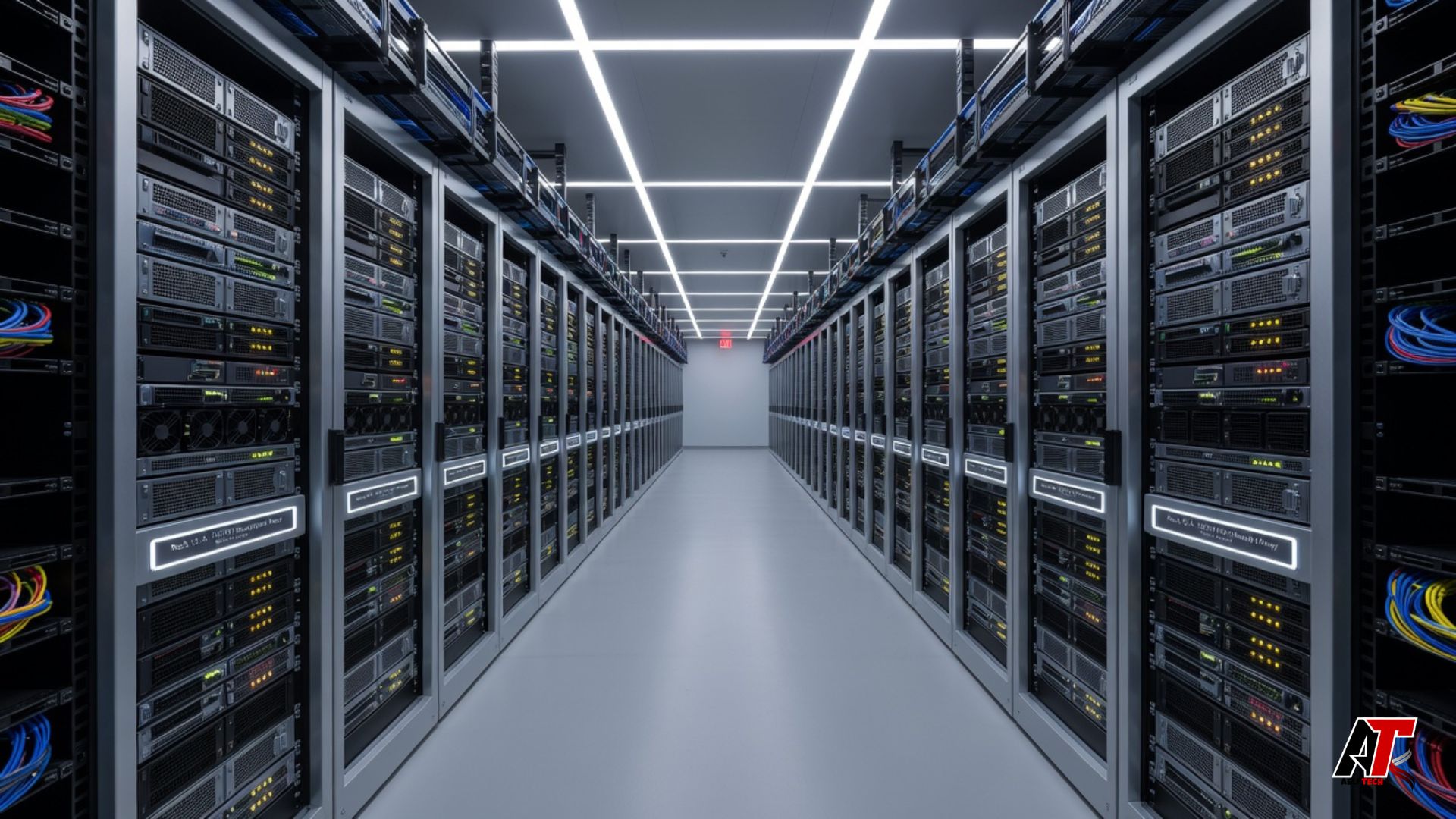
As digital transformation accelerates globally, the physical infrastructure supporting cloud computing and enterprise networks becomes increasingly critical. Server racks for data centres provide the foundational framework necessary to house, organize, and protect sensitive IT equipment. Furthermore, these specialized enclosures ensure optimal airflow, power distribution, and cable management. Therefore, selecting the appropriate rack architecture dictates the long-term scalability and efficiency of the entire facility.
The Structural Role of Server racks for data centres
The modern data centre operates as a highly synchronized machine where every physical component must adhere to strict standards. Server racks for data centres serve as the structural skeleton that mounts servers, switches, and routers securely. Consequently, these enclosures must support immense static weight while maintaining structural integrity during seismic events. Therefore, manufacturers construct these units using heavy-gauge cold-rolled steel or aluminum alloys. Furthermore, standardized dimensions, such as the standard rack width and EIA-310 unit heights, ensure universal compatibility across hardware vendors. Consequently, data centre operators can deploy multi-vendor IT infrastructure seamlessly without worrying about physical fit. Thus, structural standardization eliminates procurement friction and accelerates deployment timelines.
Standardization and Form Factors in Server racks for data centres
While standard width dimensions remain dominant, the depth and height of enclosures have evolved alongside computing demands. Modern server racks for data centres typically feature increased depths to accommodate deeper enterprise servers and improved cable routing. Furthermore, standard heights have increased from standard unit capacities to taller configurations to maximize compute density per square foot. Therefore, data centre managers must balance floor loading capacity with the desire to maximize vertical space. Consequently, tall racks require specialized handling equipment and precise floor leveling during installation. Thus, form factor selection directly impacts the facility spatial and operational economics.
Thermal Management and Airflow in Server racks for data centres
High-density computing generates immense heat, making thermal management the most critical aspect of data centre design. Server racks for data centres must facilitate precise airflow direction to prevent equipment overheating. Poor airflow management leads to hot spots, triggering fan overdrive and increasing overall power consumption. Therefore, modern enclosures utilize blanking panels, vented doors, and specialized air baffles to isolate hot and cold air streams. Consequently, the rack acts as a critical component of the facility broader cooling strategy rather than just a storage cabinet. Thus, thermal engineering at the rack level drives facility-wide energy efficiency.
Hot Aisle and Cold Aisle Containment Strategies
Data centre operators universally adopt hot aisle and cold aisle containment to optimize cooling infrastructure. Server racks for data centres are arranged in alternating rows, with cold air intakes facing one aisle and hot exhaust facing the other. By sealing the cold aisle, operators ensure that chilled air reaches server intakes without mixing with hot exhaust. Conversely, hot aisle containment captures exhaust air directly into the return plenum. Therefore, the physical rack design must support containment systems, featuring integrated baffles and roof panels. Consequently, proper containment can reduce cooling energy costs significantly. Thus, rack-level containment strategies are essential for modern power usage effectiveness goals.
Cable Management Within Server racks for data centres
Disorganized cabling restricts airflow, complicates maintenance, and increases the risk of accidental disconnections. Effective cable management within server racks for data centres ensures that power and data cables run cleanly along designated vertical and horizontal channels. Therefore, high-capacity racks feature deep cable channels and specialized routing rings that allow technicians to add or remove cables without disrupting existing runs. Furthermore, separating power and data cables minimizes electromagnetic interference. Consequently, meticulous cable architecture improves both thermal dynamics and maintenance speed. Thus, structured cabling at the rack level reduces operational bottlenecks during hardware refreshes.
Power Distribution and Overhead vs Underfloor Routing in Server racks for data centres
Power delivery requires robust busbar systems or rack-mounted power distribution units. Server racks for data centres must accommodate these power strips vertically to save valuable internal unit space. Modern intelligent distribution units provide remote power cycling and environmental monitoring at the outlet level. Therefore, the rack structure must support secure mounting for these smart devices while routing high-amperage feeds safely. Furthermore, facilities increasingly favor overhead cable trays over raised floors to reduce dust and improve cooling airflow. Consequently, racks must feature heavy-duty top caps designed to interface seamlessly with overhead tray systems. Thus, the integration of power distribution and structural cable routing defines the modern rack ecosystem.
Security and Physical Access Control for Server racks for data centres
Cybersecurity extends beyond digital networks; physical security of IT assets remains a strict compliance requirement. Server racks for data centres act as the final physical barrier against unauthorized access. Therefore, colocation providers and enterprise facilities implement electronic locking mechanisms on individual cabinet doors. These smart locks integrate with centralized data centre infrastructure management platforms, logging every access event with timestamps and user credentials. Furthermore, dual-factor authentication at the rack door ensures that only authorized technicians can touch sensitive hardware. Consequently, granular physical access control satisfies regulatory frameworks like strict auditing standards. Thus, rack-level security provides auditable asset protection.
Smart Locks and Environmental Monitoring in Server racks for data centres
Beyond door locks, modern enclosures feature integrated environmental sensors. Server racks for data centres often house temperature, humidity, and leak detection sensors mounted directly inside the cabinet. These sensors feed real-time data back to the infrastructure management software, allowing facility managers to identify micro-climates within a single row. Therefore, if a cooling unit fails, operators receive alerts before rack temperatures reach critical thresholds. Furthermore, some advanced cabinets feature asset tracking systems utilizing radio frequency identification to monitor server locations automatically. Consequently, environmental monitoring transforms a passive metal box into an active node in the facility network. Thus, smart sensor integration maximizes operational visibility and hardware longevity.
Selecting Server racks for data centres to Support High-Density Computing
The rapid adoption of artificial intelligence and machine learning drives demand for accelerated computing servers. These high-density configurations consume massive amounts of power and generate extreme heat, often exceeding standard kilowatt thresholds per rack. Standard server racks for data centres cannot handle this thermal or electrical load without significant modification. Therefore, operators must select specialized racks designed for direct-to-chip liquid cooling or rear-door heat exchangers. These heavy-duty enclosures feature upgraded door designs and reinforced frames to support the weight of cooling manifolds and large fluid pipes. Consequently, high-density computing requires a fundamental rethinking of traditional rack architecture. Thus, planning for future accelerated deployment dictates early infrastructure investments.
GPU Integration and Weight Capacity in Server racks for data centres
Artificial intelligence servers packed with heavy processing units weigh significantly more than standard web servers. A fully populated computing cluster can exceed thousands of pounds per rack. Therefore, server racks for data centres supporting these loads require reinforced rails, thicker steel frames, and specialized leveling feet. Furthermore, the floor tiles beneath these racks must be rated to handle point loads without fracturing. Liquid cooling distribution units mounted within or beside the rack add further structural demands. Consequently, structural engineers must verify floor capacity before deploying high-density computing infrastructure. Thus, physical weight limitations often dictate the maximum compute density achievable in a given facility.
The Future of Server racks for data centres and Automation
As facilities scale to hyperscale dimensions, manual rack deployment and monitoring become unsustainable. The industry is moving toward automated infrastructure management where server racks for data centre environments feature self-reporting capabilities. Future rack designs will integrate standardized telemetry interfaces, allowing seamless communication between the physical enclosure and cloud-based orchestration layers. Therefore, facility managers will deploy software updates to cooling valves and power units directly through code rather than manual configuration. Consequently, the physical rack evolves into a programmable infrastructure component. Thus, automation bridges the gap between physical hardware and software-defined data centres.
AI-Driven Infrastructure Management for Server racks for data centres
Artificial intelligence will soon optimize facility operations at the rack level continuously. Machine learning algorithms will analyze thermal data from individual server racks for data centres to dynamically adjust cooling fan speeds and water flow rates. If an algorithm predicts a thermal spike based on compute workload forecasting, it will pre-cool the specific rack before the heat generates. Therefore, intelligent management eliminates the over-provisioning of cooling resources, pushing facility efficiency to unprecedented lows. Furthermore, predictive maintenance algorithms will identify failing power units or sticking door locks before they cause downtime. Consequently, artificial intelligence integration ensures maximum operational efficiency and uptime. Thus, the future data centre operates as a self-healing, highly optimized physical ecosystem.
FAQs
1. What are server racks for data centres used for?
They provide the structural framework to securely house, organize, and cool sensitive IT infrastructure equipment like servers and switches.
2. How do server racks improve data centre cooling?
They utilize vented doors, blanking panels, and containment systems to isolate hot and cold air streams, preventing overheating and improving efficiency.
3. What is the weight capacity of high-density server racks?
Reinforced racks designed for high-density computing clusters can support thousands of pounds, accommodating heavy processing units and liquid cooling manifolds.
4. How are power and data cables managed within these racks?
Racks feature vertical and horizontal cable channels and overhead tray compatibility to separate power and data lines, improving airflow and maintenance access.
5. Do modern data centre racks include security features?
Yes, they often feature electronic smart locks, dual-factor authentication, and integration with infrastructure management platforms for auditable access control.
6. Can standard racks support liquid cooling infrastructure?
No, high-density liquid cooling requires specialized racks with reinforced frames, upgraded door designs, and integrated manifolds to handle the weight and plumbing.
Conclusion
The physical foundation of any digital enterprise relies heavily on the quality and design of its enclosures. Selecting the right server racks for data centres ensures that critical IT infrastructure operates within optimal thermal and structural parameters. By prioritizing airflow management, high-density weight capacity, and smart security integrations, facilities can scale efficiently while maintaining strict power usage effectiveness goals. Furthermore, as artificial intelligence and liquid cooling redefine modern computing loads, the architectural evolution of the rack becomes even more critical. Ultimately, investing in robust, standardized, and intelligent server racks for data centres guarantees long-term operational resilience and supports the continuous growth of global digital networks.
Leave a Reply