
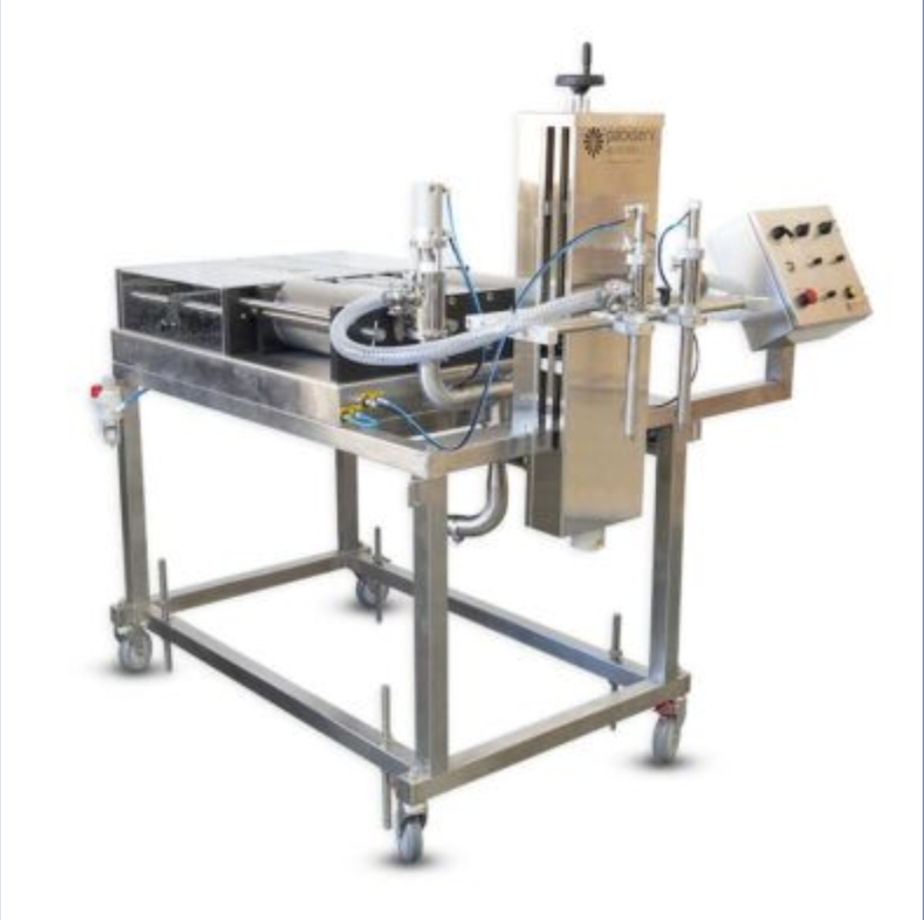
In modern manufacturing industries, liquid filling plays a crucial role in ensuring products are accurately packaged, efficiently processed, and ready for distribution. Whether it’s beverages, pharmaceuticals, cosmetics, or cleaning products, liquid filling machines are indispensable to maintain precision, consistency, and hygiene during production. But have you ever wondered how these machines actually work? This article explores the working principle of a liquid filling machine, its components, and why it’s such an essential part of the packaging process.
Understanding Liquid Filling Machines
A liquid filling machine is designed to measure and dispense a specific volume of liquid into bottles, containers, or other packaging forms. These machines vary in size, automation level, and filling mechanism, depending on the viscosity of the liquid, container type, and production volume. They can handle everything from thin liquids like water and juice to thicker substances like shampoo, syrup, or oil.
There are several types of liquid filling machines, including:
- Gravity fillers – ideal for free-flowing liquids.
- Piston fillers – perfect for thicker, more viscous products.
- Peristaltic pump fillers – often used in pharmaceuticals for sterile filling.
- Vacuum fillers – suitable for glass bottles and liquid products with foaming tendencies.
Regardless of the type, the core principle behind all liquid filling machines remains consistent: controlling the flow and quantity of liquid to achieve accuracy and speed.
The Working Principle of Liquid Filling Machines
At its core, the liquid filling process involves three main steps — liquid feeding, measurement, and dispensing. Here’s how it works step by step:
1. Liquid Feeding
The process begins with the liquid product being fed from a storage tank or reservoir into the filling system. Depending on the design, the feeding can be done using gravity, a pump, or pressure. In gravity fillers, the liquid flows down naturally due to its weight, while in pressure or pump systems, mechanical force pushes the liquid into the filling nozzles.
This step ensures a continuous and stable supply of liquid so the filling line can operate efficiently without interruptions.
2. Measurement or Metering
Once the liquid is inside the machine, it needs to be measured accurately. The metering system determines how much liquid should be filled into each container. This is a critical stage because even minor deviations can lead to product wastage, spillage, or customer dissatisfaction.
Common measuring systems used in liquid filling include:
- Piston-based systems: Use a piston and cylinder mechanism to draw and release a precise volume of liquid.
- Flow meter systems: Utilize sensors to measure the exact amount of liquid passing through the nozzle.
- Time-based filling: Controls the flow duration using valves and timers to fill containers for a set time, suitable for low-viscosity liquids.
3. Dispensing or Filling
After measurement, the machine dispenses the liquid into containers through filling nozzles. Depending on the product, the filling can be done from the top, bottom-up, or under-surface to prevent foaming or splashing.
During the filling process:
- The container is positioned precisely under the nozzle.
- The nozzle opens for a specific time or until a specific volume is reached.
- After filling, the nozzle closes automatically, and the container moves to the next stage — capping, labeling, or sealing.
Modern liquid filling machines are designed with advanced sensors and PLC (Programmable Logic Controller) systems that ensure synchronization between filling speed and container movement, minimizing spillage and maximizing throughput.
Components of a Liquid Filling Machine
To understand the working principle better, it helps to know the key components that make liquid filling machines efficient and reliable:
- Tank or Hopper: Stores the liquid product before it enters the filling section.
- Pump or Feeding System: Moves the liquid from the tank to the filling nozzles.
- Nozzles: Dispense the liquid accurately into containers.
- Conveyor System: Transports containers through different stages of the filling line.
- Sensors: Detect the presence of containers and control the filling start/stop actions.
- Control Panel: Allows operators to set parameters like fill volume, speed, and timing.
- Frame and Guarding: Provide stability and safety during operation.
Each component is carefully designed to ensure smooth operation, minimize downtime, and maintain hygiene standards — especially important in industries like food and pharmaceuticals.
Types of Filling Mechanisms
While the basic principle remains the same, liquid filling machines can use different mechanisms depending on the nature of the liquid and production needs:
- Gravity Filling: Uses gravitational force to fill low-viscosity liquids; cost-effective and simple.
- Piston Filling: Employs a reciprocating piston for high accuracy, suitable for thicker liquids.
- Pump Filling: Uses pumps (gear, peristaltic, or centrifugal) to handle a wide range of viscosities.
- Overflow Filling: Ensures consistent fill levels in transparent containers, common in cosmetics and beverages.
- Vacuum Filling: Creates a vacuum inside the container to draw in liquid; ideal for glass bottles.
Each method offers unique benefits in terms of precision, speed, and compatibility with different liquid types.
Advantages of Using a Liquid Filling Machine
Using a liquid filling machine provides numerous advantages over manual filling methods:
- Accuracy and Consistency: Ensures every container gets the exact amount of liquid, reducing product loss.
- Efficiency: High-speed operation boosts production rates.
- Versatility: Can handle a wide range of liquid viscosities and container shapes.
- Hygiene: Automated filling minimizes human contact, reducing contamination risks.
- Cost Savings: Less wastage, lower labor costs, and faster output improve profitability.
- Scalability: Machines can be adjusted or upgraded to meet growing production demands.
Applications of Liquid Filling Machines
Liquid filling machines are used across various industries:
- Food & Beverage: Juices, sauces, oils, and dairy products.
- Pharmaceutical: Syrups, disinfectants, and oral suspensions.
- Cosmetics: Lotions, perfumes, and shampoos.
- Chemical: Cleaners, lubricants, and solvents.
Their versatility makes them an indispensable part of almost every modern manufacturing facility.
Final Thoughts
The liquid filling process may seem simple from the outside, but behind every filled bottle lies a precise, well-coordinated system of valves, sensors, and nozzles working in harmony. The working principle of a liquid filling machine revolves around controlled liquid flow, accurate measurement, and consistent dispensing — all powered by automation and engineering precision.
As industries continue to grow and demand faster, more accurate production, liquid filling technology will keep evolving — offering smarter, more energy-efficient, and eco-friendly solutions that redefine how products reach consumers around the world.
Leave a Reply