
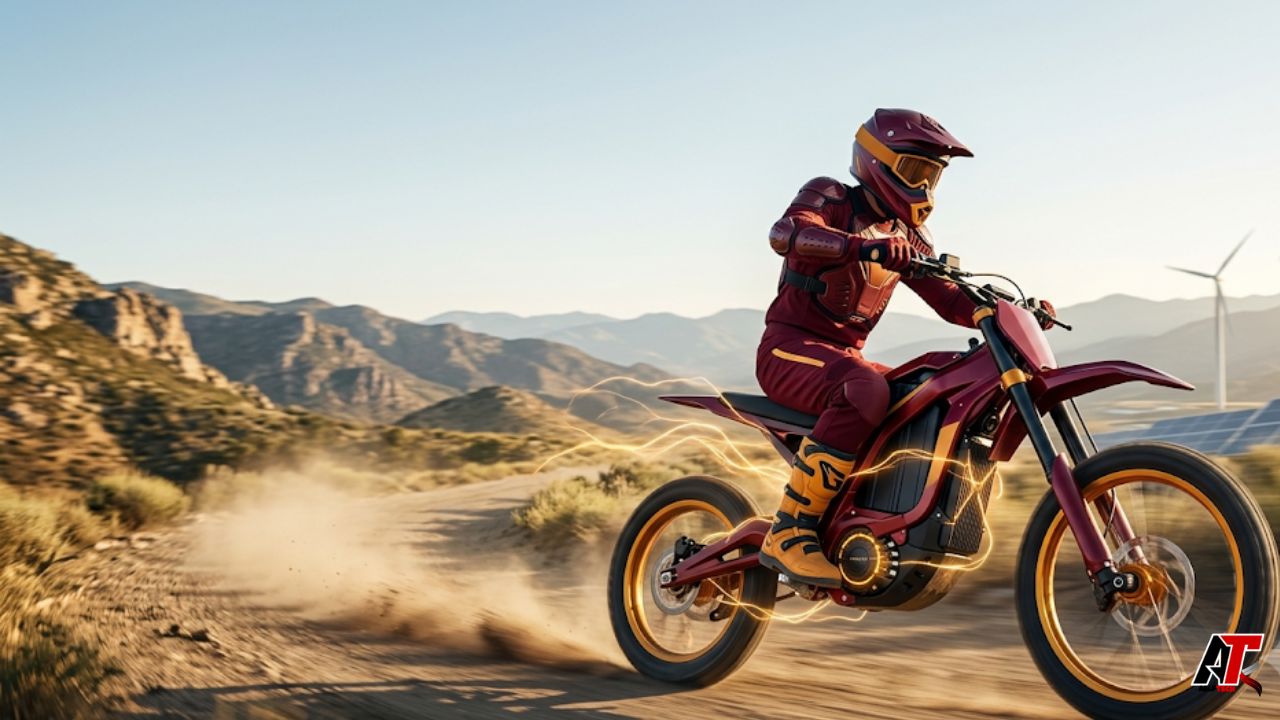
Electric dirt bikes are no longer a quiet experiment for early adopters. In 2026, they have become a serious choice for trail riders, weekend explorers, youth riders, and even competitive off-road athletes. The biggest reason is simple. electric dirt bikes now feel fast, controlled, and practical. Riders get instant torque, fewer moving parts, and a cleaner riding experience without giving up the excitement of dirt riding.
A modern electric dirt bike can feel very different from a gas bike. There is no clutch for most models. There is no fuel mixing. There is less engine noise. The power comes on quickly, which can make hill climbs, tight trails, and technical sections easier to manage. At the same time, this quick response means buyers must choose the right power level for their skill and riding area.
This guide explains what matters in 2026. You will learn how performance works, what to check before buying, which features are becoming common, and how to decide whether an electric dirt bike is right for your lifestyle. For more clean and practical tech guides, the team at aelftech.com usa recommends starting with the real use case first, then comparing specs.
What Makes Electric Dirt Bikes Different?
The main difference is the powertrain. Gas dirt bikes use an engine, fuel tank, gearbox, clutch, exhaust, oil, and several regular service parts. Electric dirt bikes use a battery, controller, motor, and software. This creates a smoother ride with fewer mechanical interruptions.
Instant torque is the feature most riders notice first. When you twist the throttle, the motor responds almost immediately. This helps on steep climbs and loose surfaces. It can also surprise new riders, so beginner modes and adjustable power maps are important.
Another difference is noise. Electric bikes are much quieter than gas bikes. That can open more riding opportunities in some areas, especially where noise complaints are common. However, quiet does not mean legal everywhere. Riders still need to check local trail rules, private land permissions, and road-use laws before riding.
Performance in 2026: What Riders Should Look For
Performance is not only about top speed. A good off-road bike needs the right mix of torque, battery capacity, suspension, weight, braking, and control. A powerful bike that is too heavy can feel tiring on tight trails. A light bike with a small battery may be fun for short rides but weak for long adventures.
Start with power delivery. Many 2026 models offer selectable ride modes. Eco mode saves energy and softens throttle response. Standard mode is useful for normal trails. Sport or race modes provide stronger acceleration. These settings make one bike useful for more than one rider or terrain type.
Battery range is the next major factor. Range depends on rider weight, speed, hills, soil, tire pressure, temperature, and riding style. Hard riding drains a battery faster than relaxed trail riding. Instead of trusting one range number, buyers should ask how long the bike lasts in the type of riding they actually do.
Suspension also matters. Off-road riding is rough. Look for quality front forks, a strong rear shock, and enough adjustability for your weight. Good suspension improves comfort, traction, and safety. It can also make a mid-power bike feel better than a high-power bike with weak components.
Battery and Charging: The Real Ownership Question
The battery is the heart of an electric dirt bike. In 2026, buyers should look beyond voltage and marketing claims. Battery capacity, charge time, replacement cost, and charging access all matter. A bigger battery can give longer rides, but it can also add weight and cost.
Charging is easy at home if you have a safe power outlet and enough time. Some bikes charge in a few hours, while high-capacity packs may take longer. Fast charging is improving across electric motorcycles, but many dirt bikes still focus on home charging because off-road riders often return to a garage, van, or trailer after a session.
Removable batteries can be useful. They allow indoor charging and make it possible to swap packs during long riding days. Fixed batteries can be stronger and cleaner in design, but the whole bike must be near a charger. Neither option is always better. The right choice depends on your routine.
Buying Tips: How to Choose the Right Electric Dirt Bike
First, choose by rider level. Beginners should not buy the most powerful bike just because it sounds exciting. A smoother, lighter, adjustable bike will help them build confidence. Experienced riders can look for stronger motors, better suspension, and higher battery capacity.
Second, match the bike to the terrain. For tight woods and technical trails, low weight and smooth throttle control matter a lot. For open desert, motocross tracks, or fast private land, power and suspension become more important. For young riders, adjustable speed limits and safety settings are essential.
Third, check parts support. A good bike is not only a product. It is also a support system. Make sure you can get tires, brake pads, chains, sprockets, controllers, batteries, and body parts. Also check the warranty terms and whether local technicians can service the model.
Fourth, think about total cost. Electric dirt bikes may reduce fuel and oil expenses, but batteries and electronics can be expensive if damaged. Protective parts such as skid plates, handguards, strong foot pegs, and quality tires can save money over time.
Finally, test the riding position. Seat height, handlebar reach, peg position, and weight balance affect control. A bike that looks perfect on paper may feel wrong in person. When possible, sit on it, lift it, and ride it before buying.
What’s New in 2026?
The biggest trend is smarter control. Electric dirt bikes are becoming more adjustable through apps, dashboards, and ride modes. Riders can change throttle response, regenerative braking, and power output. This helps the same bike work for practice, trail riding, and high-speed sessions.
Another trend is better battery management. Manufacturers are working on cooling, safety systems, and more accurate range estimates. This matters because off-road riding creates heat, vibration, and sudden power demands. A good battery system protects performance and long-term reliability.
Lightweight design is also improving. Builders are trying to reduce weight while keeping frames strong. This is important because dirt riders move the bike constantly. They stand, lean, lift, slide, and recover from mistakes. A lighter electric bike can feel more natural in technical terrain.
More brands are also entering the market. Some focus on full-size motocross performance. Others focus on trail-friendly bikes, youth models, and urban-to-trail machines. This gives buyers more choice, but it also makes research more important.
Safety and Legal Points You Should Not Ignore
Electric does not mean harmless. Some electric dirt bikes accelerate very quickly. Always wear a helmet, gloves, boots, eye protection, and protective clothing. New riders should use the lowest power mode until they understand the throttle response.
Legal rules can be confusing. A bike may be sold as off-road only, street legal in one country, or limited in another area. Before riding on public roads, trails, parks, or shared paths, check local regulations. Also remember that many high-power electric dirt bikes are not the same as pedal-assist e-bikes.
Battery safety is also important. Use the correct charger. Do not charge a damaged battery. Avoid storing the bike in extreme heat. Keep the charging area clean and dry. These simple steps help protect both the bike and the rider.
Maintenance: Easier, But Not Maintenance-Free
One reason riders like electric dirt bikes is lower routine maintenance. There is no engine oil, spark plug, air filter oil, or exhaust packing in the same way as gas bikes. Still, the bike needs regular care.
Check tire pressure before rides. Inspect brake pads and rotors. Keep the chain clean and adjusted if the bike uses one. Check bolts, spokes, suspension seals, and cables. Clean mud carefully, especially around electrical parts. Avoid aggressive pressure washing near connectors, bearings, and battery areas.
Software updates are also part of modern ownership. Some bikes may receive updates for performance, battery management, or display features. Keep records of updates, service, and battery health. This can help with resale value.
Who Should Buy One in 2026?
An electric dirt bike is a great fit for riders who want quick torque, simple operation, and quieter riding. It is also useful for people who ride on private land or short trail loops near home. Parents may like adjustable youth models because power can be limited as skills grow.
It may not be the best choice for every rider. If you do very long remote rides with no charging option, a gas bike may still be easier. If you race in a class that does not allow electric bikes, rules matter more than specs. If your local area has limited support for parts and service, research carefully before buying.
For many riders, though, the balance is now strong. The best 2026 models are quick, clean, and fun. They remove many old maintenance headaches while adding new technology and control.
Final Thoughts
The electric dirt bike market in 2026 is more mature than ever. Riders now have options for casual trails, youth training, serious motocross, and high-performance off-road riding. The best purchase is not always the bike with the biggest power number. It is the bike that matches your terrain, skill level, budget, charging setup, and service needs.
Before buying, compare battery capacity, real-world ride time, suspension quality, parts support, and legal status. Test ride when possible. Start with lower power settings. Build confidence slowly. When chosen well, electric dirt bikes can deliver a thrilling ride with less noise, less routine maintenance, and a very modern off-road feel.
Leave a Reply