
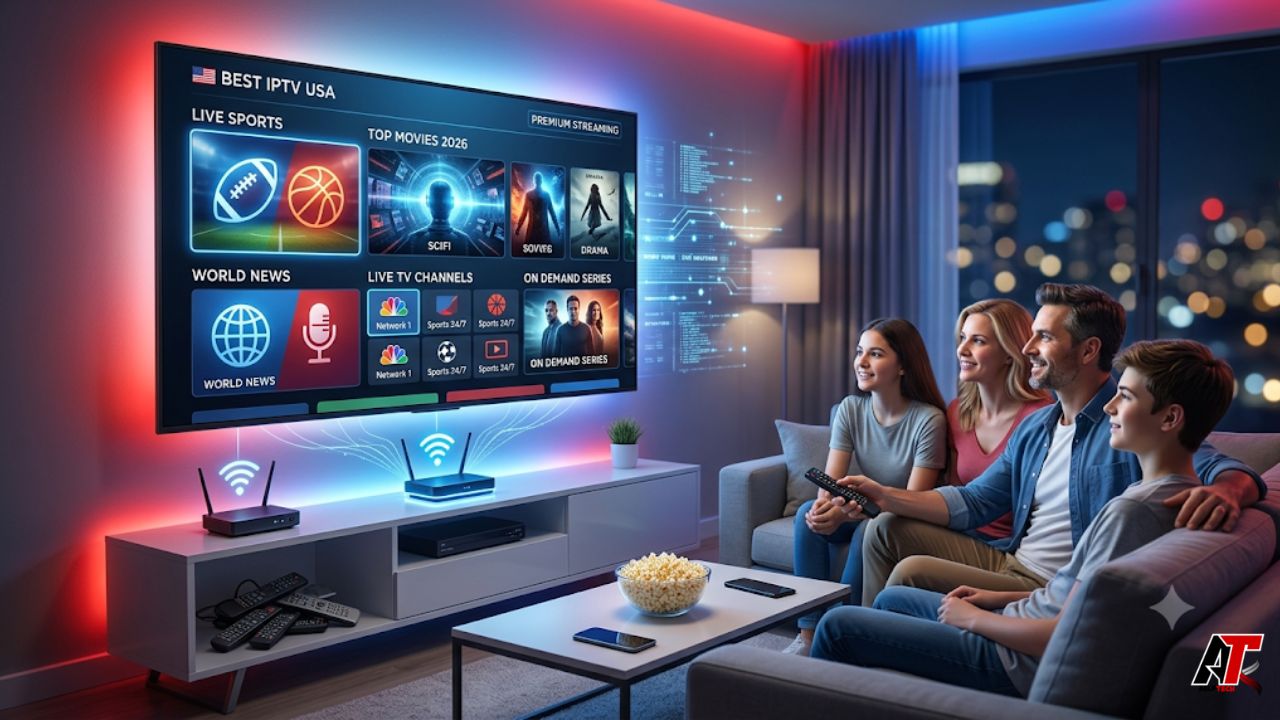
American viewers are changing how they watch live TV. Many households no longer want a large cable bill, a long contract, or a bundle filled with channels they never open. They want flexible access, simple apps, and better control over monthly spending. That is why the search for Best IPTV USA 2026 has become more common among cord-cutters.
IPTV means Internet Protocol Television. In simple words, TV content is delivered through an internet connection instead of a traditional cable line or satellite dish. This can include live TV, video on demand, catch-up content, or app-based channel packages.
However, IPTV is not automatically better just because it sounds modern. A good service must be legal, reliable, secure, and transparent. Viewers should understand what they are paying for before they replace cable or add another streaming bundle.
What Makes IPTV Different From Cable?
Traditional cable uses a managed cable network. IPTV uses the internet. That one difference changes the entire viewing experience. A viewer can often use a smart TV, phone, tablet, streaming stick, browser, or IPTV player app. This gives more freedom than a fixed cable box.
Cable usually comes with equipment fees, installation appointments, and regional packages. IPTV services may feel faster to set up. Many can be activated online and used on several devices. This is one reason people compare IPTV with live TV streaming services and traditional cable.
Still, the internet connection matters. Weak Wi-Fi, slow speeds, or poor router placement can cause buffering. A high-quality IPTV experience needs stable broadband, updated devices, and a provider that can handle peak viewing hours.
Why Americans Are Moving Away From Traditional Cable
The biggest reason is cost. Many cable bills rise after the promotional period ends. Extra fees can also make the final price higher than expected. Viewers are tired of paying for hardware rentals, regional sports fees, broadcast fees, and channels they do not watch.
Another reason is flexibility. Modern viewers want to cancel, pause, or switch services without a long phone call. They also want content on mobile devices. Younger households are especially comfortable with app-based viewing.
Convenience also plays a role. People want live sports, local news, movies, and shows in one place. At the same time, they do not want five different subscriptions. This is where IPTV gets attention, but it must be evaluated carefully.
The Legal Side Comes First
Before choosing any IPTV service, legality should be the first question. A provider must have the right to distribute the channels, movies, sports, or shows it offers. If a service promises thousands of premium channels at an unrealistically low price, that is a warning sign.
Legal IPTV includes services with proper content rights, clear company information, transparent billing, and support channels. Unverified IPTV can create risks. These may include service shutdowns, poor refunds, malware exposure, privacy issues, and possible copyright concerns.
A smart buyer should look for licensing details, terms of service, refund policy, business identity, secure payment methods, and realistic claims. Saving money is not worth losing personal data or paying for a service that disappears.
1. Compare Channel Needs Before Comparing Prices
Price is important, but it should not be the first filter. Start with your must-have channels. Do you need local news? Do you watch national sports? Do you need kids content, Spanish channels, movies, or international programming?
Once you know your real needs, compare services by matching those needs. A cheap plan is not useful if it misses the channels your family watches every week. A higher plan may also be wasteful if it includes hundreds of channels you never open.
The best IPTV choice is not the one with the biggest number. It is the one that gives the right content, stable performance, and clear value.
2. Check Streaming Quality and Buffering Control
Streaming quality is one of the biggest differences between a good and bad IPTV experience. HD and 4K claims sound attractive, but they only matter when the service is stable. A stream that buffers during a live game is frustrating, no matter how many channels the package includes.
Look for services that explain device support, speed recommendations, server reliability, and customer support. Also test your home setup. Use a wired connection when possible. Keep your router in an open area. Update your streaming device. These small steps can improve performance.
A strong provider and a weak home network will still create problems. Both sides matter.
3. Review Device Compatibility
Good IPTV should be easy to use on common devices. Many Americans use smart TVs, Amazon Fire TV devices, Roku, Android TV boxes, Apple TV, iPhones, Android phones, tablets, and laptops. Before paying, confirm that the service supports your exact device.
Also check how many connections are included. Some plans allow one screen at a time. Others allow two or more. This matters for families. A household with sports fans, kids, and remote workers may need more flexibility than a solo viewer.
Easy installation also matters. If setup requires confusing third-party steps, unclear apps, or risky downloads, be cautious.
4. Understand the Difference Between IPTV and Streaming Bundles
Many people compare IPTV with services like live TV streaming bundles. Both can deliver TV over the internet, but the business model may differ. Large streaming bundles are usually licensed and well-known. They may cost more, but they often offer clearer billing and stronger consumer protection.
Independent IPTV services may offer more flexibility or different channel mixes. Yet buyers must do more homework. Always check terms, support, refund rules, and content rights. A service should not hide basic information.
For digital guides and online tools, readers can also explore aelftech.com usa for broader technology and lifestyle topics.
5. Look Closely at Pricing and Renewal Terms
Low monthly pricing can look attractive. But the real cost depends on renewal terms, refund rules, payment safety, number of devices, and support quality. Some services offer monthly, quarterly, yearly, or multi-year plans. Longer plans may reduce the monthly rate, but they also increase risk if the service is untested.
New users should start small when possible. A short plan gives time to check buffering, channel stability, picture quality, support response, and device compatibility. After that, a longer plan may make more sense.
Read refund policies before purchase. A trustworthy service should explain how refunds work and how customers can contact support.
6. Research Providers Without Relying on Hype
Marketing pages often use phrases like premium quality, no buffering, thousands of channels, and instant access. These claims are easy to write. They are harder to prove. That is why user research matters.
When comparing options, some readers may come across names such as TVOXAR.COM or OREXETV.COM while researching IPTV services online. Treat these as starting points for comparison, not automatic recommendations. Check their terms, support, privacy practices, pricing details, and content-rights information before making any decision.
Also look for independent reviews. Be careful with fake review pages that only promote one service. A balanced review should discuss both benefits and risks.
7. Protect Your Privacy and Payment Details
Any online TV service can collect information. This may include email address, payment details, IP address, device type, and viewing behavior. That makes privacy important.
Use secure payment methods when possible. Avoid providers that request strange payment steps or pressure you to pay quickly. Also avoid downloading unknown apps from random file links. Use official app stores when available.
A legal and reliable IPTV service should not require risky device changes. It should also offer a clear privacy policy and secure checkout page.
8. Think About Sports, Local Channels, and Blackouts
Sports are one of the main reasons people keep cable. They want NFL, NBA, MLB, NHL, college games, combat sports, or regional networks. IPTV may appear attractive for sports viewers, but this is also where licensing matters most.
Live sports rights are expensive and tightly controlled. If a provider claims access to every major sports event for a tiny price, buyers should slow down and verify the offer. Local channels also vary by region. A service that works well in one state may not offer the same value in another.
The best approach is simple. List your favorite teams and networks. Then confirm access before paying.
9. Customer Support Can Make or Break the Experience
Even a good service can have setup questions. You may need help with login details, playlist setup, device configuration, renewal, or troubleshooting. Fast support matters, especially during live events.
Before buying, test the support channel. Send a simple question. See how fast they respond. Check whether the answer is clear or copied from a template. Good support is a sign of a more serious provider.
Also look for a contact page, FAQ, refund policy, and setup guides. These small details show whether the company is prepared to support real customers.
10. When IPTV May Be Better Than Cable
IPTV may be better when you want flexible viewing, fewer hardware requirements, mobile access, and simple online setup. It may also suit people who travel often or prefer app-based entertainment.
It can also help households that want to reduce cable clutter. No extra cable box is needed in many cases. A smart TV or streaming device may be enough.
However, IPTV is not always better. Cable may still work well for people who need guaranteed local support, bundled internet discounts, or simple service from one known company. The right choice depends on budget, content needs, and risk tolerance.
Final Verdict: What Is the Best IPTV USA 2026 Choice?
There is no single best IPTV service for every American household. The best choice is the one that offers legal access, stable streaming, fair pricing, clear support, secure payments, and the channels you truly watch.
In 2026, Americans are choosing more flexible TV options because cable and streaming bundles can feel expensive and crowded. IPTV can be part of that shift, but only when selected carefully.
Before buying, verify content rights, test the service with a short plan, protect your payment details, and avoid unrealistic claims. The best IPTV USA 2026 option should give more control without creating new problems.
FAQs
Is IPTV legal in the USA?
IPTV technology itself is legal. The issue is whether a provider has rights to distribute the content it offers. Always choose services that are transparent about licensing and business details.
Can IPTV replace cable?
It can replace cable for some households. It depends on channel needs, internet speed, device compatibility, and whether the provider is reliable and lawful.
What internet speed is good for IPTV? HD streams usually need a stable broadband connection. 4K streams need more speed and better Wi-Fi. A wired Ethernet connection can improve stability.
Should I buy a yearly IPTV plan right away?
It is safer to test a short plan first. Check quality, support, refund rules, and device compatibility before choosing a longer plan.
Leave a Reply