
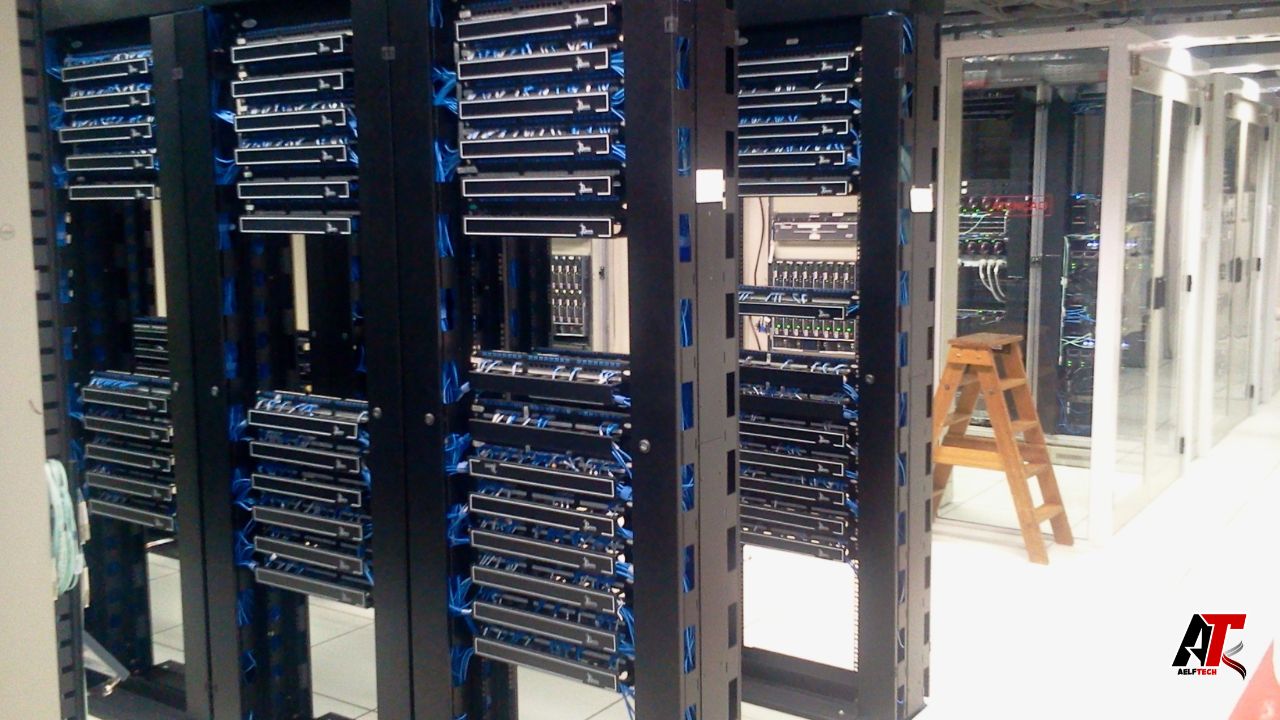
The demand for faster data processing, artificial intelligence, scientific research, and large-scale simulations has transformed how organizations approach computing infrastructure. Traditional on-premises systems often struggle to keep up with today’s complex workloads, leading many businesses and research institutions to adopt HPC Cloud Solutions. By combining the power of high-performance computing (HPC) with the flexibility of cloud technology, organizations can process massive datasets, run advanced simulations, and accelerate innovation without investing in expensive physical infrastructure.
Whether supporting engineering design, pharmaceutical research, financial modeling, or AI development, cloud-based HPC environments provide scalable computing resources that can be accessed whenever they are needed.
What Are HPC Cloud Solutions?
HPC Cloud Solutions provide high-performance computing resources through cloud infrastructure rather than relying solely on local supercomputers or data centers. These solutions enable organizations to perform computationally intensive tasks using powerful processors, graphics processing units (GPUs), large memory configurations, and high-speed networking.
Instead of purchasing and maintaining costly hardware, organizations can access computing resources on demand, scaling capacity according to project requirements.
Why High-Performance Computing Matters
Modern industries increasingly depend on advanced computing for innovation and decision-making.
High-performance computing supports workloads such as:
- Artificial intelligence
- Machine learning
- Scientific simulations
- Engineering analysis
- Financial modeling
- Climate research
- Genomics
- Big data analytics
Many of these applications require processing capabilities beyond those of conventional business servers.
How HPC Cloud Solutions Work
Cloud providers make high-performance computing resources available through virtual infrastructure.
A typical workflow includes:
- Provisioning computing resources
- Uploading data or applications
- Running large-scale computational workloads
- Storing or analyzing results
- Scaling resources as demand changes
This approach allows organizations to access powerful infrastructure without maintaining dedicated hardware.
Benefits of HPC Cloud Solutions
On-Demand Scalability
One of the biggest advantages of cloud-based HPC is flexibility.
Organizations can quickly increase or reduce computing resources depending on workload requirements.
This scalability supports projects of varying sizes without permanent infrastructure investments.
Reduced Capital Costs
Building an on-premises HPC environment often requires substantial investment in servers, networking equipment, cooling systems, and maintenance.
Cloud solutions reduce upfront infrastructure costs by providing pay-as-you-use access to computing resources.
Faster Time to Results
High-performance computing allows organizations to complete computational workloads more quickly.
This may accelerate:
- Product development
- Research projects
- Engineering simulations
- AI model training
Shorter processing times can improve overall productivity.
Global Accessibility
Cloud environments allow authorized users to access HPC resources from multiple locations, supporting distributed teams and collaborative research.
Common Applications
Artificial Intelligence
Training machine learning models often requires significant computing power.
HPC cloud environments support:
- Deep learning
- Neural network training
- Computer vision
- Natural language processing
Powerful GPU infrastructure helps accelerate AI development.
Engineering Simulation
Engineers use HPC to model complex systems before physical production.
Applications include:
- Structural analysis
- Fluid dynamics
- Thermal simulations
- Automotive design
- Aerospace engineering
Simulation helps reduce development costs and improve design quality.
Scientific Research
Researchers rely on HPC for computational tasks involving:
- Physics
- Chemistry
- Biology
- Climate science
- Medical research
Cloud access allows institutions to expand computing capacity without purchasing dedicated supercomputers.
Financial Services
Financial organizations use high-performance computing for:
- Risk analysis
- Portfolio optimization
- Market simulations
- Fraud detection
Rapid computation supports faster business decisions.
Key Features of HPC Cloud Solutions
Modern HPC platforms often include:
- High-core-count processors
- GPU acceleration
- High-speed networking
- Parallel file systems
- Scalable storage
- Cluster management tools
- Job scheduling systems
The available features depend on the cloud provider and service configuration.
Security Considerations
Organizations processing sensitive information should evaluate cloud security carefully.
Important considerations include:
- Data encryption
- Identity and access management
- Network security
- Compliance requirements
- Backup strategies
- Monitoring and logging
Cloud providers typically offer a variety of security features, but customers also share responsibility for securing their own workloads.
Choosing an HPC Cloud Provider
Before selecting a solution, evaluate several factors.
Performance
Review available CPU, GPU, storage, and networking options.
Scalability
Choose infrastructure capable of supporting future computational growth.
Pricing
Understand usage-based pricing, storage costs, and data transfer fees before deployment.
Software Compatibility
Verify compatibility with your research, engineering, or business applications.
Technical Support
Reliable support helps organizations resolve technical issues more efficiently.
Future Trends
High-performance computing continues evolving alongside advances in cloud infrastructure.
Emerging trends include:
- AI-optimized cloud infrastructure
- Quantum computing integration
- Edge computing
- Sustainable data centers
- Advanced GPU clusters
- Hybrid cloud HPC environments
These developments continue expanding computational capabilities across industries.
Frequently Asked Questions
What are HPC Cloud Solutions?
HPC Cloud Solutions provide high-performance computing resources through cloud infrastructure, allowing organizations to perform computationally intensive tasks without maintaining dedicated supercomputers.
Which industries use HPC cloud computing?
Healthcare, engineering, manufacturing, finance, scientific research, artificial intelligence, energy, and government organizations commonly use HPC cloud solutions.
What are the benefits of cloud-based HPC?
Key benefits include scalability, reduced capital costs, faster computation, global accessibility, and flexible resource allocation.
Can HPC cloud solutions support AI workloads?
Yes. Many cloud providers offer GPU-accelerated infrastructure designed to support machine learning, deep learning, and artificial intelligence development.
How secure are HPC cloud environments?
Security depends on both the cloud provider and the customer’s implementation. Organizations should evaluate encryption, access controls, compliance requirements, monitoring, and backup strategies.
Conclusion
HPC Cloud Solutions enable organizations to harness the power of high-performance computing without the complexity and expense of maintaining dedicated supercomputing infrastructure. By providing scalable processing resources, GPU acceleration, and flexible cloud environments, these solutions support innovation across industries ranging from scientific research and engineering to artificial intelligence and financial analytics. As computational demands continue to grow, cloud-based HPC is becoming an essential technology for organizations seeking faster insights, improved efficiency, and greater flexibility in an increasingly data-driven world.
Leave a Reply