
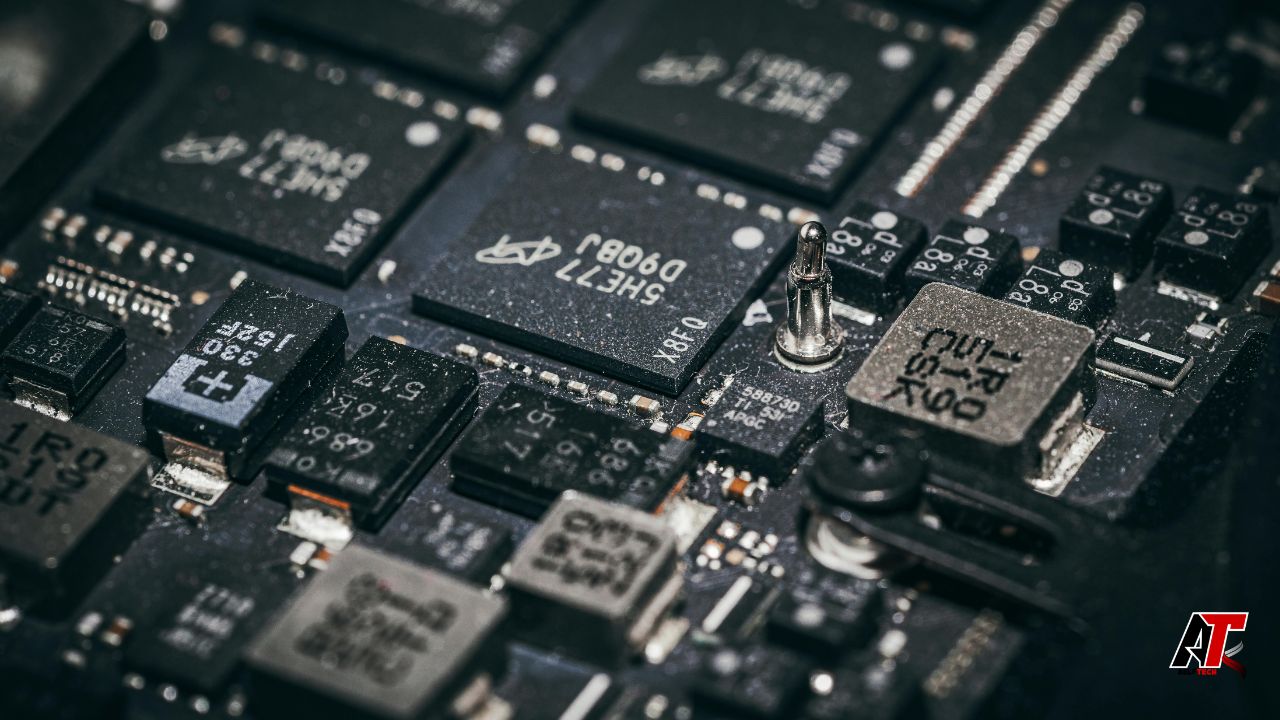
DARPA AISS (Automatic Implementation of Secure Silicon) is a U.S. Defense Advanced Research Projects Agency (DARPA) initiative focused on automating the design and implementation of secure semiconductor hardware. The program aims to improve the security, reliability, and trustworthiness of integrated circuits (ICs) by embedding security features directly into chip design processes.
As hardware security becomes increasingly critical in defense, aerospace, and commercial systems, AISS seeks to address vulnerabilities at the silicon level rather than relying solely on software-based protections.
What Is DARPA AISS?
The Automatic Implementation of Secure Silicon (AISS) program is designed to:
- Automate secure hardware design methodologies
- Detect and mitigate hardware vulnerabilities
- Reduce human error in chip development
- Integrate security earlier in the design lifecycle
- Strengthen supply chain resilience
The program supports the broader U.S. objective of improving semiconductor security and national technology infrastructure.
Why Secure Silicon Matters
Modern systems rely heavily on semiconductor chips in:
- Military equipment
- Aerospace systems
- Telecommunications
- Critical infrastructure
- Consumer electronics
Hardware-level vulnerabilities can result in:
- Data breaches
- System compromises
- Supply chain attacks
- Long-term security risks
By securing silicon at the design stage, risks can be significantly reduced.
Core Objectives of AISS
1. Automated Security Integration
AISS aims to incorporate security protections automatically into chip layouts and logic during the design process.
2. Hardware Vulnerability Detection
The program focuses on identifying potential hardware weaknesses before fabrication.
3. Reduced Development Complexity
Chip design is highly complex. Automation can reduce errors and speed up secure implementation.
4. Trusted Microelectronics
The initiative supports the development of trusted semiconductor manufacturing processes.
How AISS Differs from Traditional Approaches
Traditional hardware security often involves:
- Manual design reviews
- Post-design verification
- Software-level patches
AISS emphasizes proactive, automated security embedded directly into the chip design workflow.
Potential Benefits
If successful, the program could:
- Increase hardware-level security
- Reduce attack surfaces
- Accelerate secure chip production
- Improve verification accuracy
- Enhance defense system resilience
Secure silicon strengthens both military and commercial technologies.
Broader Context: Semiconductor Security
The AISS program aligns with growing national efforts to:
- Reduce dependency on foreign chip manufacturing
- Secure domestic semiconductor supply chains
- Improve microelectronics innovation
- Address emerging cyber threats
Hardware-level security is now considered foundational to cybersecurity strategy.
Challenges
The initiative faces technical hurdles such as:
- Complexity of modern chip architectures
- Scaling automated verification tools
- Balancing performance and security
- Ensuring compatibility with existing design workflows
Advanced research is required to achieve reliable automation.
Frequently Asked Questions
1. What does DARPA AISS stand for?
Automatic Implementation of Secure Silicon.
2. What is the purpose of AISS?
To automate secure chip design and strengthen hardware security.
3. Why is silicon security important?
Hardware vulnerabilities can compromise entire systems.
4. Is AISS related to cybersecurity?
Yes, it focuses on hardware-level cybersecurity.
5. Does AISS affect commercial technology?
Research may influence both defense and commercial semiconductor development.
Conclusion
DARPA AISS (Automatic Implementation of Secure Silicon) represents a forward-looking effort to automate and embed security directly into semiconductor design. By addressing vulnerabilities at the silicon level, the program aims to enhance trust, resilience, and protection across critical systems. As cybersecurity threats evolve, initiatives like AISS highlight the importance of securing hardware foundations alongside software defenses.
Leave a Reply