
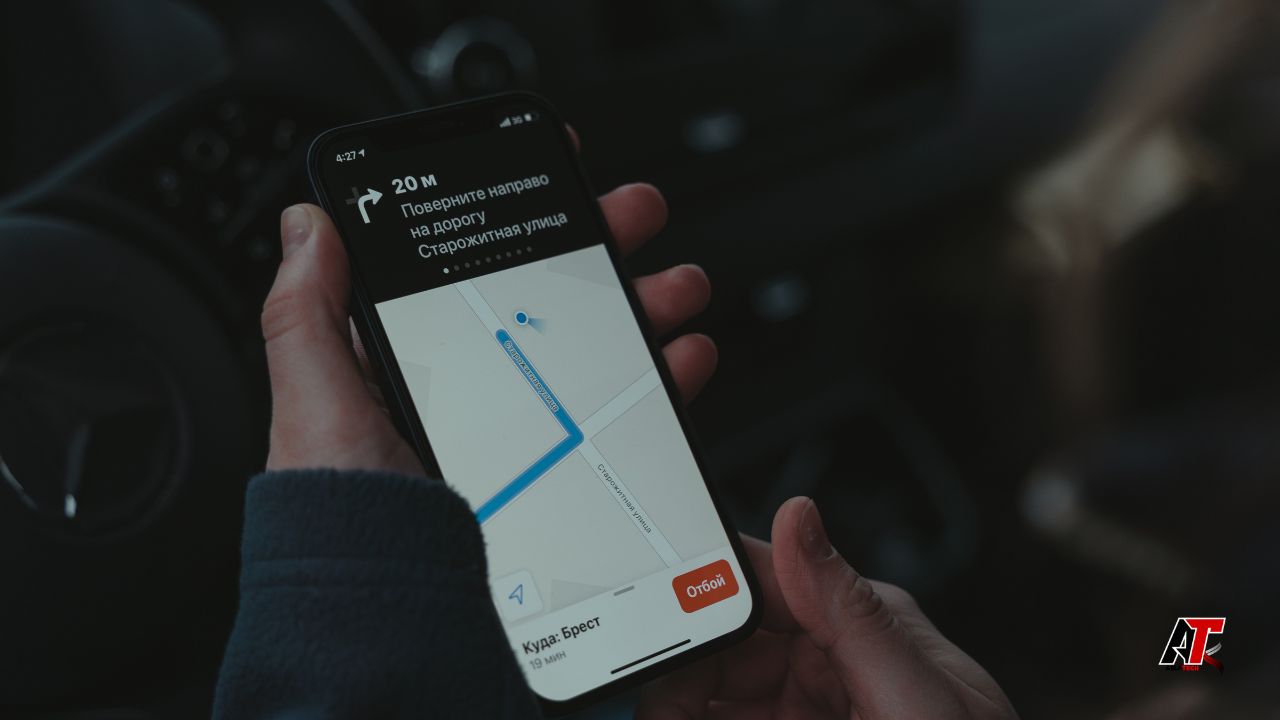
Efficient transportation services depend on accurate scheduling, reliable communication, and effective fleet management. Shuttle Service Software helps transportation companies automate daily operations by managing reservations, dispatching vehicles, tracking fleets, coordinating drivers, and improving customer experiences. Whether serving airports, hotels, universities, healthcare facilities, corporate campuses, or public transportation providers, shuttle service software streamlines operations while reducing administrative workload and improving service reliability.
What Is Shuttle Service Software?
Shuttle service software is a digital platform designed to help organizations manage shuttle transportation services through centralized scheduling, booking, dispatching, and fleet management tools.
Depending on the provider, the software may support:
- Online reservations
- Route planning
- Vehicle dispatch
- GPS tracking
- Driver management
- Passenger communication
- Payment processing
- Reporting and analytics
These features help transportation providers improve operational efficiency while enhancing customer satisfaction.
How Shuttle Service Software Works
The software connects passengers, dispatchers, drivers, and administrators through an integrated management system.
A typical workflow includes:
- Customer books transportation.
- Reservation is recorded automatically.
- Dispatch assigns an available vehicle.
- Driver receives trip information.
- GPS tracks vehicle location.
- Customers receive trip updates where supported.
- Administrators monitor operations through reporting dashboards.
Automation reduces manual scheduling while improving coordination between all participants.
Benefits of Shuttle Service Software
Automated Scheduling
Automated scheduling reduces manual planning and helps optimize vehicle assignments based on availability and demand.
Improved Fleet Visibility
Real-time tracking allows dispatchers to monitor vehicle locations and respond more effectively to changing operational conditions.
Better Customer Experience
Passengers benefit from streamlined booking processes, timely updates, and improved service reliability.
Reduced Administrative Work
Automation minimizes repetitive tasks such as scheduling, dispatching, and manual recordkeeping.
Enhanced Operational Efficiency
Integrated workflows help transportation providers improve vehicle utilization and reduce scheduling conflicts.
Key Features
Online Booking System
Passengers can reserve shuttle services through websites or mobile applications, depending on the software’s capabilities.
Route Optimization
Route planning tools help identify efficient travel routes while considering scheduling requirements and operational objectives.
GPS Fleet Tracking
Real-time GPS tracking provides dispatchers with visibility into vehicle locations, helping improve coordination and service management.
Driver Management
Driver management features may include:
- Schedule management
- Driver assignments
- License tracking
- Performance reporting
- Communication tools
These capabilities help transportation managers coordinate daily operations more effectively.
Customer Notifications
Automated notifications can provide passengers with updates regarding:
- Booking confirmations
- Pickup reminders
- Arrival estimates
- Schedule changes
Timely communication contributes to a better customer experience.
Industries Using Shuttle Service Software
Many organizations rely on shuttle transportation.
Common industries include:
- Airports
- Hotels
- Universities
- Hospitals
- Corporate campuses
- Public transportation
- Tourism
- Event transportation
- Senior living communities
Each industry may require customized scheduling and reporting capabilities.
Fleet Management
Fleet management remains one of the most valuable components of shuttle software.
Fleet management features often include:
- Vehicle tracking
- Maintenance scheduling
- Fuel monitoring
- Driver assignments
- Vehicle availability
- Utilization reports
Proper fleet management helps reduce downtime while supporting long-term operational planning.
Reporting and Analytics
Reporting tools help organizations evaluate performance.
Common reports include:
- Trip history
- Vehicle utilization
- Driver performance
- Passenger activity
- Revenue reports
- Operational efficiency metrics
These insights support better business decision-making.
Mobile Applications
Many shuttle service platforms include mobile applications for both passengers and drivers.
Passenger applications may support:
- Trip booking
- Reservation management
- Ride tracking
- Notifications
Driver applications often provide:
- Trip assignments
- Navigation
- Passenger information
- Status updates
Mobile access improves communication across transportation operations.
Integration Capabilities
Modern shuttle software often integrates with existing business systems.
Common integrations include:
- Payment gateways
- Accounting software
- CRM platforms
- GPS providers
- Calendar systems
- Business reporting tools
Integrated systems reduce duplicate data entry and improve operational consistency.
Security and Data Protection
Transportation software frequently stores sensitive customer and operational information.
Important security measures include:
- Data encryption
- Secure authentication
- User access controls
- Regular backups
- Activity monitoring
- Compliance with applicable privacy regulations
Strong security practices help protect both business and customer information.
Choosing the Right Shuttle Service Software
Selecting the appropriate solution depends on organizational needs.
Consider:
- Fleet size
- Booking requirements
- GPS capabilities
- Reporting features
- Mobile support
- Integration options
- Customer support
- Scalability
- Pricing structure
Carefully comparing available platforms helps organizations select software that aligns with operational goals.
Common Implementation Challenges
Organizations may encounter several challenges during deployment.
Examples include:
- Staff training
- Data migration
- System integration
- Workflow adjustments
- User adoption
- Configuration complexity
Planning and employee training contribute to a smoother implementation process.
Future of Shuttle Service Software
Transportation technology continues to evolve rapidly.
Emerging trends include:
- Artificial intelligence for route optimization
- Predictive fleet maintenance
- Electric vehicle fleet management
- Contactless passenger experiences
- Real-time operational analytics
- Automated dispatch systems
- Cloud-based transportation management
These innovations are expected to further improve operational efficiency and customer service.
FAQs
What is shuttle service software?
Shuttle service software is a transportation management platform that helps organizations manage bookings, scheduling, dispatching, fleet tracking, driver coordination, and customer communication.
Who uses shuttle service software?
Airports, hotels, universities, hospitals, corporate campuses, tourism companies, public transportation providers, and event transportation services commonly use these platforms.
What are the benefits of shuttle service software?
Benefits include automated scheduling, GPS tracking, improved fleet management, better customer communication, operational efficiency, and reduced administrative work.
Can shuttle service software integrate with other business systems?
Yes. Many platforms integrate with payment processors, accounting software, CRM systems, GPS providers, and business management applications.
Is GPS tracking included?
Many shuttle management platforms include GPS tracking that allows dispatchers to monitor vehicle locations in real time. Available features vary by provider.
How do I choose the best shuttle service software?
Evaluate booking features, scheduling capabilities, fleet management tools, reporting, mobile applications, integration options, security, scalability, and customer support before making a decision.
Conclusion
Shuttle service software provides transportation organizations with a comprehensive solution for managing reservations, dispatching vehicles, coordinating drivers, tracking fleets, and improving customer communication. By automating routine administrative tasks and providing real-time operational visibility, these platforms help increase efficiency while supporting reliable transportation services across a wide range of industries. Whether managing airport transfers, hotel shuttles, university transportation, or corporate fleets, implementing the right software can simplify daily operations and improve the overall passenger experience. As transportation technology continues to advance, shuttle service software will remain an important tool for organizations seeking to optimize fleet performance and deliver dependable, customer-focused services.
Leave a Reply