
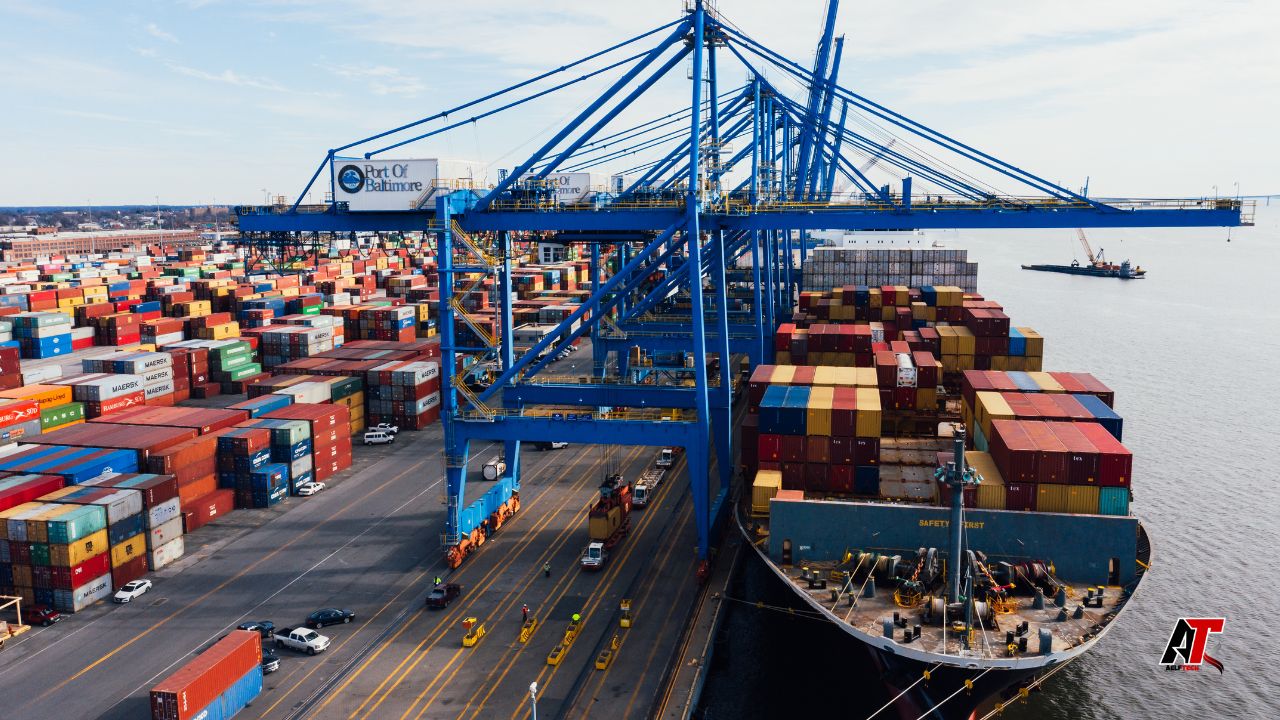
The shipping and logistics industry is undergoing a major digital transformation as businesses seek faster, smarter, and more efficient ways to manage cargo transportation. SHIPNEXT is a digital maritime platform designed to simplify freight management by connecting cargo owners, ship operators, brokers, and logistics professionals through artificial intelligence, automation, and data-driven decision-making. By digitizing many traditional shipping processes, SHIPNEXT aims to improve operational efficiency, reduce manual workloads, and support more informed logistics planning across the global maritime industry.
What Is SHIPNEXT?
SHIPNEXT is a digital shipping platform that uses artificial intelligence and data analytics to support freight matching, vessel management, cargo booking, and maritime logistics. The platform is designed to help participants in the shipping industry identify suitable transportation opportunities while streamlining communication and operational workflows.
Instead of relying solely on manual coordination, SHIPNEXT analyzes shipping data to assist users in finding potential cargo and vessel matches based on available information and user-defined requirements.
The platform serves multiple participants within the maritime ecosystem, including:
- Shipowners
- Charterers
- Freight brokers
- Cargo owners
- Logistics companies
- Commodity traders
Its goal is to improve efficiency while reducing administrative complexity.
How SHIPNEXT Works
SHIPNEXT combines digital data processing with artificial intelligence to help users manage shipping activities more effectively.
A typical workflow may include:
- Publishing vessel availability
- Listing cargo requirements
- Analyzing shipping data
- Identifying potential freight matches
- Supporting communication between participants
- Managing shipment information
- Tracking logistics activities
The level of automation and available functionality depends on the platform’s configuration and user requirements.
Why Digital Shipping Platforms Matter
Global shipping involves large amounts of operational data, documentation, and communication. Manual coordination can increase administrative workloads and delay decision-making.
Digital shipping platforms help organizations:
- Improve operational visibility
- Reduce manual processes
- Enhance communication
- Increase data accuracy
- Support faster decision-making
- Improve logistics coordination
As supply chains become more complex, digital platforms continue to play a growing role in maritime operations.
Key Features of SHIPNEXT
AI-Powered Freight Matching
One of SHIPNEXT’s core capabilities is using artificial intelligence to assist in matching available cargo with suitable vessels based on selected criteria.
Potential matching factors include:
- Cargo type
- Vessel characteristics
- Port locations
- Availability
- Route requirements
AI helps process large volumes of information more efficiently than traditional manual methods.
Cargo Management
The platform supports digital management of cargo information throughout different stages of the shipping process.
Users may organize:
- Cargo details
- Shipment schedules
- Documentation
- Transportation requirements
Centralized information helps simplify logistics planning.
Vessel Management
SHIPNEXT enables users to manage vessel information within a single digital platform.
This may include:
- Vessel availability
- Technical specifications
- Operational schedules
- Route planning
Organized vessel data supports more efficient freight coordination.
Digital Collaboration
The platform facilitates communication between multiple stakeholders involved in shipping operations.
Improved collaboration helps reduce delays while supporting better coordination across supply chain participants.
Benefits of SHIPNEXT
Increased Operational Efficiency
Automation reduces repetitive administrative work, allowing shipping professionals to focus on strategic planning and customer service.
Faster Decision-Making
AI-assisted analysis helps users identify potential freight opportunities more quickly by processing large datasets efficiently.
Improved Data Accuracy
Centralized digital records reduce manual data entry and help maintain consistent shipping information.
Better Supply Chain Visibility
Digital platforms provide improved access to shipment information, vessel status, and operational updates.
Enhanced Collaboration
A shared digital environment helps improve communication between cargo owners, brokers, carriers, and logistics providers.
Applications Across the Maritime Industry
SHIPNEXT supports a variety of maritime logistics activities.
Potential applications include:
- Bulk cargo transportation
- Dry cargo shipping
- Commodity trading
- Freight brokerage
- Chartering
- International logistics
- Supply chain coordination
Different organizations may use the platform according to their operational needs.
Artificial Intelligence in Maritime Logistics
Artificial intelligence is becoming increasingly important throughout the logistics industry.
AI technologies can support:
- Freight analysis
- Route planning
- Data processing
- Predictive analytics
- Operational recommendations
These capabilities assist users in making more informed logistics decisions while improving efficiency.
Data Management and Analytics
Modern shipping generates large volumes of operational information.
Digital analytics help organizations monitor:
- Cargo movements
- Vessel utilization
- Shipping performance
- Operational trends
- Logistics efficiency
Data-driven insights support continuous operational improvement.
Security and Data Protection
Digital logistics platforms manage valuable commercial information that requires appropriate security measures.
Important security practices include:
- Secure authentication
- Access controls
- Data encryption
- Regular software updates
- System monitoring
- Backup procedures
Organizations should also follow applicable data protection regulations relevant to their operations.
Choosing a Digital Shipping Platform
When evaluating maritime logistics software, consider:
- AI capabilities
- Freight matching tools
- User interface
- Integration options
- Reporting features
- Customer support
- Security standards
- Scalability
Selecting a platform that aligns with operational requirements supports long-term efficiency.
Challenges of Digital Transformation
Although digital platforms provide many advantages, implementation may involve certain challenges.
Common considerations include:
- User adoption
- Data quality
- System integration
- Staff training
- Process changes
- Technology investment
Proper planning and employee training help organizations transition more smoothly to digital operations.
The Future of SHIPNEXT and Maritime Technology
Digital innovation continues transforming global shipping.
Emerging developments include:
- Advanced AI-powered logistics
- Predictive freight analytics
- Automated document processing
- Improved supply chain visibility
- Cloud-based shipping management
- Enhanced vessel tracking
- Greater operational automation
As maritime logistics become increasingly connected, platforms like SHIPNEXT are expected to continue supporting digital transformation across the industry.
FAQs
What is SHIPNEXT?
SHIPNEXT is a digital maritime platform that uses artificial intelligence and automation to support freight matching, cargo management, vessel coordination, and shipping logistics.
Who uses SHIPNEXT?
The platform is designed for shipowners, charterers, freight brokers, cargo owners, logistics providers, and other professionals involved in maritime transportation.
How does SHIPNEXT use artificial intelligence?
SHIPNEXT uses AI to analyze shipping information and assist with tasks such as freight matching, logistics planning, and operational data analysis.
What are the benefits of digital shipping platforms?
Digital platforms can improve operational efficiency, reduce manual work, enhance collaboration, increase data accuracy, and provide better visibility across shipping operations.
Can SHIPNEXT support international shipping?
The platform is designed to assist maritime logistics participants involved in domestic and international shipping operations, depending on their business requirements.
What should companies consider before adopting a digital shipping platform?
Organizations should evaluate integration capabilities, security features, AI functionality, scalability, customer support, reporting tools, and how well the platform aligns with their operational processes.
Conclusion
SHIPNEXT represents the ongoing digital transformation of the maritime industry by combining artificial intelligence, automation, and centralized data management to simplify freight coordination and cargo logistics. By helping shipping professionals manage vessel information, identify potential freight opportunities, and improve collaboration across supply chains, the platform supports more efficient and data-driven maritime operations. While successful implementation depends on factors such as system integration, data quality, and user adoption, digital shipping platforms continue to play an increasingly important role in modern logistics. As AI and maritime technologies evolve, solutions like SHIPNEXT are expected to contribute to more connected, efficient, and transparent global shipping operations.
Leave a Reply