
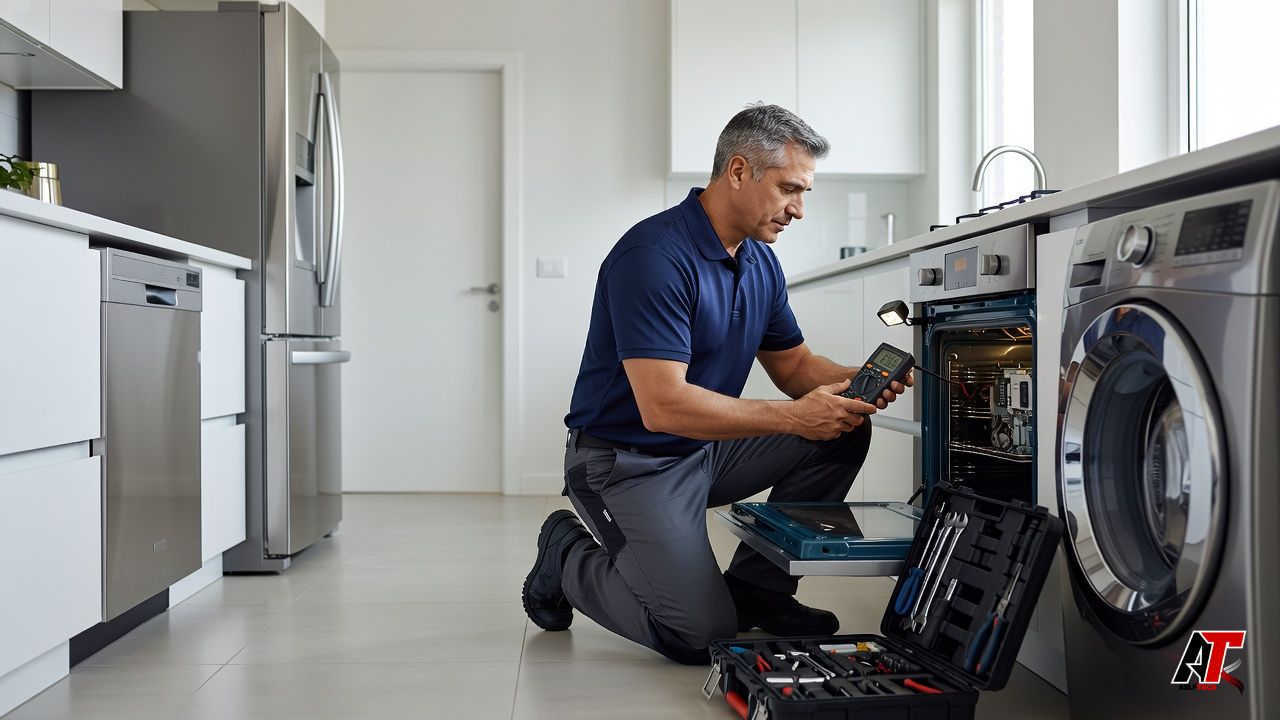
Home appliances make everyday life more convenient by handling essential tasks such as cooking, food storage, laundry, and cleaning. When one of these appliances stops working properly, it can quickly disrupt daily routines. Understanding residential appliance repairs helps homeowners identify common problems, perform basic maintenance, and know when it’s appropriate to contact a qualified repair technician.
Regular maintenance and timely repairs can often extend the lifespan of household appliances while improving efficiency and reducing the likelihood of unexpected breakdowns. This guide explains common appliance issues, maintenance practices, repair considerations, and how to choose a reliable appliance repair service.
What Are Residential Appliance Repairs?
Residential appliance repairs involve diagnosing and fixing household appliances that are not operating correctly. Repairs may address mechanical, electrical, electronic, or component-related problems depending on the appliance and the nature of the fault.
Common household appliances that require servicing include:
- Refrigerators
- Washing machines
- Dryers
- Dishwashers
- Ovens
- Cooktops
- Microwaves
- Garbage disposals
The repair approach depends on the appliance model, age, and condition.
Why Residential Appliance Repairs Matter
Appliances represent a significant household investment.
Professional residential appliance repairs may help homeowners:
- Restore appliance performance
- Improve energy efficiency
- Extend appliance lifespan
- Reduce unnecessary replacement costs
- Improve household convenience
- Address safety concerns when appropriate
Whether repair or replacement is the better option depends on factors such as appliance age, repair costs, and overall condition.
Common Residential Appliance Repairs
Refrigerator Repairs
Refrigerators may experience problems such as:
- Inconsistent cooling
- Water leaks
- Ice maker issues
- Excessive noise
- Frost buildup
Routine cleaning of condenser coils and proper door seal maintenance may help support efficient operation.
Washing Machine Repairs
Common washing machine issues include:
- Failure to spin
- Drainage problems
- Water leaks
- Excessive vibration
- Unusual noises
The cause may involve pumps, hoses, motors, suspension components, or electronic controls depending on the model.
Dryer Repairs
Dryers may develop issues involving:
- Insufficient heating
- Long drying times
- Failure to start
- Drum movement problems
- Ventilation restrictions
Cleaning dryer vents regularly helps maintain efficiency and reduce fire risk.
Dishwasher Repairs
Dishwashers may require servicing if they experience:
- Poor cleaning performance
- Water drainage issues
- Leaks
- Spray arm blockages
- Door latch problems
Regular filter cleaning helps maintain proper performance.
Oven and Range Repairs
Cooking appliances may develop problems involving:
- Uneven heating
- Burner ignition
- Temperature control
- Display errors
- Control panels
Electrical or gas appliances should be serviced according to manufacturer recommendations and applicable safety requirements.
Signs You May Need Residential Appliance Repairs
Several warning signs may indicate that an appliance requires attention.
These include:
- Unusual noises
- Water leaks
- Burning odors
- Reduced performance
- Frequent error messages
- Unexpected shutdowns
- Increased energy consumption
Prompt inspection may help prevent additional damage.
Preventive Appliance Maintenance
Routine maintenance helps reduce wear and improve reliability.
Recommended practices include:
Cleaning
Keep appliances clean by removing dust, grease, food residue, and lint according to the manufacturer’s instructions.
Inspecting Components
Periodically inspect:
- Water hoses
- Power cords
- Door seals
- Filters
- Vents
Replacing worn components early may reduce future problems.
Following Manufacturer Guidelines
Use appliances according to the operating instructions provided by the manufacturer.
Proper use supports both safety and performance.
Repair or Replace?
When evaluating residential appliance repairs, homeowners often compare repair costs with replacement costs.
Factors to consider include:
Appliance Age
Older appliances approaching the end of their expected service life may be less economical to repair.
Repair Cost
Compare estimated repair costs with the value and expected remaining lifespan of the appliance.
Energy Efficiency
Newer appliances may offer improved energy efficiency compared with older models.
Availability of Parts
Some older models may have limited replacement part availability.
A qualified technician can help evaluate available repair options.
Choosing a Residential Appliance Repair Service
Selecting the right repair company is an important decision.
Experience
Choose technicians experienced with your appliance brand and model where possible.
Licensing and Certification
Review qualifications where licensing or certification applies in your region.
Customer Reviews
Independent customer reviews may provide useful insight into service quality and reliability.
Warranty
Ask whether replacement parts and repair work include warranty coverage.
Warranty terms vary between providers.
Benefits of Professional Residential Appliance Repairs
Professional repair services may provide:
- Accurate diagnosis
- Proper replacement parts
- Safe repair procedures
- Manufacturer-recommended repair methods
- Performance testing after repair
Complex electrical, gas, or refrigeration systems should generally be serviced by qualified professionals.
Best Practices for Homeowners
To improve appliance reliability:
- Clean appliances regularly.
- Replace filters when recommended.
- Address small issues promptly.
- Schedule preventive maintenance where appropriate.
- Keep user manuals for reference.
- Avoid overloading appliances.
Preventive care often contributes to longer equipment life.
Frequently Asked Questions
1. What are residential appliance repairs?
Residential appliance repairs involve diagnosing and repairing household appliances such as refrigerators, washers, dryers, ovens, dishwashers, and microwaves.
2. How do I know if my appliance should be repaired?
Unusual noises, leaks, poor performance, repeated error messages, or failure to operate normally may indicate the need for professional inspection.
3. Is it better to repair or replace an appliance?
The decision depends on the appliance’s age, repair cost, condition, energy efficiency, and the availability of replacement parts.
4. How can I reduce appliance breakdowns?
Regular cleaning, proper operation, replacing filters, inspecting hoses and seals, and following manufacturer maintenance recommendations may help reduce unexpected failures.
5. Should I repair appliances myself?
Simple maintenance tasks may be appropriate for homeowners, but repairs involving electrical systems, gas components, refrigeration systems, or complex mechanical assemblies should generally be handled by qualified technicians.
6. How do I choose a residential appliance repair company?
Review technician experience, customer feedback, warranty policies, qualifications, and whether the company services your appliance brand before scheduling repairs.
Conclusion
Residential appliance repairs play an important role in maintaining the comfort, efficiency, and convenience of your home. By recognizing early warning signs, performing routine maintenance, and seeking qualified professional assistance when needed, homeowners can often extend the useful life of their appliances while avoiding unnecessary replacement costs. Whether servicing a refrigerator, washing machine, oven, or dishwasher, timely residential appliance repairs combined with preventive care help keep household systems operating reliably and efficiently over the long term.
Leave a Reply