
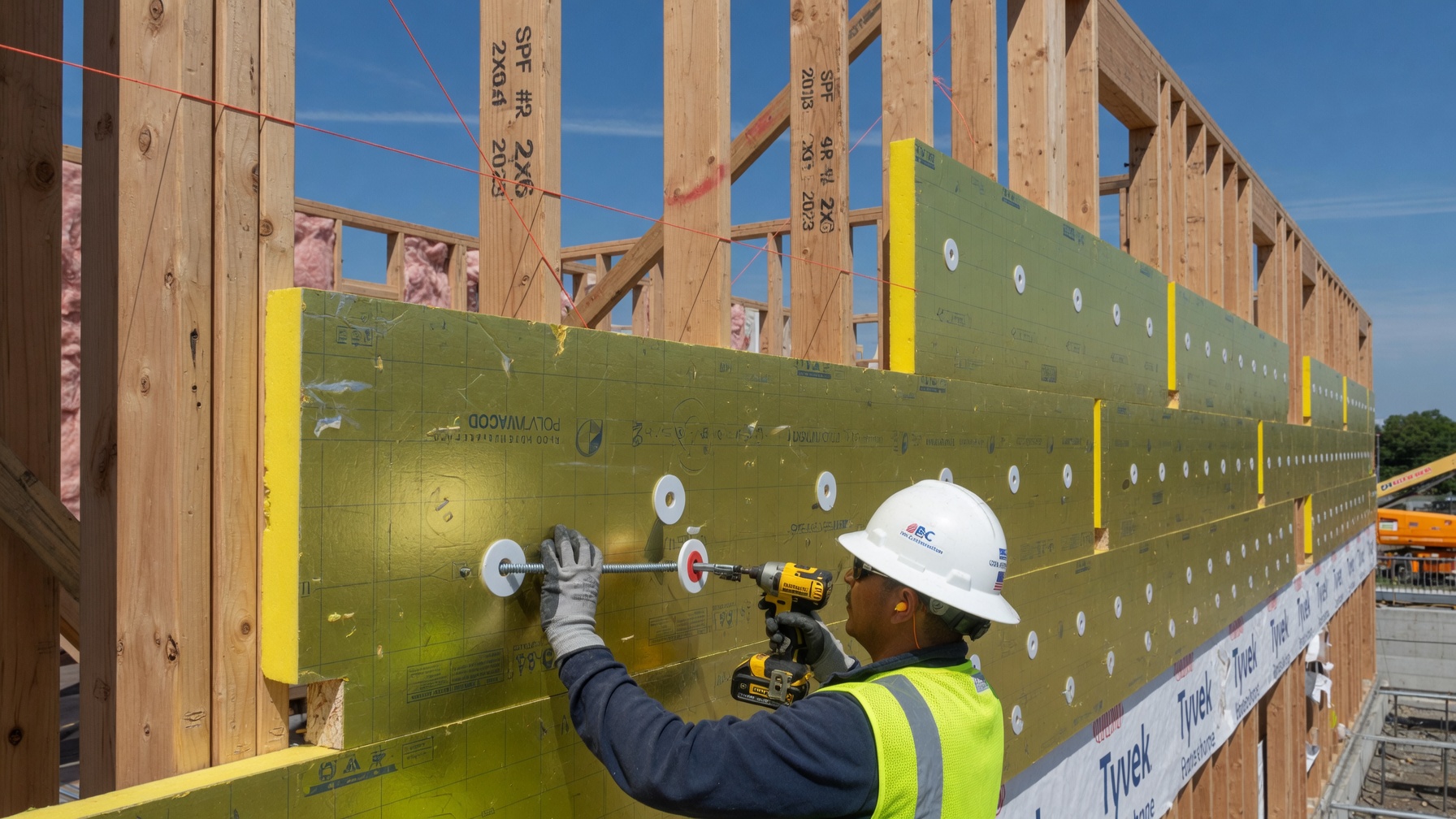
Insulation board products are fundamental components of modern construction, playing a critical role in optimizing thermal efficiency, reducing energy consumption, and ensuring occupant comfort. Whether you are constructing a new commercial building, retrofitting a residential home, or insulating industrial HVAC ductwork, selecting the right insulation board is a decision that impacts a structure’s performance for decades. These rigid or semi-rigid panels offer high thermal resistance per inch, making them incredibly effective at stabilizing internal temperatures and strengthening the building envelope. In this comprehensive guide, we will explore the different types of thermal insulation boards, their specific applications, how to understand R-values, and the key factors to consider when choosing the best material for your project.
What Is an Insulation Board?
An insulation board is a rigid or semi-rigid panel designed to resist heat flow. Unlike loose-fill or roll batting, these boards maintain their shape and structural integrity. They are manufactured from various materials, including foam plastics, fibrous minerals, and natural compounds.
Because of their rigid structure, insulation boards provide consistent thermal performance without sagging or settling over time. They also add structural rigidity to walls and roofs in many applications. Builders and engineers rely on them to create a continuous thermal barrier. This barrier minimizes thermal bridging, which occurs when highly conductive materials like wood or metal studs transfer heat through the insulation layer.
The Role of Insulation Boards in the Building Envelope
The building envelope is the physical separator between the interior and exterior environments. It controls the flow of heat, air, and moisture. An insulation board acts as a primary defense mechanism within this envelope. By installing continuous rigid insulation on the exterior of stud walls or roofs, you effectively block thermal bridges. This creates a much tighter, more energy-efficient structure than cavity insulation alone.
Key Benefits of Using an Insulation Board
Integrating high-quality insulation boards into your building projects offers several long-term advantages beyond simple temperature control.
Enhanced Thermal Resistance and Energy Efficiency
The primary benefit of any thermal insulation board is its ability to resist heat transfer. By slowing down the movement of heat in the winter and keeping it out in the summer, HVAC systems work significantly less. This translates directly into lower monthly utility bills and a reduced carbon footprint.
Improved Soundproofing and Acoustic Control
Density matters when it comes to sound transmission. Certain types of insulation boards, particularly mineral wool and fiberglass boards, offer excellent acoustic insulation. They absorb sound waves, reducing noise transmission between rooms or from the outside environment. This is crucial for multi-family residential buildings, recording studios, and commercial offices.
Superior Moisture and Condensation Management
When humid air meets a cold surface inside a wall assembly, condensation occurs. This moisture can lead to mold growth, wood rot, and degraded thermal performance. Many rigid foam insulation boards act as effective vapor retarders or barriers. When installed correctly, they keep warm, moist interior air from reaching the cold exterior sheathing, preventing condensation and protecting the structural integrity of the building.
Fire Resistance and Safety
Fire safety is a non-negotiable factor in building design. Non-combustible insulation boards, such as mineral wool, can withstand extreme temperatures exceeding 2,000°F. They do not contribute to the spread of flames and produce little to no toxic smoke. Even foam boards are often treated with fire retardants and must pass strict fire tests, such as the E84 tunnel test, before receiving building code approval.
Common Types of Insulation Board Materials
Choosing the right insulation board depends on your specific thermal, structural, and moisture requirements. Here are the most common types used in the industry today.
Rigid Foam Insulation Boards
Rigid foam boards are the most popular choice for continuous insulation due to their high R-value per inch. There are three primary types:
Expanded Polystyrene (EPS) Insulation Board
EPS is a lightweight, closed-cell foam board. It offers an R-value of approximately 3.6 to 4.2 per inch. EPS is highly versatile, cost-effective, and retains its R-value over time because it does not suffer from thermal drift. It is widely used in wall sheathing, roofing, and below-grade foundation applications where moisture resistance is needed.
Extruded Polystyrene (XPS) Insulation Board
XPS is a denser closed-cell foam manufactured through a continuous extrusion process. It provides an R-value of about 5.0 per inch. XPS is known for its high compressive strength and exceptional moisture resistance, making it the standard choice for below-grade basement walls and under concrete slabs. It is typically available in color-coded boards (often blue, green, or pink) depending on the manufacturer.
Polyisocyanurate (Polyiso) Insulation Board
Polyiso is a thermoset, closed-cell foam that offers the highest R-value per inch—approximately 6.0 to 6.5 per inch. It is a premium product often faced with aluminum foil, which enhances its radiant barrier properties. Polyiso is the dominant insulation board for commercial roofing applications and is increasingly popular in residential wall sheathing. Note that Polyiso’s R-value can slightly decrease in very cold temperatures, a phenomenon known as low-temperature derating.
Mineral Wool Insulation Board
Mineral wool (also known as rock wool or stone wool) is made from molten rock or slag spun into fine fibers. It is denser than fiberglass and provides an R-value of about 3.0 to 3.3 per inch.
Mineral wool insulation boards offer outstanding fire resistance, acoustic performance, and sound absorption. Because they are hydrophobic, they repel water while allowing vapor to pass through, which helps walls dry out. They are heavily used in commercial curtain wall systems and exterior insulation and finish systems (EIFS).
Fiberglass Insulation Board
Fiberglass boards are made from tightly bound glass fibers. They typically offer an R-value of 3.0 to 4.0 per inch. While not as rigid as foam boards, they hold their shape well in cavity applications. Fiberglass is inherently non-combustible and offers excellent acoustic properties. It is most commonly used as acoustic insulation in wall partitions and as duct wrap or duct board for HVAC systems.
Natural and Sustainable Insulation Boards
As the construction industry moves toward sustainability, natural insulation boards are gaining traction.
Cork Insulation Board
Cork is harvested from the bark of cork oak trees without harming the tree. It offers an R-value of about 3.6 per inch. Cork boards are naturally resistant to mold, mildew, and pests. They also provide excellent sound attenuation and are completely renewable.
Wood Fiber Insulation Board
Made from wood chips and lignin, these boards offer an R-value around 3.2 per inch. They are vapor-open, allowing walls to breathe while providing excellent thermal mass, which helps stabilize interior temperatures during hot days and cool nights.
Understanding R-Values in Insulation Boards
R-value measures thermal resistance—the higher the R-value, the greater the insulating power. When comparing insulation boards, you must look at both the R-value per inch and the total R-value of the board thickness.
Calculating Total R-Value
To find the total R-value of a 2-inch thick XPS board, multiply the R-value per inch (5.0) by the thickness (2). The total R-value is 10.0. Building codes dictate minimum total R-values for walls, roofs, and foundations based on climate zones. Always check your local International Energy Conservation Code (IECC) requirements before purchasing materials.
Thermal Bridging and Continuous Insulation
A standard 2×6 wood stud wall with R-19 cavity insulation does not perform at R-19. The wood studs, which only have an R-value of about 1.0 per inch, create thermal bridges. Adding a continuous layer of rigid insulation board over the studs breaks this bridge. For example, adding 1 inch of Polyiso (R-6.5) over the studs dramatically increases the wall’s effective R-value and overall energy efficiency.
Top Applications for Insulation Boards
Insulation boards are incredibly versatile. Here is how they are used across different aspects of construction and industry.
Wall Sheathing and Exterior Insulation
Applying a rigid foam or mineral wool insulation board over exterior wall framing is the most effective way to create a high-performance wall assembly. It prevents condensation on the interior side of the sheathing and dramatically reduces air leakage. This application is essential for meeting modern stringent energy codes, such as Passive House standards.
Roofing and Parapet Insulation
Flat commercial roofs rely heavily on rigid insulation boards laid over the roof deck. Polyiso is the industry standard here due to its high R-value, fire performance, and compatibility with various roofing membranes. In residential pitched roofs, rigid boards can be installed above the roof deck to create a “hot roof,” eliminating the need for traditional vented attics.
Below-Grade Foundations and Under Slab
Basement walls and concrete slabs are major sources of heat loss. XPS and EPS are the preferred insulation boards for below-grade applications because their closed-cell structure resists water absorption and maintains R-value even in damp soil conditions. Installing rigid board under a basement slab prevents the concrete from wicking away interior heat, keeping floors warm and comfortable.
HVAC Duct and Industrial Pipe Insulation
Fiberglass and mineral wool boards are widely used to insulate HVAC ductwork. They reduce thermal loss as conditioned air travels through unconditioned spaces. These boards also provide essential acoustic damping, quieting air handler noise. In industrial settings, high-temperature mineral wool boards insulate pipes, boilers, and processing equipment, protecting workers and improving system efficiency.
How to Choose the Right Insulation Board
Selecting the optimal board requires balancing performance, budget, and building science. Ask yourself these critical questions before making a purchase:
- What is the climate zone? Colder climates require higher total R-values, making high-R-per-inch foam boards like Polyiso highly attractive.
- Is moisture a concern? For below-grade or high-moisture applications, choose XPS or EPS over fiberglass or mineral wool.
- Are there fire code requirements? If the insulation will be left exposed indoors (like in a warehouse), you must use a fire-rated board with an approved facing, or a non-combustible mineral wool board.
- Does the wall need to dry out? If you are building a wall assembly that relies on vapor permeability to dry, avoid vapor-impermeable foam boards. Instead, choose mineral wool, wood fiber, or EPS, which allows moisture to escape.
- What is the compressive strength? For under-slab or roofing applications, the board must support heavy loads without crushing. XPS and high-density EPS offer the best compressive strength.
Installation Best Practices for Insulation Boards
Even the highest R-value insulation board will underperform if installed incorrectly. Proper installation is crucial for maximizing thermal efficiency.
- Seal the Seams: Gaps between boards allow air and moisture to bypass the insulation. Tape all joints with manufacturer-approved, weather-resistant tapes (like foil tape for Polyiso).
- Use Mechanical Fasteners: When installing boards on exterior walls, use cap nails or screws with insulation washers. Do not rely solely on adhesive, especially in high-wind areas.
- Cut Precisely: Boards should fit snugly into cavities. Use a utility knife, a fine-toothed saw, or a hot wire cutter (for foam) to make clean, tight cuts.
- Integrate with Water-Resistive Barriers (WRB): The insulation board installation must coordinate with the building’s WRB and flashing to ensure water is directed away from the wall assembly.
Conclusion
Selecting the proper insulation board is one of the most impactful decisions you can make for the longevity, comfort, and energy efficiency of any building. By understanding the distinct advantages of rigid foams like XPS, EPS, and Polyiso, alongside the fire safety and acoustic benefits of mineral wool and fiberglass, you can engineer a building envelope that performs exceptionally well. Whether your priority is below-grade moisture resistance, high-R-value commercial roofing, or acoustic HVAC duct insulation, there is a specialized insulation board designed to meet those exact demands. By prioritizing correct installation, continuous insulation, and local building code compliance, you ensure that your structure will provide reliable thermal protection and energy savings for generations to come.
Frequently Asked Questions (FAQs)
1. What is the main purpose of an insulation board?
An insulation board provides a rigid, continuous thermal barrier that resists heat flow, reduces energy costs, and prevents thermal bridging in walls, roofs, and foundations.
2. Which insulation board has the highest R-value?
Polyisocyanurate (Polyiso) rigid foam boards typically offer the highest R-value per inch, ranging from 6.0 to 6.5, making them ideal for space-constrained applications.
3. Can an insulation board be left exposed inside a building?
Most foam insulation boards cannot be left exposed due to fire codes; they require a thermal barrier like drywall. However, mineral wool and certain fire-rated fiberglass boards can be left exposed in specific commercial applications.
4. What is the difference between XPS and EPS insulation boards?
XPS is a denser, extruded closed-cell foam with higher moisture resistance and compressive strength, while EPS is a lighter, expanded bead foam that is more cost-effective and offers stable long-term R-values.
5. Do insulation boards provide soundproofing?
Yes, dense boards like mineral wool and fiberglass provide excellent sound absorption, significantly reducing sound transmission between rooms and from the exterior environment.
6. How do you attach an insulation board to a wall?
Insulation boards are typically attached to exterior walls using mechanical fasteners like cap nails or screws with insulation washers, and sometimes supplemented with construction adhesives.
Leave a Reply