
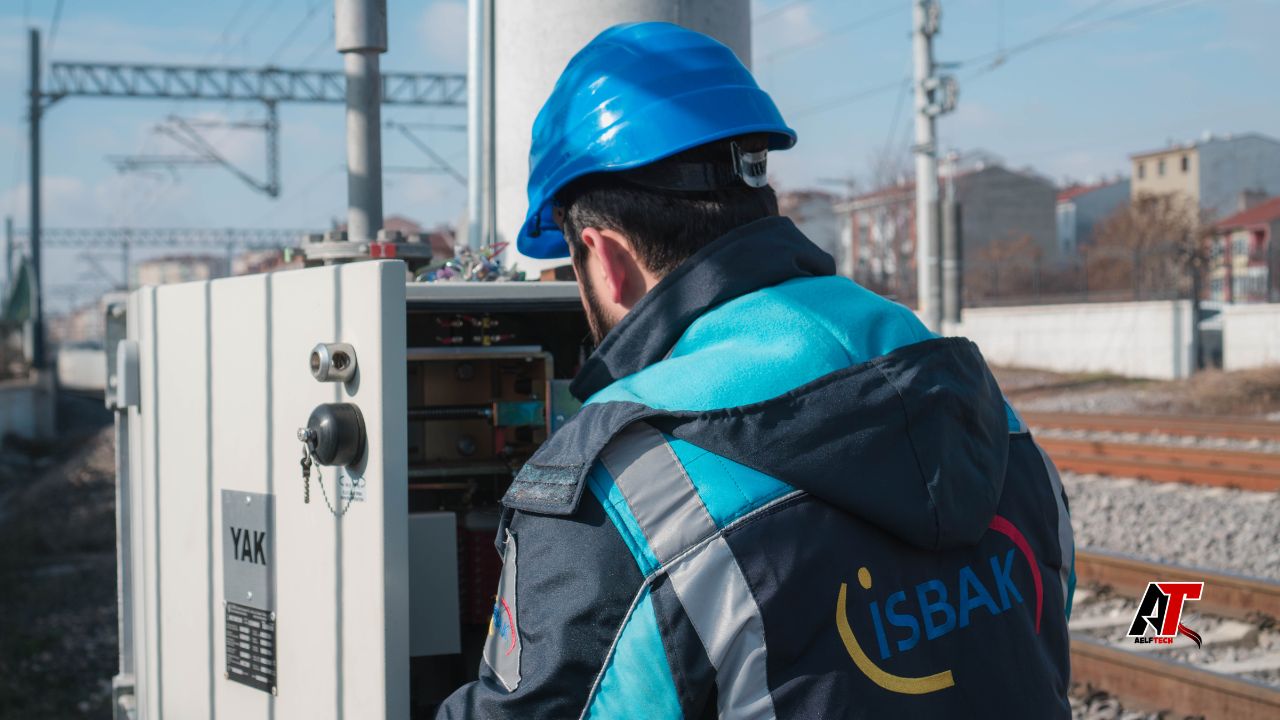
Electrical systems are the backbone of every commercial property, powering everything from lighting and HVAC systems to security equipment and specialized machinery. Whether you’re constructing a new commercial building, renovating an office, or maintaining an existing facility, Hiring a Pro Commercial Electrician is essential for ensuring electrical work is completed safely, efficiently, and in compliance with applicable codes. Professional commercial electricians possess the technical expertise needed to handle complex electrical systems while minimizing risks that could impact your employees, customers, and business operations.
What Is a Commercial Electrician?
A commercial electrician is a licensed electrical professional who specializes in installing, maintaining, repairing, and upgrading electrical systems in commercial, industrial, and institutional buildings.
Unlike residential electricians, commercial electricians typically work on larger electrical systems that support businesses, warehouses, healthcare facilities, schools, retail stores, manufacturing plants, hotels, and office buildings.
Their work often involves more complex electrical infrastructure, higher voltage systems, advanced equipment, and stricter regulatory requirements.
Why Hiring a Pro Commercial Electrician Matters
Commercial electrical systems require specialized knowledge and experience. Improper electrical work can result in safety hazards, equipment damage, operational downtime, and costly repairs.
Hiring a qualified commercial electrician offers several important advantages:
- Improved workplace safety
- Compliance with electrical codes
- Reliable system performance
- Reduced risk of electrical failures
- Professional troubleshooting
- Proper installation of commercial equipment
- Long-term cost savings
- Increased energy efficiency
Professional electrical services help businesses maintain safe and dependable operations.
Services Offered by Commercial Electricians
Commercial electricians provide a wide range of electrical services tailored to business environments.
Electrical System Installation
Professional electricians install complete electrical systems for new commercial construction projects, including:
- Power distribution systems
- Electrical panels
- Wiring
- Circuit breakers
- Transformers
- Conduit systems
- Lighting infrastructure
Proper installation supports long-term reliability and code compliance.
Electrical Repairs
Electrical issues can interrupt business operations and create safety concerns.
Commercial electricians repair problems such as:
- Power outages
- Faulty wiring
- Damaged outlets
- Circuit breaker failures
- Electrical shorts
- Equipment malfunctions
- Lighting failures
Timely repairs help reduce downtime and prevent more serious electrical problems.
Preventive Maintenance
Routine maintenance helps identify potential issues before they become major failures.
Maintenance services often include:
- Electrical inspections
- Thermal imaging
- Panel testing
- Circuit testing
- Equipment inspections
- Load analysis
- Preventive repairs
Preventive maintenance contributes to improved system reliability and equipment longevity.
Lighting Installation and Upgrades
Commercial lighting affects productivity, safety, and energy consumption.
Electricians install and upgrade:
- LED lighting
- Emergency lighting
- Parking lot lighting
- Warehouse lighting
- Office lighting
- Retail lighting
- Exterior security lighting
Modern lighting systems can improve energy efficiency while reducing operating costs.
Electrical Panel Upgrades
As businesses expand, electrical demand often increases.
Commercial electricians upgrade electrical panels to:
- Support additional equipment
- Improve safety
- Increase electrical capacity
- Meet updated code requirements
- Improve system reliability
Panel upgrades help businesses accommodate future growth.
Benefits of Hiring a Professional Commercial Electrician
Code Compliance
Commercial electrical work must comply with local building codes, safety regulations, and electrical standards.
Professional electricians understand these requirements and help ensure installations meet applicable regulations.
Workplace Safety
Proper electrical installation reduces the risk of:
- Electrical fires
- Electric shock
- Equipment damage
- Power failures
- Workplace accidents
Safety should always remain a top priority for every commercial facility.
High-Quality Workmanship
Experienced electricians use proper installation methods, quality materials, and professional testing procedures to ensure reliable electrical systems.
Reduced Downtime
Quick diagnosis and efficient repairs minimize disruptions to business operations.
Long-Term Cost Savings
Although professional electrical services require an initial investment, quality workmanship often reduces future repair costs and extends the lifespan of electrical equipment.
Industries That Need Commercial Electricians
Commercial electricians work across a wide range of industries.
These include:
- Office buildings
- Retail stores
- Restaurants
- Hotels
- Manufacturing facilities
- Healthcare centers
- Schools
- Warehouses
- Shopping centers
- Government buildings
- Data centers
Each industry has unique electrical requirements that require specialized expertise.
How to Choose the Right Commercial Electrician
Selecting the right contractor is an important decision.
Verify Licensing
Ensure the electrician holds all required licenses and certifications according to local regulations.
Check Experience
Choose an electrician with experience handling projects similar to yours.
Review Insurance Coverage
Verify that the contractor carries appropriate liability insurance and workers’ compensation coverage.
Read Customer Reviews
Online reviews and client testimonials can provide valuable insight into professionalism, workmanship, and customer satisfaction.
Request References
Ask for references from previous commercial clients to evaluate project quality and reliability.
Obtain Detailed Estimates
A professional contractor should provide a clear estimate outlining labor, materials, project scope, and expected timelines.
Common Signs You Need a Commercial Electrician
Business owners should arrange professional electrical service if they notice:
- Frequent circuit breaker trips
- Flickering lights
- Burning smells
- Warm electrical panels
- Buzzing sounds from electrical equipment
- Power outages
- Outdated wiring
- Insufficient electrical capacity
- Frequent equipment failures
Ignoring these warning signs may increase safety risks and lead to more expensive repairs.
Commercial Electrical Safety Best Practices
Businesses can improve electrical safety by following these recommendations:
- Schedule routine inspections.
- Avoid overloading circuits.
- Replace damaged wiring promptly.
- Test emergency lighting regularly.
- Maintain electrical panels.
- Train employees on basic electrical safety.
- Keep electrical rooms accessible.
- Follow manufacturer maintenance recommendations.
Preventive maintenance and professional inspections help reduce workplace hazards.
Understanding Commercial Electrical Costs
The cost of commercial electrical services depends on several factors, including:
- Project size
- Building complexity
- Type of electrical work
- Equipment requirements
- Labor costs
- Permit requirements
- Materials used
- Emergency service needs
Obtaining multiple quotes from qualified contractors can help businesses compare services and pricing while ensuring quality standards are maintained.
Why Preventive Maintenance Is a Smart Investment
Many businesses wait until electrical problems occur before contacting an electrician. However, preventive maintenance often reduces long-term costs by identifying issues before they lead to equipment failures or business interruptions.
Routine inspections can improve energy efficiency, extend equipment life, support regulatory compliance, and reduce the likelihood of unexpected outages.
A proactive maintenance strategy is often more cost-effective than emergency repairs.
Frequently Asked Questions
What does a commercial electrician do?
A commercial electrician installs, repairs, maintains, and upgrades electrical systems in commercial buildings such as offices, retail stores, warehouses, schools, healthcare facilities, and industrial properties.
Why should I hire a professional commercial electrician?
Professional electricians have the training, licensing, and experience needed to complete electrical work safely, comply with applicable codes, and minimize risks to people and property.
How often should commercial electrical systems be inspected?
Inspection frequency depends on the type of facility, equipment usage, local regulations, and maintenance requirements. Regular inspections are generally recommended to identify potential issues before they become serious problems.
Can a commercial electrician improve energy efficiency?
Yes. Commercial electricians can install LED lighting, upgrade electrical panels, optimize power distribution, and recommend energy-efficient electrical solutions that may reduce operating costs.
What qualifications should I look for in a commercial electrician?
Look for proper licensing, insurance, relevant commercial experience, positive customer reviews, safety certifications where applicable, and a proven record of completing similar projects.
Conclusion
Hiring a pro commercial electrician is one of the best investments a business can make to ensure electrical safety, operational reliability, and long-term efficiency. From installing new electrical systems and upgrading panels to performing preventive maintenance and emergency repairs, experienced commercial electricians provide the expertise needed to keep businesses running smoothly. By choosing a licensed and qualified professional, business owners can reduce risks, comply with electrical regulations, and build a dependable electrical infrastructure that supports future growth.
Leave a Reply