
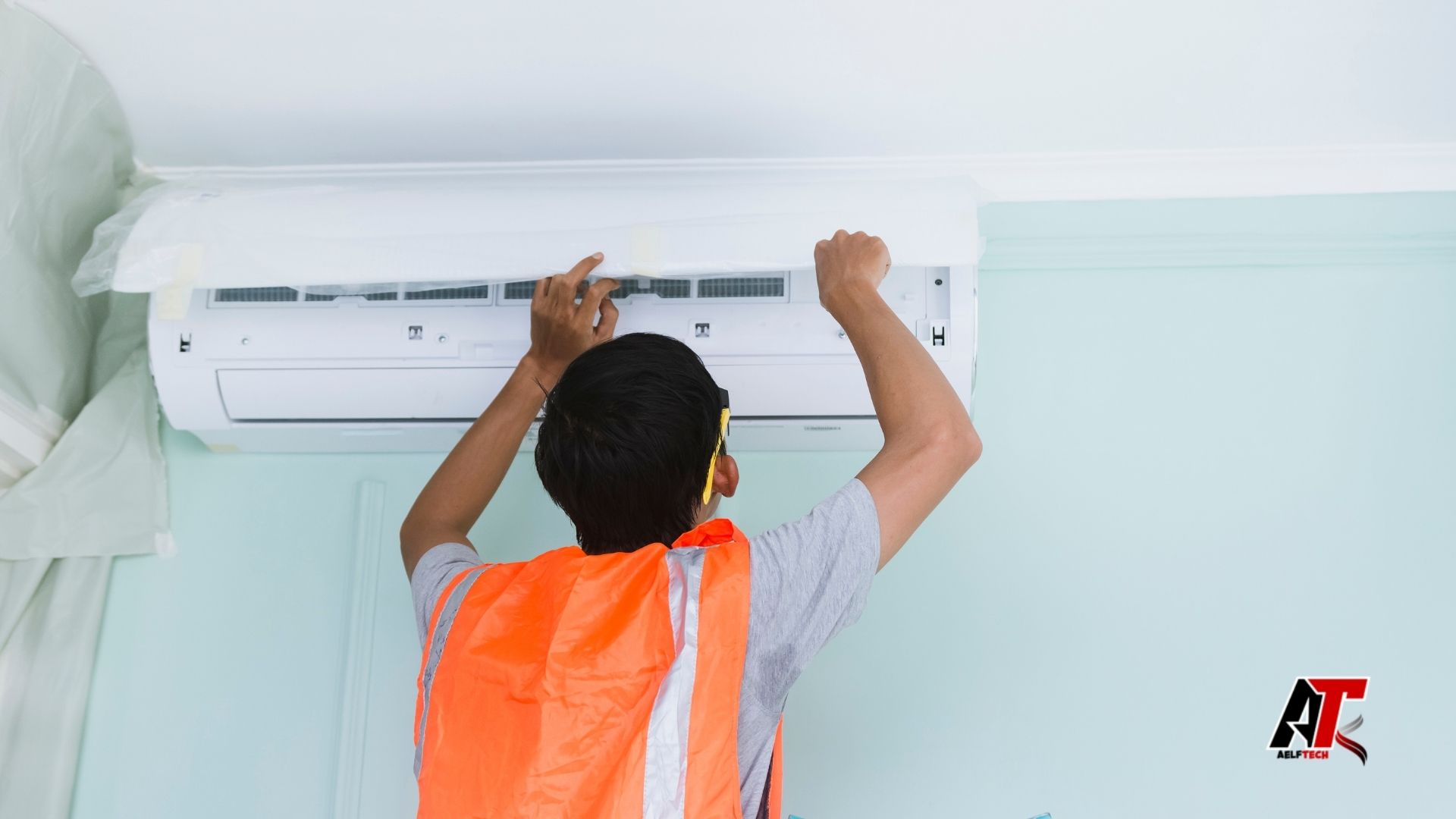
An air conditioner replacement is a major home improvement project that can significantly improve indoor comfort, reduce energy consumption, and increase the reliability of your cooling system. While regular maintenance and repairs can extend the life of an air conditioner, every HVAC system eventually reaches a point where replacement becomes more cost-effective than continued repairs.
Whether your current system struggles to cool your home, requires frequent repairs, or has simply reached the end of its lifespan, understanding the replacement process can help you choose the right air conditioning system for your needs.
When Should You Replace an Air Conditioner?
Knowing when to replace an aging air conditioner can help avoid expensive emergency breakdowns during the hottest months of the year.
Common signs include:
Frequent Repairs
If your system requires repeated repairs each cooling season, replacement may provide better long-term value.
Rising Energy Bills
Older air conditioners often lose efficiency, causing electricity costs to increase even when usage remains the same.
Inconsistent Cooling
Rooms that remain warmer than others may indicate declining system performance or inadequate capacity.
Strange Noises
Grinding, rattling, buzzing, or squealing sounds can signal worn mechanical components.
Poor Airflow
Weak airflow may result from failing blowers, blocked coils, or aging equipment.
System Age
Most central air conditioning systems have an expected service life of approximately 10 to 15 years, depending on maintenance, usage, and environmental conditions.
Benefits of Air Conditioner Replacement
Installing a modern air conditioning system offers several advantages.
Improved Energy Efficiency
Newer systems are designed to consume less electricity while delivering better cooling performance.
Benefits include:
- Lower energy usage
- More efficient compressors
- Improved airflow
- Better temperature control
Increased Comfort
Modern air conditioners provide more consistent cooling throughout the home.
Quieter Operation
Advanced compressor technology and improved insulation help reduce operating noise.
Better Indoor Air Quality
Many modern HVAC systems include improved filtration that helps reduce airborne dust, allergens, and other particles.
Smart Technology
Many new systems support:
- Smart thermostats
- Mobile app control
- Programmable schedules
- Energy monitoring
Types of Air Conditioning Systems
Several replacement options are available depending on your home.
Central Air Conditioning
Ideal for cooling an entire home through existing ductwork.
Ductless Mini-Split Systems
Suitable for:
- Room additions
- Homes without ducts
- Zoned cooling
Heat Pumps
Heat pumps provide both heating and cooling, making them suitable for year-round climate control in many regions.
Packaged HVAC Systems
Often installed where indoor space for separate components is limited.
Choosing the Right Air Conditioner
Several factors should be evaluated before purchasing a new system.
Proper System Size
An oversized or undersized air conditioner may reduce efficiency and comfort.
Professional HVAC contractors perform load calculations based on:
- Home size
- Ceiling height
- Insulation
- Window placement
- Local climate
Correct sizing improves performance.
Energy Efficiency Ratings
Look for systems with higher Seasonal Energy Efficiency Ratio (SEER2) ratings where applicable.
More efficient systems generally consume less electricity.
Warranty Coverage
Compare manufacturer warranties covering:
- Compressors
- Parts
- Heat exchangers (where applicable)
Warranty terms vary by manufacturer.
Installation Quality
Even the most efficient equipment performs poorly if installed incorrectly.
Professional installation is essential.
Air Conditioner Replacement Process
A typical replacement project follows several stages.
Home Evaluation
An HVAC technician inspects the existing system and evaluates cooling requirements.
Equipment Selection
The homeowner selects the appropriate unit based on recommendations and budget.
Removal of Existing Equipment
The old air conditioner is safely disconnected and removed.
Installation
The new indoor and outdoor equipment is installed according to manufacturer specifications.
System Testing
Technicians verify:
- Airflow
- Refrigerant levels
- Electrical operation
- Thermostat communication
Proper testing ensures reliable performance.
Cost Factors
Several variables affect replacement costs.
These include:
- System capacity
- Equipment type
- Energy efficiency
- Installation complexity
- Ductwork modifications
- Electrical upgrades
- Thermostat replacement
Obtaining multiple written estimates allows homeowners to compare available options.
Maintaining Your New Air Conditioner
Regular maintenance helps maximize system lifespan.
Recommended tasks include:
- Replace air filters regularly
- Schedule annual professional servicing
- Keep outdoor units free from debris
- Clean supply vents
- Monitor thermostat settings
- Inspect refrigerant performance
Preventive maintenance supports efficient operation.
Why Professional Installation Matters
Qualified HVAC professionals ensure:
- Correct equipment sizing
- Proper refrigerant charging
- Electrical safety
- Code compliance
- Manufacturer warranty protection
Improper installation can reduce system efficiency and reliability.
FAQs
How long does air conditioner replacement take?
Most residential replacements are completed within one day, although timelines vary depending on the project.
Should I repair or replace my air conditioner?
The decision depends on system age, repair costs, efficiency, and overall condition. A qualified HVAC contractor can evaluate your equipment.
What size air conditioner do I need?
Proper sizing requires a professional load calculation based on your home’s characteristics.
Do modern air conditioners save energy?
New systems are generally more energy efficient than older models, although actual savings depend on usage and installation.
How often should a new air conditioner be serviced?
Annual professional maintenance is commonly recommended to support efficient operation and identify potential issues early.
Conclusion
Air conditioner replacement is an investment that can improve home comfort, increase energy efficiency, and provide reliable cooling for many years. By selecting properly sized equipment, working with qualified HVAC professionals, and maintaining the system regularly, homeowners can enjoy consistent indoor temperatures while reducing the likelihood of costly future repairs. Careful planning and professional installation are key to maximizing the long-term performance of your new air conditioning system.
Leave a Reply