
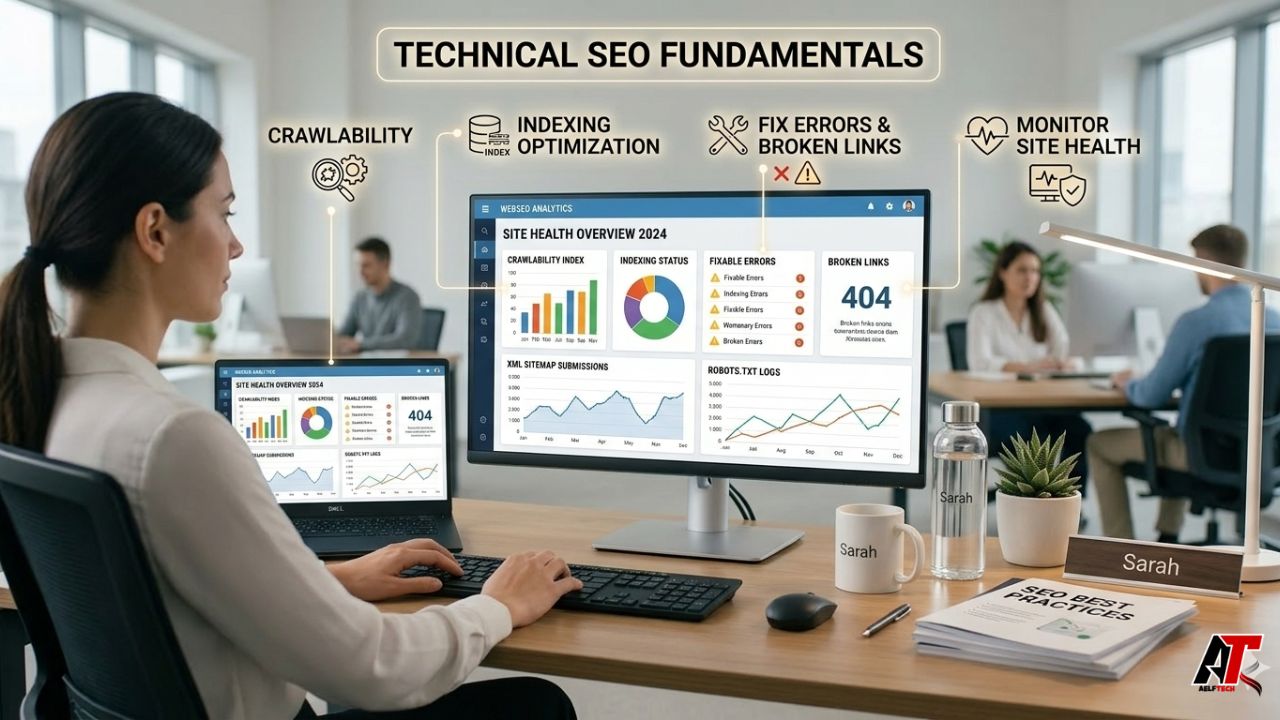
Navigating the complex landscape of modern search engine optimization requires more than just high-quality writing; it demands a deep understanding of how search engines crawl, render, and index your website. The technical foundation of your site dictates whether your best content will ever see the light of day. By integrating strong technical practices into your overarching Digital Strategy, you ensure that search engines can easily access, understand, and rank your pages, ultimately driving targeted traffic to your business.
Do Sitemaps Help SEO Rankings?
A frequent question among website owners is: do sitemaps help seo rankings directly? The short answer is no, an XML sitemap is not a direct ranking factor that will magically push your page to the number one spot. However, sitemaps are a critical prerequisite for ranking. They act as a roadmap for search engine crawlers, pointing them directly to your most important pages, newly updated content, and deep links that might otherwise be missed through standard site navigation.
Without a clean, error-free sitemap, search engines might struggle to find your content, especially on large e-commerce sites or deep-level blogs. Indexation is the first step to visibility; if you aren’t indexed, you cannot rank.
SEO 403: What It Means for Crawling and Access
Monitoring your server response codes is vital for maintaining a healthy website. An seo 403 error (403 Forbidden) occurs when a web server understands the request but refuses to authorize it. From an SEO perspective, this is highly damaging if it happens on public-facing pages. When Googlebot encounters a 403 status code, it is blocked from crawling the page’s content.
If important pages consistently return 403 errors, search engines will eventually drop them from the index. This often happens due to misconfigured server permissions, overzealous security plugins, or incorrect firewall rules blocking search engine user agents. Regular audits provided by Advanced SEO Services can help identify and resolve these access blockages before they impact your traffic.
AJAX SEO and SEO AJAX Loaded Content
Modern web development heavily relies on JavaScript to create dynamic, fast-loading user experiences. However, handling ajax seo correctly is historically one of the most challenging aspects of technical optimization. While Google’s ability to render JavaScript has improved dramatically, relying entirely on client-side rendering can still delay indexation.
When dealing with seo ajax loaded content, the best practice is to ensure that critical content (text, internal links, and metadata) is accessible in the initial HTML payload. Dynamic rendering or server-side rendering (SSR) is often recommended. If search engines cannot easily parse your AJAX-loaded product grids or article feeds, those elements essentially do not exist in the eyes of the algorithm.
Traditional HTML Content
Content is fully formed on the server. Search engines crawl the HTML and instantly see all text, links, and metadata. Fast and highly reliable for indexation.
AJAX / Client-Side Content
Content loads dynamically after the initial page load. Search engines must render the JavaScript to see the content, which uses more crawl budget and can delay indexing.
Blended Search in SEO: Why Universal Results Matter
The Search Engine Results Pages (SERPs) are no longer just ten blue links. Blended search in seo refers to the integration of various media types—such as images, news, local map packs, videos, and shopping results—directly into the main search results. Optimizing for blended search means diversifying your content formats.
To capture maximum visibility, you must optimize your images with descriptive alt text, use video schema markup, and ensure your local listings are accurate. As search engines better understand context through semantic SEO, appearing in these blended universal results becomes crucial for capturing user attention and driving higher click-through rates.
Google for Jobs SEO: Visibility Beyond Traditional Blue Links
For recruitment agencies and companies hiring rapidly, leveraging google for jobs seo is non-negotiable. Google features a dedicated job search widget at the top of relevant SERPs. To appear in this highly visible section, your job posting pages must implement specific JobPosting structured data.
This markup feeds Google exact details like job title, salary range, location, and employment type. Without this schema, your job listings are relegated to standard web results, drastically reducing candidate visibility. Proper schema implementation is a core component of comprehensive digital marketing services aimed at corporate growth and recruitment.
How Does Personalization Affect SEO?
Search results are rarely identical for two different users. If you are wondering, how does personalization affect seo, the impact is profound. Google alters search results based on a user’s geographic location, search history, device type, and even the time of day.
Because of personalization, tracking absolute rankings is becoming less reliable. Instead, marketers must focus on generating highly relevant content that satisfies specific user intents across different contexts. While PPC Management USA allows you to tightly control audience targeting, organic SEO must rely on localized keywords and comprehensive topical coverage to capture personalized queries effectively.
SEO Affected by the New Search Plus Your World
To understand the current state of personalized search, it helps to look at history. Many veteran marketers recall how seo affected by the new search plus your world (SPYW) changed the industry back in 2012. Google integrated data from Google+ to show private, socially-driven results (like photos and posts from friends) directly within the main SERPs.
While Google+ is long gone, the fundamental shift it introduced remains: search engines aggressively seek to blend social graphs, personalized user data, and trusted entity relationships into the core algorithm to deliver tailored experiences.
SEO Impact Search Plus Your World: Lessons for Modern Search
The long-term seo impact search plus your world had on digital marketing was a permanent shift toward entity-based and personalized search. It taught the industry that social signals, brand authority, and individualized user behavior are inextricably linked to search visibility.
Today, this legacy lives on in features like Google Discover and highly personalized localized search. Building a modern business marketing strategy requires acknowledging that your brand must establish authority not just through links, but through user engagement and recognizable entity associations.
Technical SEO Best Practices for Crawl and Index Health
To maintain peak performance, you must actively manage how search engines interact with your site. Keep your sitemaps updated, monitor your server logs for 4xx and 5xx errors, and ensure that your dynamic JavaScript content is accessible to crawlers. Staying updated with the latest digital marketing insights will help you adapt to algorithmic changes regarding rendering and indexation.
Conclusion
Mastering technical SEO is an ongoing journey. From ensuring clean crawl paths via sitemaps to managing complex AJAX rendering and understanding the nuances of blended and personalized search, every technical detail matters. By building a robust, accessible website, you lay the groundwork for long-term organic success. If your business is ready to overcome technical hurdles and dominate the search landscape, explore our top digital services today and let us help you turn search visibility into measurable revenue.
Frequently Asked Questions (FAQs)
1. Do sitemaps help SEO rankings directly?
No, sitemaps are not a direct ranking factor. However, they are essential for SEO because they help search engine crawlers discover, crawl, and index your website’s pages faster and more efficiently. Without indexation, your pages cannot rank at all.
2. What does a 403 error mean in SEO?
A 403 Forbidden error means the server understands the request but refuses to grant access. In SEO, if Googlebot encounters a 403 error on your pages, it is blocked from crawling them. Over time, these pages will be deindexed, leading to a loss in organic traffic.
3. Can Google index AJAX-loaded content?
Yes, Google can crawl and render AJAX-loaded content (JavaScript), but it is a resource-intensive process that can delay indexation. For best SEO results, it is recommended to use server-side rendering (SSR) or dynamic rendering so critical content is available in the initial HTML response.
4. What is blended search in SEO?
Blended search (or universal search) is the practice of integrating different types of media—such as images, videos, maps, news, and shopping widgets—directly into the standard organic search results. Optimizing for it requires diversifying your content and using appropriate schema markup.
5. How does personalization affect SEO performance?
Personalization alters search results based on a user’s location, device, search history, and preferences. This means tracking exact keyword rankings is less accurate. SEO performance must now focus on capturing relevant traffic through localized content, broad topical authority, and satisfying diverse user intents.
6. What is Google for Jobs SEO?
Google for Jobs SEO involves optimizing your career or job posting pages to appear in Google’s dedicated job search widget at the top of the SERPs. This is primarily achieved by implementing valid JobPosting structured data (schema markup) on your job listing pages.
7. Does blocked content hurt crawlability?
Yes, content blocked by robots.txt, incorrect meta tags (like noindex), or server errors (like 403 or 401) severely hurts crawlability. If search engines cannot access the content, they cannot evaluate its relevance or add it to their index for users to find.
8. Is Search Plus Your World still relevant today?
While the specific “Search Plus Your World” update (which integrated Google+ into search) is obsolete, its underlying concept is highly relevant. It marked a permanent shift toward algorithms that prioritize personalized experiences, social graphs, and entity relationships to deliver custom search results.
Leave a Reply