
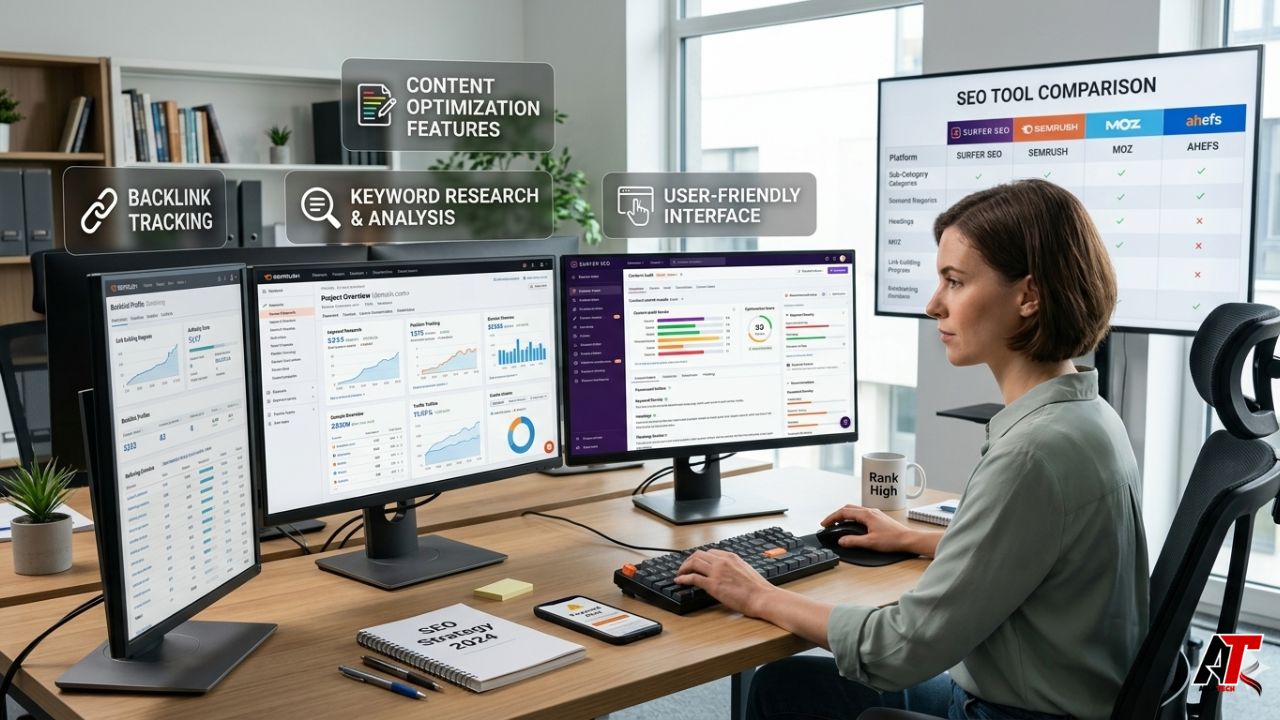
Navigating the complex ecosystem of search engine optimization platforms is one of the most critical foundational decisions a marketing team must make. Instead of purchasing software based solely on flashy dashboards or aggressive marketing campaigns, businesses need to select platforms that genuinely align with their operational workflows, team capacity, and long-term digital strategy. The current market is heavily saturated with everything from highly specialized on-page content editors to massive, all-in-one data suites. Comparing these options effectively requires moving beyond basic feature checklists and understanding how a specific tool functions in a real-world, daily production environment.
Whether you are an in-house marketer trying to consolidate your monthly software spend, or an agency building a robust enterprise stack, evaluating tools against specific use cases is the only way to ensure a strong return on investment. The reality is that no single software platform executes every aspect of search marketing perfectly. This guide breaks down some of the most common tool comparisons and reviews in the industry, helping you understand where different platforms excel, where they fall short, and how they can be combined to drive meaningful organic growth.
Surfer SEO vs Semrush: Comparing Content Optimization with All-in-One Power
When professionals search for a breakdown of surfer seo vs semrush, they are usually trying to solve a specific workflow dilemma: should they invest in a specialized content optimization tool, or rely on the content modules built into a comprehensive SEO suite? Understanding this distinction is vital for content teams and strategists alike.
Semrush is fundamentally a massive data aggregator. It excels at competitive research, broad keyword discovery, backlink auditing, and overall domain tracking. If your primary goal is to conduct a sweeping competitive analysis, reverse-engineer a competitor’s paid and organic footprint, and track thousands of keywords across multiple geographies, Semrush is an industry standard. Its built-in SEO Writing Assistant offers basic guidance, but it is ultimately a secondary feature attached to a massive data platform.
Surfer SEO, conversely, is a specialized, surgical tool built entirely around on-page optimization and natural language processing (NLP). When an agency is executing semantic SEO, they need to understand exactly which entities, topics, and phrase structures Google expects to see on a page for a specific query. Surfer analyzes top-ranking pages in real-time and provides a highly specific, mathematical blueprint for content writers. It tells you exactly how often to use specific terms, the ideal word count, and how to structure your headings based on actual SERP realities.
Web CEO vs SEO Moz: Agency Reporting vs. In-House Insights
Another frequent comparison in the enterprise space is web ceo vs seo moz (commonly known simply as Moz Pro). This debate generally comes down to who will be looking at the data: the SEO practitioner, or the end client?
Web CEO has historically leaned heavily into the agency and B2B workflow. Its strongest selling point is its robust, white-label reporting capabilities. Agencies scaling their digital marketing services often choose Web CEO because it allows them to automate highly customized, branded reports for dozens or hundreds of clients. It includes tools for lead generation, task management, and client collaboration, making it a true operational hub for an agency environment.
Moz Pro, on the other hand, is built around proprietary metrics (like Domain Authority and Page Authority) and an incredibly user-friendly interface. It is often the preferred choice for in-house teams who need a gentle learning curve, reliable daily rank tracking, and straightforward site crawling. While Moz provides adequate reporting, its core strength lies in its historical trust, its massive community of educators, and its focus on making complex SEO concepts accessible to general marketers.
Crafting a Balanced SEO SpyGlass Review for Backlink Analysis
When evaluating off-page software, a thorough seo spyglass review must focus on the tool’s primary utility: deep, granular backlink profiling. Part of the SEO PowerSuite ecosystem, SEO SpyGlass is a desktop-based application (though it utilizes a massive cloud database) designed to do one thing exceptionally well—analyze links.
A balanced review of this tool must highlight its cost-effectiveness and raw data capacity. Unlike many web-based SaaS platforms that limit the number of backlinks you can export based on your monthly subscription tier, SEO SpyGlass allows users to pull massive amounts of data directly to their local machines. This is incredibly useful for executing Advanced SEO USA campaigns, where technical teams need to run exhaustive toxic link audits, prepare complex disavow files, or reverse-engineer a competitor’s decade-old link profile.
However, a transparent review should also note the drawbacks. Because it is desktop software, collaboration across remote teams can be clunky compared to a pure cloud solution. Furthermore, while its link index is impressive, it is strictly an off-page tool, meaning you will still need other platforms to handle on-page auditing and content generation.
What to Look for in an SEO Monitor Review
Agencies looking to bridge the gap between organic traffic and actual business revenue often seek out an in-depth seo monitor review. SEOmonitor stands out in the marketplace because it is deeply focused on forecasting, agency pitches, and separating brand from non-brand traffic.
What makes SEOmonitor unique is its ability to integrate directly with Google Analytics and Google Search Console to solve the “not provided” keyword problem. It models data to show agencies exactly which non-brand keywords are driving actual revenue and conversions. Furthermore, its forecasting module allows agencies to build realistic proposals for clients, showing them the expected ROI if certain ranking goals are met over a 12-month period.
When reading or writing a review of this platform, the focus should heavily emphasize its business intelligence features. It is less about finding a broken link and more about proving the financial value of search marketing to a Chief Marketing Officer. Keeping up with how tools evolve in their reporting capabilities is a frequent topic we cover on our blog.
Where SEO Profiler Fits in a Modern Tool Stack
Finally, it is worth discussing where seo profiler fits into the current software ecosystem. Historically, SEOprofiler was positioned as an accessible, all-in-one cloud tool for small to medium-sized businesses. It combined daily rank tracking, site audits, and basic link building management into a single, affordable monthly subscription.
While the industry has largely shifted toward highly specialized tools (like Surfer for content or Ahrefs for links), an all-in-one suite like this still holds value for a local business or a solo marketing manager who cannot justify thousands of dollars a year in software subscriptions. It provides a cohesive, unified dashboard that covers the essential daily checks required to keep a website healthy. When you learn about our agency and our evaluation processes, you’ll find that we always recommend matching the complexity of the tool strictly to the maturity of the team using it.
Comparing the Top SEO Tool Categories
To help visualize how these tools align with different business needs, we have categorized the platforms based on their primary strengths and ideal user bases.
| Tool / Category | Primary Strength | Best Fit For | Common Use Case |
|---|---|---|---|
| Semrush | Macro Data & Competitor Research | Agencies & Enterprise | Keyword gap analysis, PPC research, market share tracking. |
| Surfer SEO | NLP Content Optimization | Content Teams & Writers | Structuring articles, achieving semantic relevance, scaling content. |
| Web CEO | Automated White-Label Reporting | B2B SEO Agencies | Client dashboarding, automated scheduled reports, lead gen widgets. |
| SEO SpyGlass | Deep Backlink Auditing | Technical SEOs | Toxic link removal, massive data exports, competitor link interception. |
| SEOmonitor | Forecasting & Business Intelligence | Growth Agencies | Pitching clients, separating brand vs non-brand traffic value. |
Conclusion & Practical Takeaways
Choosing the right search optimization software is not about finding a single platform that does everything perfectly; it is about building a stack that covers your operational blind spots. An agency might combine Semrush for research, Surfer for content execution, and SEOmonitor for client reporting. A small business might rely on a unified suite like Moz or an all-in-one alternative to keep costs manageable while still gaining actionable insights.
Before committing to expensive annual contracts, audit your actual daily workflows. Ask your team what tasks take the most manual effort and purchase tools that specifically solve those bottlenecks. If you are unsure where your current technical baseline stands, or what specific platform integrations would benefit your site the most, we highly recommend starting with a free audit to identify your immediate growth opportunities.
Leave a Reply