
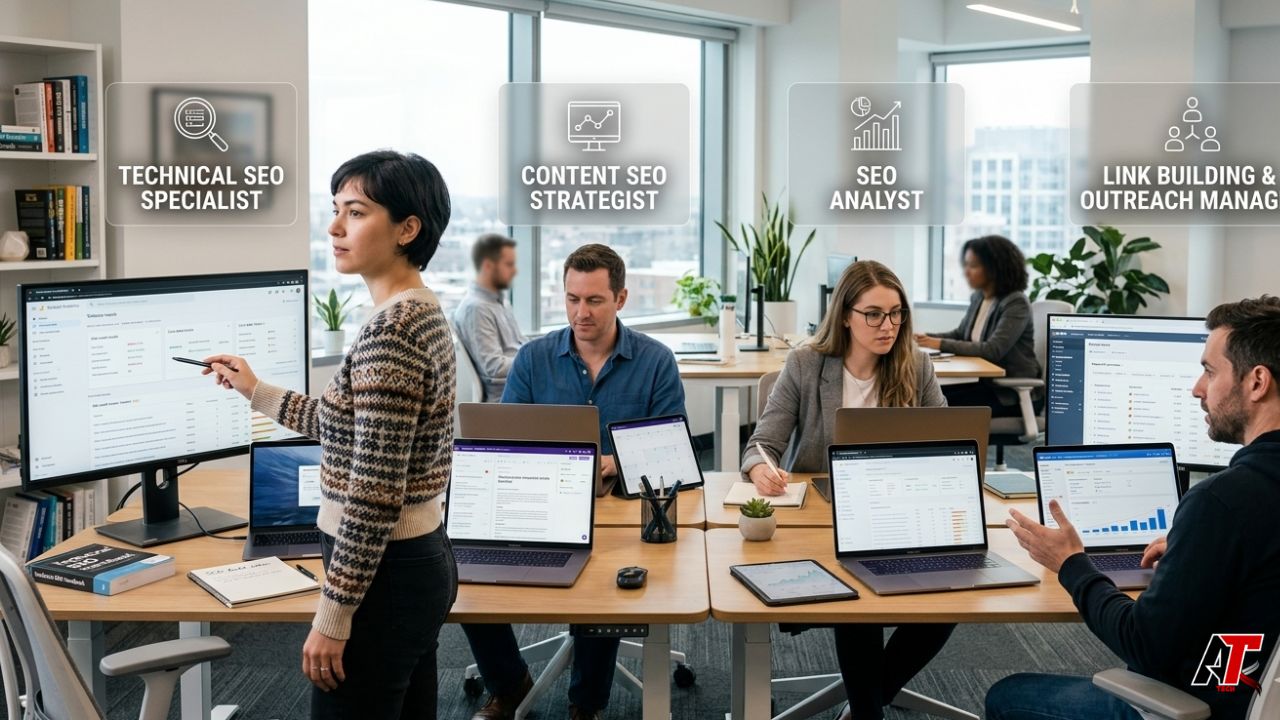
The digital marketing landscape has transformed dramatically over the last decade, shifting search engine optimization from a niche, experimental tactic into a foundational pillar of modern business operations. As algorithms become more sophisticated and consumer reliance on search engines reaches all-time highs, the demand for specialized talent has surged. Companies across the United States are actively expanding their marketing departments, leading to highly lucrative career paths for professionals who understand how to drive organic visibility. For business owners, founders, and hiring managers, understanding the distinction between different optimization roles and knowing exactly when to bring that talent aboard is essential for scalable growth.
The Scope of Modern SEO Marketing Jobs
When analyzing the market, general seo marketing jobs represent the broadest category of opportunities in the industry. These roles are typically cross-functional, requiring professionals to balance content strategy, competitive research, and on-page optimization. An SEO marketing manager or executive is often the central hub connecting creative output with search visibility goals. Their day-to-day responsibilities include conducting keyword gap analyses, mapping out content calendars, and optimizing existing website assets to capture higher click-through rates.
However, the expectations for these positions have evolved. Today, employers expect professionals in these roles to have a firm grasp of semantic SEO. This means moving beyond simple keyword frequency and understanding how to structure content around user intent, topical clusters, and entity relationships. The modern SEO marketer must answer the underlying questions a user has, rather than just matching the exact phrase they typed into the search bar. This strategic depth is what separates entry-level tactical workers from high-impact marketing leaders.
How Technical SEO Jobs Differ from General Roles
While marketing-focused roles deal primarily with content and user experience, technical seo jobs are highly specialized positions that bridge the gap between marketing and web development. A technical SEO specialist does not typically spend their time writing blog posts or researching long-tail keywords. Instead, they focus on the server-side elements and structural code that allow search engines to crawl, render, and index a website efficiently.
Professionals in these roles perform log file analyses, optimize JavaScript rendering, fix complex pagination issues, and implement advanced Schema markup. Because their work heavily impacts the site’s codebase, they must frequently collaborate with IT teams on wordpress development or custom CMS setups to push necessary structural changes. When a company is looking for Advanced SEO USA expertise, they are usually seeking this high-level technical execution. A single error in a canonical tag or a misconfigured robots.txt file can completely remove a multi-million dollar business from search results, making the technical SEO specialist one of the most critical risk-mitigation roles in a digital team.
Reading the Market: Analyzing “SEO Executive Salary London”
When assessing hiring trends and compensation expectations, global search data provides a fascinating window into industry maturity. For instance, the query seo executive salary london is frequently monitored by industry analysts not just for localized hiring, but as a broader market signal. London, much like New York or San Francisco, is a major economic hub with a highly competitive digital agency landscape.
When job seekers and employers search for this data, it reflects a standardization of SEO roles. It shows that “SEO Executive” is now a clearly defined career tier with established compensation benchmarks, rather than a vague marketing title. For USA-based companies, observing these global salary trends helps founders understand how aggressively they need to compensate top-tier talent to remain competitive. It highlights that specialized search marketing is a premium skill set, and retaining experienced executives requires offering salaries that reflect their direct impact on company revenue.
Identifying Businesses That Need SEO the Most
Not every company requires a massive, in-house search department from day one. However, there are specific categories of businesses that need seo to survive and scale. Identifying whether your company falls into one of these categories is a critical part of your overarching digital strategy and hiring plan.
- eCommerce Brands: Online retailers live and die by organic visibility. Paying for ads on low-margin products is often unsustainable. eCommerce sites need robust technical SEO to handle thousands of product variants and dynamic URLs.
- SaaS (Software as a Service) Companies: SaaS brands rely heavily on organic search to capture users at the top of the funnel (e.g., “how to automate payroll”) and convert them into trial users. Content-driven SEO is their primary growth engine.
- Local Service Providers: Plumbers, law firms, and medical clinics in the USA rely on local SEO. If they do not appear in the “Google Local Pack” for their target city, their competitors will capture almost all of the available market share.
- Publishers and News Outlets: For businesses monetizing traffic via programmatic advertising, maintaining high visibility in Google Discover and Top Stories is essential for daily revenue.
Building the Team: In-House vs. Agency Hiring
Once a founder realizes search visibility is critical, the next step is deciding how to resource it. Should you hire a full-time employee, or partner with a specialized firm? Large enterprise brands often build in-house teams because they require professionals who are 100% immersed in their complex brand guidelines and internal corporate politics.
Conversely, scaling startups and mid-market businesses often find that hiring an agency provides superior ROI. For the cost of one mid-level in-house salary, a company can hire an agency and gain fractional access to an entire team: a technical director, a content strategist, and outreach specialists. When you read about our agency, you will see that we act as an extension of our clients’ teams, providing executive-level execution without the overhead of recruiting, training, and retaining internal staff.
Essential Skills Employers Look For
For professionals navigating the job market, standing out requires demonstrating a mix of analytical prowess and business acumen. Modern employers expect candidates to be proficient in industry-standard tools like Google Search Console, Ahrefs, Screaming Frog, and GA4. However, the most successful candidates go a step further by showing they can tie search metrics directly to business outcomes.
The industry changes rapidly, and employers look for candidates who are self-directed learners. Mentioning that you actively monitor search patents or read an industry blog to stay ahead of AI-driven search changes (like Google’s Search Generative Experience) demonstrates the passion and adaptability required for long-term success in the field.
SEO Roles and Hiring Demand Comparison
| Role Title | Primary Focus | Key Skills Required | Where Demand is Strongest |
|---|---|---|---|
| SEO Marketing Manager | Strategy, Content, Cross-channel integration | Keyword research, copywriting, analytics, team management. | In-house at SaaS and mid-market B2B companies. |
| Technical SEO Specialist | Site architecture, crawlability, indexation | HTML/CSS, JS rendering, log file analysis, schema markup. | Large eCommerce brands and specialized digital agencies. |
| Digital PR / Outreach Expert | Link building, brand mentions, authority | Media relations, cold email outreach, content ideation. | Agencies and highly competitive affiliate marketing spaces. |
| SEO Agency Partner | Full-suite execution and high-level strategy | Scalable delivery, revenue forecasting, algorithm adaptation. | Growth-stage companies needing immediate, multi-disciplinary expertise. |
Conclusion & Next Steps for Your Business
The demand for skilled search professionals continues to rise as businesses recognize that organic traffic is the most sustainable and cost-effective digital acquisition channel. Whether you are a professional looking to specialize in technical SEO, or a business owner trying to determine your next marketing hire, understanding the landscape is crucial. Companies must align their hiring choices with their specific growth stages and operational bottlenecks to truly succeed.
If your organization is struggling to capture organic market share and you are weighing the costs of building an internal team versus outsourcing, start by understanding your current baseline. Request a free audit from our team to uncover your technical roadblocks. Ready to partner with a team of seasoned experts who can execute at an elite level? Contact us today to discuss a customized growth strategy for your brand.
Leave a Reply