
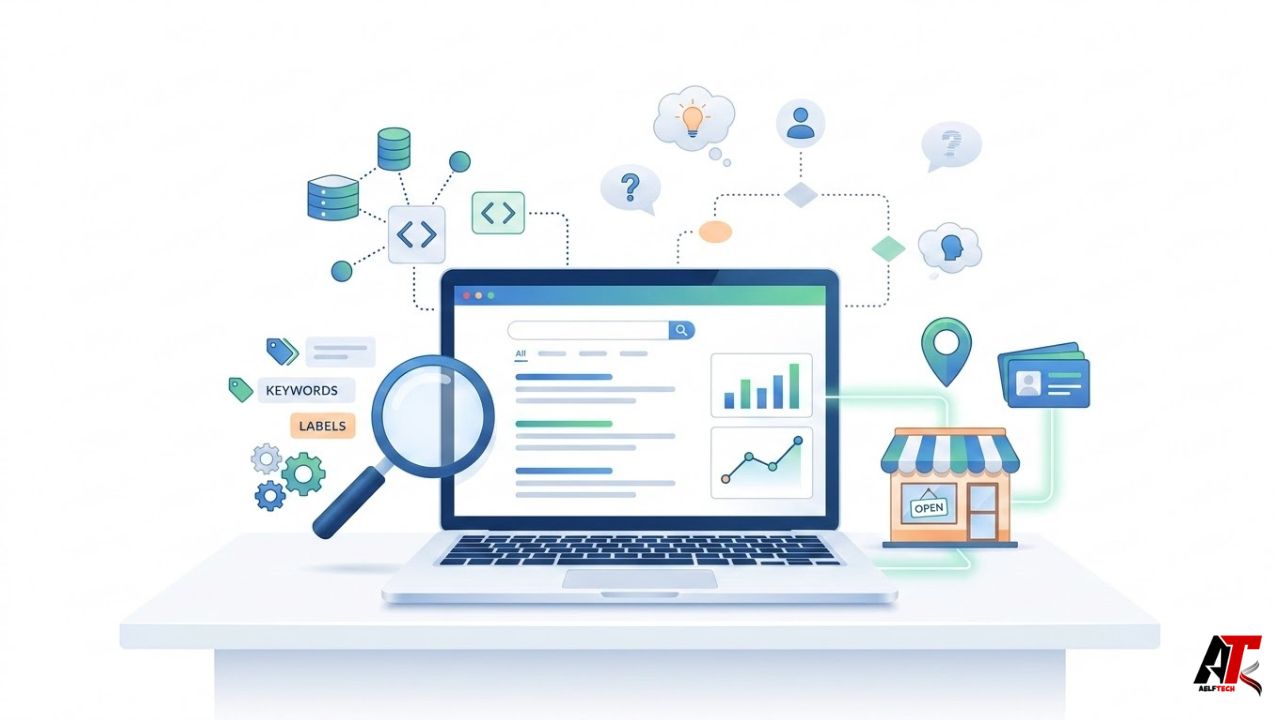
Mastering the digital landscape requires more than just launching a website; it demands a deep understanding of SEO basics and advanced search mechanics. Whether you are an established enterprise or a growing startup, navigating the complexities of search engine optimization can feel overwhelming. In this comprehensive guide, we will unpack critical concepts ranging from traditional on-page techniques to answering the common question of what is offline SEO. We will also dive into the technical side to explain what is API in SEO, explore how human behavior shapes search results through SEO psychology, and outline the exact steps needed to build a viable SEO framework for the future.
Search engines evolve constantly, making it vital to stay informed about the latest strategies. By bridging the gap between technical infrastructure and human search intent, businesses can create sustainable, long-term growth. Read on to discover actionable insights, explore the pros and cons of this marketing channel, and find answers to your most pressing SEO FAQs.
- Understanding both digital and offline SEO strategies is crucial for building a holistic brand presence.
- Technical advancements, including the use of APIs, have revolutionized how SEO data is tracked and implemented.
- A viable long-term SEO strategy relies heavily on understanding user intent and SEO psychology.
- While SEO offers massive ROI, being aware of the disadvantages of SEO ensures realistic goal-setting.
What Is Offline SEO and Why Does It Matter?
When most people think of search engine optimization, they imagine editing code, writing blog posts, or building backlinks. However, understanding exactly what is offline SEO is equally critical for modern brands. Offline SEO refers to all the physical, real-world marketing activities that indirectly boost your online search visibility. This includes television and radio ads, billboards, networking events, print media, and simple word-of-mouth recommendations.
Why does this matter? Because search engines like Google highly value “brand signals.” When your offline marketing campaigns are successful, people naturally open their browsers and search for your specific brand name or the unique products you mentioned. This surge in branded search volume signals to search algorithms that your brand is authoritative, popular, and trusted in the real world. Integrating your offline efforts with comprehensive digital marketing solutions creates a feedback loop where physical awareness drives online traffic, ultimately boosting your organic rankings across the board.
SEO Synonym and the Real Meaning of SEO
As the digital marketing industry has matured, the terminology has become increasingly complex. Often, business owners look for an SEO synonym to better understand the service they are investing in. While “Search Engine Optimization” is the technical term, you will frequently hear it referred to by various synonyms such as organic search marketing, search visibility enhancement, inbound marketing, or simply web presence optimization.
Regardless of the SEO synonym you choose to use, the real meaning remains the same: it is the strategic process of making your website highly relevant, accessible, and authoritative in the eyes of both search engines and human users. It is not just about manipulating algorithms; it is about providing the best possible answer to a user’s query. Focusing on this core meaning ensures that your website remains resilient against algorithm updates and continues to serve your target audience effectively.
What Is API in SEO and How Is It Used?
For those looking to scale their marketing efforts, understanding what is API in SEO is a game-changer. API stands for Application Programming Interface. In simple terms, it is a software intermediary that allows two different applications to communicate with each other. In the context of SEO, APIs are used to pull massive amounts of data from search engines or third-party SEO tools directly into your own custom dashboards, spreadsheets, or proprietary software.
For example, the Google Search Console API allows webmasters to automatically extract data regarding clicks, impressions, and keyword rankings without having to manually log into the platform. Similarly, SEO professionals use APIs from tools like Ahrefs or Moz to conduct large-scale backlink audits and competitor analysis. By leveraging APIs, agencies and developers can automate tedious reporting tasks and focus on high-level strategy. If you are serious about scaling your technical infrastructure, integrating APIs into your technical SEO workflow is an absolute necessity.
Pros and Cons of SEO for Modern Websites
Every marketing channel has its strengths and weaknesses, and search engine optimization is no exception. Analyzing the pros and cons of SEO is vital for allocating your marketing budget effectively.
On the “pros” side, SEO provides unparalleled long-term return on investment (ROI). Unlike paid advertising, where traffic stops the moment you turn off your ad spend, a well-optimized page can generate free, passive traffic for years. Additionally, ranking highly in organic search results builds massive brand trust and credibility, as users inherently trust Google’s top recommendations. SEO also drives highly targeted traffic; you are capturing users exactly when they are searching for a solution you provide.
However, looking at the “cons,” SEO is undeniably a slow process. It can take months—sometimes up to a year—to see significant movement in competitive niches. It also requires a continuous investment of time, resources, and high-quality content creation. Furthermore, you do not control the platform; a sudden algorithm update from Google can negatively impact your traffic overnight, requiring swift strategic pivots.
Disadvantages of SEO You Should Know Before Starting
To succeed in digital marketing, you must maintain realistic expectations. While the benefits are vast, delving deeper into the specific disadvantages of SEO is necessary for any business owner. The most prominent disadvantage is the high level of competition. In 2026, almost every profitable keyword is fiercely contested by established brands with massive budgets and deeply entrenched domain authority.
Another major disadvantage is the lack of guaranteed results. No matter how perfectly you optimize your website, no agency or specialist can guarantee a number-one spot on Google. The algorithms are proprietary black boxes containing thousands of ranking factors. Additionally, effective SEO is resource-intensive. It requires skilled copywriters, web developers, outreach specialists, and strategists. If a business attempts to cut corners with cheap, low-quality SEO services, they risk incurring severe algorithmic penalties that can completely remove their website from search results.
Can SEO Help New Websites Grow Organically?
A common question among startups and entrepreneurs is, “Can SEO really make a difference for a brand new domain?” The short answer is an absolute yes. However, it requires a targeted, highly strategic approach. When a new website launches, it often enters what is informally known as the “Google Sandbox”—a period where search engines cautiously evaluate the site’s trustworthiness before allowing it to rank for high-volume keywords.
To overcome this, new websites must focus heavily on low-competition, long-tail keywords. These are highly specific search queries that larger competitors often ignore. By consistently publishing incredibly helpful, deeply researched content around these long-tail queries, a new website can slowly build topical authority. Furthermore, ensuring that the initial web development follows strict technical SEO best practices—such as lightning-fast load times, mobile responsiveness, and clean site architecture—gives new websites the solid foundation required to grow steadily and organically over time.
What Makes a Viable SEO Strategy in 2026?
The days of tricking search engines with keyword stuffing and spammy backlinks are long gone. Building a viable SEO strategy today requires a holistic, user-first approach. A viable SEO campaign is built on three main pillars: technical excellence, authoritative content, and strong digital PR.
First, your website must be technically flawless. It needs to be easily crawlable by search engine bots, secure (HTTPS), and exceptionally fast. Second, your content must satisfy Google’s E-E-A-T guidelines (Experience, Expertise, Authoritativeness, Trustworthiness). You need to prove that real humans with actual industry experience are creating the content. Finally, a viable SEO plan requires a proactive content strategy that naturally earns high-quality backlinks from reputable websites in your industry. When these three pillars work in harmony, your strategy becomes resilient, adaptable, and highly profitable.
SEO Psychology: How Search Intent and User Behavior Affect Rankings
One of the most fascinating and often overlooked aspects of optimization is SEO psychology. Search engines do not just read code; they analyze how human beings interact with your website. This is primarily measured through user behavior metrics like click-through rates (CTR), dwell time, and bounce rates. If users click your link but immediately hit the “back” button (known as pogo-sticking), it sends a strong negative psychological signal to Google that your page did not satisfy their needs.
SEO psychology heavily revolves around matching “search intent.” When a user types a query, are they looking to buy a product (transactional intent), learn about a topic (informational intent), or find a specific website (navigational intent)? If your content does not perfectly align with the psychological intent behind the search, you will not rank. Furthermore, SEO psychology encompasses web design and UX—using comfortable color palettes, readable fonts, and clear calls-to-action to reduce cognitive friction, keeping users on your site longer and guiding them naturally toward conversion.
SEO FAQs
Explore our comprehensive SEO FAQs to get quick, clear answers to some of the most common questions surrounding search engine optimization strategies.
Offline SEO refers to real-world marketing actions—like TV ads, radio spots, billboards, and word-of-mouth—that happen away from the internet. These actions encourage people to search for your specific brand name on Google. When search engines see a high volume of people searching for your brand directly, it increases your website’s overall trust and authority, leading to better online rankings.
Yes, there are several terms used as an SEO synonym depending on the context. Common synonyms include “organic search marketing,” “inbound search optimization,” and “search visibility enhancement.” Regardless of the exact phrase used, they all refer to the process of improving a website’s unpaid, natural ranking on search engine results pages.
An API (Application Programming Interface) in SEO is a tool that allows different software programs to talk to each other and share data automatically. It is incredibly useful because it allows webmasters to pull massive amounts of data—such as keyword rankings, backlink profiles, and site crawl errors—directly into their own customized dashboards without manually downloading reports, saving hundreds of hours of manual labor.
The main pros of SEO include massive long-term return on investment, the ability to generate passive organic traffic, and the building of deep brand trust with consumers. The primary cons are that it is a very slow process taking months to show results, requires constant ongoing maintenance, and leaves you vulnerable to sudden, unpredictable search engine algorithm changes.
The biggest disadvantages of SEO are the sheer unpredictability of search algorithms and the intense level of competition. It is not a free strategy; it requires significant financial and time investments in content creation, technical audits, and link building. Furthermore, there is absolutely no guarantee of a top ranking, making it a higher-risk strategy for businesses needing immediate, overnight sales.
Yes, can SEO help a small website? Absolutely. While small websites cannot immediately compete with massive corporations for broad keywords, they can thrive by targeting highly specific, “long-tail” keywords. By creating the best, most detailed content on the internet for niche topics, a small website can establish deep topical authority, build a loyal audience, and grow its organic traffic steadily over time.
A viable SEO strategy is one that focuses entirely on the human user rather than trying to trick search bots. It involves maintaining a technically sound website, producing high-quality content backed by real expertise (E-E-A-T), and earning natural backlinks. Because it builds a foundation of trust and authority, a viable SEO approach ensures your site continues to generate traffic even when paid advertising budgets are paused.
SEO psychology is the study of how search intent and user experience impact site performance. If a user clicks your link and immediately leaves because the design is poor or the content doesn’t answer their specific question, Google notices this negative behavior and drops your ranking. By utilizing clean design, readable text, and content that perfectly matches the user’s psychological intent, you keep them on the page longer, signaling high quality to search engines and increasing your chances of conversion.
Leave a Reply