
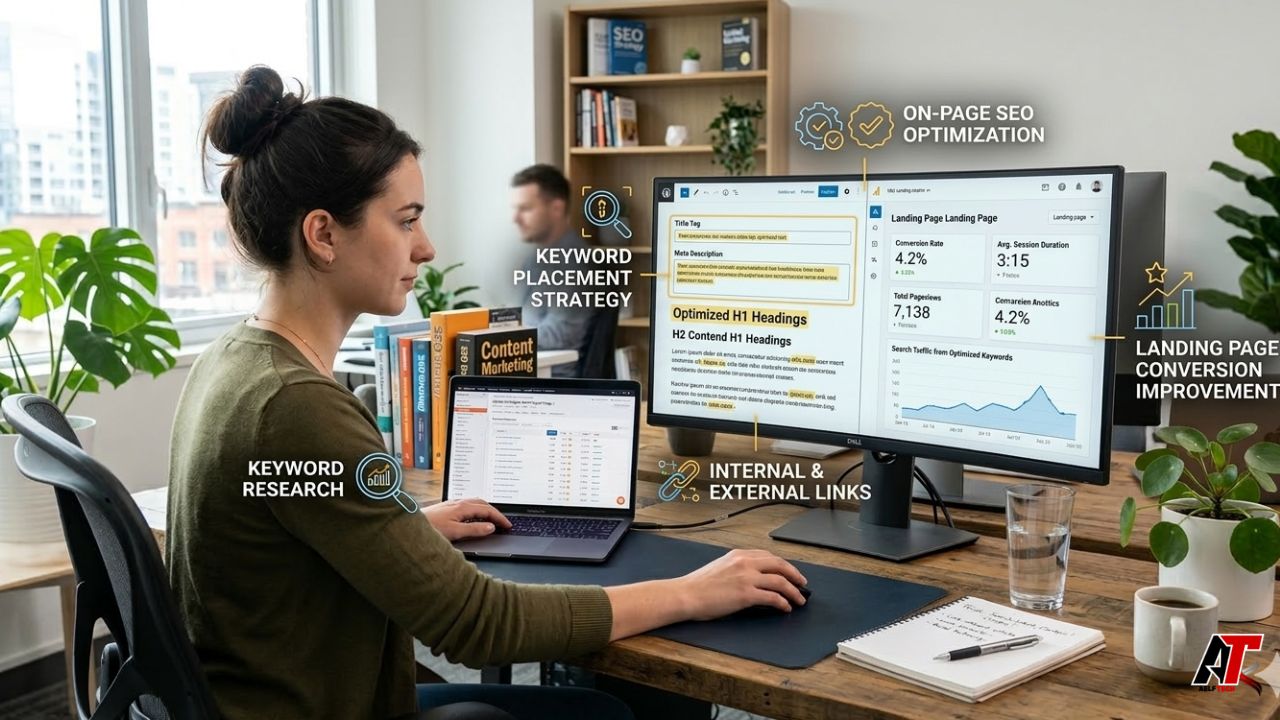
Navigating the complex world of search engine optimization requires a solid foundation in both technical elements and user-centric content. Whether you are launching a new campaign or auditing an existing site, a well-crafted Digital Strategy ensures your website communicates effectively with both search engines and potential customers. From resolving metadata issues to structuring high-converting pages, understanding the nuances of on-page optimization is the key to unlocking sustainable organic growth.
Duplicate Meta Descriptions SEO: Why It Matters
Many webmasters overlook metadata, leading to a common question: how does duplicate meta descriptions seo impact overall performance? While search engines like Google have stated that duplicate meta descriptions do not result in a direct algorithmic penalty, they can severely harm your Click-Through Rate (CTR). When multiple pages share the exact same summary in search results, users cannot distinguish which page contains the specific answer they need.
Unique, compelling meta descriptions act as organic ad copy. If your site suffers from widespread duplication, search engines might ignore your descriptions entirely and pull random text from the page, which often looks messy. Investing in Advanced SEO Services can help you audit your site, identify duplicate tags, and craft unique, conversion-focused descriptions for every critical page.
Does Changing Page Title Affect SEO?
If you are wondering, does changing page title affect seo? The answer is an absolute yes. The title tag is one of the most heavily weighted on-page ranking factors. Search engines use it to understand the primary topic of your page.
Changing your page title can yield two major outcomes:
- Rankings Shift: Adding or removing primary keywords from your title can cause your page to move up or down in the Search Engine Results Pages (SERPs) almost immediately after recrawling.
- CTR Fluctuation: A more engaging, benefit-driven title will attract more clicks. Higher CTR sends positive user experience signals to search engines, which can further boost your rankings over time.
However, proceed with caution. If a page is already ranking well and driving traffic, drastically changing the title could result in a temporary or permanent loss of those rankings.
Do Landing Pages Help SEO?
Business owners frequently ask: do landing pages help seo, or are they only good for paid ads? The truth is, landing pages are incredible assets for organic search when structured correctly. While PPC Management USA campaigns rely on hyper-focused landing pages for immediate ad conversions, SEO-driven landing pages serve a broader purpose.
PPC Landing Pages
Designed for a single action, often with hidden navigation to prevent the user from leaving. They focus heavily on immediate conversions and minimal text.
SEO Landing Pages
Designed to answer specific search queries. They feature robust, informative content, internal links, and clear navigation, satisfying user intent while encouraging conversions.
By targeting specific long-tail keywords or location-based queries, SEO landing pages capture highly qualified organic traffic that general service pages might miss.
How to Create Content for Local Landing Pages for SEO
Capturing regional search traffic requires a highly targeted approach. If you want to know how to create content for local landing pages for seo, the secret lies in blending localized relevance with genuine value. Do not just swap out the city name on a generic template; search engines easily detect this low-effort tactic.
Follow these steps to build powerful local pages:
- Hyper-Local Information: Mention local landmarks, specific neighborhoods, and community involvement to prove actual presence.
- Consistent NAP: Ensure your Name, Address, and Phone number are clearly visible and match your Google Business Profile.
- Localized Testimonials: Feature reviews from clients specifically located in that target city.
- Location-Specific Services: Detail how your services apply to the unique needs of that area.
For an in-depth blueprint on dominating regional markets, explore our comprehensive local SEO guide.
On Page and Off Page SEO in Hindi: A Simple Explanation
For our diverse audience looking for a quick explanation of on page and off page seo in hindi, here is a simple way to understand the difference between the two core pillars of search optimization:
- On-Page SEO (Website ke andar ka SEO): Yeh wo sab changes hain jo aap apni website ke andar karte hain taaki Google usko aasani se samajh sake. Isme high-quality content likhna, titles aur headings (H1, H2) theek karna, images ko optimize karna, aur website ki speed fast karna shamil hai.
- Off-Page SEO (Website ke bahar ka SEO): Yeh wo activities hain jo aap apni website ke bahar karte hain taaki aapki site ki authority (izzat) badhe. Isme doosri high-quality websites se links (backlinks) lena, social media marketing, aur brand mentions shamil hain.
Regardless of the language you operate in, combining both strategies is essential for outranking competitors.
Internal Links, Relevance, and Conversion Signals
A beautifully optimized landing page will struggle to rank if it sits isolated on your website. Internal linking is the glue that holds your SEO strategy together. By linking related content, you distribute “link equity” and help search engine crawlers discover your most important pages.
For example, naturally linking your informational blog posts to your core digital marketing services pages creates a logical funnel. It guides visitors from the educational phase straight into the buying phase. Staying updated with the latest digital marketing insights ensures your linking strategy remains natural, relevant, and effective.
Common On-Page SEO Mistakes to Avoid
Even seasoned marketers can slip up. To protect your rankings, ensure your business marketing strategy avoids these common pitfalls:
- Keyword Stuffing: Forcing keywords into sentences unnaturally harms readability and invites search engine penalties.
- Missing Alt Text: Failing to describe images with alt text hurts accessibility and misses out on image search traffic.
- Thin Content: Publishing pages with very little text provides no value to the user and is often ignored by Google.
- Slow Page Speeds: Heavy images and bloated code lead to high bounce rates, signaling poor quality to search engines.
Conclusion
Mastering on-page SEO is an ongoing process of refining, testing, and improving. From writing unique meta descriptions and compelling titles to building highly relevant local landing pages, every detail contributes to your overall organic success. By providing clear value to your users and clean signals to search engines, you build a resilient, traffic-generating website. If you are ready to elevate your online presence and dominate the search results, explore our top digital services today and let us help you achieve measurable growth.
Frequently Asked Questions (FAQs)
1. Do duplicate meta descriptions hurt SEO?
While they don’t trigger a direct penalty from Google, duplicate meta descriptions hurt your SEO indirectly by drastically lowering your Click-Through Rate (CTR). When users see repetitive descriptions, they are less likely to click, which negatively impacts your organic traffic.
2. Does changing a page title affect SEO rankings?
Yes, changing a page title directly affects SEO rankings. The title tag is a primary ranking factor. Adding relevant keywords can boost your ranking, but changing the title of an already high-ranking page can risk a drop in traffic. It also heavily influences user click-through rates.
3. Do landing pages help SEO or only conversions?
Landing pages absolutely help SEO when designed with organic search in mind. By targeting specific long-tail keywords and user intents, SEO-focused landing pages attract high-quality, relevant traffic from search engines, serving as both traffic drivers and conversion engines.
4. How do I write SEO content for local landing pages?
To write SEO content for local landing pages, avoid copy-pasting generic text. Include hyper-local details, specific neighborhood mentions, localized customer reviews, and consistent Name, Address, and Phone number (NAP) data. Ensure the content specifically addresses the needs of that exact geographic area.
5. What is the difference between on-page and off-page SEO?
On-page SEO involves optimizations you make directly on your website (like content quality, title tags, internal links, and page speed). Off-page SEO refers to actions taken outside of your website to impact your rankings (like earning backlinks from other sites, social media marketing, and brand mentions).
6. Should every landing page have a unique title and meta description?
Yes. Every landing page targets a specific topic or location, so it must have a 100% unique title tag and meta description. This prevents keyword cannibalization, helps search engines index the page correctly, and provides users with a clear summary of what to expect.
7. Can internal links improve landing page SEO?
Absolutely. Internal links pass authority (link equity) from high-traffic pages to your landing pages. They also help search engines understand the structure of your website and establish topical relevance, making it easier for your landing pages to rank for targeted keywords.
8. How many local landing pages should a business create?
A business should only create local landing pages for cities or regions where they actually provide services or have a physical presence. Prioritize quality over quantity; 10 highly detailed, unique local pages will perform much better than 100 thin, auto-generated location pages.
Leave a Reply