
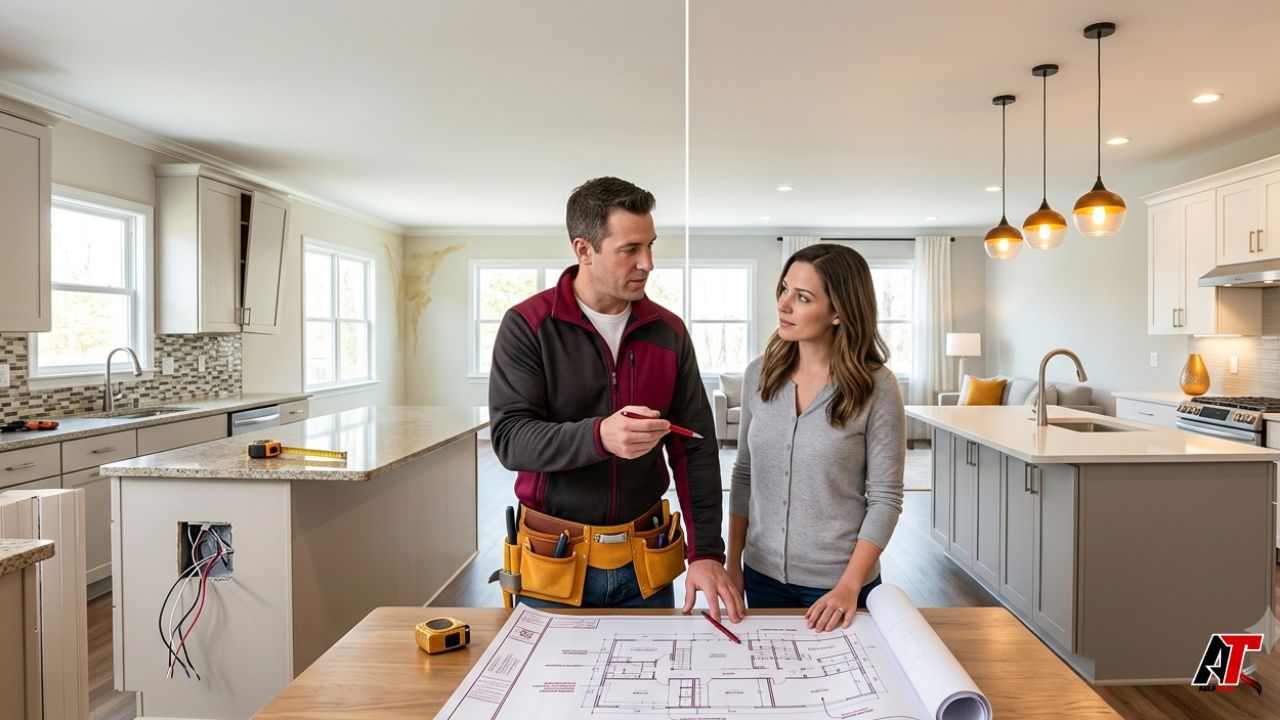
A renovation can make a home more comfortable, attractive, and functional. It can also reduce buyer interest, create appraisal problems, or force a future owner to spend money correcting the work. The difference usually comes down to planning. Improvements add value when they solve real problems, fit the property and neighborhood, meet building requirements, and appeal to more than one household.
The biggest misconception is that every dollar spent becomes a dollar of property value. It does not. The National Association of REALTORS® evaluates remodeling projects by cost recovery, buyer demand, and homeowner satisfaction because each project performs differently at resale. A beautiful renovation can still be a weak investment if it is too personal, badly executed, difficult to maintain, or unsupported by permits and records.
Below are the most common renovation mistakes that lower property value, along with practical ways to avoid them.
1. Renovating Without a Clear Value Strategy
Starting with finishes instead of a plan is an expensive mistake. Homeowners sometimes choose cabinets, tile, appliances, or fixtures before deciding what the project must accomplish. That can lead to overspending on visible details while essential problems—such as an aging roof, poor drainage, damaged wiring, or inadequate ventilation—remain unresolved.
Begin with three questions: What problem does this renovation solve? Who will benefit from it? How does it compare with similar homes nearby? If resale is likely within a few years, prioritize condition, function, durability, and broad appeal. A real estate professional or local appraiser can also explain which features buyers expect in your price range.
2. Skipping Permits and Inspections
Unpermitted work can create serious trouble during a sale. Buyers may worry about hidden structural, electrical, plumbing, or fire-safety defects. An appraiser may hesitate to treat an unapproved conversion as legal living space, while a lender or insurer may request additional documentation. The owner may eventually need to open walls, obtain retroactive approval, pay penalties, or reverse the work.
Permit requirements vary by location and scope. In Bellevue, for example, structural remodeling can include moving a load-bearing wall, replacing it with a beam, enlarging a window or door opening, or converting an unfinished garage or basement into conditioned living space. The city explains that remodel permits can also cover related electrical, mechanical, and plumbing work. Always confirm requirements before demolition begins.
3. Choosing Poor Workmanship to Save Money
Crooked tile, uneven floors, weak drywall repairs, careless trim, leaking fixtures, and amateur electrical work do more than look unattractive. They make buyers question what they cannot see. Once a home gives the impression of careless construction, inspectors and buyers often examine every room more critically.
Low bids are not automatically bad, but unexplained price differences deserve attention. Obtain detailed written estimates, compare materials and scope, verify the contractor, and connect payments to completed milestones. Washington homeowners can use the state Department of Labor & Industries verification tool to check registration, bond and insurance status, safety citations, and other information.
4. Over-Personalizing Permanent Features
Bold paint is easy to change. A highly unusual floor plan, themed bathroom, custom mosaic, built-in aquarium, or extreme color scheme is not. Permanent features with narrow appeal can make buyers calculate removal costs before they notice the rest of the home.
Personal style is not the enemy. The safer approach is to express it through lighting, furniture, artwork, and replaceable finishes while keeping expensive fixed elements adaptable. Kitchens and bathrooms generally benefit from coherent materials, practical storage, and colors that work with several design styles.
5. Removing Bedrooms, Closets, or Everyday Function
A larger primary suite may feel luxurious, but combining two bedrooms can reduce the number of buyers who consider the property. The same problem occurs when homeowners remove closets, eliminate a bathtub from the only family bathroom, or convert a garage without considering parking and storage expectations.
Square footage matters, but useful square footage matters more. Before removing a functional room or feature, compare the home with nearby listings and think about families, remote workers, older residents, and future owners. Where possible, use reversible solutions such as modular storage, pocket doors, or a flexible office that can still function as a bedroom.
6. Creating an Awkward or Impractical Layout
Open-concept remodeling can improve light and movement, yet removing walls without a complete space plan may create noise, poor furniture placement, visible kitchen clutter, and a lack of privacy. A badly located island can interrupt circulation. A bathroom door that faces a dining area or a refrigerator that blocks a walkway can make a new interior feel less functional than the old one.
Plan circulation before selecting finishes. Test door swings, appliance clearances, seating areas, storage access, and natural walking paths on a scaled drawing. Structural changes should be reviewed by qualified professionals, not treated as a cosmetic decision.
7. Over-Improving for the Neighborhood
A home can become too expensive for its immediate market. Installing ultra-luxury materials, building an oversized addition, or creating a level of specification far beyond nearby properties may deliver personal enjoyment, but the local comparable sales may not support the full cost.
This does not mean every home must look identical. It means the scale and quality of the improvement should make sense for the property. A balanced renovation improves the house without turning it into an outlier that buyers cannot easily compare or finance.
8. Using Cheap Materials in High-Wear Areas
False economy is another value killer. Low-grade flooring in a busy entry, fragile hardware in a family kitchen, poorly sealed countertops, or unsuitable paint in a humid bathroom can deteriorate quickly. Buyers notice swollen edges, peeling surfaces, loose handles, and repairs that already look tired.
Spend strategically rather than extravagantly. Durability matters most on floors, cabinets, counters, plumbing fixtures, exterior components, and other heavily used surfaces. Mid-range materials installed correctly often create more confidence than premium products installed poorly.
9. Ignoring Water, Structure, and Building Systems
Cosmetic work should never hide active damage. Painting over stains, flooring over moisture, enclosing a damp basement, or installing cabinets before repairing a leak can trap a larger problem behind new finishes. Roof defects, drainage failures, foundation movement, unsafe wiring, old supply lines, and inadequate ventilation can quickly erase the value of a stylish room.
Inspect before you decorate. Correct the source of moisture, verify that structural concerns are stable, and evaluate major systems early in the design process. Buyers and inspectors generally forgive dated finishes more readily than unresolved water intrusion or safety concerns.
10. Mishandling Older-Home Hazards
Renovating an older property requires additional care. The U.S. Environmental Protection Agency warns that work disturbing painted surfaces in pre-1978 homes can create hazardous lead dust. Paid contractors performing covered work generally must follow lead-safe certification and work-practice requirements.
Do not begin aggressive sanding or demolition simply because a room looks outdated. Identify the home’s age, test where appropriate, and hire properly qualified professionals for lead, asbestos, electrical, or structural risks. Safe containment and cleanup protect occupants and prevent contamination from spreading into finished areas.
11. Ignoring Energy, Ventilation, and Comfort
A remodel may look modern but still feel uncomfortable. Oversized windows without shading, inadequate bathroom exhaust, poorly planned heating and cooling, air leaks, and insufficient insulation can produce hot rooms, condensation, odors, or high utility bills.
Coordinate the architectural design with mechanical performance. Kitchen exhaust should be appropriately vented, bathrooms need effective moisture control, and additions must be integrated with the home’s heating and cooling capacity. Comfort is a value feature because buyers experience it immediately during a showing.
12. Neglecting Exterior Appearance and Drainage
An expensive interior cannot fully compensate for peeling exterior paint, damaged gutters, unsafe steps, standing water, overgrown landscaping, or a neglected entry. Poor curb appeal shapes a buyer’s expectations before the door opens, while drainage problems suggest future repair costs.
Exterior improvements should prioritize safety and water management first. Repair trip hazards, direct water away from the foundation, maintain roofing and gutters, improve lighting, and keep landscaping proportional to the site. A clean, well-maintained exterior often communicates quality more effectively than a dramatic but impractical feature.
13. Mixing Too Many Styles and Finishes
Renovations completed room by room can become visually fragmented. Several flooring types, mismatched metal finishes, inconsistent trim, and abrupt changes in cabinet style make the home feel smaller and less intentional.
Create a simple whole-house palette before making individual purchases. Repeating a limited set of materials, colors, and architectural details produces continuity. Existing character does not need to be erased; thoughtful updates can preserve original craftsmanship while improving function.
14. Hiring the Wrong Contractor or Using a Weak Contract
A good design can still fail through poor project management. The Federal Trade Commission advises homeowners to be cautious of contractors who demand full payment upfront, pressure them to decide immediately, accept only cash, or ask the homeowner to obtain required permits. A vague estimate also makes disputes more likely.
A strong written agreement should define the scope, materials, allowances, payment schedule, estimated dates, change-order process, cleanup, warranties, and permit responsibility. Homeowners considering residential remodeling in Bellevue, WA should still compare proposals, verify current credentials, inspect relevant past work, and confirm that the final contract matches every verbal promise.
A Better Pre-Renovation Checklist
- Define the goal. Separate comfort upgrades from resale-driven improvements.
- Study nearby homes. Compare size, room count, finishes, parking, and buyer expectations.
- Inspect first. Identify moisture, structural, roofing, electrical, plumbing, and ventilation issues.
- Confirm permits. Check local requirements before ordering materials or starting demolition.
- Verify professionals. Review registration, insurance, bond status, references, and relevant experience.
- Get detailed bids. Compare the same scope rather than choosing by total price alone.
- Protect flexibility. Avoid permanent changes that remove broadly useful rooms or storage.
- Document the work. Keep permits, inspections, plans, invoices, warranties, and product information.
- Maintain a contingency. Unexpected conditions are common once walls and floors are opened.
Frequently Asked Questions
Do all renovations increase home value?
No. Some renovations improve enjoyment but recover only part of their cost at resale. Others can reduce marketability if they are unpermitted, poorly built, unusually personal, or inconsistent with the neighborhood.
Can an unpermitted remodel stop a home sale?
It may not automatically stop every sale, but it can delay negotiations, reduce buyer confidence, complicate financing or insurance, and lead to requests for permits, corrections, or price reductions.
Is DIY remodeling always bad for property value?
No. Careful cosmetic work can be successful. The risk rises when DIY work involves structure, electrical systems, plumbing, waterproofing, hazardous materials, or finishes that require professional skill.
What should homeowners renovate first?
Start with safety, water control, structural stability, roofing, and essential systems. Then improve function, maintenance, energy performance, and appearance. The best order prevents new finishes from being damaged by unresolved problems.
Final Thoughts
The renovations most likely to protect property value are not always the most dramatic. They are legal, durable, well planned, properly documented, and easy for future owners to understand. They improve the home’s condition and function without sacrificing useful rooms, creating excessive maintenance, or pricing the property beyond its surroundings.
Treat every major project as both a lifestyle decision and a long-term asset decision. Resolve hidden defects before decorating, choose professionals carefully, and make permanent changes only after considering resale. For more homeowner guides and practical planning resources, visit aelftech.com.
Leave a Reply