
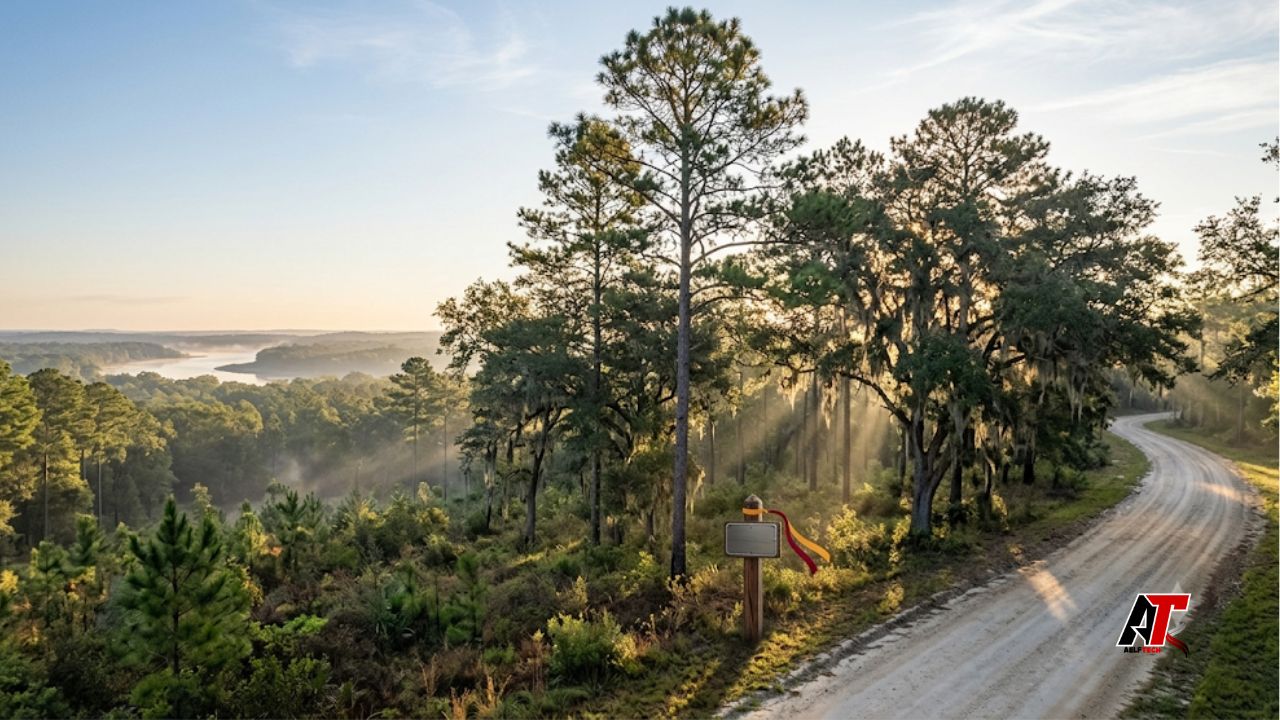
Florida land buyers often begin their search near the coast, Orlando, Tampa, or the fast-growing suburbs around Jacksonville. Then the numbers, traffic, competition, and development pressure push them to look again. That second search is increasingly bringing attention to land for sale in Putnam County Florida, a north-central market where small residential lots, wooded acreage, rural homesites, and owner-financed properties can still feel approachable.
The appeal is not based on one dramatic boom. It is a quieter combination of location, lifestyle, lower entry points, and flexibility. Putnam County sits within reach of larger Northeast and Central Florida markets while keeping a more rural identity. Buyers may be looking for a future homesite, a manufactured-home lot, recreational space, a long-term hold, or simply a piece of Florida they can own without taking on a large mortgage.
This practical guide from aelftech.com is designed to help buyers understand both the opportunity and the due diligence required before signing a contract.
Why Putnam County Is Showing Up on More Buyer Shortlists
Putnam County is easy to overlook on a statewide map, and that is part of its attraction. The county is anchored by Palatka and includes communities such as Interlachen, Crescent City, Florahome, Welaka, and Pomona Park. The area offers a mix of established neighborhoods, older platted subdivisions, lake-country parcels, agricultural land, and wooded rural tracts.
Regional development organizations describe Putnam as centrally positioned with access to major Florida markets and transportation corridors. For land buyers, that can mean quieter surroundings without complete isolation, although convenience depends on the parcel’s exact location.
1. The Entry Price Can Be More Approachable
The first reason buyers look north-central is usually budget. In many coastal and metropolitan counties, even an unimproved lot can carry a price that makes a cash purchase difficult. Putnam County still has pockets where small parcels and undeveloped tracts are marketed at lower entry points. That can open the door for first-time land buyers, retirees, remote workers, small investors, and families planning several years ahead.
However, a low asking price should be treated as the beginning of the analysis, not the conclusion. Cheap land may lack legal access, require clearing or fill, sit far from power, have title complications, or fail a septic evaluation. A $7,000 parcel that needs $25,000 of site preparation is not truly a $7,000 project. Buyers should compare total usability cost rather than listing price alone.
2. Buyers Can Choose from Several Land-Use Goals
Putnam County attracts different buyer profiles because the inventory is not limited to one property type. Some people want a modest homesite near Interlachen or Palatka. Others want acreage for privacy, gardening, equipment storage, or a future homestead. Recreational buyers may value access to lakes, the St. Johns River, boating, fishing, and natural surroundings. Investors may prefer inexpensive lots they can hold while nearby roads and neighborhoods gradually improve.
This variety matters because land must match a specific plan. A parcel suitable for long-term holding may not have the access, elevation, or utilities required for immediate construction. The best purchase is the one whose legal and physical characteristics fit the buyer’s intended use.
3. Quiet Location Does Not Mean Disconnected
Putnam County’s position between larger Florida markets gives it a practical geographic advantage. Palatka functions as the county’s service and employment center, while road connections place parts of the county within driving range of Jacksonville, Gainesville, St. Augustine, Daytona Beach, and Ocala. Travel times vary widely, so buyers should map the actual parcel rather than relying on a general county description.
For people who do not need a daily downtown commute, this can be a useful compromise: more space and a slower pace, with regional services and employment still reachable. That can appeal to hybrid workers, tradespeople, retirees, and budget-conscious Florida buyers.
4. Owner Financing Can Lower the Barrier to Ownership
Vacant land loans can be harder to obtain than conventional home mortgages. Banks may require larger down payments, shorter terms, stronger credit, or detailed development plans. As a result, owner financing is common in the small-lot market. It can let buyers purchase with a manageable down payment and monthly installments rather than waiting to save the full cash price.
Buyers can review current local examples through Putnam County Lands, where available listings and financing terms can be reviewed before contacting the seller.
Owner financing is convenient, but the contract deserves the same attention as a bank loan. Confirm the purchase price, interest rate, payment schedule, late fees, prepayment terms, closing costs, default provisions, and the point at which the deed transfers. Ask whether taxes are included in the payment and whether the seller has marketable title. A real-estate attorney or title company can review the agreement before money changes hands.
5. The Natural Setting Supports a Different Florida Lifestyle
Putnam County offers a side of Florida that is less about high-rise beaches and more about rivers, lakes, pine woods, oak canopies, fishing, boating, and open space. That environment is attractive to buyers who want privacy or outdoor access. It also creates responsibilities that do not appear in a polished listing photo.
Wetlands, drainage, soil, wildfire exposure, and storm access can affect whether a parcel is practical. A scenic lake-area or wooded lot may also have clearing costs, setbacks, flood concerns, or environmental restrictions. Natural beauty adds value only when the land can safely and legally support the intended use.
What to Verify Before Buying Land in Putnam County
The county’s Planning and Zoning Division makes an important point: not every parcel is eligible for a building permit. Buyers should never assume that a recorded lot is automatically buildable. The following checks help separate a usable property from a costly problem.
Zoning and Future Land Use
Verify the parcel’s zoning district and future land-use designation. These rules influence permitted homes, manufactured housing, agricultural activities, accessory structures, setbacks, minimum lot size, subdivision options, and commercial uses. A seller’s statement that “mobile homes are allowed” is not enough. Confirm the rule for that exact parcel and ask whether any variance, special-use approval, or lot inquiry is required.
Legal Access and Road Conditions
A parcel should have legal access, not merely a visible trail or an informal route used by neighbors. Review the deed, plat, easements, and road status. Determine whether the road is public, private, county-maintained, association-maintained, or effectively unmaintained. Visit after rain if possible. Sandy roads, standing water, narrow rights-of-way, and damaged culverts can change the real cost of reaching the property.
Flood Zone, Wetlands, Elevation, and Drainage
Check FEMA flood information, county floodplain resources, wetland indicators, and the property’s actual ground conditions. A parcel outside a mapped high-risk flood zone can still hold water because of low elevation, poor drainage, or blocked ditches. Online maps are screening tools, not substitutes for a survey, elevation review, environmental assessment, or site visit. Buyers planning construction may also need to understand fill requirements and flood-resistant building rules.
Power, Water, Septic, and Internet
“Utilities nearby” can mean a power line is visible, not that connection is simple or inexpensive. Ask the serving utility for a written estimate when possible. If public water and sewer are unavailable, investigate well and septic feasibility. Soil, lot dimensions, setbacks, neighboring wells, and wet areas can affect septic approval. Remote workers should also verify internet service at the parcel address instead of relying on a general coverage map.
Survey, Boundaries, Easements, and Title
Old subdivision maps and online parcel lines can be inaccurate. A boundary survey helps identify corners, encroachments, easements, road rights-of-way, and usable dimensions. A title search can reveal liens, unpaid taxes, probate issues, ownership gaps, deed restrictions, and other claims. Title insurance may be worthwhile even on a low-cost lot because fixing a defective title can cost more than the land itself.
Taxes, Assessments, and Ongoing Costs
Review the current tax bill and ask about non-ad valorem assessments, road maintenance charges, association fees, mowing, trash service, security, and insurance. Florida property taxes become delinquent if unpaid, and tax certificates can create liens against a parcel. A clean closing should account for current and prior obligations rather than assuming a small annual tax bill means there are no issues.
A Smarter Way to Compare Putnam County Listings
Instead of comparing lots by price per acre alone, create a simple usability score. Give each property a rating for legal access, zoning fit, buildability, flood and wetland risk, utility cost, road quality, title clarity, neighborhood condition, distance to services, and total project budget. This makes it easier to see why a slightly more expensive parcel may be the better deal.
A cleared lot on a maintained road with power and confirmed zoning may offer more value than a cheaper wooded parcel with uncertain access. Acquisition price matters less than the total cost of making land usable.
Step-by-Step Buying Process
Start by defining the purpose of the land and the maximum all-in budget. Then identify several parcels, pull the Property Appraiser record, review the deed and tax status, and map the route. Contact county planning staff with the parcel number and specific questions about the intended use. Visit the site, preferably with someone experienced in land, construction, septic, or surveying.
Make the offer contingent on the checks that matter most, including title, survey, access, zoning, and environmental or septic review. Use a title company or attorney for closing. Afterward, secure the deed, update the mailing address, mark boundaries responsibly, and plan ongoing maintenance.
Who Is Putnam County Land Best For?
Putnam County may suit buyers who value affordability, patience, privacy, and practical access more than instant development or luxury amenities. It can work well for a future homesite, manufactured-home plan, retirement base, recreational property, family land strategy, or long-term hold. It may be less suitable for someone expecting immediate urban appreciation, guaranteed rental demand, fully serviced utilities, or effortless resale.
The key word is fit. Highly usable parcels and seriously limited parcels can exist in the same subdivision. Buyers who verify the fundamentals may find genuine opportunity; those who purchase from photos and monthly-payment advertising alone may inherit a problem.
Frequently Asked Questions
Is land in Putnam County Florida a good investment?
It can be, but value depends on location, legal access, zoning, buildability, utilities, title quality, and holding period. Land should be evaluated parcel by parcel rather than treated as a guaranteed investment.
Can I put a mobile home on any lot?
No. Putnam County allows mobile homes in certain zoning districts, but the parcel must also meet lot, access, setback, septic, floodplain, and permitting requirements. Confirm eligibility with the county before buying.
Can I live in an RV on vacant land?
Do not assume permanent RV occupancy is allowed. Temporary occupancy may require a permit and specific circumstances. Ask Planning and Zoning about the exact parcel and proposed use.
Do I need a survey for inexpensive land?
A survey is strongly recommended when boundaries, access, easements, improvements, or construction plans matter. Low purchase price does not eliminate boundary or title risk.
What is the biggest mistake buyers make?
The most common mistake is purchasing based on price and photos without confirming buildability, access, flood or wetland conditions, utilities, title, and the total cost of development.
Final Thoughts
Buyers are quietly heading toward Putnam County because it offers something increasingly difficult to find in Florida: a realistic path to land ownership within reach of major regional markets. The county’s rural character, natural setting, varied parcel types, and owner-financing options can create real opportunity for buyers with clear goals.
Still, affordable does not automatically mean buildable, and available does not automatically mean suitable. The strongest purchase is supported by zoning confirmation, legal access, flood and wetland checks, utility research, a survey, and clean title. Approach the search with patience and a complete budget, and land for sale in Putnam County Florida can become more than an inexpensive listing—it can become a practical long-term asset.
Leave a Reply