
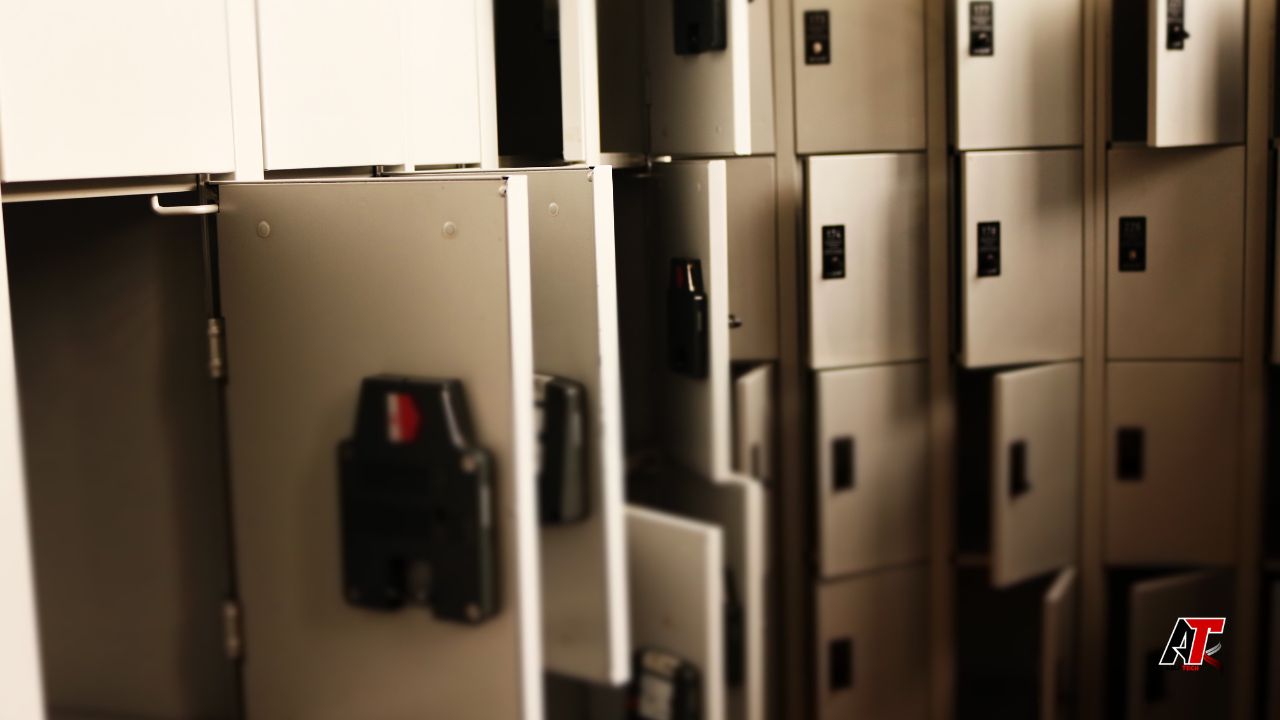
As workplaces continue to evolve with hybrid work models and flexible office environments, businesses are seeking innovative ways to improve security, streamline operations, and enhance employee experiences. A Smart Locker System for Workplaces has become an increasingly popular solution for managing personal belongings, company assets, package deliveries, and shared equipment. By replacing traditional lockers with intelligent, connected storage systems, organizations can improve workplace efficiency while providing employees with secure and convenient access to their items.
Modern smart locker solutions combine cloud technology, mobile access, and automated management tools, making them suitable for offices, coworking spaces, healthcare facilities, educational institutions, manufacturing plants, and corporate campuses.
What Is a Smart Locker System for Workplaces?
A smart locker system is a digitally managed storage solution that allows users to securely access lockers using technologies such as mobile applications, PIN codes, RFID cards, QR codes, or biometric authentication.
Unlike traditional lockers that rely on physical keys or combination locks, smart lockers are connected to centralized management software, enabling administrators to monitor usage, assign lockers remotely, and generate real-time reports.
These systems simplify locker management while improving security and operational visibility.
How Smart Locker Systems Work
Smart locker systems use a combination of hardware and cloud-based software to automate access and management.
A typical workflow includes:
- An employee is assigned a locker through the management platform.
- The user receives access credentials via a mobile app, PIN, access card, or QR code.
- The locker unlocks automatically upon successful authentication.
- The system records access activity.
- Administrators can monitor locker usage through an online dashboard.
This automated process eliminates many of the administrative challenges associated with traditional locker management.
Benefits of Smart Locker Systems in the Workplace
Enhanced Security
Protecting employee belongings and company assets is a top priority for modern organizations.
Smart locker systems improve security through features such as:
- Individual user authentication
- Digital access records
- Remote access management
- Automatic locking
- Role-based permissions
Many systems also provide administrators with detailed access logs for improved accountability.
Supports Hybrid Work Environments
As more businesses adopt flexible working arrangements, permanently assigned lockers may no longer be practical.
Smart locker systems allow employees to reserve lockers only when needed, making better use of available storage space while supporting desk-sharing and hybrid work models.
Improved Employee Experience
Employees benefit from secure and convenient storage that can often be accessed using devices they already carry, such as smartphones or employee ID cards.
The ability to reserve lockers in advance and access them quickly contributes to a more efficient workplace experience.
Efficient Asset Management
Organizations frequently store shared equipment such as:
- Laptops
- Tablets
- Mobile phones
- Tools
- Safety equipment
- Documents
Smart lockers help track these assets, reducing the risk of loss while improving equipment availability.
Reduced Administrative Work
Traditional locker management often involves distributing keys, replacing lost keys, and manually assigning lockers.
Smart systems automate these processes, allowing facility managers to manage lockers remotely while reducing administrative overhead.
Common Applications
Smart locker systems can be used across a wide variety of workplace environments.
Corporate Offices
Businesses use smart lockers to provide secure storage for employees while supporting hybrid and flexible work arrangements.
Healthcare Facilities
Hospitals and medical centers use smart lockers to securely store medical equipment, staff belongings, and sensitive supplies.
Manufacturing
Manufacturing facilities often store tools, personal protective equipment (PPE), handheld devices, and production equipment in smart lockers.
Educational Institutions
Universities and schools use smart lockers for students, faculty, package collection, and shared equipment management.
Logistics and Distribution
Distribution centers use locker systems to manage handheld scanners, delivery equipment, and employee assets efficiently.
Key Features to Look For
When selecting a smart locker system for workplaces, businesses should evaluate the following features.
Mobile App Integration
Mobile applications allow users to:
- Reserve lockers
- Unlock lockers
- Receive notifications
- View locker assignments
This simplifies access while reducing dependence on physical keys.
Cloud-Based Management
Cloud platforms allow administrators to manage lockers remotely through a centralized dashboard.
Features may include:
- User management
- Locker allocation
- Access reports
- System monitoring
- Usage analytics
Multiple Authentication Methods
Modern systems often support several access options, including:
- PIN codes
- RFID cards
- QR codes
- Mobile credentials
- Biometric authentication
Flexible authentication improves both convenience and security.
Real-Time Monitoring
Administrators can monitor locker availability, usage patterns, and access events in real time.
This information supports better resource planning and operational management.
Why Businesses Are Investing in Smart Locker Technology
Organizations are increasingly adopting workplace automation technologies to improve operational efficiency.
Smart locker systems support this objective by:
- Optimizing office space
- Reducing manual administration
- Improving employee satisfaction
- Increasing security
- Supporting flexible workplace strategies
- Enhancing asset accountability
These benefits make smart lockers an attractive investment for modern organizations.
Best Practices for Implementation
To maximize the value of a smart locker system:
- Assess workplace storage requirements.
- Select scalable hardware.
- Train employees on system usage.
- Establish access policies.
- Monitor system performance.
- Review locker utilization regularly.
- Maintain software updates.
Proper planning helps ensure successful implementation and long-term system performance.
Future Trends in Workplace Smart Lockers
Smart locker technology continues to evolve alongside workplace innovation.
Emerging trends include:
- AI-powered usage analytics
- Internet of Things (IoT) connectivity
- Contactless access
- Facial recognition
- Predictive maintenance
- Integration with workplace management platforms
- Sustainability-focused energy management
These advancements are expected to make workplace storage systems even more intelligent and efficient.
Frequently Asked Questions
What is a smart locker system for workplaces?
A smart locker system is a digitally managed storage solution that allows employees and authorized users to access lockers using technologies such as mobile apps, PIN codes, RFID cards, or biometric authentication.
How do smart lockers improve workplace security?
Smart lockers provide secure authentication, digital access records, remote management, and automatic locking features that help protect personal belongings and company assets.
Are smart locker systems suitable for hybrid offices?
Yes. Smart lockers are particularly useful for hybrid work environments because employees can reserve lockers when they are in the office rather than having permanently assigned storage.
Can smart lockers manage company equipment?
Yes. Many organizations use smart lockers to securely store laptops, tablets, mobile devices, tools, documents, and other shared business assets.
What should businesses consider before installing smart lockers?
Businesses should evaluate storage requirements, authentication methods, cloud management capabilities, scalability, reporting features, user experience, and integration with existing workplace systems.
Conclusion
A smart locker system for workplaces is more than just a secure storage solution—it is an investment in workplace efficiency, employee convenience, and modern office management. By automating locker assignments, strengthening security, supporting hybrid work models, and improving asset management, smart lockers help organizations create more flexible and productive work environments. As workplace technology continues to advance, businesses that adopt intelligent storage solutions will be better positioned to support evolving employee needs while optimizing operational performance.
Leave a Reply