

When an ex-spouse stops paying child support, the consequences can affect far more than household finances. Missed payments may create difficulties covering housing, food, childcare, education, healthcare, and other everyday expenses. For the parent expecting support, understanding the available legal options is essential to protecting the child’s financial interests and responding appropriately to unpaid obligations.
Unpaid alimony can create similar financial uncertainty, although child support and spousal support operate under different legal rules. The consequences of missed payments depend on the court order, applicable jurisdiction, and individual circumstances. Knowing how enforcement works, what evidence to collect, and when to seek legal assistance can help families address nonpayment without creating additional legal problems.
Understanding Child Support and Alimony Obligations
Child support and alimony are financial obligations that may arise following separation or divorce. Although both involve payments between former partners or parents, they serve different purposes and follow different legal requirements.
Paying child support generally involves contributing financially toward a child’s needs. Alimony, also called spousal support or spousal maintenance in some jurisdictions, is intended to provide financial assistance to a former spouse when ordered or agreed under applicable law.
What Is Child Support?
Child support is a financial obligation intended to help meet a child’s reasonable needs. Depending on the jurisdiction, calculations may consider parental income, parenting arrangements, healthcare expenses, childcare costs, and other relevant factors.
The responsibility for paying child support usually continues according to the applicable order until it ends or is legally modified. A parent cannot ordinarily cancel a court-ordered obligation simply because their circumstances or relationship with the other parent have changed.
What Is Alimony?
Alimony is financial support that one spouse may be required to provide to another during or after separation or divorce. Eligibility, payment amounts, duration, and modification rules vary considerably between jurisdictions.
Unlike child support, alimony generally focuses on financial circumstances involving the spouses. Courts may consider factors such as income, earning capacity, marriage duration, and other legally relevant circumstances.
Why the Difference Matters
Child support and alimony may be enforced through different procedures. Certain enforcement remedies available for child support may not apply to every spousal support obligation.
Parents dealing with unpaid support should identify exactly what the court order requires. Understanding the distinction helps prevent mistakes when seeking enforcement or requesting changes.
Why Paying Child Support Is a Legal Responsibility
Child support is generally established through a court order or an enforceable administrative arrangement. Once an obligation becomes legally binding, the responsible parent must follow its terms unless the order is changed through an authorized process.
Paying child support is not simply a voluntary contribution based on whether the parents currently get along. The obligation concerns the child’s financial support and remains subject to applicable law.
Child Support Orders Are Enforceable
A valid child support order normally specifies the amount due, payment frequency, and other relevant obligations. Some orders also address medical insurance or additional child-related expenses.
A parent who stops paying child support without obtaining a lawful modification may accumulate unpaid amounts. Enforcement authorities or courts may then take action according to local requirements.
Personal Disagreements Do Not Automatically Change Payments
Arguments about parenting schedules, communication, or a former partner’s behavior generally do not authorize unilateral changes to support payments. Parenting time and financial support are related areas of family law, but they involve distinct legal responsibilities.
Parents should address disagreements through the appropriate legal process. Withholding financial support as leverage can create additional complications.
What Happens When an Ex-Spouse Stops Paying Child Support?
Failure to make required payments can result in unpaid child support accumulating over time. These unpaid amounts are often called arrears.
The consequences depend on the applicable order, enforcement rules, and financial circumstances. In some cases, missed payments may lead to administrative enforcement, court proceedings, or other legal remedies.
Child Support Arrears Can Accumulate
When a required payment is missed, the unpaid amount may become part of an outstanding balance. Additional missed payments can increase the debt.
In some jurisdictions, interest or other legally authorized charges may apply. Parents should obtain an accurate payment history rather than calculating penalties from assumptions.
Enforcement May Begin
Child support enforcement agencies may have authority to pursue unpaid obligations. Available measures can include income withholding, collection of certain funds, or other remedies permitted by law.
The process varies between states and countries. A parent seeking enforcement should contact the agency or court responsible for the existing order.
Court Action May Become Necessary
Some cases require judicial involvement, particularly when there are disputes about payment amounts, compliance, or available enforcement remedies. Courts may examine evidence and determine the appropriate legal response.
Parents should avoid assuming every missed payment automatically results in imprisonment. Enforcement outcomes depend on specific legal requirements and facts.
Common Reasons Parents Stop Paying Child Support
Missed support payments can occur for different reasons. Some parents deliberately avoid obligations, while others experience genuine financial difficulties or administrative problems.
Understanding the reason can help determine an appropriate response. However, financial hardship does not automatically cancel a legally enforceable order.
Job Loss or Reduced Income
Unemployment can make existing payment amounts difficult to maintain. A parent may experience a substantial reduction in income after losing employment or changing jobs.
Rather than simply stopping payments, the parent should investigate whether a support modification is available. Courts generally require appropriate evidence before changing an existing obligation.
Financial Emergencies
Medical expenses, disability, or other unexpected financial problems may affect the ability to make payments. These circumstances may be relevant to a modification request.
However, the parent remains responsible for following the current order unless it is legally changed. Delaying action can allow arrears to increase.
Deliberate Payment Avoidance
Some parents may attempt to conceal income, change employment arrangements, or avoid communication to escape support obligations. Such conduct can complicate enforcement proceedings.
Authorities may have access to financial and employment information through lawful procedures. Allegations of hidden income should be supported by credible evidence.
Administrative Errors
Payments can occasionally be delayed or incorrectly recorded because of processing problems. A parent may have paid through an approved channel without the receiving system immediately reflecting the transaction.
Before alleging deliberate nonpayment, review the official payment history. Documentation can help distinguish an administrative error from an unpaid obligation.
How to Confirm Whether Child Support Payments Are Missing

Accurate documentation is essential before taking enforcement action. Parents should compare the court order with the actual payment record.
If an ex-spouse is not paying child support as required, the receiving parent should identify the amount outstanding and the dates of missed payments. Official records are generally more reliable than estimates based on memory.
Review the Support Order
Begin by checking the payment amount, frequency, effective date, and any modifications. Additional provisions may cover medical insurance or other expenses.
An outdated order may not reflect the current obligation. Make sure the document being used is the latest legally effective version.
Obtain an Official Payment History
Many jurisdictions provide records through child support agencies or court systems. These records can show payments received and outstanding balances.
Parents should retain copies of relevant documents. An official payment ledger may be useful if enforcement proceedings become necessary.
Keep Financial Records
Bank statements, payment confirmations, correspondence, and other documents can help establish the payment history. Organized records reduce confusion during disputes.
Avoid altering documents or relying on incomplete screenshots. Clear evidence makes it easier for legal professionals to understand the situation.
Legal Options When Child Support Is Not Paid
Parents may have several enforcement options when required payments are missed. The appropriate approach depends on the jurisdiction and whether the support order is already being administered by an enforcement agency.
The objective is to secure lawful compliance with the existing obligation. Enforcement procedures should not be used to threaten or harass the other parent.
Contact the Child Support Enforcement Agency
In the United States, state and tribal child support programs administer many support cases. These agencies may help locate parents, establish obligations, collect payments, and enforce existing orders.
A parent whose former partner has stopped paying child support can contact the relevant agency to ask about available services. Eligibility and procedures depend on the case.
Request Court Enforcement
Where agency enforcement is unavailable or insufficient, court proceedings may be appropriate. A family law attorney can explain which applications are available.
The court may review payment records and other evidence. Remedies depend on the governing law and the circumstances surrounding nonpayment.
Consider Legal Representation
Legal assistance can be valuable when arrears are substantial, the other parent has relocated, or financial information is disputed. Complex enforcement cases may involve several legal procedures.
An attorney can help identify available remedies and explain their limitations. Professional advice may also reduce the risk of filing an incorrect application.
Wage Garnishment and Income Withholding
Income withholding is a common child support collection method in the United States. Under an applicable order, an employer may be required to deduct support from the paying parent’s earnings.
This process can make paying child support more consistent when the parent receives regular wages. However, withholding amounts and procedures must comply with applicable law.
How Income Withholding Works
An authorized agency or court sends instructions requiring an employer to withhold specified amounts. The employer then sends payments through the appropriate system.
The exact process depends on the order and jurisdiction. Employers must follow applicable withholding requirements rather than independently deciding how much to deduct.
What if the Parent Is Self-Employed?
Self-employment can make income collection more complicated because there may be no conventional employer processing wages. Authorities may need additional financial information.
A court can consider appropriate evidence of earnings and resources. Self-employment does not automatically eliminate child support obligations.
Tax Refund Interception and Other Collection Methods
Certain unpaid child support obligations may qualify for collection through tax refund offsets or other authorized mechanisms. In the United States, federal and state programs can apply specific eligibility rules.
These remedies are not available in every case. Parents should confirm current requirements with the responsible agency.
Federal Tax Refund Offsets
The U.S. Treasury Offset Program can redirect certain federal payments, including eligible tax refunds, toward qualifying debts. Past-due child support may qualify when statutory and administrative conditions are satisfied.
The amount and timing depend on the case. Parents should not assume that every tax refund will automatically be intercepted.
State-Level Enforcement
States may have additional collection tools, including certain liens, administrative offsets, or other lawful remedies. Requirements and exemptions vary.
A child support agency can explain which options apply. Legal advice may be useful when property rights or substantial assets are involved.
License Suspension for Unpaid Child Support
Some jurisdictions permit suspension or restriction of certain licenses when support obligations remain unpaid. These can include driving, professional, or recreational licenses, depending on local law.
License suspension is not automatic in every case. Procedures may involve notice, eligibility criteria, and opportunities to contest the action or arrange compliance.
Why License Suspension Requires Care
Suspending a driver’s license may create practical difficulties for a parent who needs transportation to work. Courts and agencies may therefore have procedures for payment arrangements or other relief.
The goal of enforcement is compliance with support obligations. Parents should investigate available options before ignoring official notices.
Can Someone Go to Jail for Not Paying Child Support?
In some circumstances, failure to comply with a child support order can lead to contempt proceedings or criminal enforcement. However, imprisonment is not an automatic consequence of missing payments.
The legal distinction between inability and unwillingness to pay can be important. Courts must follow applicable procedural protections before imposing certain sanctions.
Civil Contempt Proceedings
Civil contempt may be used when a person fails to comply with a court order and the legal requirements for contempt are satisfied. The court may examine whether the person has the present ability to comply.
Specific procedures and remedies vary by jurisdiction. A parent facing contempt allegations should seek legal advice promptly.
Criminal Nonpayment
Some jurisdictions also have criminal laws addressing particular forms of intentional support nonpayment. Federal law in the United States applies to certain qualifying interstate or international circumstances.
Criminal enforcement requires satisfaction of specific legal elements. Ordinary financial hardship should not be equated automatically with criminal conduct.
What Happens if Your Ex-Spouse Stops Paying Alimony?
Unpaid alimony can also lead to enforcement proceedings, but the available remedies depend on the governing law and the terms of the support order. Spousal support is not necessarily administered through the same mechanisms as child support.
A former spouse seeking payment should review the order and document the outstanding balance. Legal advice may be particularly useful when the obligation is disputed.
Alimony Arrears
Missed alimony payments may create an enforceable debt under applicable law. Whether interest or additional remedies apply depends on the jurisdiction and order.
The receiving spouse should maintain accurate financial records. Payments should be compared against the actual legal obligation.
Court Enforcement
Courts may have authority to enforce spousal support through available remedies. These can include certain financial orders or contempt procedures where legally appropriate.
An attorney can explain which remedies apply. Child support enforcement procedures should not automatically be assumed available for every alimony case.
Modification or Termination
Some alimony orders may be modified or terminated when legally relevant circumstances change. The rules can depend on the type of alimony, agreement terms, and jurisdiction.
A paying spouse should not unilaterally stop payments without confirming their legal position. A formal modification may be necessary.
Child Support and Alimony Are Not Interchangeable

Although both obligations involve financial support, their purposes and legal treatment differ. A parent may owe child support without owing alimony, or may have separate obligations for both.
Paying child support generally concerns the child’s needs, while alimony concerns support between spouses. Courts apply the relevant rules to each obligation.
Different Modification Standards
A change in income may affect child support and alimony differently. Courts may use separate legal standards when reviewing modification requests.
The existence of one support obligation does not automatically cancel another. Each order should be evaluated independently.
Different Enforcement Procedures
Some collection systems administer child support and certain spousal support payments together. Other alimony obligations may require separate court action.
The governing order and jurisdiction determine the available process. Parents should avoid relying on generalized advice that ignores these differences.
Can Child Support Payments Be Modified?
A parent experiencing a substantial financial change may be able to request modification of an existing support order. Eligibility depends on applicable law and the facts of the case.
Paying child support at a previously ordered amount can become difficult after job loss, disability, or another major change. However, modification generally requires a formal application or authorized administrative process.
Changes in Employment
A significant reduction in income may justify review of a support obligation. Courts may examine whether the change is genuine, substantial, and relevant under local law.
Voluntary unemployment or deliberate income reduction may be treated differently. A parent should provide accurate financial information.
Changes in Parenting Arrangements
Parenting schedules can influence child support calculations in some jurisdictions. A substantial change in the amount of time a child spends with each parent may be relevant.
However, an informal schedule change does not necessarily modify the existing payment order. The legal obligation should be reviewed through the appropriate process.
Changes in Medical or Childcare Expenses
Healthcare, childcare, and other qualifying expenses may affect support calculations. The relevant factors vary by jurisdiction.
Parents should retain documentation supporting any requested adjustment. Courts generally require more than unsupported estimates.
Why Parents Should Request Modifications Promptly
Waiting until unpaid support becomes substantial can create avoidable legal problems. In many jurisdictions, modification rules limit how far back a court can change obligations.
A parent struggling with paying child support should investigate available procedures as soon as the financial difficulty becomes clear. Filing promptly may be important even when a decision takes time.
Existing Arrears May Remain Payable
A later reduction in current support does not necessarily erase amounts that became due under an earlier order. Retroactive modification is restricted in many jurisdictions.
Parents should not assume that a successful modification will cancel all previous debt. The treatment of arrears requires specific legal analysis.
Documentation Supports a Modification Request
Relevant evidence may include employment records, income statements, medical documents, or other financial information. The required documentation depends on the reason for the request.
Accurate records help the court or agency evaluate the situation. Concealing income or providing misleading information can create additional legal consequences.
What if the Paying Parent Moves to Another State?
Relocation can make enforcement more complicated, but moving does not automatically end a valid support obligation. Interstate enforcement systems may allow agencies and courts to coordinate collection.
In the United States, the Uniform Interstate Family Support Act provides a framework for many interstate support matters. The application of its rules depends on the circumstances.
Interstate Enforcement
A parent living in one state may seek enforcement of an order involving a parent in another state. Agencies can coordinate through established legal procedures.
The original order may remain enforceable even when the paying parent relocates. Jurisdictional rules determine which authority can modify it.
Avoid Filing Conflicting Applications
Multiple states may have some involvement in a support case, but they do not necessarily have equal authority to change the order.
A family law attorney can help determine the proper forum. Incorrect filings may create delays and unnecessary expense.
International Child Support Enforcement
International relocation introduces additional legal complexity. Enforcement may depend on treaties, reciprocal arrangements, and the laws of the countries involved.
A parent who stops paying child support after moving abroad may still face enforcement, but the process can vary considerably. International recovery should not be treated as guaranteed.
International Cooperation
The United States participates in international child support arrangements, including the Hague Child Support Convention, with qualifying partner jurisdictions. These arrangements can assist with certain cross-border support cases.
However, not every country participates in the same system. Families should confirm the current legal framework for the countries involved.
Professional Assistance May Be Necessary
International support disputes can involve jurisdiction, recognition of orders, currency conversion, and document requirements. These issues may exceed ordinary domestic enforcement procedures.
An attorney experienced in international family support matters can explain realistic options. Early advice may help avoid procedural mistakes.
Can a Parent Refuse Visitation Because Child Support Is Unpaid?
Generally, a parent’s failure to pay child support does not automatically authorize the other parent to disregard a valid parenting-time order. Support and parenting arrangements involve separate legal duties.
Withholding contact as punishment for unpaid support may create legal problems. The appropriate response is to use lawful enforcement procedures.
Parenting Time Is Not a Payment Reward
A child should not be treated as leverage in a financial dispute. Courts generally evaluate parenting arrangements according to applicable child-welfare standards.
If genuine safety concerns exist, they should be addressed through appropriate legal channels. Financial nonpayment alone does not establish that contact is unsafe.
Support Obligations Usually Continue
A parent may remain responsible for paying child support even when disputes arise over parenting time. The existing order generally remains effective until properly modified.
Parents should document concerns and seek appropriate legal advice. Unilateral retaliation can complicate an already difficult situation.
Can a Paying Parent Stop Support if the Other Parent Blocks Visitation?
Denied parenting time can be distressing, but it does not ordinarily give the paying parent automatic authority to stop required support payments. The legal obligations should be addressed separately.
A parent should continue paying child support according to the existing order while pursuing appropriate remedies for parenting-time violations. Local laws may provide procedures for enforcing custody or visitation arrangements.
Keep Separate Records
Maintain documentation of support payments and parenting-time problems independently. This helps clarify which legal issues require attention.
A family law attorney can advise on appropriate applications. Combining unrelated disputes can make resolution more difficult.
What if Your Ex-Spouse Claims They Cannot Afford Support?
A claim of financial hardship should be evaluated using accurate information. The paying parent’s circumstances may have changed, but the existing legal obligation does not automatically disappear.
If someone stops paying child support because of reduced earnings, they should generally seek an authorized modification. The receiving parent may also request documentation through appropriate legal procedures.
Income Verification
Courts and enforcement agencies may examine employment records, tax information, bank statements, or other relevant evidence. The available procedures depend on the case.
Parents should avoid attempting unlawful access to private accounts. Financial information should be obtained through legitimate channels.
Voluntary Unemployment
Some courts may consider earning capacity when a parent voluntarily reduces income or remains unemployed without sufficient justification. The legal standard varies between jurisdictions.
A parent should not assume that reporting zero current income automatically eliminates support. Courts may consider the broader circumstances.
Hidden Income and Child Support Enforcement
Disputes sometimes involve allegations that a paying parent has concealed earnings or assets. This can be particularly challenging when income comes from self-employment or irregular sources.
Evidence matters more than suspicion. A parent seeking enforcement should use lawful procedures to establish relevant financial facts.
Financial Disclosure
Courts may require financial statements or supporting records. The scope of disclosure depends on the proceeding and jurisdiction.
An attorney can help identify appropriate requests. Unauthorized surveillance or access to private financial information should be avoided.
Business Ownership
Business owners may receive income through several arrangements, making support calculations more complex. Revenue, expenses, distributions, and personal benefits may all require careful analysis.
Specialist financial assistance may be appropriate in substantial disputes. A business’s gross revenue should not automatically be treated as the owner’s personal income.
How Long Can Child Support Arrears Be Collected?
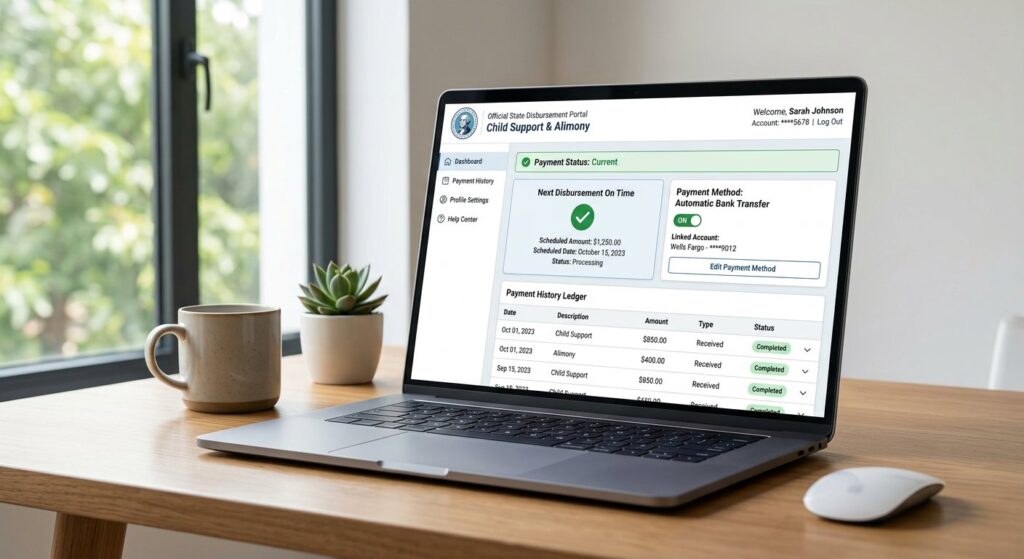
The enforceability of unpaid child support depends on the jurisdiction. Some states permit collection for extended periods, including after the child reaches adulthood.
Parents should not assume arrears disappear automatically when current support ends. Interest, judgments, and limitation rules may affect collection.
Current Support Versus Past-Due Support
Current support concerns ongoing payments required under an active obligation. Arrears represent amounts that were previously due but remain unpaid.
The end of current support does not necessarily eliminate the arrears balance. Enforcement may continue where permitted by law.
State Rules Matter
Collection periods, interest rules, and enforcement procedures differ between states. General online statements can be misleading.
Parents should obtain current information from the responsible agency or a qualified family law attorney. The exact order and payment history are essential.
What Happens When the Child Turns 18?
Child support does not necessarily end automatically on a child’s eighteenth birthday. Termination rules depend on jurisdiction, the order, education-related provisions, disability considerations, and other legally relevant circumstances.
A parent should not stop paying child support solely because the child has reached a particular age. The order should be reviewed first.
Support Termination Requirements
Some support obligations end at a specified age or event, while others require formal administrative or court action. Additional support may apply in certain circumstances.
Parents should confirm the actual termination provisions. Continuing to follow the order until properly ended helps avoid accidental noncompliance.
Unpaid Support May Continue
Even when ongoing payments lawfully terminate, previously accumulated arrears may remain collectible. The rules depend on applicable law.
A parent with outstanding debt should seek information about payment arrangements and enforcement. Ignoring the balance can create further complications.
Can Child Support Be Paid Directly to the Other Parent?
Some orders require payments through a state disbursement unit or another official system. Others may permit different arrangements under specified conditions.
Paying child support directly without following the order can create recording problems. A payment may not receive proper credit if it is made through an unauthorized method.
Use Approved Payment Channels
Official payment systems create records that help both parents verify compliance. These may include authorized electronic payments or employer withholding.
A parent should follow the instructions in the current support order. Informal agreements should not replace required procedures.
Keep Proof of Every Payment
Receipts, bank records, and official statements can help establish the payment history. This is particularly important if a dispute develops later.
Parents should retain records for an appropriate period. Documentation can prevent misunderstandings about whether payments were made.
Can Parents Make Their Own Child Support Agreement?
Parents may sometimes agree on support arrangements, but private agreements do not necessarily replace existing court orders. The legal effect depends on jurisdiction and the terms involved.
A parent considering a change should seek information about the required approval process. Paying child support under an informal arrangement can create risks if the official order remains unchanged.
Written Agreements Are Not Always Enough
Even a signed agreement may require court approval or another authorized process to become enforceable as a modification.
Parents should avoid assuming that mutual consent automatically changes legal obligations. Proper documentation matters.
Protect the Child’s Interests
Support arrangements should account for applicable law and the child’s financial needs. Courts may review proposed agreements rather than accepting every private arrangement automatically.
Legal guidance can help parents understand available options. Cooperation is valuable, but formal requirements still apply.
Steps to Take When Your Ex Stops Paying Child Support
An organized response can help protect financial interests and reduce unnecessary conflict. Parents should begin by verifying the legal obligation and establishing the actual amount unpaid.
The following steps provide a general framework for addressing nonpayment:
- Review the latest support order.
- Obtain an official payment history.
- Calculate the outstanding balance using reliable records.
- Preserve relevant correspondence and payment evidence.
- Contact the responsible child support enforcement agency.
- Ask about available collection and enforcement procedures.
- Consider legal advice for complex or disputed cases.
- Keep communication factual and appropriate.
- Avoid withholding parenting time as retaliation.
- Review progress and retain updated records.
The appropriate sequence may differ according to the jurisdiction and case. Parents should follow official instructions rather than relying solely on informal advice.
When Should You Contact a Family Law Attorney?
Legal assistance may be particularly useful when substantial arrears accumulate, financial information is disputed, or the paying parent has moved. Court proceedings and enforcement restrictions can create additional complexity.
An attorney can evaluate the support order and explain available remedies. Professional guidance may also help parents avoid actions that undermine their legal position.
Complex Financial Circumstances
Self-employment, business ownership, multiple income sources, and disputed assets can make support cases difficult to evaluate.
A lawyer may recommend appropriate financial documentation or expert assistance. The goal is to establish relevant facts through lawful procedures.
Contempt Proceedings
Contempt cases can involve significant legal consequences and procedural protections. Both the party seeking enforcement and the person accused of noncompliance may benefit from representation.
An attorney can explain the applicable legal standard. Outcomes depend on the evidence and governing law.
Interstate or International Cases
Cases involving multiple jurisdictions may require specialized procedures. An attorney can help determine where enforcement or modification should occur.
Correct jurisdictional analysis can prevent unnecessary delays. This is especially important when the paying parent has relocated.
What if You Are the Parent Struggling to Make Payments?
Financial hardship can make an existing support obligation difficult to manage. Ignoring the problem, however, may increase arrears and expose the parent to enforcement.
If paying child support becomes unaffordable, seek information about modification procedures promptly. Continued communication with the appropriate agency or court can help clarify available options.
Do Not Simply Stop Paying
Stopping payments without legal authorization can create unpaid balances. A later change in circumstances may not eliminate previously accrued amounts.
A parent should investigate whether partial payments, payment arrangements, or modification procedures are available. The existing order remains important.
Document Financial Changes
Keep records of job loss, reduced hours, medical limitations, or other circumstances affecting income. Accurate evidence may support a modification application.
Avoid concealing assets or providing misleading information. Transparency is essential during financial proceedings.
Seek Appropriate Assistance
Legal aid organizations, family law attorneys, and child support agencies may provide information about available procedures. Eligibility for assistance varies.
A parent facing severe financial difficulty should seek advice early. Delaying action can reduce available options.
Common Mistakes to Avoid in Child Support Disputes
Support disputes can become emotionally difficult, particularly when financial pressure affects daily family life. Decisions made in frustration may create additional legal problems.
Understanding common mistakes can help both parents respond more effectively. The priority should remain lawful compliance and the child’s wellbeing.
Ignoring Court Orders
Neither parent should assume an existing order can be disregarded because circumstances have changed. Formal procedures may be necessary.
Parents should seek clarification before altering payment arrangements. Unapproved changes can create future disputes.
Relying on Verbal Agreements
Informal promises may be difficult to prove and may not change the legal obligation. A parent may believe an agreement resolved the issue while the official order remains active.
Document arrangements and obtain required legal approval. Clear records protect both parties.
Failing to Track Payments
Incomplete records can make arrears disputes more complicated. Parents should use official payment histories whenever possible.
Maintaining organized documentation helps establish what occurred. It also supports more accurate communication with enforcement authorities.
Using Children as Messengers
Children should not be placed in the middle of financial disputes between parents. Asking them to demand payments or communicate threats can create emotional pressure.
Adults should handle financial communication through appropriate channels. Child support enforcement belongs within the legal and administrative process.
Protecting Children During Financial Disputes
Unpaid support can create practical difficulties, but children should not be made responsible for resolving the conflict. Parents can focus on maintaining stable routines and age-appropriate communication.
Paying child support is a legal financial obligation, while emotional support and responsible parenting involve additional responsibilities. Neither should become a tool for punishing the other parent.
Keep Discussions Age Appropriate
Children may notice financial changes without understanding the legal issues. Parents should avoid sharing unnecessary accusations or detailed disputes.
Reassurance should remain grounded in the child’s actual circumstances. Families may benefit from professional support when conflict significantly affects wellbeing.
Maintain Predictable Routines
Stable routines can help children navigate family changes. Parents should prioritize essential needs and seek available assistance when financial difficulties arise.
Community resources and public assistance programs may provide support in some circumstances. Eligibility varies by location.
Why Early Enforcement Can Matter
Allowing unpaid balances to accumulate without investigation can make eventual collection more complicated. Employment changes, relocation, and financial disputes may create additional barriers.
A parent whose ex-spouse stops paying child support should consider contacting the responsible agency promptly. Early action can clarify the available enforcement process.
Accurate Records Become More Important Over Time
Long-running disputes can involve numerous payments, adjustments, and administrative changes. Reconstructing records years later may be difficult.
Maintaining an official payment history supports accurate enforcement. It also helps prevent disagreements over the amount owed.
Early Legal Advice Can Prevent Mistakes
Some legal procedures involve deadlines or jurisdictional requirements. Missing an important step may delay the case.
Professional guidance can help identify the correct process. However, legal representation cannot guarantee recovery when funds or assets are unavailable.
Understanding the Limits of Child Support Enforcement
Enforcement systems have legal authority, but they cannot guarantee immediate payment in every case. Collection may depend on the paying parent’s income, assets, location, and other circumstances.
A parent who is not paying child support may have limited resources, making recovery difficult even when an order is enforceable. Agencies and courts must operate within applicable legal limits.
Enforcement Can Take Time
Locating income sources, processing withholding orders, or completing court proceedings may require time. Administrative delays can also occur.
Parents should ask about realistic timelines and maintain contact with the responsible agency. Avoid assuming that submitting a complaint produces immediate payment.
Collection Depends on Available Resources
An enforceable order establishes an obligation, but actual collection may depend on identifiable income or assets. Some enforcement measures are more effective than others in particular circumstances.
Legal advice can help assess realistic options. Expensive litigation may not always produce a practical financial recovery.
How Support Enforcement May Change Over Time
Child support systems continue to use electronic payments, employer reporting, and interstate information-sharing arrangements. These tools can support administration and enforcement.
However, technology does not remove the need for accurate orders, lawful procedures, and individual case assessment. Paying child support remains governed by applicable legal obligations rather than software alone.
Digital Payment Records
Electronic payment systems can create clearer transaction histories and reduce some administrative uncertainty. They may also help parents review balances.
Records should still be checked for accuracy. Processing delays or corrections can affect displayed information.
Improved Agency Coordination
Information-sharing systems may help authorities manage cases involving multiple employers or jurisdictions. Their effectiveness depends on applicable rules and available data.
Parents should use official agency resources to understand current procedures. Enforcement practices can change over time.
FAQ’s
What happens if my ex stops paying child support?
Missed payments may become enforceable arrears. Depending on the jurisdiction, authorities may use income withholding, tax refund offsets, liens, license restrictions, or court proceedings.
Can someone go to jail for not paying child support?
In certain circumstances, willful nonpayment can lead to contempt or criminal proceedings. Imprisonment is not automatic, and courts must follow applicable legal protections.
Can I stop visitation if my ex is not paying child support?
Generally, unpaid support does not automatically authorize withholding court-ordered parenting time. Financial enforcement and parenting-time disputes should be addressed through appropriate legal procedures.
Can child support payments be reduced after job loss?
A substantial income change may justify a modification request, depending on local law. The paying parent should apply promptly because existing obligations may continue until legally changed.
How can I collect unpaid alimony from my ex-spouse?
Review the support order, document missed payments, and seek applicable court enforcement. Available remedies depend on the jurisdiction and the terms of the alimony obligation.
Does unpaid child support disappear when a child turns 18?
Not necessarily. Current support may end under applicable rules, but previously accumulated arrears can remain enforceable after the child reaches adulthood.
Conclusion
Paying child support is an important legal responsibility intended to contribute to a child’s financial needs, while alimony serves a separate purpose involving support between spouses. When an ex-spouse fails to meet either obligation, the receiving parent may face significant financial pressure. Available enforcement options can include income withholding, agency collection procedures, and court action, depending on the order and jurisdiction.
Addressing unpaid support begins with accurate records, a clear understanding of the existing order, and appropriate legal action. Parents who cannot afford their current obligations should seek formal modification rather than stopping payments without authorization. Whether you are pursuing overdue payments or struggling with paying child support, timely professional guidance can help protect your legal rights and support a more responsible resolution.
Leave a Reply