
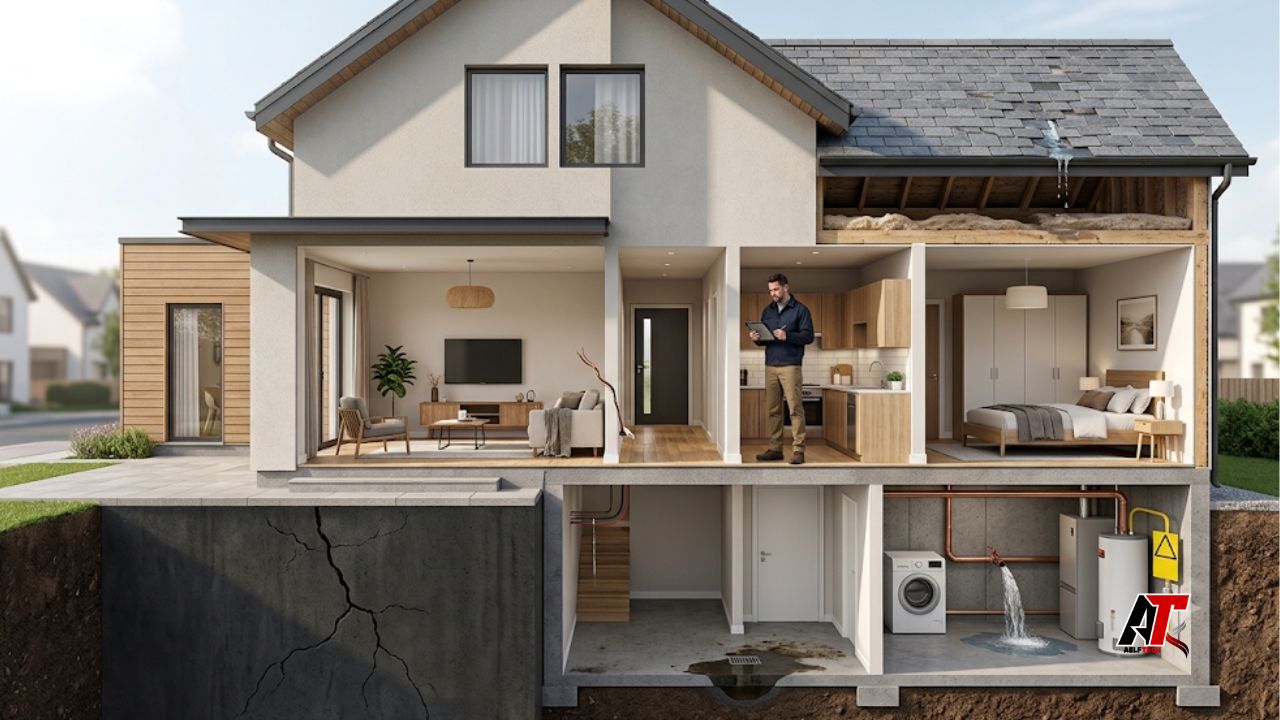
A property rarely becomes unsafe without warning. The problem is that early signs are easy to dismiss: a small ceiling stain, an outlet that feels warm, a drain that gurgles, or a crack that appears after heavy rain. Some defects can be monitored and scheduled, but urgent property repairs must be handled quickly because they can threaten occupants, damage essential systems, and multiply restoration costs.
Urgency does not mean taking unsafe do-it-yourself action. It means protecting people, stopping the source only when it is safe, documenting the damage, and contacting the right licensed professional. The following six repairs deserve immediate attention in homes, rental properties, and commercial buildings.
Why Urgent Property Repairs Should Never Be Postponed
The visible defect is often smaller than the hidden damage. Water entering through one roof opening may spread into insulation, timber, wiring, and drywall before a stain appears. One damaged electrical connection can overheat inside a wall. A plumbing leak may soak a subfloor while the room above still looks normal. Acting early limits the area that must be repaired and preserves more of the original building.
Fast action also protects insurance claims and contractor options. Photographs, dates, invoices, and professional reports help show what happened and what was done to prevent further loss. When there is smoke, a gas odor, possible collapse, severe flooding, or another immediate threat, leave the affected area and contact local emergency services before arranging normal repairs.
At-a-Glance Repair Priority Guide
| Repair | Warning Signs | First Response |
| Roof damage | Active dripping, missing materials, or a sagging ceiling | Move people and valuables away; call a roofer |
| Electrical damage | Exposed conductors, sparks, heat, buzzing, or burning odor | Keep clear; shut power off only if safe; call an electrician |
| Major water leak | Spraying water, soaked walls, or spreading stains | Close the water supply if safely accessible; call a plumber |
| Gas or CO concern | Gas odor, alarm activation, dizziness, or nausea | Leave immediately; contact emergency or utility services |
| Structural movement | Sudden cracks, leaning walls, or sagging surfaces | Restrict access; request professional evaluation |
| Sewer backup | Wastewater returning through fixtures or floor drains | Stop water use; avoid contact; call a drainage specialist |
1. Roof Leaks, Missing Shingles, and Storm Damage
The roof is the building’s main defense against rain, wind, snow, and debris, so even a small opening can become a large interior problem. Missing shingles, lifted flashing, punctures, failed sealant around penetrations, and damaged gutters can allow water to travel along rafters before it appears on a ceiling. Warning signs include damp attic insulation, dark roof decking, peeling paint, musty odors, drips, and a ceiling that looks swollen or soft.
Inspect storm damage from the ground rather than climbing onto a wet or unstable roof. Move furniture and electronics away from the affected room, and keep everyone clear of a bulging ceiling because saturated drywall may fall. Property owners needing roofing repair Woodstown NJ should arrange a professional inspection before another storm. A roofer can determine whether the repair is limited to shingles and flashing or also involves decking, underlayment, gutters, ventilation, and interior materials. Temporary coverings are not permanent repairs and should only be installed by someone trained to work safely at height.
2. Exposed Wiring, Sparking Outlets, and Electrical Faults
Electrical defects require urgent attention because damaged wiring can cause shock, burns, short circuits, appliance failure, or fire. Causes include aging insulation, rodents, overloaded circuits, loose connections, water intrusion, and poor previous work. Warning signs include visible copper, frayed cable coverings, repeated breaker trips, flickering lights, buzzing, discolored outlets, unusual heat, sparks, or a persistent burning odor.
Keep children and pets away, and never touch exposed wiring or repeatedly reset a breaker that trips again. If you can identify the affected circuit and reach a dry, safe electrical panel, switch it off; otherwise, leave the area for a licensed electrician. Water near outlets, lights, appliances, or the service panel makes the situation more dangerous. Do not enter standing water or handle electrical equipment. Smoke, flames, arcing, or damage to an incoming power line requires emergency or utility assistance.
3. Burst Pipes, Major Plumbing Leaks, and Water Intrusion
A burst pipe or active leak can spread through wall cavities, floors, cabinets, and ceilings within a short time. Common causes include frozen pipes, corroded fittings, failed appliance hoses, broken supply lines, overflowing fixtures, and water-heater failures. If it is safe, close the nearest fixture valve or the main water shutoff. Do not enter a wet area containing electrical equipment, and do not use a household vacuum to remove standing water.
Replacing the broken pipe is only part of the repair. Moisture can remain inside insulation, drywall, subfloors, and concealed cavities after visible water is removed. A restoration professional can measure moisture, remove unsalvageable materials, and dry the structure using controlled air movement and dehumidification. Quick drying reduces deterioration and the likelihood of microbial growth. Photograph the damage before cleanup when possible, keep invoices, and record when the leak was discovered. Stay out of rooms with sagging ceilings or wet electrical fixtures until professionals confirm they are safe.
4. Gas Leaks and Carbon Monoxide Hazards
A suspected gas leak is an emergency rather than a routine maintenance call. Natural gas or propane can ignite, while faulty combustion may produce carbon monoxide, an invisible and odorless gas. Possible warning signs include a sulfur-like odor, hissing near a line or appliance, damaged connections, a carbon monoxide alarm, or symptoms such as headache, dizziness, weakness, nausea, confusion, and unusual sleepiness.
Do not operate switches, appliances, phones, garage doors, or anything that could produce a spark inside a building where gas is suspected. Do not search for a leak with a flame. Move everyone outside, create distance from the property, and contact the gas utility or emergency services from a safe location. Re-enter only when the responsible authority says it is safe. Carbon monoxide alarms also require evacuation even when no odor is present. After the immediate danger is cleared, qualified professionals should inspect appliances, vents, flues, chimneys, connections, and combustion air before the system returns to use.
5. Foundation Cracks, Sagging Floors, and Structural Movement
Not every crack is dangerous, but sudden or progressive movement needs prompt evaluation. Concerning signs include a leaning or bowing wall, a floor that has dropped, a sagging ceiling, doors and windows that abruptly stop fitting, wide diagonal cracks, displaced masonry, or movement after a flood, impact, fire, excavation, or severe storm. Causes may include settlement, soil movement, rot, termites, overloaded framing, failed supports, or prolonged water intrusion.
Restrict access when surfaces are shifting, masonry is loose, or a ceiling could fall. Do not jack up the building, remove walls, disturb supports, or cover cracks before the cause is understood. A structural engineer can provide an independent assessment, after which qualified foundation, framing, masonry, or drainage contractors can complete the specified work. Photograph cracks with dates and a size reference to track change. If collapse appears possible, leave the building and contact emergency services or the local building authority.
6. Sewer Backups and Serious Drainage Failures
A sewer backup is urgent because wastewater may contain harmful microorganisms and other contaminants. Signs include dirty water returning through toilets, tubs, showers, basement drains, or utility sinks; several fixtures draining slowly at the same time; gurgling; and strong sewer odors. Stop using toilets, washing machines, dishwashers, and other water-consuming fixtures so more wastewater is not forced into the property.
Keep people and pets away and avoid tracking contamination into clean rooms. A drainage or plumbing specialist can locate the blockage and determine whether clearing, repair, excavation, or pipe replacement is needed. Cleanup may require removing contaminated carpet, padding, drywall, insulation, and other porous materials rather than simply wiping them down. Recurring backups should be investigated with a camera inspection because roots, collapsed pipes, poor slope, grease, damaged connections, or septic failure can cause repeated events.
What to Do in the First Minutes of a Property Emergency
Protect life before property. Evacuate for gas, smoke, fire, possible collapse, severe electrical danger, or contaminated flooding. Stop the source only when it can be done safely, such as closing an accessible water valve or switching off a clearly identified circuit from a dry panel. Keep occupants and pets away from the affected area, then call the professional matched to the hazard.
Document conditions from a safe position with photographs or video, and note dates and times. Notify landlords, property managers, insurers, utilities, or local authorities when required. Avoid disposing of damaged materials until the insurer has explained what evidence is needed. Emergency stabilization should prevent additional loss, but permanent work must address the cause rather than simply hiding the symptom.
How to Choose a Contractor for Time-Sensitive Repairs
Urgency can encourage rushed decisions, so verify the contractor’s identity, relevant license, insurance, written scope, pricing, materials, warranty, and expected schedule. Be cautious of large cash demands, pressure to sign immediately, or offers to manipulate an insurance claim. Ask how the contractor will make the property safe and how the underlying cause will be confirmed.
A roofer should trace the water path, a plumber should identify why a line failed, and a drainage company should determine why a blockage occurred. Structural repairs should follow an engineer’s recommendations when stability is uncertain. Homeowners can find more practical property and consumer guidance from team aelftech.com, where technical topics are explained in clear language.
Preventive Maintenance That Reduces Emergency Repair Risk
Routine inspection cannot prevent every emergency, but it can expose defects early. Check roofs and gutters after major storms from a safe ground position. Know the locations of the main water valve and electrical panel, and keep utility and emergency numbers available. Service fuel-burning appliances, plumbing, drainage, electrical systems, chimneys, heating, and cooling equipment at suitable intervals.
Investigate stains, musty odors, recurring breaker trips, repeated drain blockages, and changing cracks instead of covering them. Test smoke and carbon monoxide alarms according to manufacturer instructions. The most important habit is treating repeated symptoms as evidence of an unresolved cause. Repainting a stain or resetting the same breaker may hide the warning without reducing the risk.
Frequently Asked Questions
Which property repair is the most urgent?
Any condition that threatens life takes priority, including fire, gas leakage, carbon monoxide alarms, live electrical hazards, possible collapse, and rapidly rising contaminated water. Active roof and plumbing leaks also need fast attention because damage continues to spread.
Can I make a temporary repair myself?
Only take actions that do not expose you to electricity, gas, sewage, unstable structures, traffic, or falls. Closing a safely accessible water valve may be reasonable. Climbing onto a damaged roof or handling exposed conductors is not.
Should I call my insurer before a contractor?
Protect people and prevent additional damage first. Then notify the insurer promptly and follow the policy’s reporting requirements. Keep photographs, professional reports, estimates, receipts, and damaged items when requested.
How do I know whether a wall crack is serious?
New, widening, diagonal, displaced, or water-damaged cracks deserve assessment, especially when combined with uneven floors, sticking doors, bowing, or recent impact. A structural engineer is appropriate when stability may be involved.
Who should complete urgent property repairs?
Use the professional matched to the hazard: electricians for wiring, plumbers for water and drains, roofers for roof failures, gas or HVAC specialists for fuel-burning systems, structural engineers for stability concerns, and trained remediation firms for extensive water or sewage contamination.
Conclusion
Urgent property repairs are defined by risk, not inconvenience. Roof openings, electrical defects, major leaks, gas or carbon monoxide hazards, structural movement, and sewer backups can endanger occupants and greatly increase restoration costs. Recognize the warning signs, keep people away from danger, stop the source only when safe, and involve qualified professionals quickly. Decisive action protects both the building and everyone who uses it.
Leave a Reply