
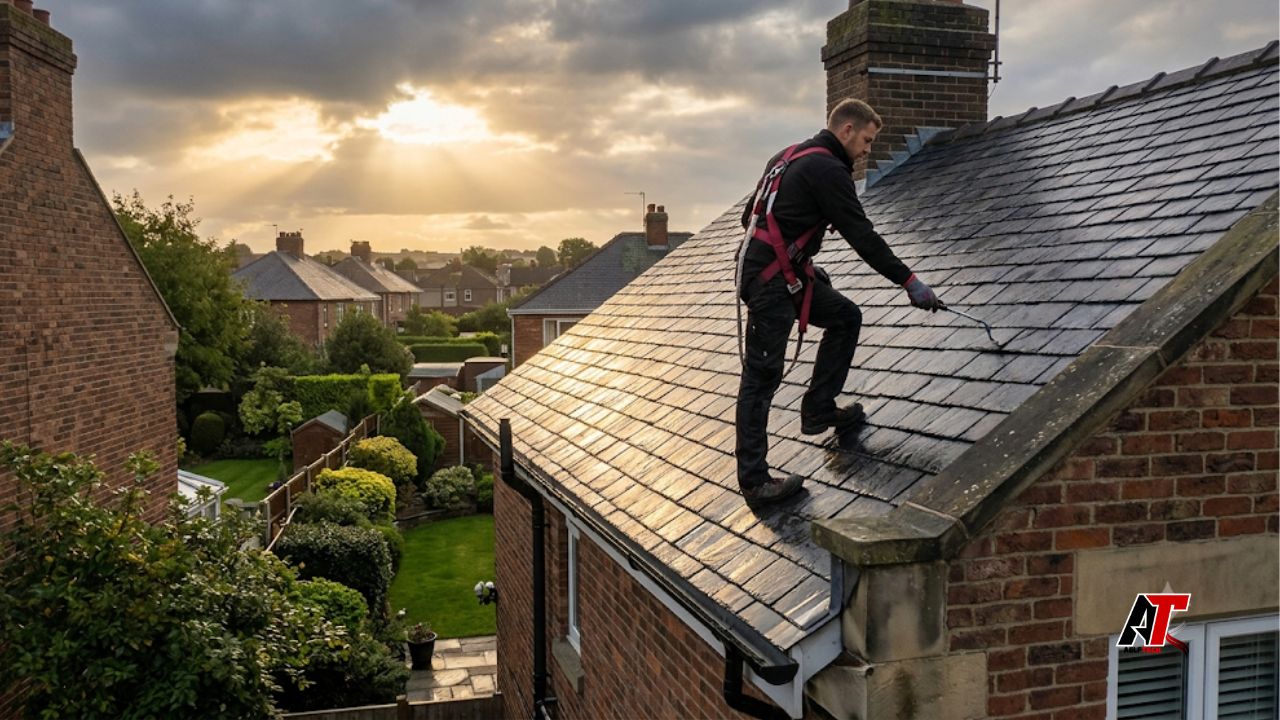
A sound roof does more than keep rain outside. It protects insulation, electrical systems, walls, ceilings, furniture, and the structure of the building itself. In the North East, changing weather can place steady pressure on every roofing material. Strong winds, repeated rainfall, cold spells, and seasonal temperature shifts can expose small weaknesses before a homeowner notices them.
That is why reliable roofing solutions in the North East should focus on prevention as well as repair. A quick patch may stop a visible drip, but a careful inspection can reveal the source of the problem. It can also identify damaged flashing, loose tiles, blocked drainage, or worn sealant that may cause further trouble.
This guide explains how to protect a home or commercial property through timely inspections, suitable materials, professional repairs, and practical maintenance. It also shows what to expect from a trustworthy roofing contractor and how to make informed decisions without waiting for minor damage to become an expensive emergency.
Why the North East Demands a Proactive Roofing Strategy
Roofs in the North East face a demanding mix of conditions. Wind can lift tiles and loosen ridge sections. Heavy rain tests valleys, gutters, joints, and flat-roof outlets. Frost can widen existing cracks, while debris can collect in drainage areas and hold moisture against the surface.
These problems often develop gradually. A roof may look acceptable from ground level even when water has started entering around a chimney, vent, skylight, or roof edge. By the time a stain appears indoors, moisture may already have affected timber, insulation, or plaster.
A proactive strategy reduces this risk. It combines scheduled checks with fast action after storms or visible damage. Reliable roofing solutions in the North East also consider the age, pitch, material, exposure, and previous repair history of the roof. This wider view helps property owners spend money where it has the greatest protective value.
Early Warning Signs That Your Roof Needs Attention
Many roofing problems give warning signs before a major leak begins. Inside the property, look for damp patches, peeling paint, mould, musty smells, or daylight entering the loft. Water marks near chimney breasts and upper-floor ceilings deserve prompt attention, even when they appear dry.
Outside, check for slipped or cracked tiles, damaged ridge mortar, sagging gutters, loose flashing, and granules collecting below asphalt coverings. On flat roofs, standing water, bubbles, splits, and lifted seams can signal failing membranes or poor drainage.
Do not ignore unexplained increases in heating use. Wet or displaced insulation can reduce energy performance. Likewise, birds or insects entering the roof space may point to gaps around eaves or damaged coverings. A qualified roofer can trace the cause safely and recommend a proportionate solution.
The Value of Professional Roof Inspections
A professional inspection turns guesswork into a clear maintenance plan. The roofer should assess the external covering, ridge and hip details, valleys, flashing, gutters, downpipes, vents, roof windows, and visible timber. Where access allows, the loft should also be checked for moisture, ventilation issues, and signs of structural movement.
The best inspections explain both urgency and priority. For example, a missing tile near a vulnerable junction may require immediate action. In contrast, ageing mortar that remains stable may be monitored and scheduled for later work. This distinction helps owners avoid panic-driven spending.
Ask for photographs and a written explanation. Clear evidence makes it easier to understand the condition of the roof and compare recommendations. It also creates a useful record for future maintenance, insurance discussions, or property sales.
Repair, Restoration, or Replacement: Choosing the Right Option
Not every roofing defect requires a full replacement. Local repairs can be effective when damage is limited and the surrounding roof remains sound. Typical work may include replacing tiles, resealing joints, renewing flashing, repairing gutters, or restoring small areas of a flat-roof membrane.
Restoration suits roofs with broader wear but a serviceable structure. It may involve repointing ridge sections, renewing several damaged areas, improving drainage, and correcting older repair work. This approach can extend useful life when the existing system still performs well overall.
Replacement becomes more sensible when failures are widespread, materials have reached the end of their service life, or repeated repairs no longer provide dependable protection. A responsible contractor should explain the evidence behind the recommendation. Homeowners seeking local help can review professional options for roof repairs North East when comparing suitable repair routes.
The right decision balances safety, expected lifespan, disruption, and total long-term cost. The cheapest immediate option is not always the most economical choice if the same fault returns each winter.
Roofing Solutions for Different Property Types
Pitched tile and slate roofs are common across many residential areas. Their performance depends on secure coverings, sound underlay, effective flashing, and good ventilation. Individual tiles can often be replaced, although repeated slippage may indicate failing fixings or wider movement.
Flat roofs need particular attention to seams, edges, outlets, and ponding water. Modern membrane systems can provide durable protection when installers prepare the deck correctly and create suitable falls. However, even a strong membrane can fail early if drainage remains blocked.
Commercial properties may include larger roof areas, plant penetrations, rooflights, and complex drainage routes. Their maintenance plans should reduce business disruption and support safe access. Older buildings may also require sympathetic materials and methods that preserve the character of the property.
Reliable roofing solutions in the North East should therefore be tailored rather than generic. The building’s design, use, location, and exposure all influence the correct specification.
How Preventive Maintenance Protects Your Investment
Preventive maintenance is usually simpler and less disruptive than emergency repair. Start by keeping gutters and downpipes clear. Overflowing water can soak fascia boards, walls, and foundations. It can also back up beneath roof edges when leaves and debris restrict drainage.
Trim branches that rub against the roof or drop heavy debris. After severe weather, make a ground-level visual check and look inside the loft. Never climb onto a wet, icy, or damaged roof. Safe access requires the right equipment and experience.
Sealants, mortar, and metal details should be reviewed as they age. Small openings around flashing can admit surprising amounts of water during wind-driven rain. Ventilation must also remain balanced because trapped condensation can imitate a roof leak and damage timber over time.
A simple annual schedule, supported by an additional check after major storms, helps owners catch problems earlier. Keep invoices, photographs, warranties, and inspection notes together. These records improve planning and show that the roof has received responsible care.
What to Look for in a Reliable Roofing Contractor
A reliable contractor communicates clearly before work begins. The quotation should describe the problem, proposed solution, materials, labour, waste removal, access needs, estimated timescale, and payment terms. Vague descriptions make it difficult to compare value or hold anyone accountable.
Ask about relevant experience with your roof type. Request proof of insurance and clarify whether the work includes a guarantee. For larger projects, discuss scaffolding, weather protection, site safety, and how unexpected defects will be handled.
Be cautious when someone pressures you to approve immediate work without evidence. Genuine emergencies do happen, yet a professional should still explain the risk and document the damaged area. Likewise, an unusually low quote may exclude essential preparation or use unsuitable materials.
Good roofers protect the property while they work. They manage debris, prevent water entry, respect neighbouring homes, and leave the site tidy. Clear communication is as important as technical skill because it helps the owner understand each stage of the project.
Understanding the Factors That Influence Roofing Costs
Roofing costs vary because every property presents a different combination of labour, access, materials, and risk. A small repair at low level may be straightforward. The same repair on a steep roof above a conservatory may require scaffolding and additional protection.
Material choice also matters. Natural slate, concrete tiles, metal components, timber repairs, insulation, and specialist membranes have different supply and installation costs. The condition beneath the visible covering can change the final scope once damaged areas are opened.
A useful quotation separates known work from possible additional work. It should explain how the contractor will seek approval if hidden damage appears. Property owners should compare the completeness of quotations, not only the final figure.
Quality repairs can protect much more than the roof itself. They reduce the chance of internal redecoration, electrical damage, rotten timber, spoiled insulation, and business interruption. For this reason, dependable work often provides stronger value than repeated short-term fixes.
What to Do During a Roofing Emergency
During an active leak, protect people first. Keep away from bulging ceilings, exposed wiring, and areas where water may make floors slippery. Move furniture and valuables only when it is safe. Use containers to catch drips, but do not puncture ceilings unless a qualified professional advises it.
Take photographs from a safe position. Note when the leak started and whether wind direction or rainfall intensity affects it. This information can help the roofer locate the entry point, which may be some distance from the visible stain.
Contact a reputable contractor and explain that the situation is urgent. A temporary weatherproofing measure may be needed before a permanent repair can take place. Avoid untrained roof access, especially during wind, rain, darkness, or frost.
After the immediate problem is controlled, arrange a full inspection. Emergency damage can reveal wider weaknesses, and a complete review reduces the chance of another failure in the same area.
Building a Long-Term Roof Care Plan
A long-term plan gives property owners control over maintenance instead of reacting to each new problem. Begin with a baseline inspection. Record the roof type, approximate age, known repairs, drainage layout, and areas that need monitoring.
Next, set practical review dates. Gutters may need more frequent cleaning near trees, while exposed roofs may benefit from checks after strong storms. Commercial properties should align inspections with operational needs and health and safety procedures.
Budgeting also becomes easier when work is prioritised. Urgent defects can be repaired immediately, while future renewal can be planned before the roof fails. This approach reduces stress and allows time to compare materials and contractors.
Reliable roofing solutions in the North East work best when they combine skilled workmanship with informed ownership. Readers can find more practical property and technology guidance on aelftech.com.
Frequently Asked Questions
How often should a roof be inspected?
Most properties benefit from a professional inspection at regular intervals and after severe weather. Older roofs, exposed locations, flat roofs, and buildings with a history of leaks may need more frequent attention.
Can a leaking roof be repaired in bad weather?
A contractor may be able to install temporary protection when conditions allow. Permanent work often needs a safer, drier period so materials can be fitted correctly. Safety should always come before speed.
Does one missing tile require an urgent repair?
It should be assessed promptly. A single missing tile can expose underlay and allow wind-driven rain into the roof. The location, surrounding condition, and weather forecast affect the level of urgency.
How can I tell whether damp comes from the roof or condensation?
Roof leaks often appear after rain and may follow a local route near flashing or damaged coverings. Condensation is commonly linked to poor ventilation and temperature differences. A combined roof and loft inspection can identify the likely source.
Is a roof replacement always better than repeated repairs?
Not always. A sound roof with isolated damage can respond well to repairs. Replacement becomes more practical when defects are widespread, materials are heavily aged, or repair costs keep increasing without reliable results.
What information should a roofing quotation include?
It should define the work, materials, access arrangements, waste removal, timescale, price, payment schedule, and guarantee terms. It should also explain how hidden defects or additional costs will be approved.
Conclusion
A dependable roof protects the entire property, yet that protection depends on timely decisions. Small defects are easier to manage when owners recognise warning signs, arrange professional inspections, and keep drainage systems clear.
The most effective reliable roofing solutions in the North East are based on accurate diagnosis. They match the repair to the roof type, building condition, and long-term needs of the owner. They also use clear quotations, suitable materials, safe working methods, and documented guarantees.
By combining preventive maintenance with trusted professional support, homeowners and businesses can reduce emergency risk, control costs, and preserve the value of their property for years to come.
Leave a Reply