
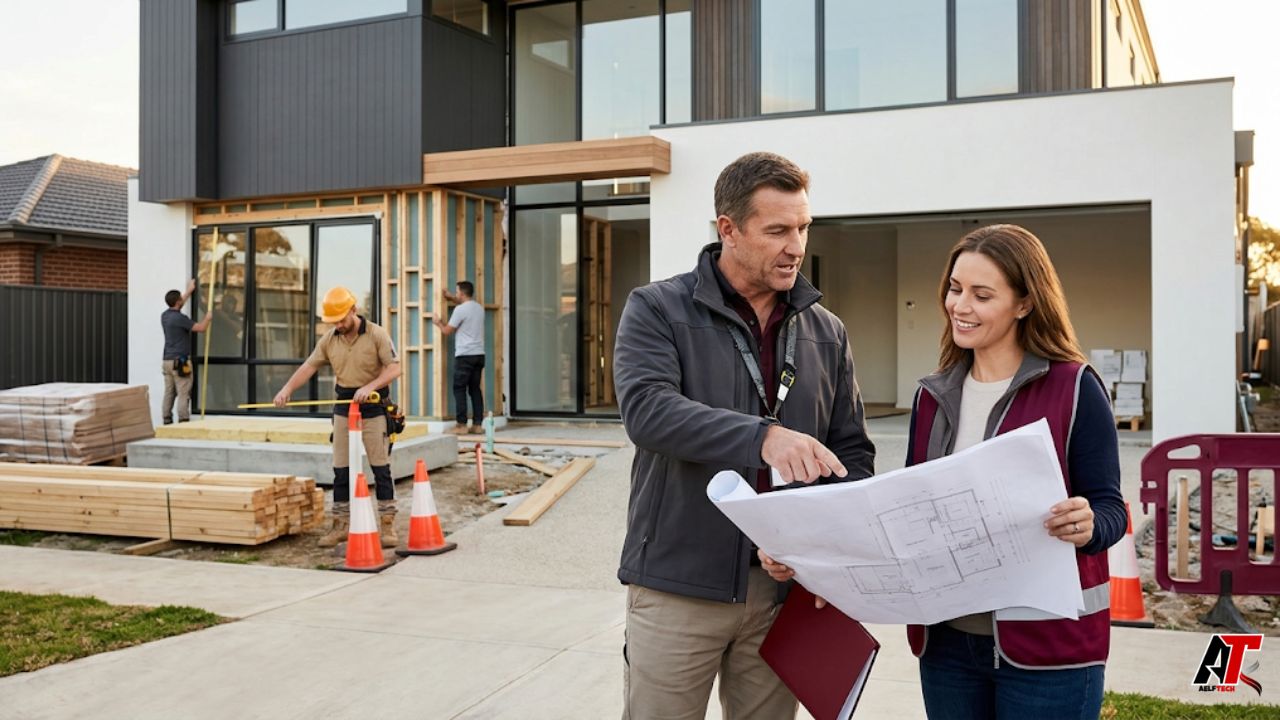
Building a home is exciting, but it also carries real financial and emotional risk. A beautiful floor plan can quickly lose its appeal if the project is poorly managed, costs keep changing, or defects appear after handover. That is why choosing the right builder matters as much as choosing the design.
The best builders do more than coordinate trades. They set clear expectations, protect quality, solve problems early, and keep the client informed. These reliable home builder qualities create a smoother experience from the first quote to the final inspection.
This guide explains five qualities that support reliable construction results. It also shows what to check before signing a contract, which questions to ask, and which warning signs should make you pause. The aim is simple: help you choose a builder with evidence, not promises alone.
Why Reliable Construction Starts With the Builder
A new home depends on hundreds of connected decisions. Site preparation affects the slab. Framing affects doors, windows, and wall finishes. Waterproofing affects long-term moisture control. One weak stage can create problems in several later stages.
A reliable builder understands these links. They coordinate people, materials, approvals, inspections, and decisions in the correct order. They also keep records, so important details do not rely on memory or informal conversations.
Australia’s National Construction Code sets minimum standards for safety, health, amenity, accessibility, and sustainability. However, meeting a minimum standard is not the same as delivering an excellent client experience. Reliable results also require careful workmanship, practical planning, and honest communication.
1. Proven Experience and a Verifiable Track Record
Experience is valuable when it can be checked. A builder may have operated for many years, but the more useful question is whether that experience matches your project. A company that mainly builds standard single-storey homes may not be the best fit for a complex sloping site, a narrow lot, or a custom multi-generational design.
Ask to see recent projects that are similar in size, budget, location, and construction method. Finished display homes are helpful, but active sites and completed client homes can reveal more. Look at straightness, joins, finishes, drainage, storage details, and how the home has performed after people moved in.
References should also be specific. Ask previous clients whether the builder communicated well, handled variations fairly, met agreed milestones, and returned to fix defects. A strong builder will not depend only on polished testimonials. They should be able to explain their process and support their claims with real examples.
Location experience matters too. Builders who work regularly in an area are more likely to understand local planning controls, site conditions, suppliers, and approval pathways. For example, homeowners researching Central Coast builders may want to compare local project experience, design flexibility, site-cost explanations, and the level of support offered from planning to handover.
Useful checks include the builder’s licence, business registration, insurance, complaint history, and financial stability. These checks cannot guarantee a perfect project. Still, they reduce avoidable risk and help confirm that the business is properly established.
2. Clear Communication and Transparent Documentation
Construction creates many questions. Clients need to approve layouts, finishes, fixtures, electrical points, colours, and possible variations. When communication is slow or unclear, small decisions can cause delays and extra costs.
A reliable builder explains who your main contact will be and how often updates will arrive. They provide realistic answers, even when the news is not ideal. Weather, supply problems, and approval delays can happen. The key difference is whether the builder communicates the issue early and presents a practical response.
Important information should be written down. The contract, plans, specifications, inclusions, exclusions, allowances, and variation process should work together. Vague terms such as ‘standard finish’ or ‘builder’s range’ need more detail. Product brands, model numbers, quantities, colours, and performance requirements should be recorded where possible.
Transparent documentation also protects the budget. A low quote may exclude excavation, retaining walls, service connections, floor coverings, landscaping, or difficult site conditions. Ask which costs are fixed, which are estimates, and which may change after further investigation.
This quality is especially important when comparing a home builder Melbourne with other providers. The strongest proposal is not always the cheapest one. It is often the proposal that makes the scope easy to understand and gives fewer opportunities for surprise charges later.
Before signing, read every document and seek independent professional advice when needed. Never rely on a verbal promise that does not appear in the final written agreement.
3. Consistent Workmanship and Strong Quality Control
Quality is not created during the final clean. It is built into every stage. The slab must suit the engineering design. Frames must be aligned and braced. Flashings, membranes, and seals must be installed correctly. Services must be tested before walls hide them.
Reliable builders use a repeatable quality-control process. Supervisors inspect work at key stages and record defects before the next trade begins. Good builders also select trades for skill and reliability, not price alone. They provide clear instructions and expect work to meet the plans, specifications, manufacturer guidance, and relevant standards.
Ask the builder how quality is checked. Who inspects the slab, frame, lock-up, waterproofing, fixing, and completion stages? Are checklists used? Can the client arrange an independent inspection? How are issues recorded, assigned, and closed?
Material handling is part of workmanship. Products can fail when they are stored badly, installed in the wrong conditions, or substituted without proper review. A responsible builder protects materials on site and seeks written approval before making a significant substitution.
You should also look beyond visible finishes. Straight paint lines and neat cabinetry matter, but hidden work often affects safety and durability more. Drainage, ventilation, insulation, waterproofing, structural connections, and service penetrations deserve careful attention.
A builder who welcomes reasonable questions about quality usually has a process to show. A builder who dismisses inspection concerns may be relying too heavily on last-minute defect repairs.
4. Disciplined Project Management and Realistic Cost Control
A home build involves designers, engineers, certifiers, suppliers, supervisors, trades, councils, and the homeowner. Reliable delivery requires these people to act in the right sequence. Strong project management keeps that sequence visible and controlled.
A dependable builder starts with a realistic program. It should include design development, selections, approvals, procurement, construction stages, inspections, and handover. The schedule may change, but the builder should track progress and explain the effect of any delay.
Good planning also reduces idle time. Materials should arrive when they are needed. Trades should receive current drawings. Client selections should be completed before they affect orders. When one decision changes, the builder should assess its impact on cost, timing, compliance, and other trades.
Cost control follows the same discipline. Progress payments should match completed stages and the contract. Variations should be priced and approved in writing before work proceeds, except where urgent safety action is required. Clients should understand both the direct cost and any time extension.
Reliable builders also plan for risk. They do not promise an impossible completion date to win the job. They allow for normal approval time, weather exposure, lead times, site complexity, and seasonal pressure. A realistic schedule may look less exciting at the start, but it is more useful than a deadline that was never achievable.
For additional business and home-improvement insights, readers can explore team aelftech.com. The same principle applies across many projects: clear systems make complex work easier to manage.
5. Compliance, Accountability, and Dependable Aftercare
A trustworthy builder treats compliance as a core responsibility. They work with suitable designers, engineers, surveyors, certifiers, and licensed trades. They follow approved plans and raise questions when a requested change may affect safety, approval, or performance.
Before appointing a builder, confirm the licence details and the type of work the licence covers. Check required insurance and ask who will obtain permits and approvals. The contract should clearly divide responsibilities between the builder and homeowner.
Accountability also means keeping evidence. Site instructions, inspection records, certificates, product information, warranties, and approved variations should be organised. At handover, the homeowner should receive the documents needed to operate, maintain, insure, and eventually sell the home.
The relationship should not end when the keys are handed over. New homes can require minor adjustments as materials settle and the building moves through different seasons. A reliable builder explains the defect-reporting process, response times, warranty responsibilities, and maintenance duties.
Ask how aftercare works in practice. Is there a dedicated contact? How are defects submitted? Does the builder schedule a maintenance inspection? What counts as a defect, and what is normal maintenance? Clear answers show that the company has planned for life after completion.
Builders who take responsibility for their work protect both the client and their own reputation. They do not promise that no issue will ever occur. Instead, they show how issues will be prevented, identified, and resolved.
How to Compare Builders Before You Decide
A good comparison uses the same criteria for every builder. Start with a written brief that describes the home, site, budget range, preferred finishes, and essential features. Then ask each shortlisted builder for enough detail to make a fair comparison.
Use these questions during meetings:
- Have you completed projects similar to mine?
- Who will supervise the site and communicate with me?
- What is included and excluded from the price?
- Which items are allowances rather than fixed costs?
- How are variations approved?
- What quality checks happen at each stage?
- Can I arrange independent inspections?
- What licences, insurance, and warranties apply?
- How are delays reported and managed?
- What support is provided after handover?
Compare the answers, not just the final price. A detailed and realistic quote may offer better value than a lower quote with broad allowances and missing items. Also consider how the builder behaves during the sales stage. Prompt, organised, and honest communication before the contract can indicate how the project may be managed later.
Warning Signs That Deserve More Investigation
Some warning signs do not prove that a builder is unreliable, but they should lead to more questions. Be cautious when a builder pressures you to sign quickly, requests unusual payments, avoids licence checks, or refuses to provide a detailed written scope.
Other concerns include very low quotes, large unexplained allowances, frequent business-name changes, poor record keeping, unresolved complaints, and answers that shift from one meeting to the next. A builder should also be willing to discuss how disputes, defects, delays, and substitutions are handled.
Trust your observations. If the process feels confusing before construction starts, it may become harder once large payments and time-sensitive decisions are involved. Pause, gather evidence, and obtain independent advice rather than accepting avoidable uncertainty.
Final Thoughts
Reliable construction results come from more than design talent. They depend on experience, clear communication, controlled workmanship, disciplined management, and real accountability.
The five reliable home builder qualities in this guide give homeowners a practical way to compare providers. Check the evidence behind each claim. Read the contract carefully. Ask direct questions and record important decisions.
No construction project is completely free from challenges. However, the right builder will manage those challenges openly and professionally. That approach protects the budget, supports quality, and gives your new home a stronger foundation for the years ahead.
Leave a Reply