
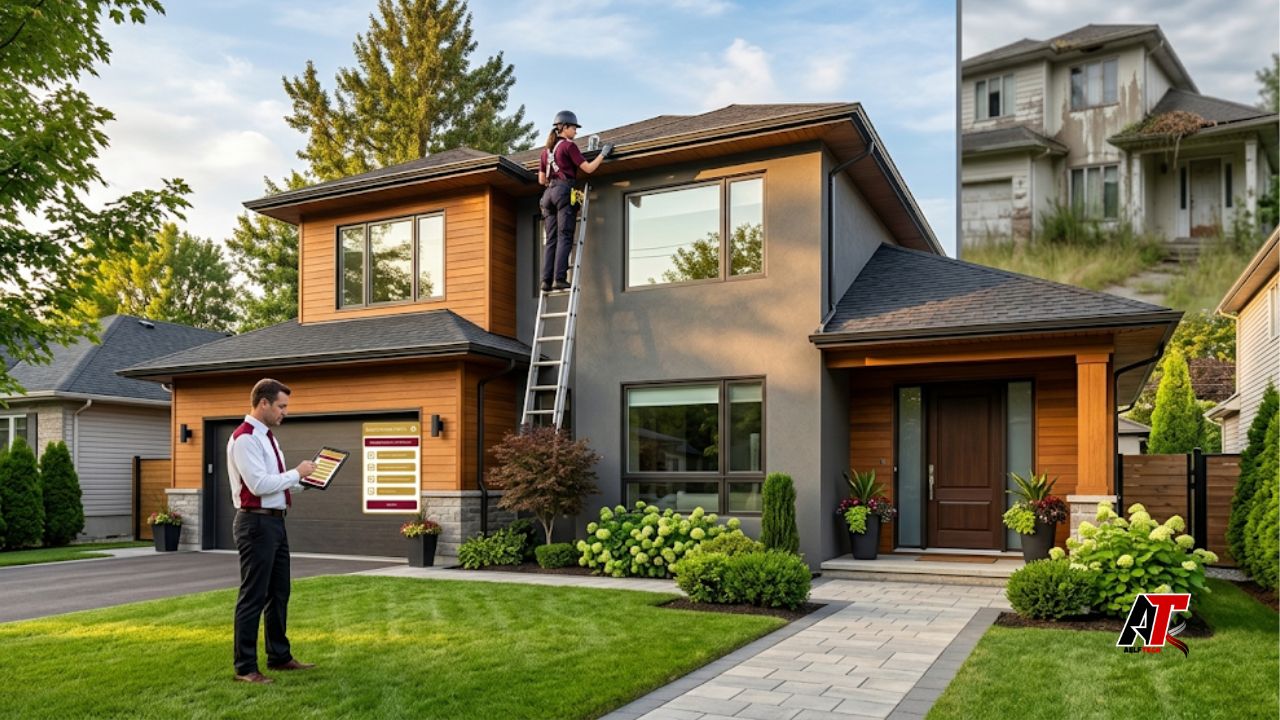
A property is more than a building on a parcel of land. It is a working asset that faces weather, daily use, ageing materials, shifting regulations, and changing market expectations. Without a clear maintenance plan, small defects can grow into expensive structural, mechanical, or cosmetic problems. Regular property maintenance prevents that slow decline and helps owners protect the value they have already built.
The goal is not to keep every surface permanently new. Instead, owners should keep important systems safe, functional, efficient, and presentable throughout their expected life. This article explains how preventive care protects long-term asset value, which areas deserve priority, and how owners can turn maintenance from a reactive expense into a disciplined investment strategy.
Regular Property Maintenance Protects the Building Fabric
The physical structure is the foundation of property value. Roof coverings, flashings, walls, windows, foundations, balconies, drainage, and exterior finishes work together to keep water and weather outside. When one part fails, damage can spread beyond the original defect. For example, a loose roof tile may allow water into insulation, ceilings, electrical fittings, and wall cavities. A minor repair can then become a multi-trade restoration project.
Moisture control deserves special attention because water can move through roofs, plumbing, foundations, walls, and poorly ventilated spaces. Early signs may include peeling paint, musty smells, dark patches, swelling timber, rust, or recurring condensation. Prompt investigation protects finishes and may also prevent decay, corrosion, and mould-related issues. Regular checks of roof drainage, sealants, plumbing connections, wet areas, and ground levels can identify risks before they become severe.
Preventive care also slows ordinary wear. Repainting exposed surfaces, resealing joints, clearing drainage paths, treating corrosion, and repairing cracks at the right time can extend the service life of building components. This matters because replacement usually costs far more than planned upkeep. By protecting the building envelope, owners preserve both appearance and structural reliability.
Early Action Reduces the Cost of Major Repairs
Maintenance costs are easier to control when work is planned. Emergency repairs often involve urgent call-out fees, disrupted tenants, temporary accommodation, after-hours labour, and secondary damage. They can also force owners to accept the first available contractor rather than comparing qualified providers and reasonable prices.
Budgeting also becomes more accurate. Owners can separate routine tasks from capital projects, estimate when major components will reach the end of their useful life, and build reserves gradually. As a result, a roof replacement or plant upgrade becomes a forecast expense rather than a financial shock. Regular property maintenance does not eliminate all surprises, but it reduces the number of problems caused by delay, poor records, or avoidable neglect.
Well-Maintained Properties Attract and Retain Better Tenants
For rental property, maintenance directly influences the tenant experience. People notice whether doors lock properly, lighting works, common spaces feel clean, plumbing issues receive a fast response, and heating or cooling performs as expected. These details shape trust. When tenants believe an owner takes the property seriously, they are more likely to report issues early, care for the premises, and consider renewing their lease.
A reliable maintenance process can also reduce vacancy. Prospective tenants compare more than floor area and rent. They look at presentation, comfort, safety, storage, appliances, outdoor areas, and the overall condition of the building. Fresh but durable finishes, clean entries, functioning fixtures, and well-kept landscaping help a property compete without relying only on discounts.
Owners with larger portfolios may benefit from professional oversight. A provider specialising in property management Melbourne can coordinate routine inspections, repair requests, contractors, records, and tenant communication within the local rental environment. The main value is consistency: issues are logged, followed up, and documented instead of being handled through scattered calls or memory. Better service supports tenant satisfaction while helping owners protect rental income and the condition of the asset.
Maintenance Supports Safety, Compliance, and Insurance Readiness
Property owners have practical and legal responsibilities that vary by building type and location. Electrical systems, gas appliances, fire protection, pool barriers, lifts, balconies, emergency lighting, handrails, access routes, and other safety features may require inspection or servicing. A maintenance calendar helps owners avoid missed checks and provides evidence that reasonable steps were taken to manage known risks.
Insurance claims may become more complicated when damage appears to result from long-term deterioration or ignored maintenance rather than a sudden covered event. Therefore, owners should understand policy exclusions and maintain the property accordingly. Regular care cannot guarantee claim approval, yet it can reduce preventable loss and help demonstrate that the building was responsibly managed before an incident occurred.
Energy Efficiency and Comfort Depend on Ongoing Care
A building may contain efficient equipment, but it will not continue performing well without maintenance. Dirty filters, blocked vents, damaged seals, leaking ducts, poorly adjusted controls, and worn components can increase operating time and reduce comfort. In commercial property, inefficient systems can raise service charges and create complaints. In residential property, they can make rooms difficult to heat or cool and may shorten the life of expensive equipment.
Performance should be reviewed rather than assumed. Compare utility use over time, investigate unusual changes, and ask contractors to explain recurring faults. This helps owners distinguish between a maintenance issue and a system that is genuinely outdated. The result is better comfort today and better information for future upgrades.
Presentation Influences Market Perception and Resale Value
Buyers form opinions quickly. Exterior paint, roofing, fences, gardens, paths, entry doors, lighting, odours, and internal finishes all affect the first impression. Cosmetic condition does not replace a sound structure, but it influences whether a property appears cared for or risky. Visible neglect may encourage buyers to expect hidden defects and increase the discount they seek during negotiation.
Before selling or refinancing, owners should review the property with a critical eye. Repair active leaks, damaged surfaces, unsafe steps, broken fittings, failed lighting, and obvious signs of deferred care. Avoid covering defects with quick cosmetic work. A transparent, well-documented approach creates more confidence than a rushed makeover that leaves underlying problems unresolved.
Maintenance Protects the Value of Improvements and Added Space
Value-adding projects can improve a property, but the benefit lasts only when the new work is maintained. Renovated kitchens, bathrooms, outdoor areas, solar systems, upgraded landscaping, and secondary accommodation all introduce materials and equipment with their own service needs. Owners should collect warranties, understand cleaning requirements, and add new components to the maintenance schedule as soon as the project is completed.
Accessory dwelling units are a useful example. Homeowners often consider the added value of an ADU through extra living space, rental potential, or flexibility for family members. However, the actual value depends on local demand, planning rules, construction quality, operating costs, privacy, access, and appraisal methods. Ongoing care of roofs, utilities, ventilation, finishes, landscaping, and separate entrances is essential if the unit is to remain attractive and income-producing.
The same principle applies to every improvement: construction is only the first stage of ownership. A new feature becomes part of the asset, and its condition will influence future income, inspections, and resale. Maintenance protects the return on the original investment.
How to Build a Practical Property Maintenance Plan
An effective plan does not need to be complicated. Start with a complete property register. List the roof, exterior, drainage, structure, electrical systems, plumbing, heating and cooling, fire and safety equipment, appliances, landscaping, access controls, parking areas, and any specialist installations. Record the age, condition, warranty, service provider, and expected replacement period for each important item.
Next, organise tasks by frequency. Some checks are monthly, while others are seasonal, annual, or based on manufacturer instructions. High-risk items should receive more attention than low-impact cosmetic details. Local climate also matters. Properties exposed to heavy rain, salt air, extreme heat, freezing conditions, bushfire risk, or dense vegetation need a plan suited to those conditions.
Use a digital calendar or maintenance platform to assign responsibilities and reminders. For practical technology, property, and operations insights, owners can also explore aelftech.com. Finally, review the plan after every major repair, tenancy change, insurance event, renovation, or compliance update. A maintenance plan should evolve with the building rather than remain a forgotten spreadsheet.
A Simple Priority System for Maintenance Decisions
When several jobs compete for the same budget, rank them by risk and consequence. First address life-safety hazards, active water entry, electrical faults, gas concerns, structural movement, security failures, and issues that could cause rapid secondary damage. Next, deal with compliance tasks and faults affecting essential services or tenant use. Then schedule work that prevents deterioration, improves efficiency, or protects appearance.
Consider four questions for every item: What happens if the work is delayed? How quickly could the condition worsen? Does it affect safety, income, or legal duties? Can it be repaired now, or is replacement more economical? This system helps owners avoid spending the entire budget on visible upgrades while hidden high-risk problems remain unresolved.
Routine Maintenance Checklist
A useful checklist should cover the building exterior, roof and gutters, stormwater drainage, windows and doors, wet areas, plumbing, electrical fittings, heating and cooling, hot-water equipment, smoke or fire systems, common areas, landscaping, pest activity, security, and visible structural changes. Photograph recurring problem areas so changes are easier to compare over time.
During each inspection, note the condition, urgency, responsible person, target date, estimated cost, and completion evidence. Encourage tenants or occupants to report leaks, unusual noises, odours, drainage problems, flickering lights, and equipment faults early. Clear reporting channels reduce delays and make it easier to identify patterns across a portfolio.
Common Maintenance Mistakes That Reduce Asset Value
One common mistake is treating maintenance as a series of isolated emergencies. This produces inconsistent decisions and makes it difficult to understand total cost. Another mistake is repeatedly repairing the symptom without finding the cause. Repainting a damp wall, for example, will not solve a roof, plumbing, ventilation, or drainage problem.
Finally, some owners over-improve low-priority areas while delaying essential work. Trend-driven finishes may look attractive, but they cannot compensate for poor drainage, unreliable services, deteriorated roofing, or incomplete safety checks. Long-term asset value comes from balancing appearance with durability, safety, efficiency, and documented care.
Conclusion
Regular property maintenance protects long-term asset value because it controls deterioration, reduces avoidable repair costs, supports tenant satisfaction, and keeps the building safer and more reliable. It also strengthens presentation, improves planning, and protects the return from renovations or added space.
The best approach is proactive and evidence-based. Inspect key systems, respond early, keep accurate records, budget for future replacement, and use qualified contractors. Most importantly, treat maintenance as part of the investment strategy rather than an expense that can always wait. A property that is consistently cared for is better positioned to produce income, attract occupants, pass inspections, and retain buyer confidence over many years.
Frequently Asked Questions
How often should a property be inspected?
The right frequency depends on the property type, tenancy rules, climate, age, and risk profile. Owners should combine regular visual checks with manufacturer-recommended servicing and any legally required inspections. High-risk areas such as roofs, drainage, wet areas, safety equipment, and plant may need more frequent attention than decorative finishes.
Does maintenance always increase property value?
Maintenance mainly protects existing value and prevents avoidable decline. It may improve buyer confidence and marketability, but the final value still depends on location, size, design, condition, income potential, and current demand. Renovations can add value, while maintenance helps preserve the benefit of those renovations.
What is the difference between preventive and reactive maintenance?
Preventive maintenance is planned work completed before failure, such as servicing equipment, clearing drainage, or renewing sealant. Reactive maintenance happens after a fault appears, such as repairing a burst pipe or failed heater. Both are necessary, but a stronger preventive program usually reduces emergencies and secondary damage.
Should landlords use a professional property manager?
Professional management can be useful when an owner lacks time, local knowledge, contractor networks, or systems for inspections and tenant communication. The decision should consider portfolio size, fees, service quality, reporting, compliance support, and the owner’s ability to manage maintenance consistently.
Leave a Reply