
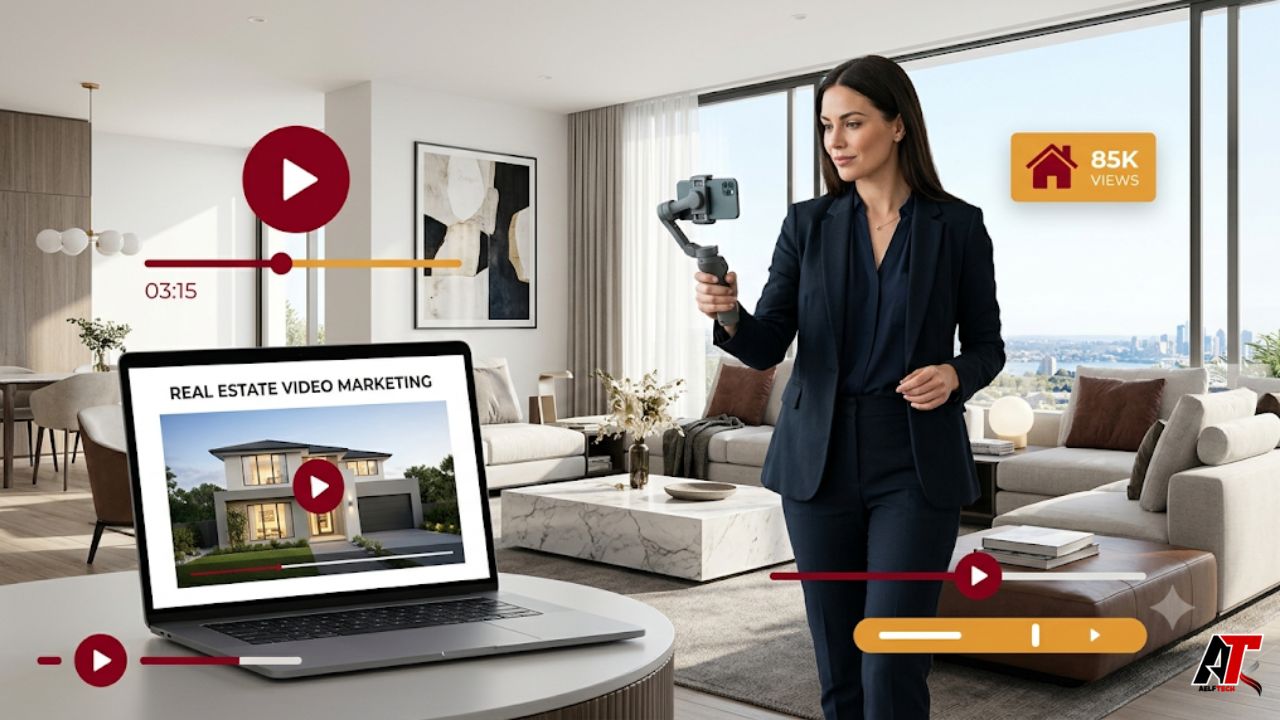
Real estate buyers now research homes before they ever speak to an agent. They compare listings, watch tours, scan social media, and judge a property in seconds. Because of this, real estate video marketing has become one of the strongest tools for building interest and trust.
A video can explain a property faster than a long description. It can show room flow, outdoor space, neighborhood appeal, and small details that photos may miss. That is why agents, developers, and property brands use video to support listings and lead generation.
A strong video does more than show walls and rooms. It helps people imagine a lifestyle. It shows how light enters a living room, how a kitchen connects with the dining area, and how a backyard could feel during a weekend gathering.
However, many property videos still look rushed. They use shaky clips, poor angles, weak lighting, and unclear messages. The result is simple. The property may look less valuable than it really is.
The good news is that you do not need a huge production budget to improve. You need a clear plan, better structure, and consistent execution. Below are seven practical ways to upscale your real estate video marketing and make every listing feel more professional.
Why Real Estate Video Marketing Matters
Real estate is emotional and visual. Photos are useful, but they only show fixed moments. Video adds movement, scale, flow, and atmosphere. It lets buyers understand how one space connects to another.
Video also supports faster decision-making. A serious buyer can watch a full walkthrough and decide whether the home fits their needs. This saves time for agents, sellers, and viewers.
In addition, real estate video marketing can support brand growth. When your videos look polished, people see you as more organized and more reliable. That matters in a competitive market.
1. Start With a Clear Story Before You Shoot
Every great real estate video starts before the camera turns on. You need to know the story of the property. Without a story, your video becomes a random collection of rooms.
Ask a simple question first. What makes this property worth attention? The answer may be the location, natural light, modern kitchen, outdoor space, rental potential, or family-friendly layout.
Once you know the main selling point, build your video around it. For example, a luxury apartment may need calm, smooth shots and elegant music. A family home may need warm scenes that show comfort, space, and daily living.
This planning step also keeps your content focused. Viewers should not feel lost. They should understand the property within the first few seconds.
A simple video structure can work well. Start with the best exterior or hero shot. Then move into the main living area. Next, show the kitchen, bedrooms, bathrooms, and outdoor features. Finally, end with a clear call to action.
2. Upgrade Your Property Walkthroughs
Walkthrough videos are common, but many are not effective. A good walkthrough should feel natural. It should guide the viewer through the home like a calm and confident tour.
First, keep the camera movement slow. Fast movement makes rooms look confusing. It can also make viewers leave the video early. Smooth motion helps people notice details.
Next, shoot from eye level when possible. This makes the video feel realistic. It also helps buyers understand the true size and flow of each space.
Then, avoid showing too much empty floor or ceiling. Focus on the features people care about. Show storage, finishes, windows, appliances, views, and the way rooms connect.
Also, open curtains and turn on lights before filming. Small details make a big difference. A bright home feels cleaner, larger, and more welcoming.
Finally, use simple voiceover or captions. Viewers may watch without sound, especially on social platforms. Captions help them understand key features quickly.
3. Create Short-Form Clips for Social Media
Long listing videos are useful, but short-form clips help you reach more people. Platforms like Instagram, TikTok, Facebook, and YouTube Shorts reward fast, useful, and attractive content.
Break one property tour into several short clips. One clip can show the kitchen. Another can show the backyard. Another can highlight the master suite or location benefits.
This approach gives you more content from one shoot. It also lets you test which features attract the most attention.
Short clips need strong openings. Start with a benefit, not a boring introduction. For example, say, “This kitchen is built for family dinners,” or “Here is why this small apartment feels so spacious.”
Also, keep the message direct. A short video should focus on one idea. Do not try to show everything. When viewers want more, guide them to the full listing or contact page.
4. Improve Lighting, Audio, and Stability
Production quality affects trust. Buyers may not notice every technical detail, but they can feel when a video looks unprofessional.
Lighting should be your first priority. Natural light is best when it is soft and even. Try to film during the time of day when the home looks bright but not harsh.
If some rooms are dark, use extra lights. Avoid strong shadows. Also, keep color tones consistent from room to room.
Stability is also important. Use a tripod, gimbal, or steady handheld technique. Shaky footage makes a property look less premium.
Audio matters when you use voiceover, agent introductions, or neighborhood clips. Record in a quiet space. Use a basic microphone if possible. Clear sound makes your message easier to trust.
These small upgrades can make real estate video marketing look far more polished without changing the property itself.
5. Use Creative Editing and Visual Layouts
Editing can turn average footage into a strong marketing asset. Good editing removes slow moments, improves flow, and highlights the best parts of a property.
For example, collage templates can help you combine different property highlights into one attractive layout. This can work well for social posts, before-and-after updates, neighborhood guides, or quick listing summaries.
You can also use text overlays to show price, location, bedroom count, square footage, nearby attractions, or special features. Keep the text short. Large blocks of text can distract from the visuals.
Music also affects the mood. Choose music that matches the property. A modern condo may need a clean, upbeat track. A luxury home may need something slower and more refined.
Still, avoid over-editing. Too many transitions, filters, and effects can make the video feel cheap. The goal is to support the property, not hide it.
A clean edit should feel smooth, honest, and easy to watch. That style builds confidence.
6. Optimize Videos for Search and Platforms
A great video needs proper optimization. Otherwise, it may not reach the right audience.
Start with a clear title. Include the property type, location, and main benefit. For example, “Modern 3-Bedroom Home Near Downtown” is better than “New Listing Video.”
Next, write a useful description. Mention the neighborhood, property highlights, viewing details, and contact information. Also, include your focus keyword when it fits naturally.
Use platform-friendly formats. Vertical videos work well for short-form content. Horizontal videos work well for YouTube, websites, and full property tours. Square formats can work for social feeds.
Also, add captions. Captions improve access and help users who watch with the sound off. They also make your message clearer.
Do not forget thumbnails. A strong thumbnail can increase clicks. Use a bright property image, simple text, and a clean design. Avoid clutter.
For brands that want cleaner content planning, aelftech.com can be used as a helpful reference point for building consistent digital content around property marketing, SEO, and online visibility.
7. Track Results and Improve Each Campaign
Real estate video marketing becomes stronger when you measure results. Guessing is not enough. You need to know which videos bring views, leads, and inquiries.
Track simple metrics first. Look at watch time, click-through rate, comments, shares, saves, and lead form submissions. These numbers show what your audience values.
For example, if kitchen clips get the most saves, use more kitchen-focused openings. If neighborhood videos get more shares, create more local lifestyle content.
Also, review where viewers stop watching. If they leave in the first five seconds, your opening is weak. If they leave halfway, the video may be too long or too slow.
Use each campaign as a lesson. Over time, your videos will become sharper, faster, and more useful.
Common Mistakes to Avoid
Some mistakes can reduce the impact of your videos. The first mistake is filming without preparation. Clean the property, plan the route, and decide the main message before shooting.
The second mistake is making the video too long. Viewers want useful details, but they also value their time. Keep the pace steady.
The third mistake is ignoring mobile viewers. Most people watch content on phones. Make sure your text, framing, and captions work on small screens.
The fourth mistake is using the same style for every property. A starter apartment, luxury villa, and rural home need different tones.
Finally, avoid weak calls to action. Tell viewers what to do next. Ask them to book a showing, view the full listing, call the agent, or request more details.
Final Thoughts
Upscaling your real estate video marketing does not mean making every video expensive. It means making every video more intentional.
Start with a clear story. Film with better light and steady movement. Use short clips, clean editing, strong captions, and platform-friendly formats. Then, track results and improve with each campaign.
When you do these things consistently, your videos start working harder. They attract better attention, create more trust, and help buyers feel connected before they visit in person.
In a market where attention moves fast, better video can give your real estate brand a stronger voice and a more professional image.
Leave a Reply