
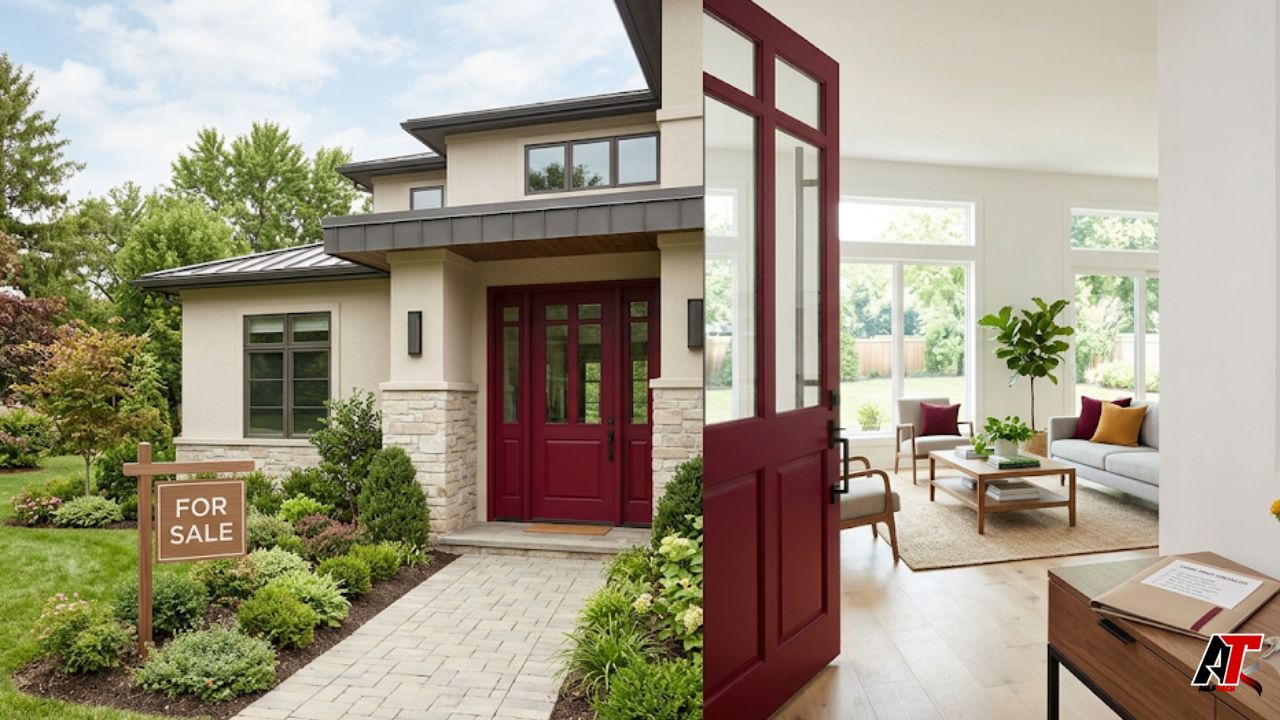
Selling a home is more than placing a sign in the yard and waiting for an offer. It is a coordinated process involving presentation, pricing, paperwork, repairs, buyer expectations, inspections, negotiations, and moving logistics. When those pieces are handled in the right order, the experience feels controlled. When they are left until the last minute, even a promising sale can become exhausting.
The best way to prepare your home for a stress-free sale is to begin with a realistic plan. Your goal is not to create a flawless showpiece or spend heavily on upgrades that may never pay back. Instead, focus on reducing uncertainty, helping buyers understand the property, and making each stage easier to manage. This guide takes you from the first planning session through the final handover.
Start With Your Selling Goals and Timeline
Before cleaning or repairing anything, decide what a successful sale means for you. Some homeowners prioritize the highest possible price and can wait for the right offer. Others need speed because of relocation, inheritance, financial pressure, or the purchase of another property. Your preferred closing date, tolerance for repairs, and available budget will shape every decision that follows.
Write down your non-negotiables and flexible points. Include the earliest date you can move, the latest acceptable closing date, your expected net proceeds, and any conditions that may complicate the transaction. A clear timeline prevents rushed choices and helps agents, buyers, contractors, and family members work toward the same outcome.
Choose the Right Selling Route
A traditional listing may provide broad market exposure and competitive bidding, but it can require preparation, showings, inspection negotiations, and a longer timeline. Selling independently can reduce some fees, although the owner assumes responsibility for pricing, marketing, buyer screening, disclosures, contracts, and coordination.
A direct sale may appeal to someone who values convenience, has a property needing substantial work, or wants to avoid repeated showings. Homeowners comparing this route can review services such as Velocity Home Buyers CA. Whatever route you explore, compare likely net proceeds rather than only the headline offer. Ask what fees, repairs, credits, and closing expenses may apply. Read every agreement carefully, verify the buyer or professional involved, and avoid anyone who uses pressure or discourages independent review.
Understand Your Local Market Before Setting the Price
Pricing is one of the most important parts of a smooth sale. A price that is too high can reduce interest and extend the listing period. A price that is too low may attract attention but leave value on the table. The strongest starting point is recent, genuinely comparable sales in the same area.
Look at properties with similar square footage, age, condition, lot size, parking, bedroom count, and location. Active listings show your competition, while closed sales show what buyers have actually paid. Request a comparative market analysis from a qualified local professional, and consider an appraisal when the property is unusual. Build the price around evidence rather than emotional attachment or renovation costs.
Complete a Practical Pre-Sale Assessment
Walk through the property as though you were seeing it for the first time. Begin outside, then move room by room with a notebook. Record visible damage, unfinished tasks, safety concerns, odors, poor lighting, clutter, and features that may confuse a buyer. Check doors, windows, faucets, toilets, appliances, outlets, locks, railings, exterior drainage, and heating or cooling systems.
A pre-sale inspection can identify issues that may later appear in a buyer’s inspection. It is especially useful for older homes, inherited properties, or houses with uncertain maintenance histories. Prioritize problems affecting safety, function, water intrusion, structure, or financing eligibility. Obtain written estimates for major work so you can compare repairing the issue with offering a credit or selling as-is.
Make Repairs That Reduce Buyer Anxiety
Not every renovation adds enough value to justify its cost. In many cases, small repairs create a stronger impression than an expensive remodel. Replace broken switch plates, tighten loose handles, repair dripping faucets, patch damaged walls, fix sticking doors, and replace burned-out bulbs. These details signal that the home has been cared for.
Use neutral touch-up paint where walls are marked, deep-clean grout, and address the source of odors rather than masking them. Outdoors, clear gutters, trim overgrown plants, remove debris, and touch up peeling paint. Keep receipts, warranties, permits, and contractor information for completed work so questions can be answered clearly.
Declutter, Depersonalize, and Stage With Purpose
Buyers need enough visual space to understand how each room functions. Remove items you no longer use, then pack seasonal belongings, excess furniture, countertop appliances, collections, and crowded décor. Organize closets and storage areas because buyers are likely to open them. Overfilled storage can make a home seem smaller.
Depersonalizing does not mean stripping the home of warmth. Keep a few attractive objects, textiles, and plants, but reduce family photographs and highly specific décor. Secure medication, jewelry, financial documents, mail, keys, and portable electronics before showings. Stage to highlight movement, natural light, useful layouts, and the property’s strongest features. The National Association of REALTORS® reported in 2025 that 83% of buyers’ agents said staging made it easier for buyers to visualize a property as their future home.
Create Strong Curb Appeal
The exterior sets expectations before a buyer steps inside. Mow the lawn, sweep paths, clean the front door, remove cobwebs, wash visible windows, and make sure house numbers are readable. Repair damaged gates, store bins neatly, and remove unused garden equipment. A clean doormat, a healthy plant, and good entrance lighting can create a welcoming first impression without requiring a costly makeover.
Prepare for Photography and Marketing
Most buyers encounter a property online before visiting it. Schedule photography after cleaning, repairs, and staging are complete. Before the photographer arrives, clear kitchen and bathroom counters, hide bins, remove pet items, open blinds, turn on lights, and check reflective surfaces.
Marketing must be accurate. Confirm bedrooms, bathrooms, approximate living area, parking, included appliances, upgrades, and restrictions. Do not exaggerate room sizes or conceal known defects. Honest descriptions attract better-matched buyers and reduce disappointment. A presentation checklist from aelftech.com USA can also support consistent messaging across the listing description, social posts, and property information materials.
Organize Documents Before Buyers Ask
Gather your ownership information, mortgage details, property tax records, utility averages, warranties, repair invoices, permits, survey if available, homeowners association documents, insurance claim history, and information about leased equipment such as solar systems. A well-organized file makes questions easier to answer and can shorten delays.
Disclosure requirements vary by state and property type, so ask a qualified real estate professional or attorney what applies. Disclose known material issues accurately and on time. Also identify liens, title concerns, probate requirements, ownership disagreements, or unpaid assessments early. These matters often take longer to resolve than expected.
Plan Showings Around Real Life
Create a repeatable showing checklist for beds, dishes, laundry, counters, lights, curtains, temperature, pets, valuables, and trash. Keep a basket available for last-minute items that can be placed in a locked car or secure storage. Set reasonable showing windows and communicate restrictions clearly.
Avoid remaining in the home during a showing unless necessary. Buyers often speak more openly and spend more time exploring when the owner is not present. Request useful feedback after visits, but do not overreact to one person’s opinion. Look for repeated themes that may justify a change in presentation, price, or access.
Review Offers Beyond the Purchase Price
The highest offer is not always the strongest. Compare financing type, down payment, deposit, inspection terms, appraisal conditions, requested credits, closing date, occupancy needs, and the buyer’s ability to perform. A slightly lower offer with clear financing and fewer uncertain conditions may create a smoother transaction.
Ask for an estimate of net proceeds for each serious offer. Account for commissions or service fees, loan payoff, taxes, agreed repairs, seller credits, title or escrow charges, and other costs. Make sure verbal promises are written into the contract. The Federal Trade Commission advises homeowners to resist pressure, read the fine print, and involve a lawyer or trusted adviser when a home-sale arrangement is difficult to understand.
Prepare for Inspection, Appraisal, and Negotiation
Once under contract, keep the property accessible and maintain its condition. For inspection, ensure utilities are on, electrical panels and mechanical systems are reachable, and keys or remotes are available. When repair requests arrive, separate legitimate concerns from preferences. You may repair an issue, provide a credit, adjust the price, share an estimate, or decline the request depending on the contract and market.
For an appraisal, provide your representative with a list of permitted improvements and recent upgrades. Keep the home presentable, but understand that the appraiser provides an independent opinion. If the valuation creates a problem, review the report for factual errors and discuss contractual options with the relevant professionals.
Protect the Closing Process
Confirm the final walkthrough expectations, included items, repair completion, key handover, utility transfer, and move-out time. Review settlement figures before signing and question any unexpected fee or credit. The Consumer Financial Protection Bureau advises parties to take time reviewing closing documents and to stop when figures or terms do not match expectations.
Wire fraud is a serious closing risk. Verify payment instructions using a trusted phone number already on file, not contact details in an unexpected email. Keep copies of signed contracts, disclosures, inspection documents, repair receipts, and settlement records. Leave the property in the condition required by the contract and remove personal belongings unless the buyer has agreed in writing to keep them.
Build a Moving Plan Beside the Sale
Begin sorting and packing before listing, while keeping essentials available. Label boxes by room and priority, arrange movers early, and confirm storage, parking, elevator, or access requirements. Keep passports, medications, chargers, closing documents, and valuables with you. If your sale and purchase dates do not align, arrange temporary housing or storage before the gap becomes urgent.
Final Checklist and Conclusion
In the final days, confirm repairs, receipts, disclosures, title requirements, move-out arrangements, utilities, keys, remotes, and closing funds. Keep important contacts in one place. Most sale stress comes from uncertainty rather than from a single task, so use a written calendar and document decisions.
Preparing a home for sale is a sequence of manageable steps. Define your goals, choose the right route, price from evidence, fix meaningful issues, present the property clearly, organize documents, and protect the transaction through closing. You do not need to make every surface perfect. You need to make the home understandable, accessible, and honestly represented. Starting early gives buyers confidence and gives you room to make thoughtful choices.
Leave a Reply