
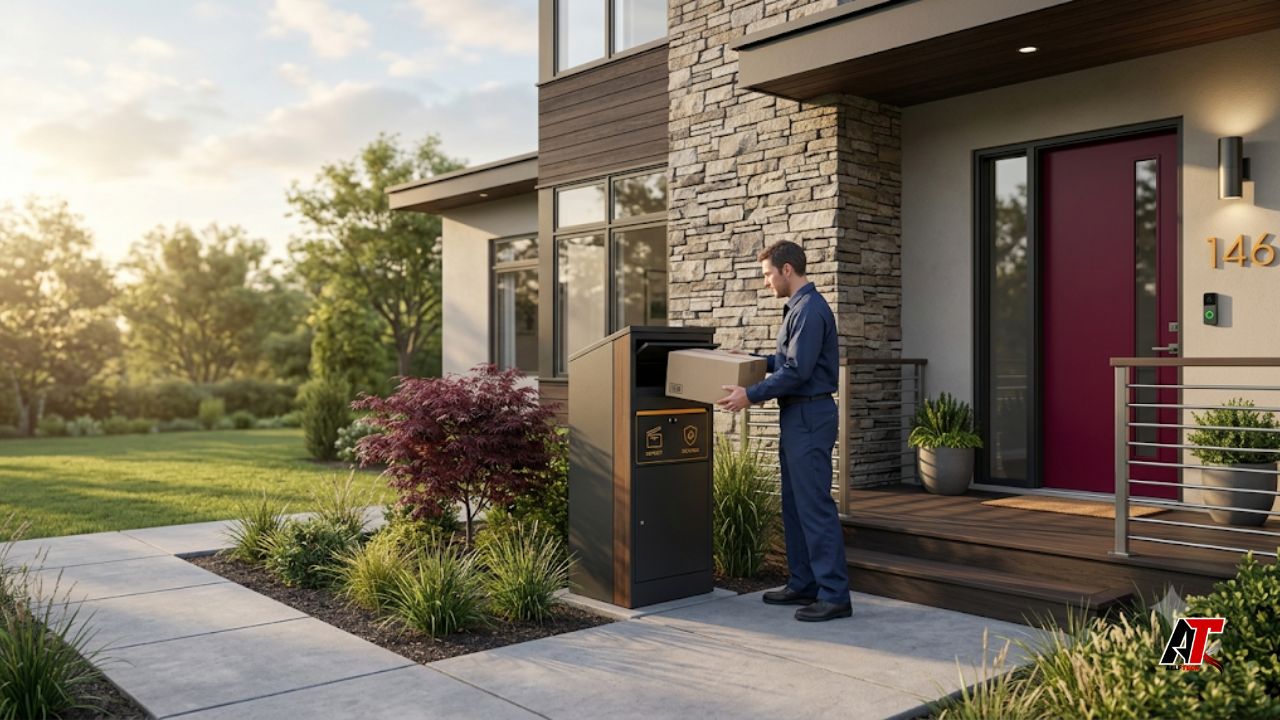
Online shopping has made everyday life easier, but it has also changed what happens at the front door. Groceries, household supplies, electronics, clothing, gifts, and work equipment may arrive while no one is home. A cardboard box left on a porch can attract unwanted attention, become soaked by rain, or create an untidy entrance. For modern households, the delivery process now deserves the same planning as locks, lighting, cameras, and landscaping.
A well-designed parcel package drop box offers a practical answer. It provides delivery drivers with a clear place to leave eligible parcels and gives homeowners a protected compartment for collecting them later. Unlike a temporary storage bin, a purpose-built drop box can combine durable construction, secure access, weather resistance, and an appearance that suits the property.
This shift is not only about preventing theft. It reflects a broader move toward homes that are more organized, delivery-ready, and visually considered. A parcel box can support busy professionals, families, frequent travelers, home-based workers, and anyone who wants greater control over doorstep deliveries without sacrificing curb appeal.
Why Parcel Delivery Has Become a Home-Design Issue
The traditional front porch was designed mainly for visitors and occasional mail. Today, it may function as a daily delivery point. Packages can arrive from several carriers, at different times, and in very different sizes. When delivery volumes increase, leaving every parcel in the open becomes inconvenient and unpredictable.
Security is the most obvious concern, but it is only one part of the problem. Exposed deliveries can be damaged by rain, snow, heat, dust, pets, or accidental impact. Boxes can block a walkway, reveal shopping habits, or remain visible long after delivery. Even when nothing is stolen, a pile of packages can make the entrance look cluttered and unmanaged.
How a Parcel Package Drop Box Works
Most parcel drop boxes use a simple principle: the delivery person places a package through an upper door, hatch, or deposit opening, and the parcel moves into a separate locked compartment. The homeowner later retrieves it through an access door using a key, combination, or another controlled locking method. The exact design varies by model, size, mounting style, and intended use.
Some units are freestanding and can be positioned near a driveway, gate, porch, or side entrance. Others are mounted on a pedestal, secured to concrete, integrated into a wall, or installed within a sheltered entry. Larger delivery vaults may handle several parcels, while compact models are better suited to routine small and medium packages.
The best system is easy for a driver to recognize and simple to use without special instructions. A clear label, an accessible deposit opening, and sensible placement all improve the chance that parcels will be left inside. At the same time, the retrieval door should face a private or convenient direction so the resident can collect deliveries comfortably.
The Main Security Benefits
Reducing Opportunistic Package Theft
A visible package can be tempting because it requires little effort to remove. A locked parcel box changes that situation. It hides the delivery from casual view and creates a physical barrier between the package and anyone passing the property. No residential product can guarantee complete protection, but reducing visibility and increasing the effort required can make a meaningful difference.
Protecting Privacy
Packaging can reveal where a household shops, how often it orders, and whether valuable items may be inside. Moving parcels into an enclosed compartment keeps labels, branding, and box sizes out of sight. This provides a quieter form of privacy that cameras alone cannot offer.
Supporting Layered Home Security
A parcel box works best as part of a wider security plan. Exterior lighting, visible house numbers, doorbell cameras, locked gates, and trimmed landscaping all support safer deliveries. The box handles the package itself, while the other measures improve visibility, access control, and awareness around the entrance.
Weather Protection and Package Condition
Weather damage is often overlooked until a parcel arrives wet, faded, overheated, or crushed. A delivery may contain clothing, books, documents, food items, cosmetics, electronics, or materials that are sensitive to moisture and temperature. Even durable products can be affected when cardboard packaging sits outdoors for several hours.
A quality parcel box should provide a covered deposit area, overlapping seams, drainage-aware construction, and a finish suitable for outdoor exposure. Powder-coated steel and corrosion-resistant aluminum are common choices because they can offer strength while tolerating changing conditions. The most suitable material depends on the climate, placement, and maintenance expectations.
Security Does Not Have to Look Industrial
Older security products often looked purely functional. Modern parcel boxes are increasingly designed as exterior features that can complement a home rather than distract from it. Clean lines, concealed hinges, coordinated finishes, and balanced proportions allow the box to sit comfortably beside modern, traditional, farmhouse, or transitional architecture.
Color selection can connect the unit to the front door, window frames, roof, fencing, lighting fixtures, or mailbox. Black and charcoal create a contemporary appearance, bronze suits warmer exteriors, and light neutral finishes can blend with stone or stucco. The goal is not necessarily to hide the box. A deliberate, well-placed unit can look like part of the property plan.
Choosing the Right Size for Your Household
Size should be based on actual ordering habits rather than the dimensions of the smallest parcel. Think about the largest package received regularly, the number of deliveries that may arrive before collection, and whether several household members order online. A box that is too small will often be ignored, while an oversized unit may dominate a compact entrance.
Measure the usable internal compartment, not only the external cabinet. The deposit opening must also be large enough for typical packages. Consider whether the design prevents someone from reaching through the opening into the storage area. For frequent travelers or high-volume households, a larger vault-style unit may be more useful than a small single-package model.
Important Features to Compare Before Buying
- A secure locking system with protected or pry-resistant access points.
- Strong hinges and a design that limits access through the delivery opening.
- Outdoor-rated materials and a durable, corrosion-resistant finish.
- An opening and internal compartment suitable for common package sizes.
- A mounting method that allows the unit to be anchored securely.
- Clear delivery instructions or labeling that drivers can understand quickly.
- A retrieval door positioned for convenient, private access.
- Replacement keys, lock support, warranty details, and available parts.
Specialist suppliers such as U.S. Mail Supply offer multiple delivery and collection formats, including freestanding, pedestal, wall-mounted, and vault-style solutions. Comparing the installation type and intended application is more useful than choosing only by appearance.
Where Should You Install It?
The ideal location balances driver access, homeowner convenience, security, and visibility. A driver should not need to enter a private side yard, climb unnecessary steps, or search behind landscaping. At the same time, the box should not interfere with doors, paths, vehicles, accessibility, or emergency access.
Near the porch or driveway is often practical, especially when the unit is visible from the normal delivery approach. Homes with gates may benefit from a box positioned outside the secure boundary so packages can be deposited without opening the gate. Wall-mounted systems can work well beside a garage or entry when the wall structure and interior retrieval arrangement are suitable.
Before installation, check local rules, homeowners association requirements, property setbacks, and any carrier-specific considerations. Products intended for private delivery may differ from equipment designed for postal access. Secure anchoring is essential because even a strong cabinet offers limited value if the entire unit can be moved.
Making Delivery Drivers More Likely to Use the Box
A parcel box only works when the delivery person knows it is available. Place a clear but tasteful sign near the normal drop point. Add delivery notes to online retailer and carrier profiles when those options are available. Instructions should be brief, such as “Place packages in parcel box beside the garage.”
Avoid complicated locks or procedures that require a driver to wait for a code unless the system is specifically designed for that workflow. Keep the deposit opening clear and test it with boxes similar to those you receive. During the first few weeks, monitor which carriers use the box and adjust the sign or instructions if packages continue to be left elsewhere.
Maintenance for Long-Term Performance
Parcel boxes require less maintenance than many outdoor features, but they should not be ignored. Clean dust, leaves, salt, and moisture from the cabinet. Check hinges, fasteners, seals, and locks several times a year. Lubricate the lock only with a product recommended for that mechanism, and address scratches before corrosion can spread.
Remove packages promptly so the box remains available for the next delivery. During wet or freezing weather, inspect drainage points and confirm the door closes fully. Keep spare keys in a secure location and replace damaged labels before instructions become difficult to read.
Is a Parcel Drop Box Worth the Investment?
The value depends on delivery frequency, local conditions, household routines, and the type of items commonly ordered. Someone who receives one low-value parcel each month may not need a large vault. A family receiving several deliveries every week may gain daily convenience from a secure, permanent solution.
The benefit is easier to understand when it is viewed beyond theft prevention. A parcel box can reduce missed deliveries, protect packages from weather, keep the entrance tidy, improve privacy, and make travel days less stressful. It can also become a practical selling feature for buyers who rely heavily on online shopping.
For homeowners researching connected security, exterior upgrades, and digital-first lifestyle solutions, resources from aelftech.com can support a broader understanding of how technology and thoughtful design improve everyday experiences. The strongest result comes from choosing a parcel box that fits the home, then integrating it into clear delivery and security habits.
Frequently Asked Questions
Can every package fit inside a parcel drop box?
No. Capacity depends on the deposit opening and internal compartment. Oversized, unusually shaped, refrigerated, signature-required, or restricted deliveries may still need another arrangement. Compare dimensions with packages you receive most often.
Will all delivery companies use it?
Usage can vary by carrier, driver, route, and delivery instructions. A visible location and clear directions increase the likelihood of use. The box should be quick to operate and should not require the driver to enter a private area.
Can a parcel box replace a security camera?
They serve different purposes. A box physically stores and hides packages, while a camera records activity and provides alerts or evidence. Used together, they create a stronger layered approach.
Do parcel drop boxes need to be anchored?
Most outdoor units should be secured according to the manufacturer’s instructions. Anchoring can prevent tipping, movement, or removal. The correct method depends on the model, surface, local conditions, and building structure.
Are parcel boxes suitable for apartments or shared properties?
Yes, but shared properties often need multi-user parcel lockers, controlled access, clear management procedures, and enough capacity for several residents. Property managers should also consider accessibility and local postal requirements.
Final Thoughts
Parcel package drop boxes are becoming a natural part of modern living because they solve several doorstep problems at once. They protect deliveries from casual theft and harsh weather, reduce clutter, preserve privacy, and create a more reliable receiving process for busy households.
The right unit should not feel like an afterthought. It should match the scale and style of the home, accommodate real package sizes, offer durable construction, and sit in a location that works for both drivers and residents. When those details are planned carefully, a parcel box becomes more than a container. It becomes a practical extension of the home’s security, organization, and design.
Leave a Reply