
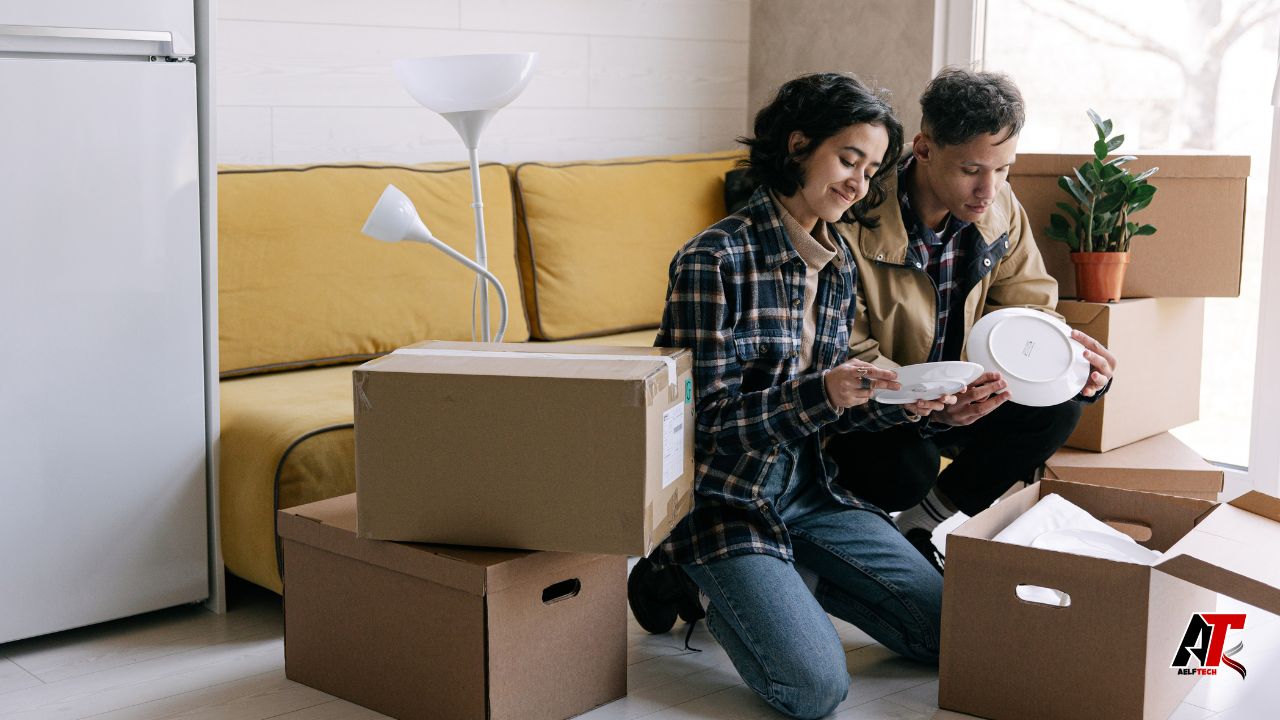
Moving into a new home is an exciting milestone, whether you’re buying your first property, upgrading to a larger space, or relocating for work or family. While the process can feel overwhelming, careful planning makes the transition much easier. Moving into a New House involves more than transporting boxes from one address to another—it also means preparing your new home, organizing your belongings, and creating a comfortable living environment from day one.
With the right approach, you can reduce stress, avoid common moving mistakes, and settle into your new home with confidence.
Plan Your Move Early
A successful move starts with preparation. Waiting until the last minute often leads to unnecessary stress and overlooked tasks.
Begin planning several weeks before moving day by creating a checklist that includes:
- Booking a moving company or rental vehicle
- Gathering packing supplies
- Updating your address
- Scheduling utility connections
- Organizing important documents
Breaking the move into smaller tasks makes the process more manageable.
Declutter Before Packing
Moving is the perfect opportunity to reduce unnecessary belongings.
Go through each room and separate items into categories:
- Keep
- Donate
- Sell
- Recycle
- Dispose
Packing only what you truly need saves time, reduces moving costs, and makes unpacking much easier.
Pack Room by Room
Packing one room at a time helps maintain organization.
Label every box clearly with:
- Room name
- General contents
- Fragile items
- Priority level
For example:
- Kitchen – Everyday Dishes
- Bedroom – Bedding
- Living Room – Electronics
Clear labels allow movers and family members to place boxes in the correct rooms immediately.
Prepare an Essentials Box
One of the most useful moving tips is packing an essentials box that stays with you during the move.
Include items such as:
- Toiletries
- Phone chargers
- Medications
- Important documents
- Basic cleaning supplies
- Snacks
- A few changes of clothes
Having these essentials easily accessible prevents unnecessary searching during your first day.
Inspect Your New Home
Before unpacking everything, walk through the property carefully.
Check:
- Plumbing fixtures
- Electrical outlets
- Windows and doors
- Heating and cooling systems
- Smoke detectors
- Locks
If you notice maintenance issues, document them and arrange repairs as soon as possible.
Change the Locks
Even if the previous owners returned all keys, replacing or rekeying exterior locks is a good security measure.
Consider updating:
- Front door locks
- Back door locks
- Garage access
- Smart lock codes if applicable
This helps ensure that only authorized people have access to your new home.
Set Up Utilities
Confirm that essential services are active before moving in.
These may include:
- Electricity
- Water
- Gas
- Internet
- Waste collection
Scheduling utility activation before moving day helps avoid unnecessary inconvenience.
Clean Before Unpacking
Cleaning an empty house is much easier than cleaning around furniture and boxes.
Focus on:
- Floors
- Cabinets
- Bathrooms
- Kitchen surfaces
- Windows
Starting with a clean home creates a more comfortable environment for unpacking.
Unpack Strategically
Rather than opening every box immediately, unpack according to priority.
Start with:
- Bedroom
- Bathroom
- Kitchen
- Living room
- Storage areas
Having essential rooms fully functional first makes the transition much smoother.
Update Your Address
Remember to notify important organizations of your new address.
These may include:
- Banks
- Insurance providers
- Government agencies
- Employer
- Healthcare providers
- Subscription services
Updating your information promptly helps avoid missed correspondence.
Get to Know Your Neighborhood
Moving isn’t only about the house—it’s also about becoming part of a new community.
Take time to explore:
- Grocery stores
- Pharmacies
- Parks
- Restaurants
- Schools
- Public transport
- Healthcare facilities
Introducing yourself to neighbors can also help you feel more connected.
Create a Home Maintenance Schedule
Regular maintenance protects your investment and helps prevent costly repairs.
Consider scheduling:
- HVAC servicing
- Gutter cleaning
- Smoke detector testing
- Air filter replacement
- Lawn maintenance
A simple maintenance calendar keeps important tasks organized throughout the year.
Add Personal Touches
Once the essentials are unpacked, begin making the space your own.
Simple updates may include:
- Hanging artwork
- Decorating shelves
- Adding indoor plants
- Arranging family photos
- Updating lighting
Personal touches help transform a house into a home.
Common Mistakes to Avoid
Many homeowners encounter similar moving challenges.
Avoid these common mistakes:
- Packing without labels
- Forgetting to update your address
- Waiting too long to book movers
- Overloading boxes
- Ignoring home inspections
- Unpacking everything at once
A little planning can prevent many of these issues.
Frequently Asked Questions
How far in advance should I start preparing for a move?
It’s generally helpful to begin planning four to eight weeks before moving day, depending on the size of your move and the amount of preparation required.
What should I unpack first?
Focus on essential rooms such as the bedroom, bathroom, and kitchen before moving on to decorative items and storage.
Should I clean the house before moving in?
Yes. Cleaning before unpacking is usually easier because the rooms are empty and fully accessible.
What documents should I keep with me during the move?
Keep important documents such as identification, financial records, contracts, insurance papers, and medical information with you rather than packing them in the moving truck.
What’s the best way to reduce moving stress?
Planning ahead, staying organized, decluttering before packing, and tackling one task at a time can make the moving process much more manageable.
Conclusion
Moving into a new house marks the beginning of an exciting chapter, but a successful transition depends on thoughtful preparation and organization. By planning your move early, decluttering before packing, inspecting your new home, and unpacking strategically, you can reduce stress and settle in more comfortably. Taking the time to update essential information, secure your property, and get to know your new neighborhood will help you feel at home sooner. With a clear plan and a little patience, your new house can quickly become a place where lasting memories are made.
Leave a Reply