
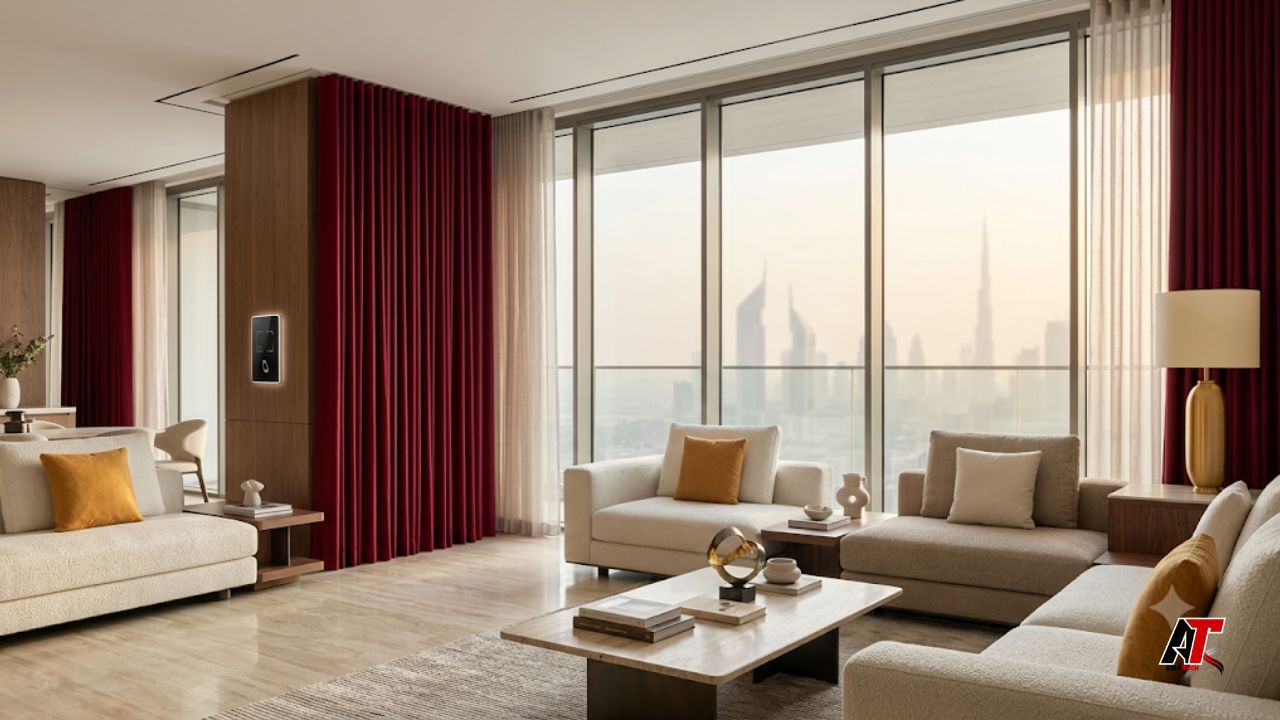
Curtains have become a central part of interior planning rather than a final decorative purchase. In 2026, Dubai homeowners are choosing window treatments that manage strong sunlight, privacy, temperature, glare, and visual comfort while still supporting a polished design. This is especially important in apartments and villas with wide glass panels, open layouts, hard floors, and bright daylight. The best modern curtain styles in Dubai now combine architectural simplicity with flexible everyday performance.
A successful design starts by considering the room, window direction, desired privacy, furniture layout, and operating method. A bedroom may need reliable blackout performance, while a living room often benefits from filtered daylight and a softer view. When reviewing samples at a trusted curtains shop in Dubai, look beyond color. Ask about fabric weight, lining, fullness, track type, cleaning, installation, and how the curtains will stack when open.
Why Curtain Design Matters in Dubai Homes
Many Dubai interiors feature generous windows, marble or tiled surfaces, high ceilings, and minimal furniture. These elements can feel impressive but visually hard or echo-prone. Full, well-proportioned curtains soften the room, improve acoustics, frame the view, and connect walls, flooring, and furniture without adding clutter. Correctly positioned tracks can also make windows appear wider and ceilings look taller.
Light control is equally important. Direct sun can create screen glare, reduce comfort near windows, and gradually affect furnishings. A considered curtain system filters brightness without making a home feel closed. In the daytime, translucent fabric can maintain an airy mood; at night, a denser layer creates privacy and calm. The objective is controlled light, not simply a covered window.
1. Layered Sheer and Blackout Curtains
Layering continues to be one of the most practical 2026 trends for Dubai. The usual arrangement combines a light-filtering inner layer with lined dimout or blackout drapes. During the day, quality Sheer curtains soften glare, preserve brightness, and provide partial privacy. In the evening, the outer curtain closes for stronger privacy, light reduction, and a more intimate atmosphere.
The current look is refined rather than bulky. Linen-look sheers, soft woven textures, and matte finishes are replacing shiny fabrics. Each layer should have a separate track so it can move independently. Warm neutral outer curtains remain versatile, while burgundy, olive, cocoa, or muted bronze can add controlled depth. Slight differences in tone and texture usually create a richer result than perfectly matching both layers.
2. Wave Pleat Curtains with Clean Lines
Wave pleat, or ripple-fold, curtains are ideal for contemporary apartments and villas because their evenly spaced folds create a calm rhythm from ceiling to floor. The discreet track keeps hooks and rings out of sight, producing a smooth, hotel-inspired finish. This heading works with sheers, heavier curtains, or a double-layer arrangement and suits sliding doors, broad living-room windows, and modern bedrooms.
Good planning is essential. The track should extend far enough beyond the glass to provide stacking space, and the fabric quantity must be sufficient to maintain the wave. Reduced fullness can make panels look flat and unfinished. In 2026, wave curtains are commonly used in ivory, sand, taupe, mushroom, and stone, with richer accent tones introduced through selected rooms or decorative borders.
3. Floor-to-Ceiling Curtains and Concealed Tracks
Full-height curtains remain a defining feature of modern Dubai interiors. Mounting the track at ceiling level, or hiding it inside a recessed curtain pocket, creates an uninterrupted vertical line. This makes compact apartments feel taller and gives large villas a more architectural finish. Concealed hardware also allows the fabric to look integrated with the room rather than attached as an afterthought.
The finished hem can sit slightly above the floor for easy cleaning or touch it lightly for a softer tailored effect. Heavy pooling may look dramatic but is less practical in busy homes because it collects dust and loses shape. Recessed tracks should be planned during ceiling work so there is enough space for double tracks, curtain stacking, and any motor components.
4. Smart and Motorized Curtain Systems
Motorized curtains are becoming a practical choice for wide glass walls, tall windows, heavy fabrics, and smart-home routines. Curtains can be operated through a remote, wall switch, application, voice-compatible system, or scheduled automation. A west-facing room, for example, can close before strong afternoon sun, while bedroom curtains can open gradually in the morning.
Automation also improves appearance by moving large panels evenly and reducing pulling or fabric handling. Before ordering, check power access, track length, curtain weight, motor capacity, control compatibility, noise level, manual override, and servicing support. Battery systems can help in completed rooms, while hardwired motors are often preferable during construction or renovation.
5. Natural Textures and Relaxed Luxury
The glossy, overly formal look is giving way to softer luxury. Linen-look weaves, textured cotton blends, matte surfaces, and gently structured drapery bring warmth to modern rooms without appearing casual. These fabrics pair naturally with travertine, wood, boucle, brushed metal, handmade accessories, and calm neutral furnishings.
Pure linen offers organic character but creases naturally and may move slightly with humidity. Performance blends provide a similar appearance with greater stability and easier care. Always view a large sample beside the actual window because intense daylight can change color and transparency. In neutral spaces, texture is particularly important because it prevents ivory, beige, or cream palettes from feeling empty.
6. Warm Neutrals and Confident Accent Colors
Cool grey is no longer the automatic choice for contemporary curtains. The 2026 palette is warmer, with ivory, oat, caramel, clay, taupe, olive, chocolate, muted gold, and terracotta working well with Dubai’s bright light. These shades complement stone floors, cream upholstery, timber, and warm metallic finishes while keeping the room comfortable and timeless.
Homeowners are also using deeper color more confidently. Burgundy curtains can enrich a pale bedroom, while olive or bronze can ground a minimal living room. Repeat the chosen accent in one or two smaller details, such as cushions, artwork, or a rug pattern, so the color feels intentional. Test the fabric in morning light and under evening lamps before making a final decision.
7. Subtle Patterns, Borders, and Tailored Details
Modern curtains do not need to be completely plain. Fine stripes, understated botanical motifs, geometric weaves, contrast borders, and decorative leading edges are adding personality in 2026. These details work best when the architecture and furniture are simple, allowing the window treatment to contribute interest without overwhelming the room.
A vertical border can emphasise height, while a colored leading edge becomes visible when the curtains are open. Patterned sheers create gentle shadow and movement during the day. Match pattern scale to the room: small motifs suit compact spaces, while broad designs need larger walls. Repeating a trim color elsewhere produces a more coordinated and custom-looking result.
8. Roman Blinds Paired with Side Curtains
A modern Roman blind with side curtains is useful when full double drapery would feel too heavy. The blind provides accurate light control and a compact stack, while the side panels add softness and height. This combination suits home offices, dining areas, guest bedrooms, and windows located above desks, consoles, or low furniture.
Choose a flat or gently structured Roman design for a clean appearance. The blind may match the curtain fabric or contrast subtly through texture. Lining improves shape and light control, but measurements must account for handles, opening windows, and the raised blind depth. This approach can also reduce the amount of premium curtain fabric required while preserving a high-end finish.
How to Choose Curtains for Each Room
In living rooms, prioritise flexible daylight, proportion, and a fabric that connects with the main seating. Layered wave curtains or sheers with full-height outer panels usually offer the right balance. Bedrooms require stronger privacy and darkness, so choose lined blackout curtains with generous center overlap and reduced light gaps near the ceiling and sides. A sheer inner layer keeps the room comfortable during the day.
Home offices need glare control more than dramatic fullness. Adjustable sheers, Roman blinds, or simple track systems can protect screen visibility without creating a gloomy workspace. In children’s rooms, select easy-care fabrics, safe operating systems, and secure hardware. Kitchens and bathrooms require materials that tolerate moisture and regular cleaning, so full fabric drapes may not always be appropriate.
Window direction should guide performance. West-facing rooms often need stronger solar and blackout layers, while rooms with softer exposure may use lighter fabrics. Observe the window across the day before ordering. Also note air-conditioning vents, balcony doors, furniture positions, and the space required for panels to stack without blocking the view.
Common Curtain Mistakes to Avoid
Do not choose fabric before confirming measurements, track position, fullness, and stacking space. Panels that are too narrow may cover the glass but appear stretched when closed. Avoid judging color from a small online image; transparency, weave, and tone can change significantly in real daylight. Large samples should be viewed vertically at the window during daytime and evening.
Cleaning and installation should also influence the decision. Check whether the fabric is washable, dry-clean only, stain resistant, or likely to crease. Premium material can still look disappointing on an uneven track or with an incorrect hem. Accurate fitting, strong brackets, suitable gliders, careful steaming, and properly dressed folds create the final tailored appearance.
Practical Buying Checklist
- Define the required privacy, light filtering, dimout, or blackout level.
- Confirm track position, curtain drop, fullness, overlap, and stacking space.
- Choose manual, motorized, wall-mounted, ceiling-mounted, or recessed operation.
- View large fabric samples in the actual room at different times of day.
- Check lining, care instructions, installation, warranty, and motor servicing.
Final Thoughts
The leading modern curtain styles in Dubai for 2026 combine clean architecture with comfort and personal expression. Layered sheers, wave pleats, concealed tracks, natural textures, warmer colors, and smart operation are popular because they improve both appearance and daily living. The ideal treatment should control light without making the room feel closed, protect privacy without sacrificing elegance, and remain practical to maintain.
Begin with the room rather than a catalogue image. Consider sunlight, furniture, ceiling details, cleaning needs, and the atmosphere you want before selecting fabric. For more practical interior, technology, and lifestyle guidance, explore aelftech.com. Careful planning will help your curtains feel current in 2026 while remaining refined for years.
Frequently Asked Questions
What curtain style is most popular in Dubai in 2026?
Layered floor-to-ceiling curtains are a leading choice because they combine a light-filtering sheer with a dimout or blackout outer layer. Wave pleats and concealed ceiling tracks give the arrangement a clean, contemporary finish.
Are sheer curtains suitable for strong Dubai sunlight?
Yes, they soften glare and preserve brightness, but they do not provide complete heat, UV, or nighttime privacy protection alone. Combine them with lined curtains, blinds, or another performance layer on exposed windows.
Are motorized curtains worth installing?
They are valuable for large glass walls, tall windows, heavy curtains, and automated routines. Their long-term performance depends on correct weight calculations, reliable motors, suitable power access, and local servicing support.
Which curtain colors look luxurious in modern homes?
Warm neutrals such as ivory, mushroom, taupe, caramel, and stone create a refined base. Burgundy, olive, cocoa, bronze, or muted gold can add richness when the chosen color is repeated elsewhere in the room.
Leave a Reply