
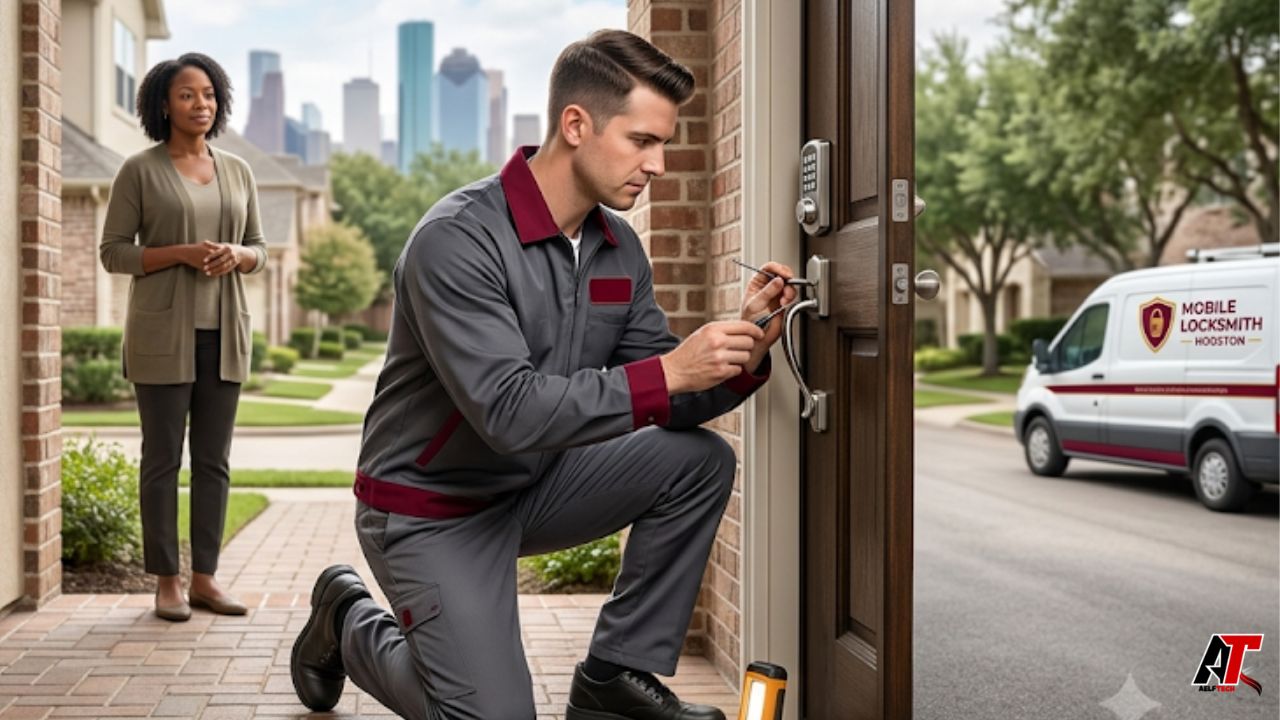
A lockout, broken key, damaged deadbolt, or missing car fob can turn a normal day into a stressful one. In that moment, calling the first number online may feel like the fastest option. Yet the person you hire may gain access to your home, vehicle, office, or security system.
Choosing a reliable locksmith in Houston therefore requires more than speed. You need a legitimate business, a properly credentialed technician, a clear price, and someone with the right experience for your lock, door, vehicle, or access-control problem.
Why the Right Locksmith Matters
Locksmith work directly affects personal safety and property security. Poor installation can weaken a door, damage a vehicle, void a hardware warranty, or leave a commercial building vulnerable. An inexperienced technician may also drill a lock that could have been opened or repaired with a less destructive method.
A dependable professional should protect your property, explain the available options, confirm that you are authorised to request access, and leave the lock working correctly. Clear communication matters even more when you are tired, stranded, or under pressure.
1. Check Texas Licensing First
Texas regulates locksmithing as part of the private security profession. The Texas Department of Public Safety oversees locksmith companies and individual locksmiths through the state licensing system. This creates an important first check before you allow anyone to begin work.
Ask for the company’s Texas private security licence number. Then verify the record through the state’s online licensing search. The business name, operating name, and licence status should match the information you received by phone, text, or website.
A licence does not guarantee a perfect experience. It does, however, create accountability. Texas DPS can receive complaints, investigate violations, and take disciplinary action. Be cautious when a caller avoids licensing questions or claims that credentials are unnecessary.
2. Confirm the Company Is Truly Local
Some online listings use a Houston phone number even when calls are routed to a distant dispatch centre. Ask for the legal business name, service area, website, and local address or dispatch details when available. The same identity should appear on the website, invoice, vehicle, and licensing record.
A genuine local company should understand Houston neighbourhoods and give a realistic arrival window based on traffic and technician availability. Be wary of an exact arrival promise made before the dispatcher asks where you are or what service you need.
Reviewing a service page such as locksmith in Houston can help you understand the company’s residential, automotive, commercial, and emergency offerings. A polished website is useful, but it does not replace independent licence and pricing checks.
3. Ask for Clear Pricing Before Dispatch
Locksmith prices vary by time of day, travel distance, lock type, door condition, vehicle model, hardware, and the work required. A company may not be able to promise an exact total before inspection. It should still explain how the price will be calculated.
Ask whether the estimate includes the service call, labour, hardware, taxes, emergency charges, key cutting, and programming. Request the estimate by text or email when possible. If the scope changes after inspection, the technician should explain the new cost and ask for approval before continuing.
Be cautious with very low advertised prices. They may cover only a call-out fee. A phrase such as “starting from” is useful only when the company explains what may increase the total.
4. Expect Identification and Ownership Checks
When the technician arrives, the company name should match the business you contacted. Look for professional identification, a marked vehicle when used, and an invoice carrying the same business details. Ask to see the technician’s credential when appropriate.
A responsible locksmith should also confirm that you are authorised to enter the property or vehicle. You may be asked for identification, vehicle registration, a lease, a utility bill, or confirmation from an owner or manager.
If your identification is locked inside, explain that before work starts. A professional can discuss alternative verification and may ask to see the document immediately after entry. Someone willing to open any door without questions is not following good security practice.
5. Match the Technician to the Job
Locksmithing includes several specialties. A technician who handles home rekeying may not have the equipment to programme a modern proximity key. A mobile automotive specialist may not be the right person for panic hardware, a master-key system, or electronic access control.
Describe the problem clearly when you call. Mention the lock brand when visible, the door type, the vehicle year and model, the number of locks, and whether the key is lost, broken, stolen, or locked inside. For a smart lock, share the model and any error message.
Ask whether the assigned technician regularly performs that exact service. Relevant experience, compatible parts, and the correct software can reduce delays and unnecessary damage.
6. Read Reviews Carefully
Online reviews can help, but the average star rating should not be your only test. Read recent comments and look for repeated details about punctuality, communication, final pricing, property care, and how the company handled a problem.
Check more than one platform when practical. A natural review history normally develops over time and includes specific service details. Be cautious when a profile suddenly receives many nearly identical reviews or when the company has repeatedly changed names.
7. Check Insurance and Warranty Terms
Ask whether the company carries appropriate insurance and what protection applies if the technician damages a door, frame, lock, vehicle, or surrounding finish. Coverage can vary by business and job type, so request written confirmation for complex or high-value work.
Also ask about labour and hardware warranties. Clarify what is covered, how long coverage lasts, whether a return-visit fee applies, and whether the manufacturer’s warranty is separate from the locksmith’s workmanship warranty.
Keep the itemised receipt, product model, and warranty statement. Written terms are especially useful for smart locks, commercial hardware, master-key systems, ignition work, and key-fob programming.
8. Understand the Main Service Types
Residential locksmiths commonly handle home lockouts, rekeying, deadbolt installation, broken-key extraction, lock repair, mailbox locks, smart locks, and security upgrades after a move or break-in. Rekeying changes the lock so old keys no longer work, while replacement installs new hardware.
Automotive locksmiths may unlock vehicles, cut keys, programme transponder keys or fobs, extract broken keys, and address certain ignition problems. Capability varies by make, model, year, and security system, so confirm compatibility before dispatch.
Commercial services can include office lockouts, lock replacement, master-key systems, restricted key control, door closers, panic hardware, and electronic access devices. Larger projects usually need a site survey and written scope rather than a quick phone quote.
9. Keep Emergency Expectations Realistic
Houston’s size, traffic, weather, technician workload, and your exact location all affect arrival time. A trustworthy dispatcher should provide a realistic window and update you if conditions change. An instant guarantee made without basic job details is less useful.
While waiting, move to a safe and visible location when possible. Do not force a vehicle door or break a window unless there is an immediate life-threatening emergency. If a child, vulnerable adult, or animal is in danger, contact emergency services first.
Ask for the technician’s name, expected vehicle, contact number, and estimated charges. Keep a record of the call, especially when the booking is made during an emergency.
10. Watch for Common Red Flags
Warning signs include a generic phone greeting, refusal to provide a licence number, no written estimate, pressure to pay cash only, or a price that rises sharply without explanation. Immediate drilling before an inspection is another reason to pause.
Other concerns include a technician who cannot show identification, a business name that changes between the call and invoice, demands for full payment before inspection, or refusal to provide a receipt. Drilling is sometimes necessary, but the reason should be explained.
If you feel unsafe or believe the technician is misrepresenting the business, stop the job. Contact the company through a verified number and document what happened. Complaints involving a regulated licensee can be directed to Texas DPS.
What a Professional Visit Should Look Like
A professional visit begins with identification, authority verification, and inspection. The locksmith should confirm the requested service, explain the likely method, identify possible risks, and confirm the estimate before starting.
During the work, the technician should use appropriate tools and protect nearby surfaces. If an unexpected issue appears, such as a damaged latch, misaligned door, incompatible part, or failed electronic component, the technician should pause and discuss the options.
Before leaving, the locksmith should test the lock, keys, or credentials; clean the work area; and provide an itemised receipt. For new hardware, ask for model details, spare keys, codes, instructions, and warranty information.
Questions to Ask Before Hiring
You do not need to conduct a long interview during a stressful lockout. A few direct questions can reveal whether the company communicates clearly and professionally.
- What is the legal business name and Texas licence number?
- What is the estimated arrival window?
- What fees are included in the quoted range?
- Which conditions could increase the final price?
- Is the technician experienced with this lock, door, or vehicle?
- Will I receive an itemised invoice and written warranty?
A legitimate company should answer reasonable questions without pressuring you. For planned work, request a written proposal, hardware specifications, and a clear payment schedule.
Quick Hiring Checklist
- Confirm the company licence and business name.
- Get a written price range before dispatch.
- Match the technician’s specialty to the job.
- Expect identification and ownership verification.
- Approve any price change before extra work begins.
- Test the lock and review the itemised receipt before payment.
Final Thoughts
The best locksmith is not simply the person who arrives first or advertises the lowest starting price. A reliable local professional combines valid credentials, relevant experience, transparent pricing, careful verification, suitable tools, and respectful communication.
When you need a locksmith in Houston, spend a few minutes verifying the Texas licence, confirming the business identity, and understanding how the final price will be calculated. These small checks can protect your property and reduce the risk of unexpected charges.
For more practical consumer and technology guides written in clear language, visit aelftech.com.
Leave a Reply