
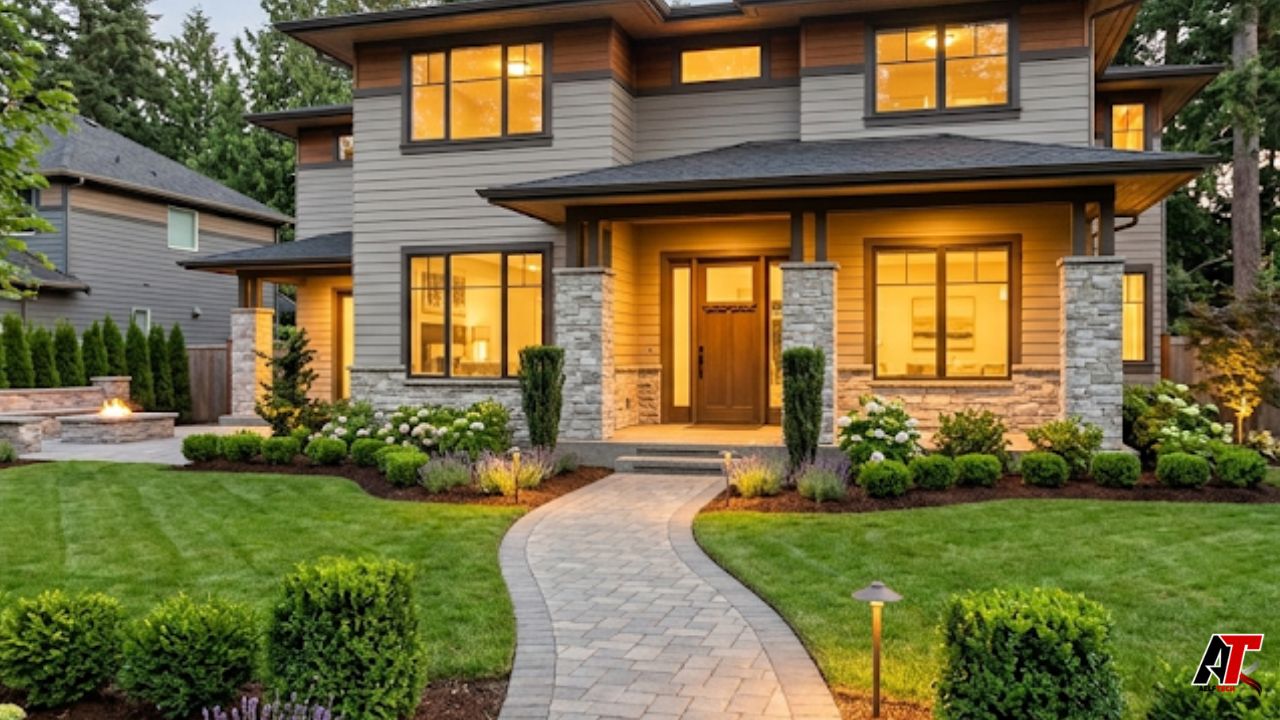
Landscaping is often treated like a finishing touch. Many homeowners think about it only after the kitchen, flooring, roof, or paint have already been handled. Yet the outdoor area is the first thing people see, and it can shape how they feel about the entire property before they even step inside.
So, does landscaping really increase home value? In most cases, yes, but not every outdoor upgrade creates the same result. A clean lawn, healthy plants, defined walkways, functional lighting, and a well-planned outdoor living area can make a home feel cared for, welcoming, and easier to sell. On the other hand, messy, expensive, or high-maintenance landscaping can make buyers worry about future work.
The real goal is not to spend as much as possible. The goal is to choose improvements that make the property look better, work better, and feel easier to maintain. This guide explains how landscaping affects value, which upgrades have the biggest impact, and how to plan wisely before investing.
Why Landscaping Matters More Than Many Homeowners Think
People make quick judgments about a home from the outside. A neat front yard can suggest that the property has been maintained with care. A neglected yard can create the opposite impression, even if the inside is beautiful.
Landscaping also changes how a home functions. It can create shade, improve privacy, guide foot traffic, reduce muddy areas, and make outdoor spaces more useful. These practical benefits matter to homeowners and buyers because they affect daily comfort.
Good landscaping also supports curb appeal. Curb appeal is not just about beauty. It is about trust. When buyers see healthy grass, trimmed shrubs, clean borders, and clear entry paths, they often feel more confident about the rest of the home.
This is why many real estate conversations include the question: Will landscaping increase home value? The answer depends on design, maintenance, local buyer expectations, and the quality of the work.
How Landscaping Can Increase Home Value
Landscaping can add value in several ways. Some benefits are financial. Others are emotional. A buyer may not calculate every plant or stone border, but they will notice how the home feels when they arrive.
1. It improves first impressions
A home with strong curb appeal feels more inviting. A clean entrance, fresh mulch, balanced plants, and a visible walkway make the property look ready to enjoy. This can help a listing stand out in photos and in person.
2. It makes the home feel move-in ready
Many buyers prefer homes that do not require immediate outdoor repairs. If the yard looks simple and healthy, buyers may feel there is one less project to worry about after moving in.
3. It expands usable living space
A patio, seating area, fire pit zone, garden path, or shaded corner can make the home feel larger. Outdoor living space is especially valuable when it is easy to access and comfortable to use.
4. It supports privacy and comfort
Strategic planting can soften views of neighboring homes, busy streets, or fences. Trees, hedges, and layered shrubs can create a more peaceful feeling without making the yard look closed off.
5. It can reduce future maintenance problems
Proper grading, drainage planning, ground cover, and hardscaping can help control erosion, puddles, and messy walking areas. These upgrades are less glamorous, but they can protect the property and improve daily use.
The Landscaping Upgrades That Usually Make the Biggest Difference
Not every upgrade needs to be large or expensive. Some of the highest-impact improvements are simple because they make the home look cleaner, safer, and easier to enjoy.
Fresh lawn care and clean edges
A healthy lawn is one of the quickest ways to improve curb appeal. Even if the yard is small, clean edging around driveways, paths, and flower beds makes the whole property look sharper.
Mulch, flower beds, and low-maintenance plants
Fresh mulch can instantly refresh the yard. It also helps create contrast around plants and trees. Native or climate-appropriate plants are a smart choice because they usually need less water and care than delicate seasonal plants.
Walkways and entry paths
A clear path to the front door makes the home feel more welcoming. It also improves safety and flow. Stone, pavers, brick, or simple concrete can all work if the design matches the home.
Outdoor lighting
Landscape lighting adds beauty at night and improves safety. Lights along paths, steps, driveways, and entry points help people move around more easily. Soft lighting can also highlight trees, walls, and garden features.
Patios and seating areas
A simple patio can turn an unused yard into a living area. The best patios are not always the largest. They are the ones that feel natural, comfortable, and connected to the home.
Trees and shade planning
Trees can make a yard feel mature and peaceful. They can also provide shade, reduce glare, and create a more comfortable outdoor space. However, trees should be planted in the right location so roots and branches do not create future problems.
A Simple Landscaping Value Checklist
| Upgrade | Why It Helps | Best For |
| Lawn repair and edging | Creates a clean, cared-for look | Front yard curb appeal |
| Fresh mulch and plant beds | Adds color, contrast, and structure | Quick visual improvement |
| Walkways | Improves safety and entrance flow | Older or uneven yards |
| Outdoor lighting | Adds beauty and nighttime usability | Driveways, paths, and patios |
| Patio or seating area | Creates usable outdoor living space | Backyards and family homes |
| Drainage improvements | Prevents water problems and muddy areas | Sloped or wet yards |
When Landscaping May Not Increase Value
Landscaping can help, but only when it feels practical. Some upgrades may look impressive but fail to add real value if they are too personal, too expensive, or too hard to maintain.
For example, a highly customized garden may appeal to one homeowner but feel like a burden to another. A large water feature may look beautiful, but buyers may worry about cleaning, repairs, or safety. A complicated plant design may also require more time and money than many people want to spend.
Overbuilding is another risk. If the landscaping is far more expensive than the home or neighborhood supports, the owner may not recover the cost at resale. The best approach is to match the design to the property, the climate, and the expectations of likely buyers.
Front Yard vs. Backyard: Where Should You Spend First?
If the goal is resale, the front yard often deserves attention first. It affects listing photos, drive-by impressions, and the feeling buyers get when they arrive. A clean front yard can help the home look more valuable before anyone enters.
The backyard matters too, especially for families, pet owners, and people who enjoy entertaining. A usable backyard can make the home feel more complete. However, backyard upgrades should focus on comfort and function rather than complexity.
A smart plan usually starts with the front entrance, lawn condition, and visible plant beds. After that, homeowners can improve backyard seating, shade, privacy, and lighting.
How Professional Landscaping Helps Avoid Costly Mistakes
Many homeowners start with small DIY projects, and that can be a good idea. Basic cleanup, mowing, trimming, and mulching are often manageable. But larger projects need careful planning.
A professional can help with grading, drainage, plant selection, hardscape layout, lighting placement, and long-term maintenance planning. This matters because landscaping is not only about appearance. Poor drainage, wrong plant placement, or uneven paths can create problems later.
If you want a local outdoor plan that fits your property, working with a landscape company in Cumming can help you choose improvements that match your home, climate, and budget.
Low-Cost Landscaping Ideas With Strong Impact
You do not need a full yard transformation to make a difference. Many affordable improvements can improve curb appeal quickly.
- Remove dead plants, weeds, and clutter before adding anything new.
- Trim overgrown shrubs so windows, paths, and entry points feel open.
- Add fresh mulch around trees and flower beds.
- Repair bare lawn patches near the entrance or driveway.
- Use simple planters near the front door for color and balance.
- Clean pressure-washable surfaces such as walkways and patios.
- Add solar or low-voltage lights along dark paths.
These simple steps can make the property look cared for without major construction. For many homeowners, they are the best place to start.
Landscaping Mistakes That Can Hurt Buyer Confidence
A beautiful yard can impress buyers, but a confusing yard can make them hesitate. Some landscaping choices may raise concerns instead of adding value.
- Too many high-maintenance plants can make the yard feel difficult to manage.
- Poorly placed trees may create root, roof, or foundation concerns.
- Dark walkways can feel unsafe at night.
- Broken pavers, cracked steps, or uneven paths can suggest neglect.
- Overgrown shrubs can hide windows and make the home look smaller.
- A yard with drainage problems can signal future repair costs.
The best landscaping feels intentional, balanced, and manageable. Buyers should see beauty, but they should also see ease.
How to Plan a Landscaping Project Before You Spend
Start with a walk around your property. Take photos from the street, driveway, front door, backyard, and patio area. These angles help you see the home the way visitors and buyers see it.
Next, divide your project into three categories: cleanup, repair, and improvement. Cleanup includes trimming, mowing, weeding, and removing clutter. Repair includes fixing lawn patches, drainage issues, broken borders, or damaged paths. Improvement includes new planting, lighting, patios, walkways, and design upgrades.
This method keeps the project organized. It also prevents the common mistake of adding new features before fixing basic problems.
So, Does Landscaping Really Increase Home Value?
Yes, landscaping can increase home value when it improves curb appeal, usability, comfort, and buyer confidence. It works best when the design is clean, practical, and suitable for the home.
The strongest landscaping choices are not always the most expensive. A healthy lawn, neat edges, clear paths, fresh plant beds, lighting, drainage care, and usable seating areas can all create a stronger impression.
Homeowners should avoid overcomplicated designs and focus on improvements that make the property easier to enjoy. When landscaping feels attractive and manageable, it can become one of the most powerful upgrades a home can have.
FAQs
Does landscaping always increase home value?
Not always. Landscaping is most valuable when it improves curb appeal, function, and maintenance. Overly complex or neglected landscaping may not help resale value.
What landscaping adds the most value?
Clean lawn care, fresh mulch, healthy plants, safe walkways, outdoor lighting, and usable patios often provide strong visual and practical impact.
Should I landscape before selling my home?
Yes, at least basic landscaping cleanup is usually worth considering before listing. A neat yard can improve photos and first impressions.
Is professional landscaping better than DIY?
DIY is useful for simple cleanup and small improvements. Professional help is better for drainage, hardscaping, plant planning, lighting, and full design projects.
Can bad landscaping lower buyer interest?
Yes. Overgrown plants, muddy areas, broken paths, poor drainage, and high-maintenance designs can make buyers worry about future costs.
Leave a Reply