
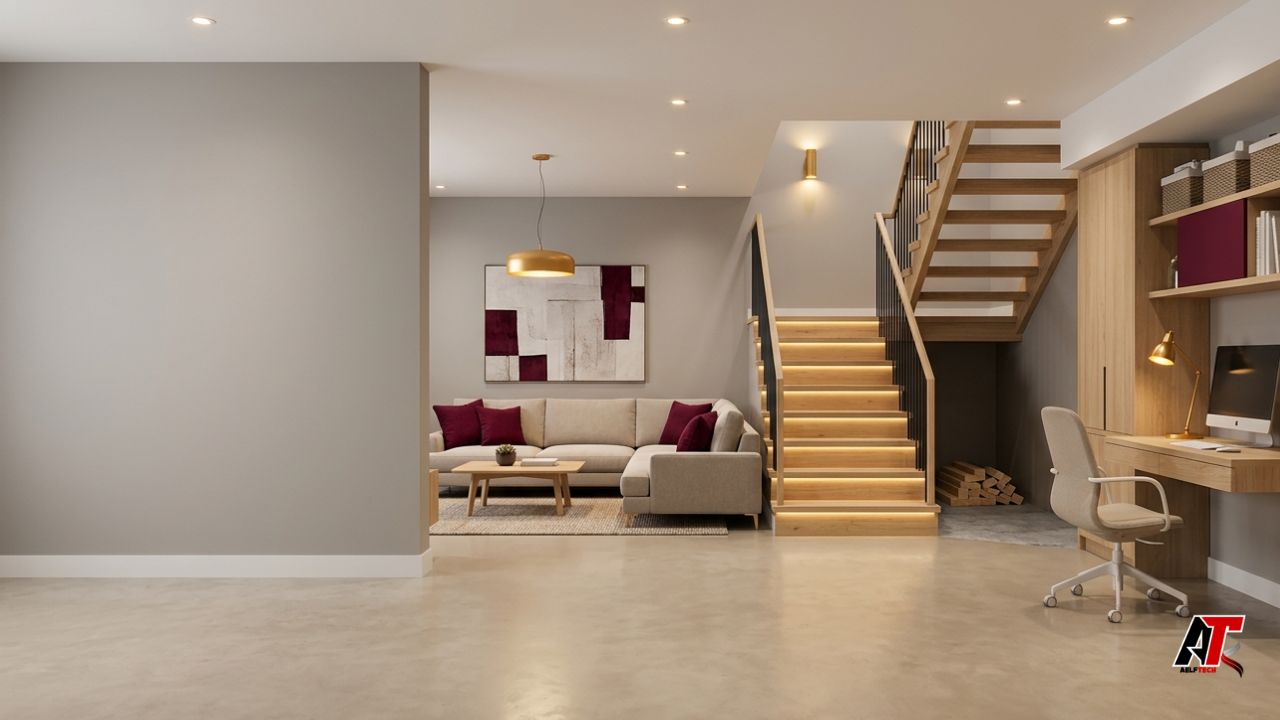
An unfinished basement often looks like wasted potential. Finishing it can create a family room, home office, guest suite, gym, playroom, or entertainment area without expanding the home’s footprint. However, the project may require a substantial budget, moisture management, permits, and ongoing maintenance.
So, is basement finishing worth it for homeowners? In many cases, yes – especially when the household needs more usable space, plans to remain in the home for several years, and can complete the work without overextending financially. Still, it is not automatically profitable. The best decision considers both financial return and everyday usefulness. Homeowners looking for a contractor-focused overview can also review this guide on Is basement finishing worth it before comparing local proposals.
This article explains the benefits, costs, risks, resale considerations, and practical steps that help determine whether a finished basement is a smart investment for your property.
What Does Basement Finishing Actually Include?
Basement finishing means converting a basic or unfinished lower level into safe, comfortable, code-compliant living space. A typical project may include framing, insulation, drywall, flooring, ceilings, electrical outlets, lighting, heating and cooling, and finished stairs. More complex plans may add a bathroom, wet bar, bedroom, laundry room, built-in storage, or separate entrance.
The starting condition matters enormously. A dry basement with adequate ceiling height and modern utilities is usually easier and less expensive to finish. A basement with foundation cracks, recurring water intrusion, old wiring, poor drainage, low ceilings, or insufficient exits may need major corrective work before cosmetic improvements begin. That is why a professional inspection and a realistic scope are more useful than relying on a simple cost-per-square-foot estimate.
The Financial Case: How Much Value Can a Finished Basement Add?
A finished basement can increase a home’s market appeal and appraised value, but homeowners should not assume they will recover every dollar. The 2025 Cost vs. Value Report listed a national average basement remodel job cost of $52,012, an estimated resale value of $36,905, and 71% of the cost recouped. These figures are broad national estimates rather than guarantees. Local demand, workmanship, layout, permits, and the quality of comparable homes can move the result significantly.
Below-grade square footage is often treated differently from above-grade living area in listings and appraisals, so it may not be priced like a main-floor addition. Buyers generally value basements that feel bright, dry, accessible, and connected to the home. Walk-out access, a legal bedroom, a bathroom, good ceiling height, and natural light can improve appeal.
Financial value should therefore be viewed in two parts: resale recovery and years of personal use. Even if a project recovers only part of its cost at sale, it may still be worthwhile if it solves a daily space problem and prevents a more expensive move or addition.
Major Benefits of Finishing a Basement
The strongest advantage is usable space. A basement can provide room for activities that no longer fit comfortably upstairs. Families may gain a quiet work area, children can have a play zone, and guests can enjoy more privacy. Homeowners can also create a media room, fitness area, hobby studio, or flexible multipurpose room that changes as household needs evolve.
Basement finishing can be more economical than building outward because the foundation, roof, and basic structure already exist. The project still requires meaningful investment, but it does not always involve the same structural work, exterior walls, setbacks, or roof changes as a conventional addition. This can make it an efficient way to gain functional space where local conditions and the existing structure are suitable.
Proper insulation, air sealing, climate control, and humidity management can improve year-round comfort. The U.S. Department of Energy notes that foundation insulation can reduce temperature swings, but it must be paired with moisture control.
Finally, a finished basement can strengthen buyer interest. Many buyers appreciate a move-in-ready lower level because it offers flexibility without requiring an immediate renovation. Neutral finishes and adaptable layouts generally appeal to a wider audience than highly specialized spaces.
When Basement Finishing Is Most Likely to Be Worth It
Basement finishing is usually a stronger decision when the existing space is structurally sound and consistently dry. If water problems are limited, ceiling height is acceptable, utilities can be integrated cleanly, and safe access is possible, more of the budget can go toward visible improvements rather than repairs.
It also makes sense when the household has a clear purpose. A flexible family room with storage may deliver more long-term value than a highly customized space that receives little use.
The project becomes more attractive when owners plan to stay long enough to enjoy it. Homeowners who need space but prefer their current neighborhood, commute, or mortgage may find basement finishing more practical than moving.
Local market expectations matter too. In areas where comparable homes commonly have finished basements, leaving yours unfinished may place it at a disadvantage. A local real estate professional can explain whether buyers in your price range expect a finished lower level and which features they value most.
When It May Not Be Worth the Cost
A basement project may be a poor investment when serious water, foundation, drainage, or mold problems remain unresolved. Covering damp walls with framing and drywall does not remove the cause. The U.S. Environmental Protection Agency emphasizes that moisture control is the key to preventing mold. Water entry, plumbing leaks, condensation, and humidity should be corrected before finishes conceal the structure.
The project can also become financially risky when the design is far more expensive than neighborhood values support. Luxury finishes, elaborate bars, custom theaters, and extensive built-ins may be enjoyable, but buyers may not pay enough extra to recover those costs. Over-improvement is especially concerning when a homeowner expects to sell soon.
Low ceiling height, limited access, inadequate windows, or difficult mechanical layouts can also reduce value. Creating a legal bedroom may require an approved emergency escape and rescue opening, smoke and carbon-monoxide protection, ventilation, and other local code requirements. Because building rules vary, homeowners should confirm requirements with the local authority before construction.
Finally, financing can change the calculation. Interest charges, loan fees, and higher monthly payments can reduce the effective return. A renovation that looks affordable based only on the contract price may feel less attractive after financing and unexpected costs are added.
Important Costs Homeowners Often Underestimate
The visible finishes are only part of the budget. Waterproofing, foundation repair, sump-pump work, drainage improvements, radon mitigation, electrical upgrades, HVAC changes, plumbing, demolition, debris removal, permits, and inspections can add substantial costs. Bathrooms and wet bars are particularly expensive when drain lines or supply lines are difficult to reach.
Electrical panels, valves, pumps, ducts, and cleanouts must remain accessible. Proper access panels and service clearances can prevent future repairs from damaging finished surfaces.
Plan carefully for lighting and acoustics. Layered fixtures and brighter finishes can prevent a basement from feeling enclosed, while sound-control insulation can improve comfort on both levels.
A contingency allowance is sensible because concealed conditions are common in renovation work. Setting aside roughly 10% to 20% beyond the initial estimate can reduce stress if contractors discover moisture damage, outdated wiring, uneven floors, or code-related corrections after work begins.
How to Maximize the Return on Basement Finishing
Start with problems, not finishes. Confirm that the foundation, drainage, gutters, grading, plumbing, and humidity levels are under control. A dry, healthy space is more valuable than expensive flooring installed over an unresolved moisture issue.
Choose a flexible layout with an open family area, organized storage, and an adaptable room. Avoid too many small rooms, preserve natural light, and make the stairs feel connected to the home.
Use durable materials suited to below-grade conditions. Flooring, insulation, wall systems, trim, and cabinetry should tolerate normal basement humidity better than delicate alternatives. The best material depends on the climate and the building assembly, so ask contractors to explain how each proposed system manages moisture.
Keep the style consistent with the rest of the house. Buyers tend to respond better when the lower level feels integrated rather than like a separate do-it-yourself project. Coordinated paint colors, trim profiles, doors, hardware, and lighting create a more polished result.
Obtain permits and document the work. Approved plans, inspection records, contractor invoices, warranties, and before-and-after photographs can reassure future buyers and appraisers. Unpermitted work may complicate a sale, insurance claim, or later renovation.
Get several detailed estimates using the same scope. Compare labor, materials, allowances, moisture strategy, permit responsibility, schedule, cleanup, warranty, and change-order terms – not simply the lowest total. For more practical renovation and home-improvement guidance, readers can explore aelftech.com usa.
A Simple Decision Framework for Homeowners
Before committing, answer five questions: Is the basement dry and structurally suitable? What problem will the project solve? Can it be completed with permits and a contingency fund? Does the quality match comparable homes? Will the household stay long enough to benefit?
A ‘yes’ to most questions suggests the project may be worthwhile. Uncertain answers signal a need for further investigation from relevant local professionals.
Frequently Asked Questions
Does a finished basement count as living space?
It can count as finished or usable living space, but listing and appraisal rules often separate below-grade area from above-grade gross living area. Local standards, ceiling height, access, heating, permits, and safety requirements affect how the space is described.
Is it worth finishing a basement before selling?
It may be worthwhile when the basement is already dry, the project can be completed at a controlled cost, and buyers in the area expect finished lower levels. A major custom renovation immediately before selling may not recover its full cost. Ask a local agent which improvements are most likely to influence your target buyers.
What basement features add the most practical value?
A bright multipurpose room, good storage, comfortable stairs, durable flooring, effective climate control, and a properly permitted bathroom often provide broad appeal. A legal bedroom or walk-out entrance may add value where feasible, but each must meet local requirements.
Should homeowners finish the basement themselves?
Painting, trim, and selected cosmetic tasks may be manageable for experienced homeowners. Waterproofing, structural changes, electrical work, plumbing, HVAC, fire separation, and egress usually deserve professional attention and may require licensed trades and inspections. Poorly executed work can reduce value rather than increase it.
Final Verdict: Is Basement Finishing Worth It for Homeowners?
Basement finishing is worth it when it creates space the household will genuinely use, addresses moisture and safety correctly, fits the home’s market, and remains within a disciplined budget. It can improve comfort, flexibility, and buyer appeal while recovering a meaningful portion of its cost at resale.
However, it should not be treated as guaranteed profit. National data shows partial cost recovery rather than a universal dollar-for-dollar return. The strongest projects balance personal enjoyment with resale practicality: they are dry, permitted, durable, neutrally designed, and appropriate for the neighborhood.
For most homeowners, the right question is not only, ‘How much value will this add?’ It is also, ‘How much useful life will this space give us?’ When both answers are compelling, a carefully planned finished basement can be one of the most rewarding ways to improve an existing home.
Leave a Reply