
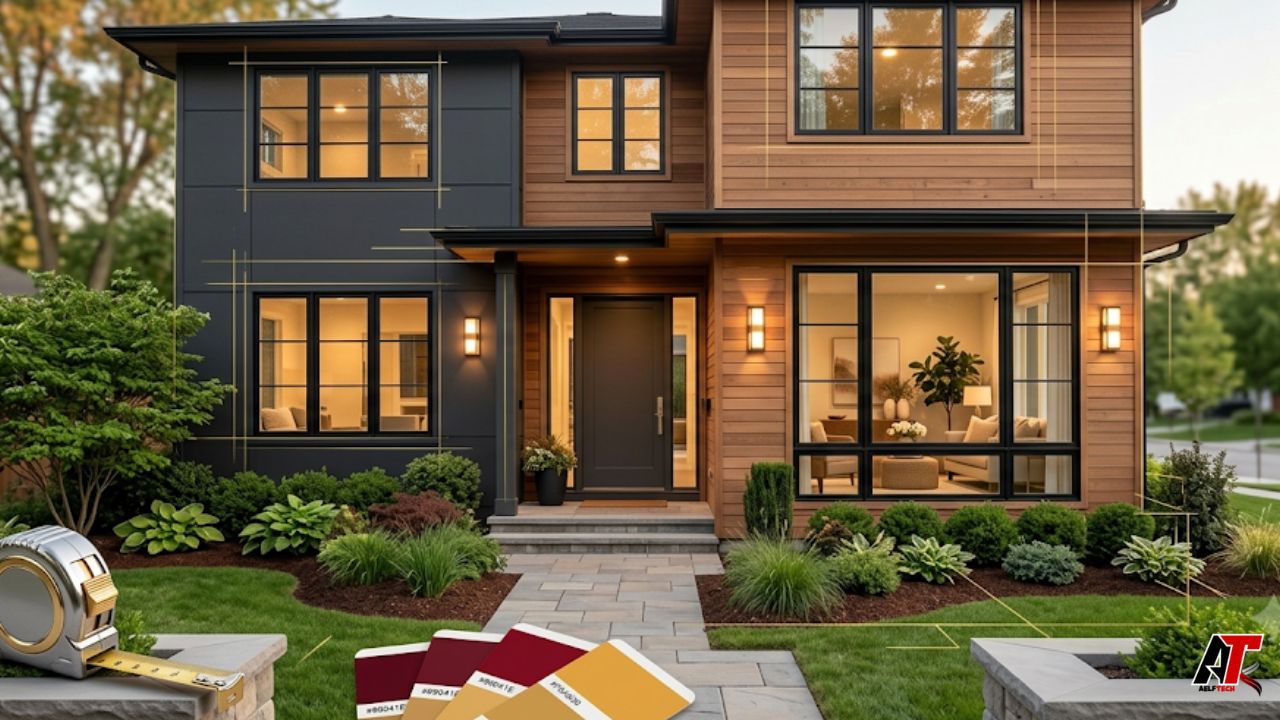
Investing in your home can feel exciting at first. Then the questions start. Should you remodel the kitchen, replace the siding, update the bathroom, improve insulation, or spend money on outdoor living? Every option sounds important, and every contractor may tell you their project should come first.
That is why smart planning matters. A good home upgrade should do more than make your house look nice for a few weeks. It should improve daily comfort, protect the property, support long-term value, and make the home easier to live in.
At aelftech.com, we believe the best home decisions are the ones that balance beauty, function, budget, and future use. This guide will help you focus on high-impact home upgrades without feeling overwhelmed.
Start With the Purpose Behind the Upgrade
Before you call a contractor or buy materials, ask one simple question: what problem am I trying to solve? This step saves money because it keeps you from choosing upgrades only because they look trendy online.
For example, a family with rising energy bills may benefit more from better insulation and windows than from a cosmetic room refresh. A homeowner planning to sell may need curb appeal, siding, paint, and small repair work before thinking about luxury finishes. Someone who plans to stay for many years may care more about comfort, storage, safety, and low-maintenance materials.
High-impact upgrades usually fall into four groups: protection, comfort, efficiency, and appearance. The best projects often improve more than one group at the same time.
Quick Upgrade Priority Table
| Upgrade Area | Main Benefit | Best For | Priority Level |
| Siding and exterior repairs | Protects the home and improves curb appeal | Aging or damaged exteriors | High |
| Windows and insulation | Improves energy comfort | Drafty homes or high bills | High |
| Kitchen improvements | Improves daily function | Busy family homes | Medium to High |
| Bathroom upgrades | Adds comfort and usability | Older bathrooms | Medium to High |
| Outdoor living | Expands usable space | Homes with yards or patios | Medium |
1. Upgrade the Exterior First
The outside of your home works harder than most people realize. It protects against rain, heat, wind, pests, and moisture. It also creates the first impression for guests, neighbors, and future buyers.
Exterior upgrades can include siding, roofing repairs, paint, gutters, exterior lighting, front door improvements, and landscaping. These projects are not only about looks. They help prevent damage that can become expensive later.
If your siding is cracked, faded, warped, or letting moisture in, it may be time to speak with a professional siding replacement company. Good siding can improve curb appeal while also helping your home stay protected from weather and long-term wear.
You do not always need a full exterior renovation. Sometimes, replacing damaged panels, painting trim, repairing gutters, and adding clean lighting can make the home look newer and better maintained.
2. Improve Energy Efficiency Before Cosmetic Details
Energy upgrades may not feel as exciting as a new countertop, but they can improve comfort every day. If a home is too hot in summer, too cold in winter, or drafty near windows, cosmetic updates will not fix the real issue.
Start with an honest look at insulation, weather sealing, windows, doors, ventilation, and heating or cooling performance. Small gaps and weak insulation can make a home feel uncomfortable even when the system is running.
Common energy-focused upgrades include attic insulation, door seals, window improvements, smart thermostats, efficient lighting, and better ventilation. These changes can make rooms feel more stable and pleasant throughout the year.
The key is to fix leaks and weak points before investing in finishes. A beautiful room still feels frustrating if it is always too hot, too cold, or noisy.
3. Make the Kitchen More Functional, Not Just More Expensive
The kitchen is one of the most used spaces in many homes. However, a kitchen upgrade does not have to mean a complete luxury remodel. In many cases, function matters more than expensive materials.
Think about how the kitchen actually works. Is there enough storage? Are the work areas easy to move through? Is the lighting bright enough for cooking? Are cabinets difficult to use? Do appliances fit the way your family lives?
High-impact kitchen upgrades can include better lighting, cabinet organization, durable countertops, updated hardware, a practical backsplash, and improved pantry storage. Painting cabinets or replacing handles can also refresh the space without a full rebuild.
If your budget is limited, focus on the changes you touch every day. Smooth drawers, clean lighting, easy-to-clean surfaces, and better storage can make the kitchen feel new without overspending.
4. Upgrade Bathrooms for Comfort and Safety
Bathrooms are small, but they affect daily life in a big way. A poorly planned bathroom can feel dark, cramped, slippery, or hard to clean. A smart upgrade can improve comfort, hygiene, storage, and safety.
Start with practical issues first. Fix leaks, weak ventilation, old grout, poor lighting, and damaged flooring. Then look at comfort features such as a better vanity, a larger mirror, storage shelves, low-maintenance tiles, and modern fixtures.
Safety is also important. Non-slip flooring, strong grab points, wider entry space, and better lighting can help the bathroom work for children, guests, and older family members. These details may not look dramatic in photos, but they make the room more useful.
A bathroom upgrade should feel clean, calm, and easy to maintain. That is usually more valuable than adding trendy details that become outdated quickly.
5. Create Better Storage and Organization
Storage is one of the most underrated home upgrades. When a house lacks storage, even a beautiful space can feel messy. Better storage makes daily routines smoother and helps every room stay organized.
Look for unused spaces first. Under-stair areas, hallway corners, laundry rooms, garage walls, closet backs, and entryways often have hidden potential. Built-in shelves, closet systems, mudroom benches, wall hooks, and labeled storage can make a big difference.
The goal is not to hide clutter forever. The goal is to give every item a practical place. When storage is designed around real habits, the home becomes easier to clean and more relaxing to live in.
6. Focus on Lighting for Instant Impact
Lighting changes the mood of a home faster than almost any other upgrade. Poor lighting can make a room feel smaller, duller, or less welcoming. Good lighting can make the same space feel warm, open, and finished.
Use layers. Start with general ceiling lighting. Then add task lighting for cooking, reading, working, or grooming. Finally, add accent lighting for shelves, artwork, entryways, or outdoor paths.
Warm lighting works well in living rooms and bedrooms. Brighter lighting is better for kitchens, bathrooms, laundry areas, and workspaces. Dimmer switches are also helpful because they let one room serve different moods and activities.
Do not forget exterior lighting. A well-lit porch, path, or driveway can improve safety and make the home feel more welcoming at night.
7. Make Your Home Feel Calmer and More Livable
Not every valuable home upgrade requires construction. Some changes are about how the home feels during daily life. A peaceful home can support better routines, less stress, and more enjoyable time with family.
Simple habits and design choices can create a more relaxing experience. This may include reducing visual clutter, using softer lighting, improving airflow, adding natural textures, and keeping high-use areas easy to reset.
Paint color also plays a role. Soft neutral shades, warm whites, muted greens, and gentle earth tones can make spaces feel calmer. However, choose colors that match your light and furniture instead of copying a trend exactly.
Comfort upgrades also include better curtains, rugs, sound control, indoor plants, and seating that fits the room. These changes may seem small, but they affect how the home feels every day.
8. Improve Outdoor Living Space
Outdoor space can add a lot of enjoyment to a home. A patio, deck, small garden, balcony, or seating area can become a place for meals, reading, gatherings, or quiet evenings.
Start simple. Clean the area, repair uneven surfaces, add shade, improve lighting, and choose durable outdoor furniture. If the space is small, use foldable chairs, vertical planters, or a compact table. If it is larger, create zones for seating, cooking, and plants.
Outdoor upgrades work best when they match your lifestyle. A family that hosts often may need seating and lighting. A busy homeowner may prefer low-maintenance plants and easy-clean flooring. A quiet reader may only need shade, a chair, and privacy.
9. Choose Materials That Reduce Maintenance
A high-impact upgrade should not create new problems. This is why material choice matters. Beautiful materials that stain easily, scratch quickly, or require constant care may not be the best choice for a busy home.
Before choosing any finish, ask how it handles moisture, heat, pets, children, cleaning, sunlight, and daily use. Durable flooring, washable paint, strong siding, stain-resistant counters, and easy-clean bathroom materials can save stress later.
Low-maintenance does not mean boring. Many modern materials look stylish while still being practical. The best choice is the one that fits your climate, budget, and daily routine.
10. Do Not Ignore Safety and Accessibility
Safety upgrades are often overlooked because they are not always visible. Yet they can be some of the most important investments in a home. Good safety planning protects family members and makes the home easier to use for everyone.
Consider smoke detectors, carbon monoxide detectors, strong locks, safe stair railings, non-slip surfaces, better outdoor lighting, and secure electrical systems. Also think about accessibility. Wider walkways, lever handles, easy-entry showers, and step-free access can help the home serve changing needs over time.
These improvements are especially useful for families who plan to stay in the home long term. A home that is safe, flexible, and easy to move through is more comfortable for guests and residents alike.
How to Decide Which Upgrade Comes First
When every project feels important, use a simple order. First, fix anything that protects the home from damage. This includes roofing, siding, gutters, leaks, foundation concerns, and electrical or plumbing issues.
Second, improve comfort and efficiency. This includes insulation, windows, heating, cooling, ventilation, and lighting. Third, upgrade spaces you use every day, such as kitchens, bathrooms, laundry rooms, and storage areas.
Finally, add style and lifestyle improvements. This includes paint, decor, outdoor seating, decorative lighting, and finishing touches. This order helps you spend money where it matters most before moving to cosmetic details.
Budget Tips for Smarter Home Investment
A smart upgrade plan does not require unlimited money. It requires clear priorities. Start by listing every project you want. Then divide the list into urgent repairs, comfort improvements, value upgrades, and nice-to-have changes.
Get more than one quote for major work. Ask what is included, what is not included, and what could increase the final cost. Also keep a reserve amount for surprises, especially in older homes. Hidden water damage, outdated wiring, and structural issues can change the budget.
Avoid spending your entire budget on one visible feature if the rest of the home needs basic repairs. A balanced home usually feels better than a home with one expensive room and many neglected areas.
Final Thoughts
Investing in your home is not only about resale value. It is about creating a place that feels safer, easier, more comfortable, and more enjoyable to live in. The best upgrades solve real problems while also improving the way the home looks and functions.
Start with protection. Then improve efficiency, comfort, storage, lighting, and everyday usability. After that, choose design details that match your style and make the home feel personal. When you focus on high-impact home upgrades, you do not have to do everything at once. You simply need to choose the next right project. Over time, those smart choices can turn your home into a stronger, calmer, and more valuable place to live.
Leave a Reply